Reviews present a mixed picture: clinical care and connection are strengths in some areas, while facility condition, staffing, and operational practices raise recurring concerns. Several accounts emphasize caring nursing staff and friendly direct-care employees alongside an active resident association and a broad, well-attended activities program. At the same time, reviewers describe structural and operational shortcomings that affect daily life for residents.
Care and clinical oversight: Nursing staff are frequently described as attentive and caring, and memory-care services receive positive notice in some accounts. However, long call-bell response times and uneven staffing levels are recurring themes, producing delays in assistance and variable personal-care support. There are also concerns about medication management oversight and gaps in fall-prevention practices and post-incident response; one account referenced serious outcomes following an incident, so families should probe the facility's clinical-incident protocols and communication practices. Discharge planning and social-work interactions are described as inconsistent, with some families reporting dissatisfaction with the coordination of therapy and transitions.
Staff and resident interactions: Many reviewers highlight compassionate interactions from nursing and activity staff and a strong resident-led association that contributes to community life. Conversely, variability in CNA performance and responsiveness is noted, which affects personal hygiene assistance and daily comfort for some residents. Staffing constraints appear to contribute to both delayed responses and uneven attention across the population.
Dining and activities: The dining program is generally characterized as acceptable by some reviewers. The facility's activity offerings are a clear strength: organized gardening, musical entertainment, field trips, bingo, movies, arts and crafts, seasonal outdoor events, and in-house worship services are described as regular parts of life on campus. These programs, together with an active resident association, support social engagement and quality of life for many residents.
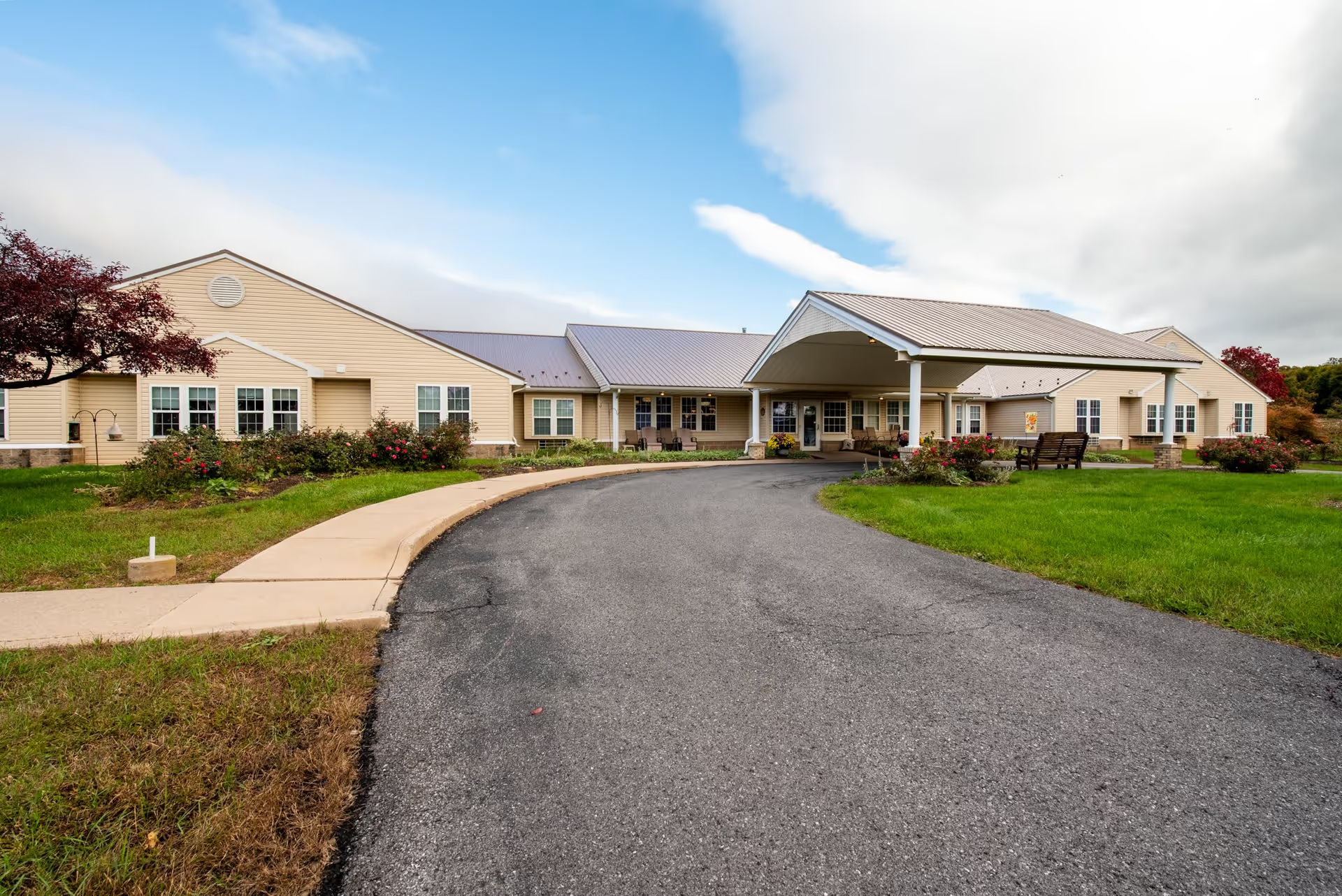
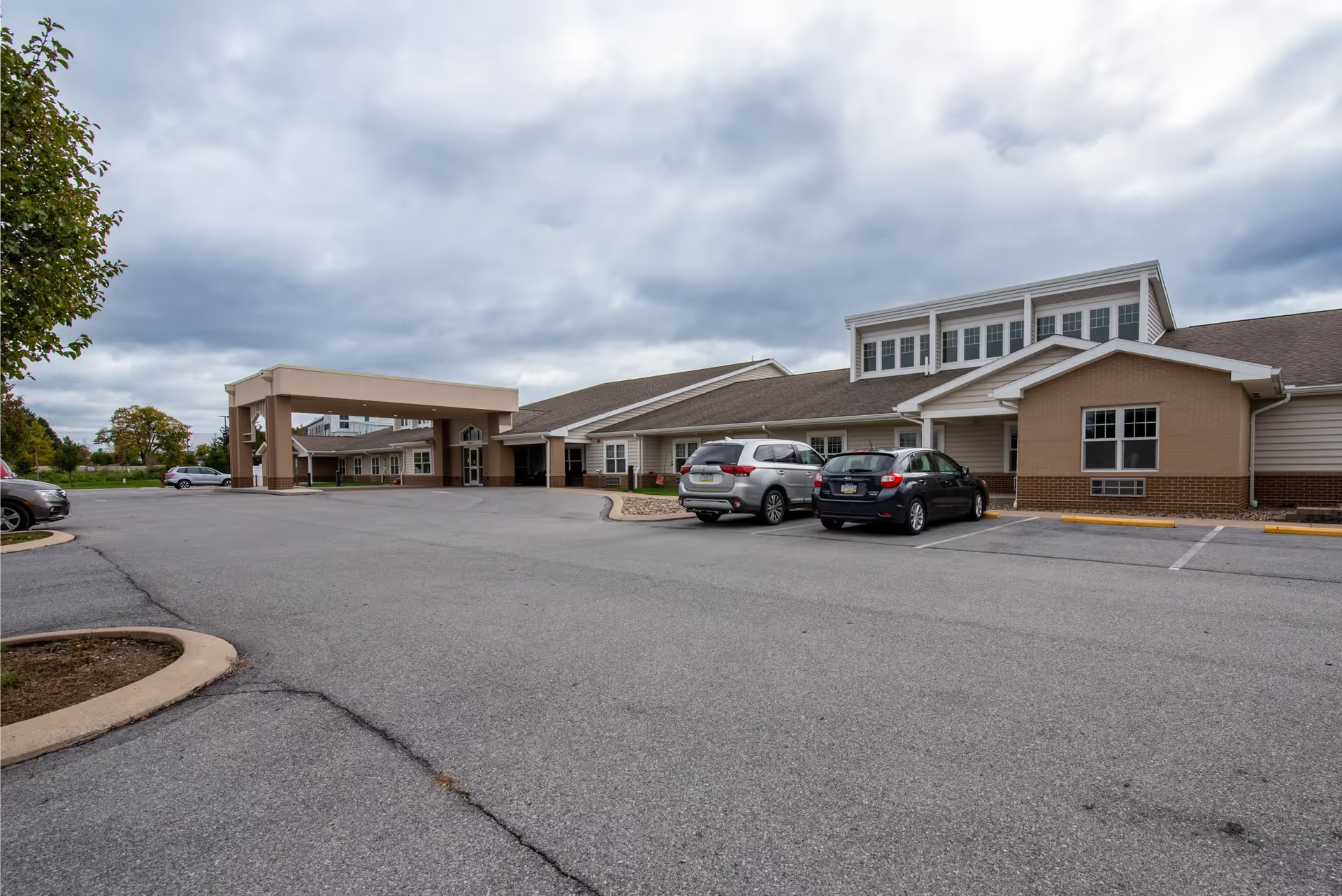
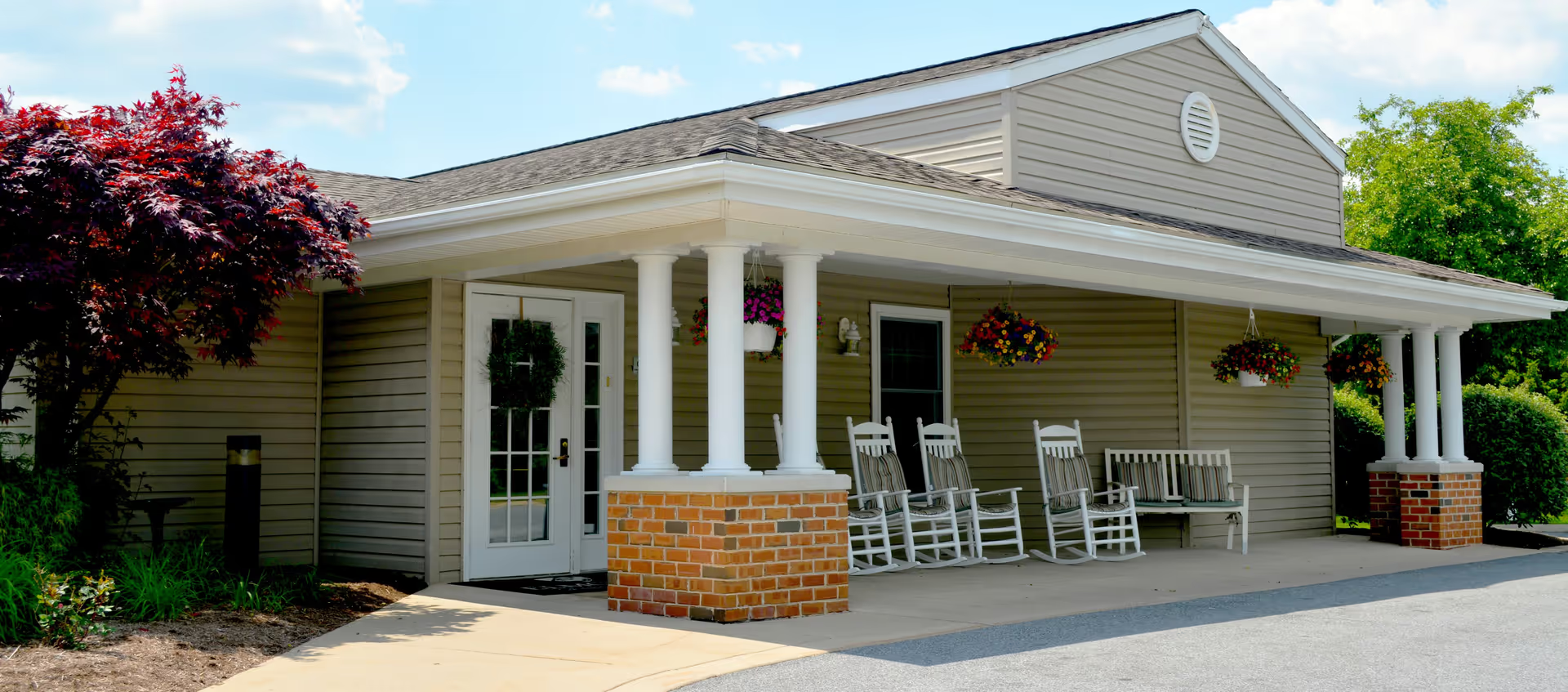
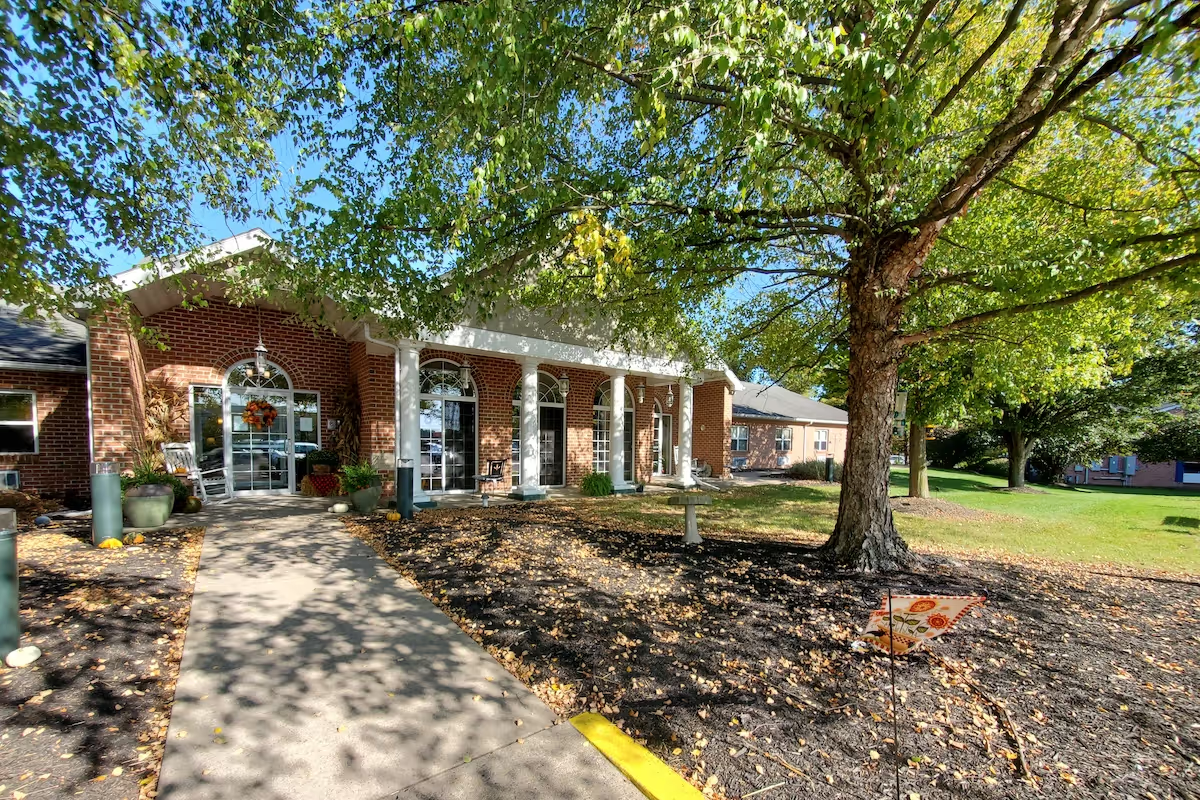
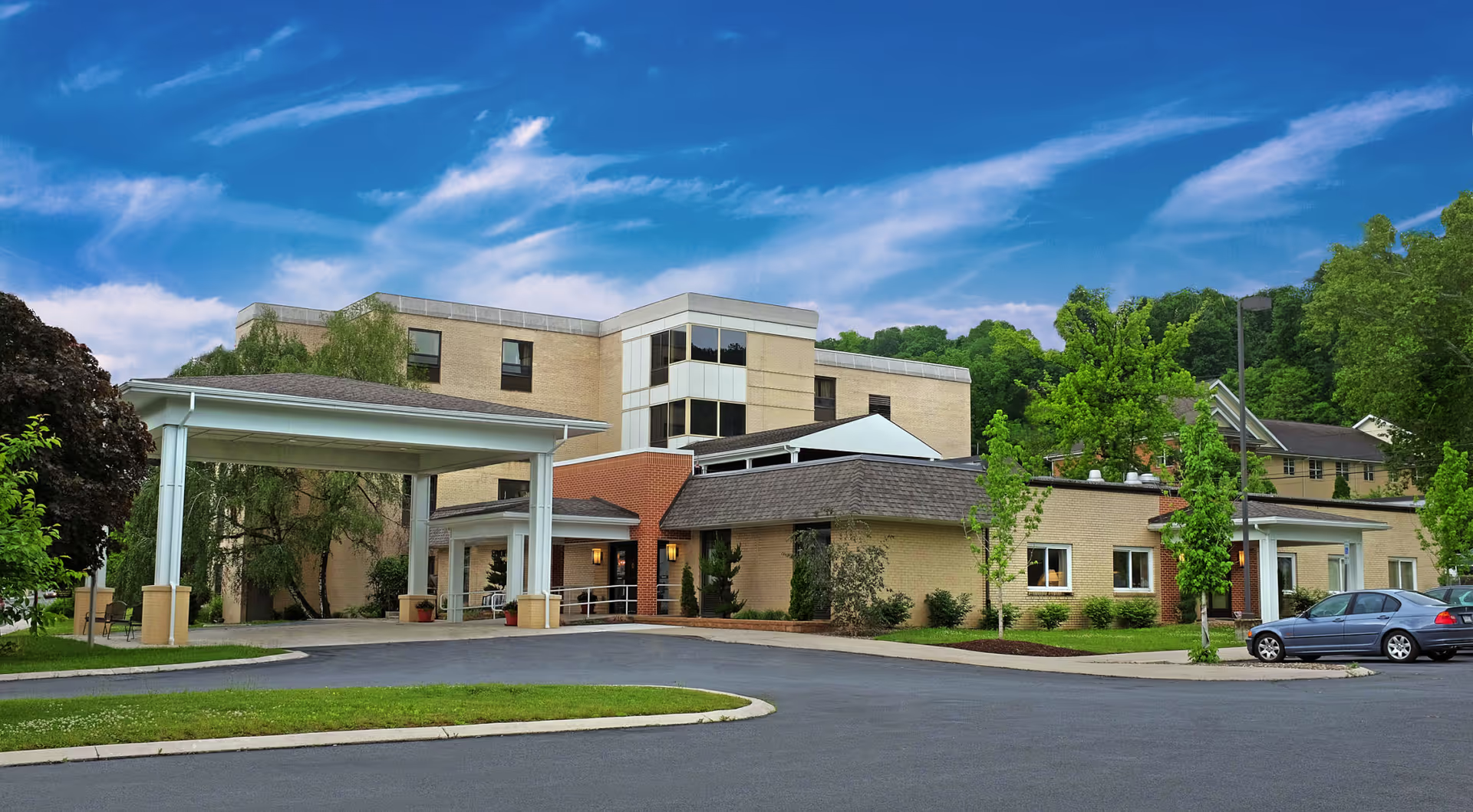
Facilities and cleanliness: Physical plant descriptions vary widely. Positive comments describe parts of the facility as well maintained, but a number of reviews point to an older, institutional environment—hard-tile corridors, dormitory-style arrangements, small rooms, and shared bathrooms. Overcrowding and a generally dated interior are cited, along with sanitation and odor concerns in some rooms and common areas. The presence of an upcoming new-construction area indicates that improvements are planned or underway, which may address some space and modernization issues.
Management and operations: The facility's county-operated, frugal management is reflected in both affordability and resource constraints. Affordable pricing and proximity to hometowns are advantages for many families, but budget limitations appear connected to staffing and physical-plant shortcomings. Communication about costs, care-planning, and transitions is an area of concern for some families.
Notable patterns and considerations: The material suggests a facility where social programming and some aspects of nursing care are meaningful strengths, but operational limitations—staffing levels, delayed response times, cleanliness variability, shared/overcrowded accommodations, and medication and incident-response processes—create risks and dissatisfaction for others. Prospective residents and families should tour multiple living areas (including current and newly constructed sections), observe mealtimes and activities, ask for staffing ratios and medication-safety protocols, review fall-prevention and incident-communication procedures, and clarify room types and bathroom arrangements before deciding.