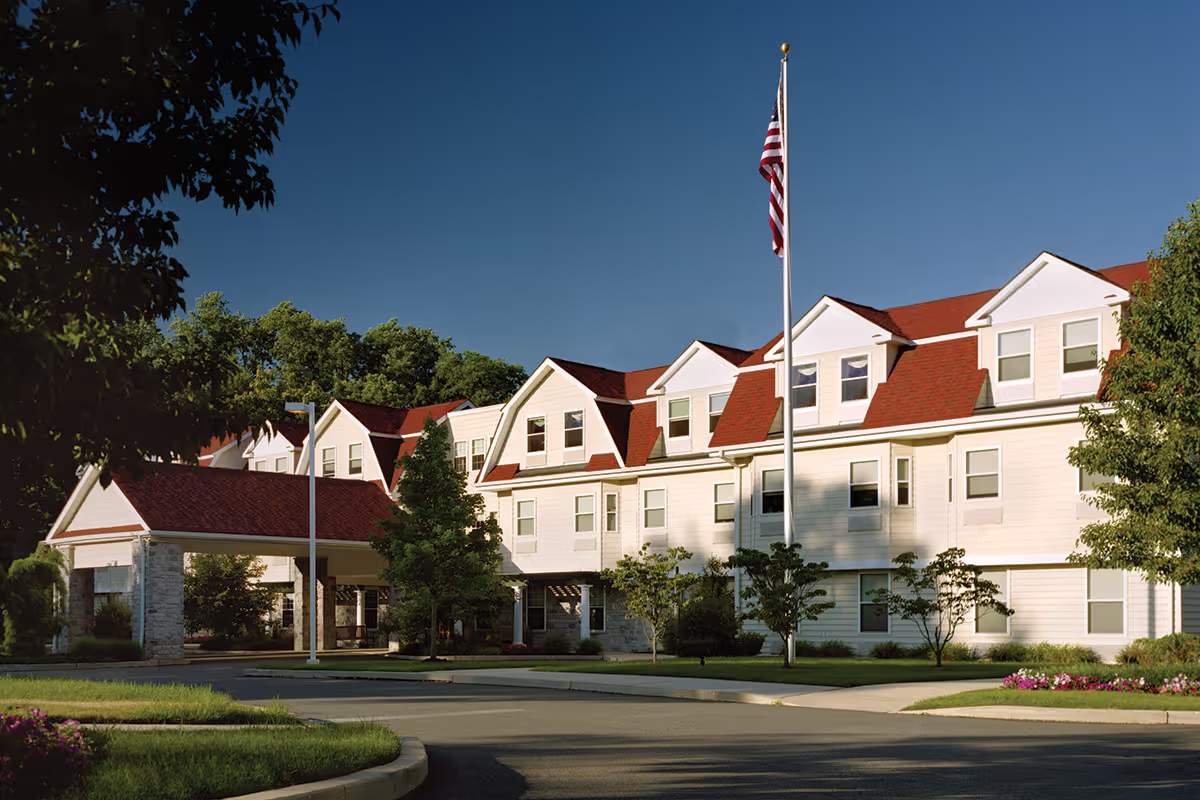
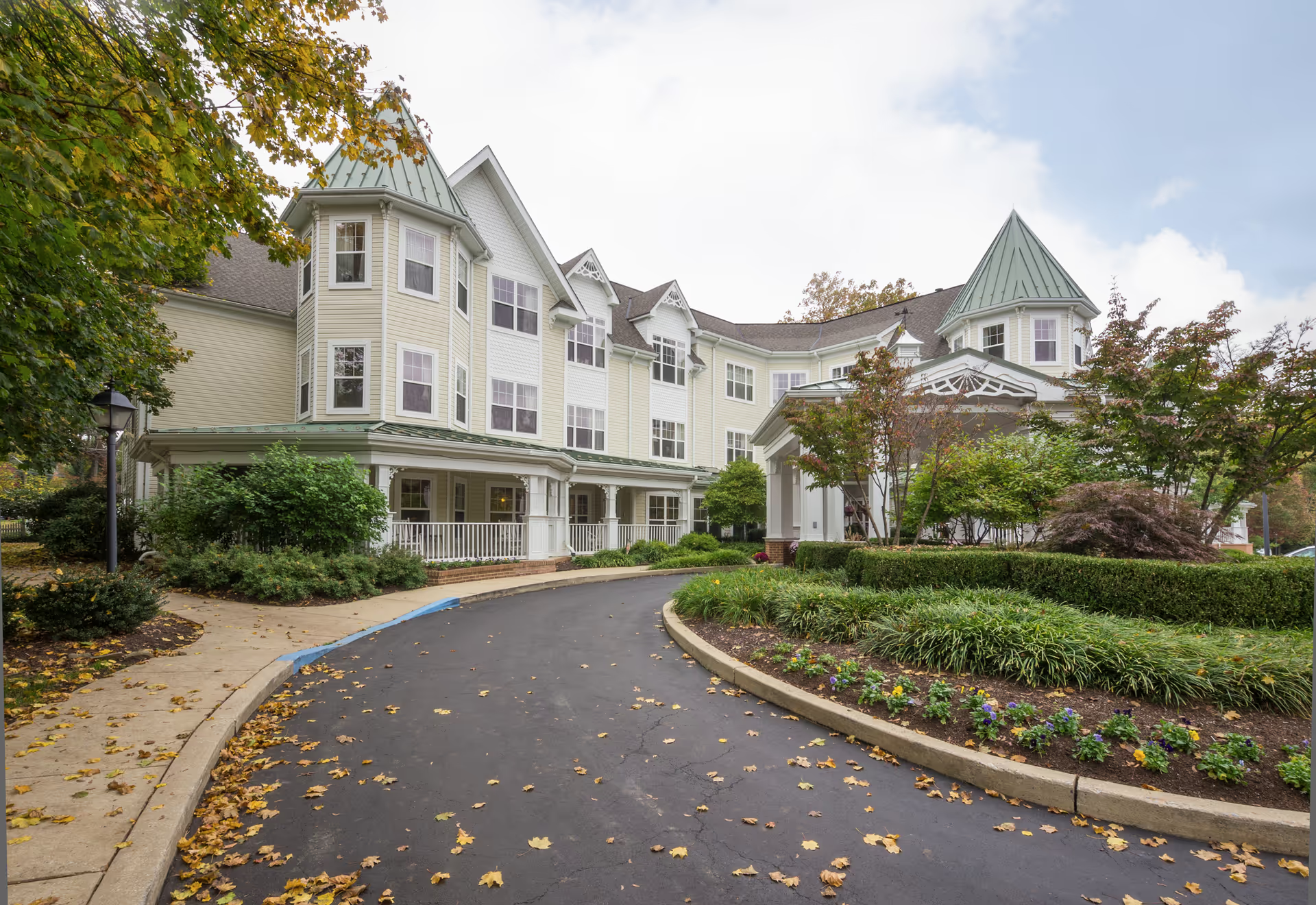
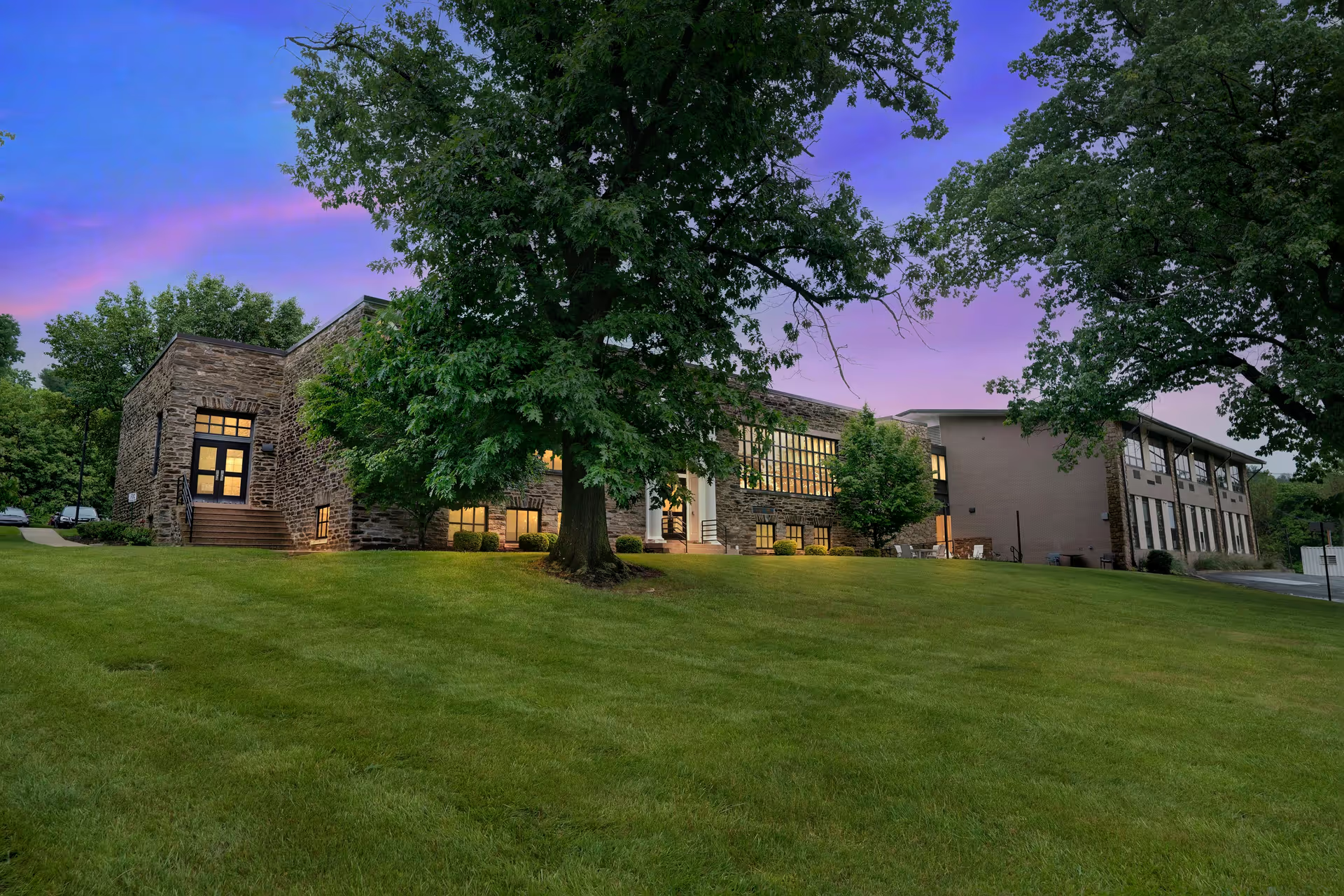
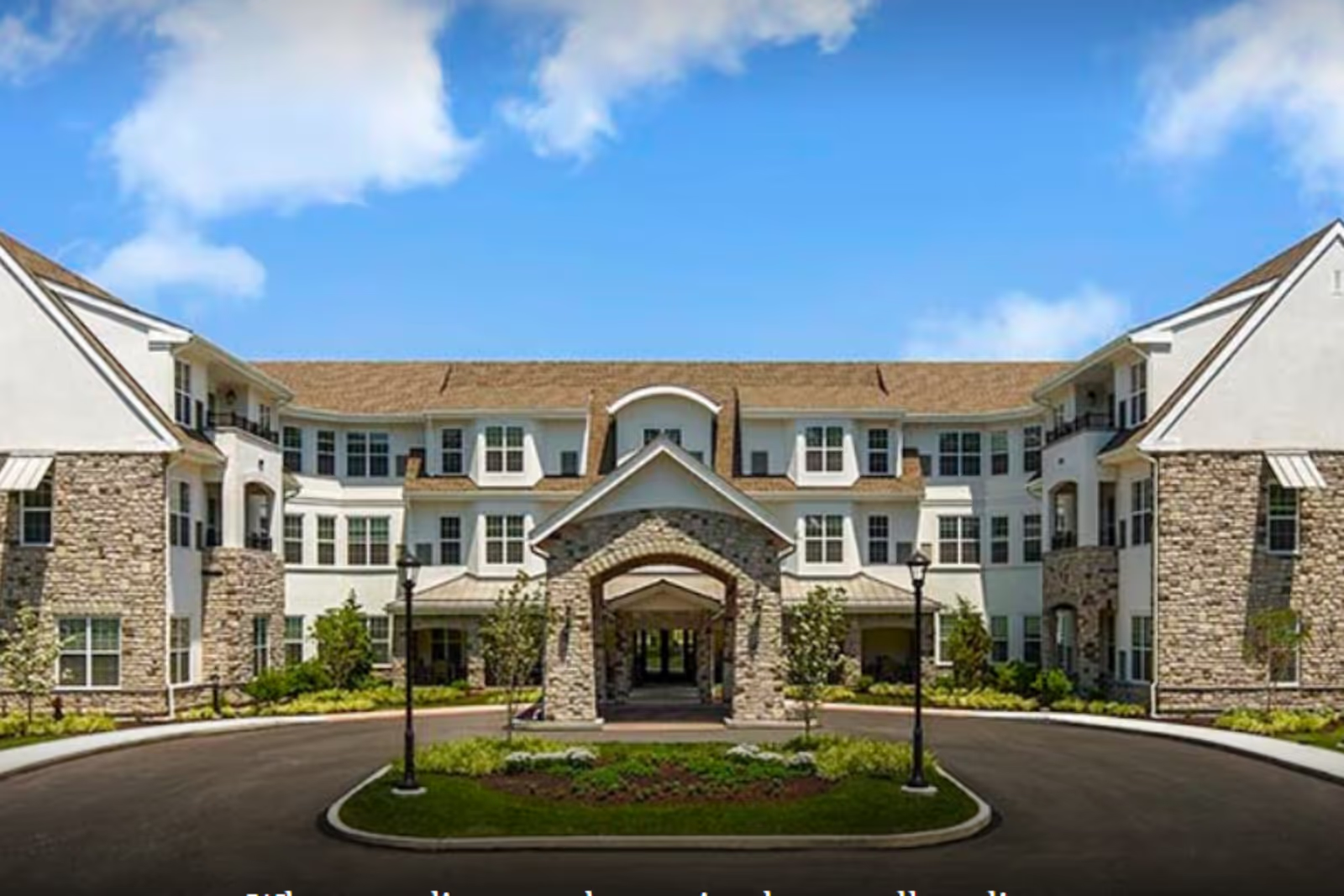
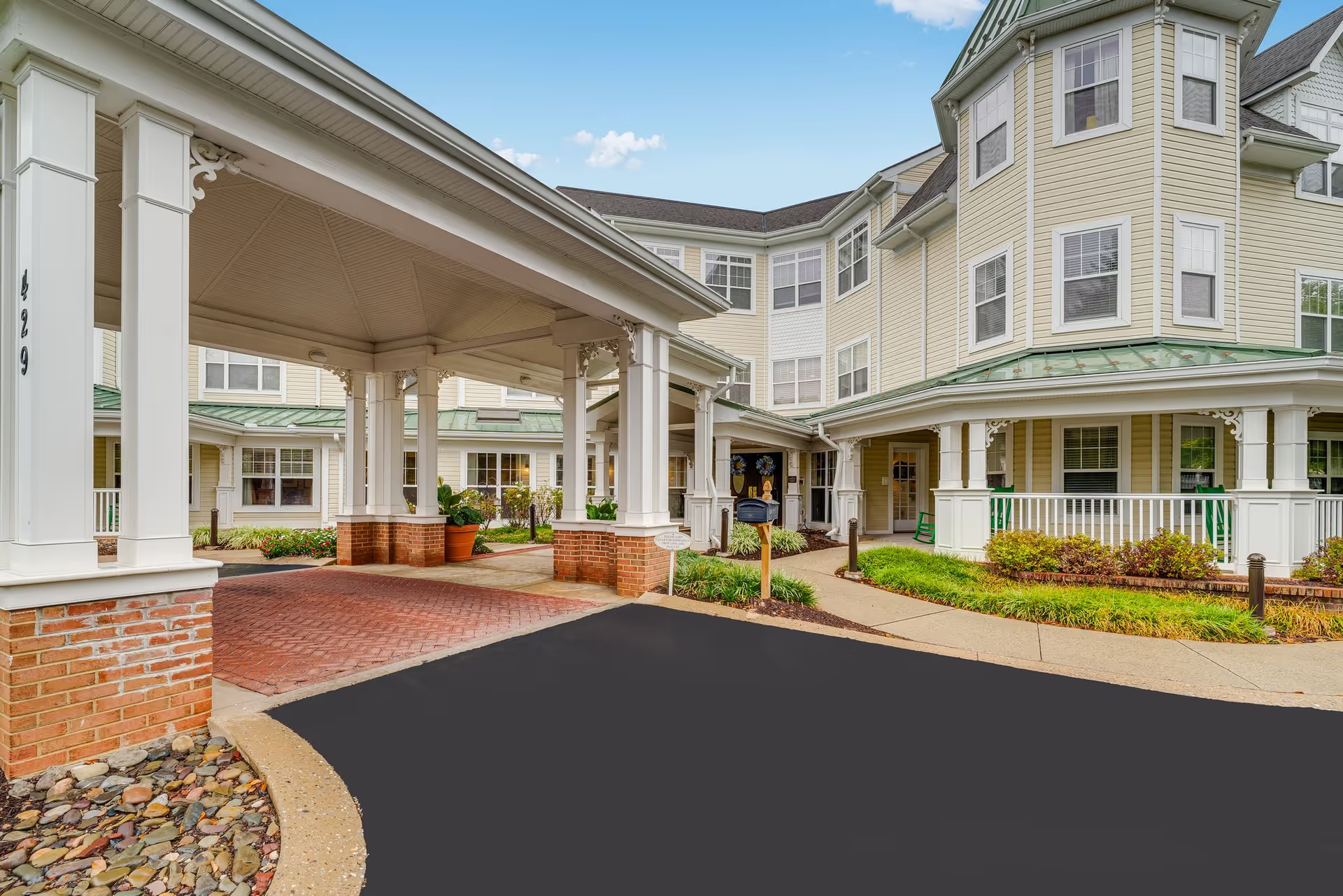
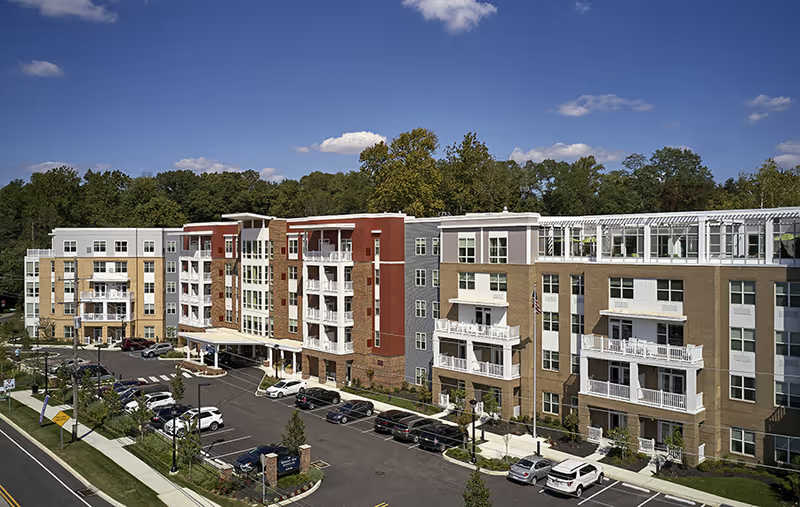
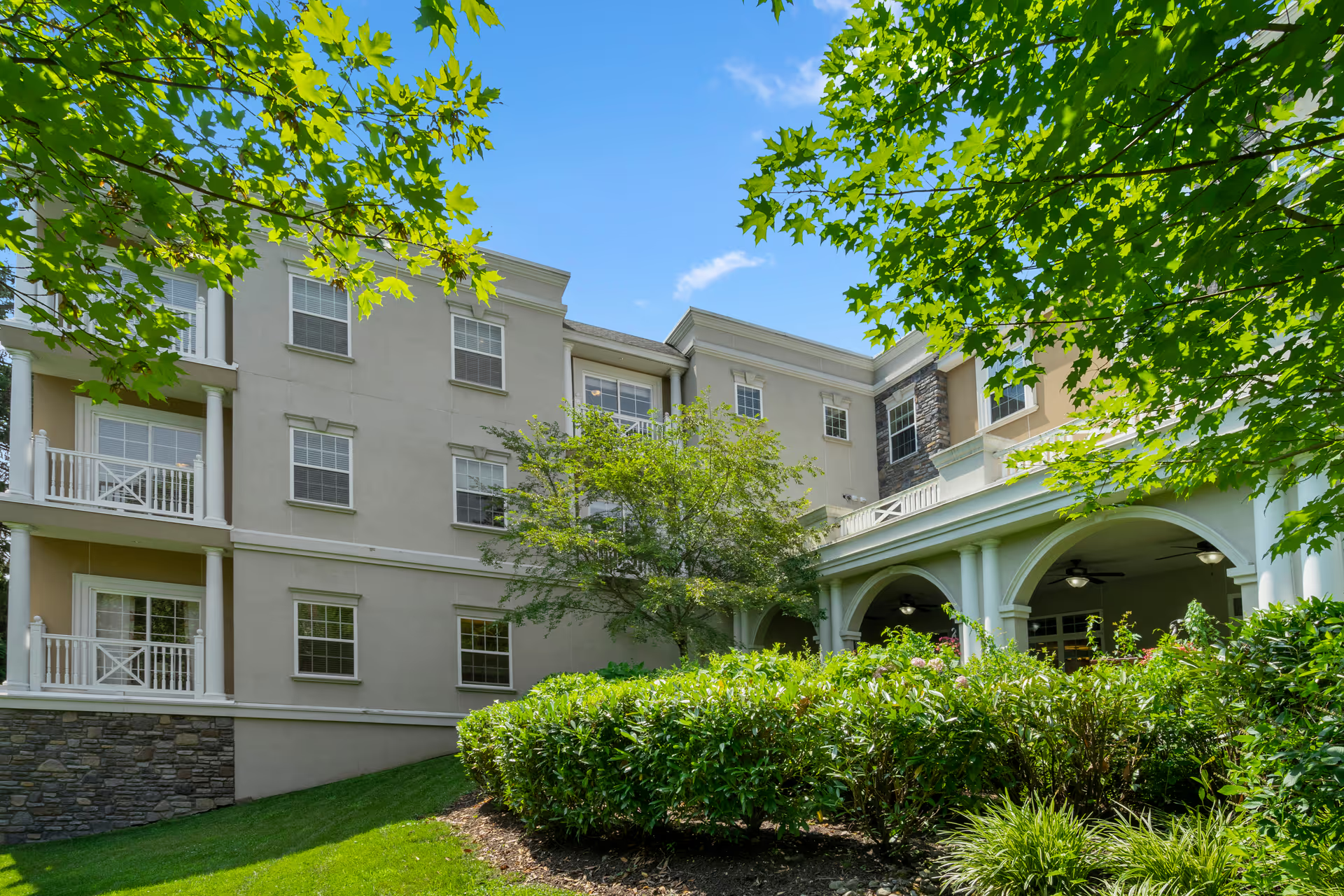
Beaumont at Bryn Mawr presents as a high‑end, full‑service retirement community with extensive on‑site amenities and a strong emphasis on quality of life. Review content coalesces around a well‑kept, attractive campus with hotel‑like finishes, multiple dining venues, and a full slate of recreational and cultural programming (concerts, lectures, theater, fitness, pools, library, greenhouse and trails). The community offers a broad spectrum of housing and care levels, from private apartments to assisted living and skilled nursing, and is frequently described as clean, elegant, and professionally maintained.
Clinical care and rehabilitation are commonly cited strengths. Reviewers praise the accessibility of physicians, attentive nursing staff, and rapid access to physical‑therapy services that have supported positive post‑surgical recoveries. The facility is also viewed as capable in end‑of‑life and longer‑term nursing care, with staff continuity and long tenures contributing to personalized attention — staff are often described as knowing residents by name and engaging with residents in a compassionate manner. That said, there are notes about gaps in communication with social services and family members, and some uncertainty about behavioral‑management capabilities in specific situations; prospective residents should clarify the facility’s policies and resources for complex behavioral needs and care coordination.
Dining and daily life receive mixed but generally favorable commentary. Food quality and variety are widely praised, and residents value the multiple dining rooms, bistro options, and room‑service conveniences. At the same time, reviewers describe occasional delays in meal service and menu designs that can be overwhelming because of the breadth of choices. Activity programming is a clear positive: frequent concerts, lectures, classes, and social events create a culturally active environment for those who seek engagement.
Facility layout and practical logistics are areas to evaluate carefully. The campus is sprawling and beautiful, but the size produces long corridors and significant walking distances to amenities for some residences; several reviews noted that this can be tiring or inconvenient. Parking and access have been described as constrained in places. Unit sizes vary widely — many apartments are large and well appointed, but other units are small; prospective residents should confirm unit dimensions and lighting/ambience, as portions of the facility were described as darker or quieter than others.
Management and financial structure are distinctive features. Beaumont’s resident‑ownership/nonprofit model and buy‑in/resale framework are repeatedly emphasized: residents exercise governance over major decisions and a large portion of sale proceeds may return to owners. Reviewers view resident governance and long staff tenure as strengths for community continuity and responsiveness. Conversely, the entry costs, ongoing fees, and the complexity of the purchase/resale model are frequently cited as significant financial considerations. There are also social dynamics to consider: some accounts describe a cliquish or exclusive resident culture that can affect social inclusion for some newcomers.
Overall, Beaumont at Bryn Mawr appears to offer a high level of physical amenities, clinical capability, and cultural programming in a well‑maintained, resort‑style setting. The main tradeoffs are cost, campus scale (walking/parking), potential variability in private unit size and ambience, occasional service inconsistencies, and social dynamics that may not fit every prospect. Families and prospective residents will benefit from targeted questions about unit layout and lighting, detailed fee and resale implications, meal‑service patterns, parking access, behavioral‑management capabilities, and how social services facilitate family communication before making a commitment.