Overall sentiment is strongly mixed with a clear pattern of polarization: many reviewers describe exemplary, compassionate care—particularly from nursing, therapy (PT/OT), social work, housekeeping and kitchen staff—while a substantial portion report serious, recurring problems that raise safety and quality-of-care concerns. Positive accounts emphasize knowledgeable therapists who drive rehabilitation progress, nurses and aides who are attentive and relationship-focused, clean common areas and appealing outdoor spaces. Those favorable reviews often describe personalized care, good family communication, rapid progress in rehab, and an environment that feels safe and home-like.
Contrasting those positives, there is a prominent and repeated theme of understaffing, high turnover and reliance on temporary or outsourced workers. Many negative reviews tie the variability in care directly to staffing shortages and leadership instability (a management change was noted in 2021). When staffing is thin or unsteady, reviewers report delays answering call bells, missed showers, residents left soiled, long waits for toileting assistance, inconsistent medication administration (delays, duplications, or withheld medications), and inadequate supervision—especially overnight. These operational problems produce serious safety concerns in multiple accounts, including falls, hospital readmissions, and at least one review alleging a death after rapid decline.
Therapy services are a frequent bright spot: multiple reviewers single out the PT/OT teams as highly skilled, effective and central to recovery. However, continuity problems are also reported—different therapists assigned daily, promised OT schedules not implemented, and gaps in speech therapy (missed aphasia diagnosis and no speech services). Families relying on coordinated therapy and communication with medical providers report frustration with missed therapy appointments and difficulty scheduling outside medical care.
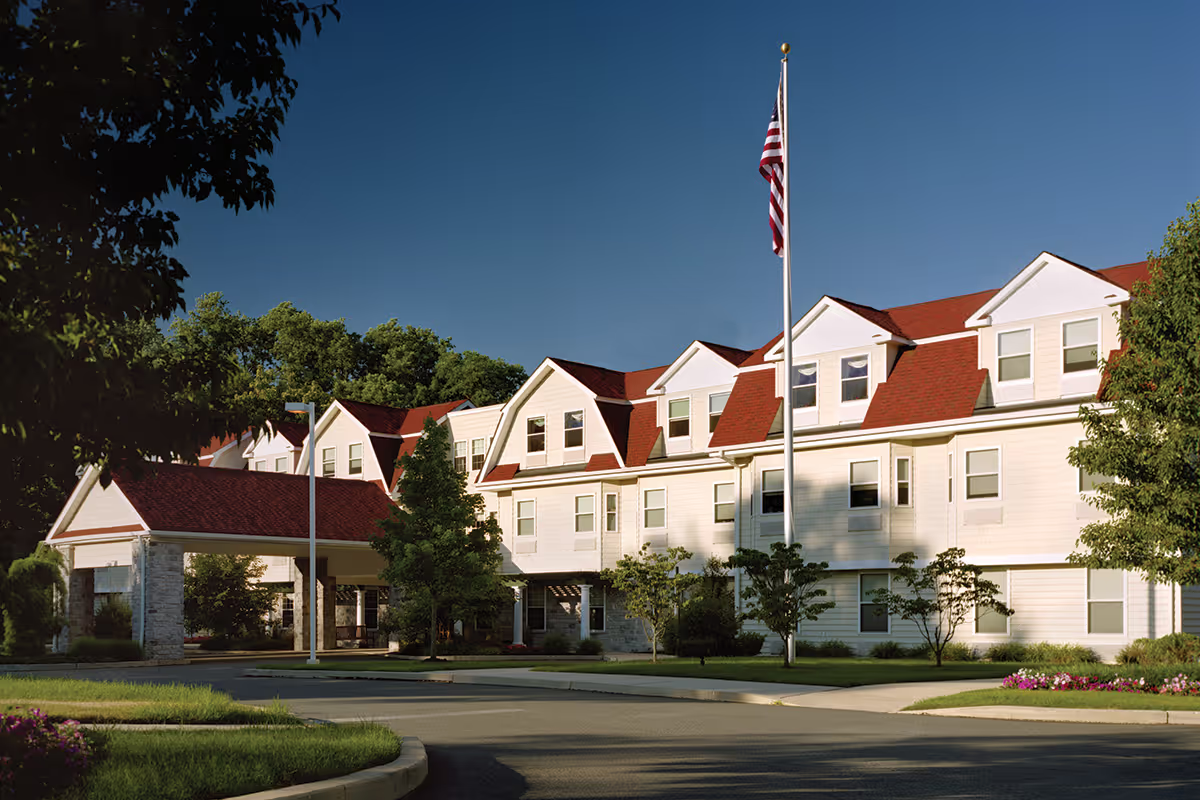
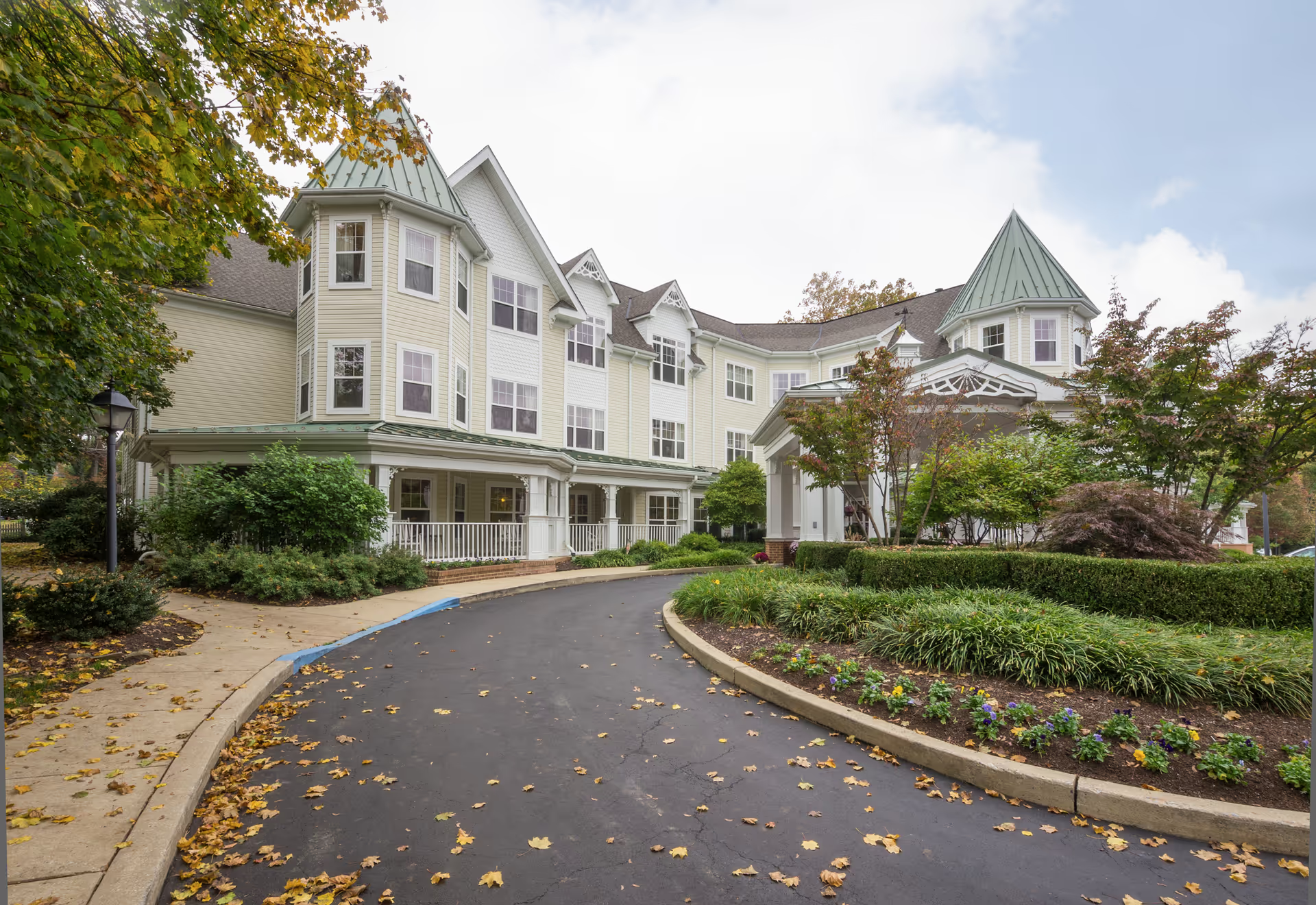
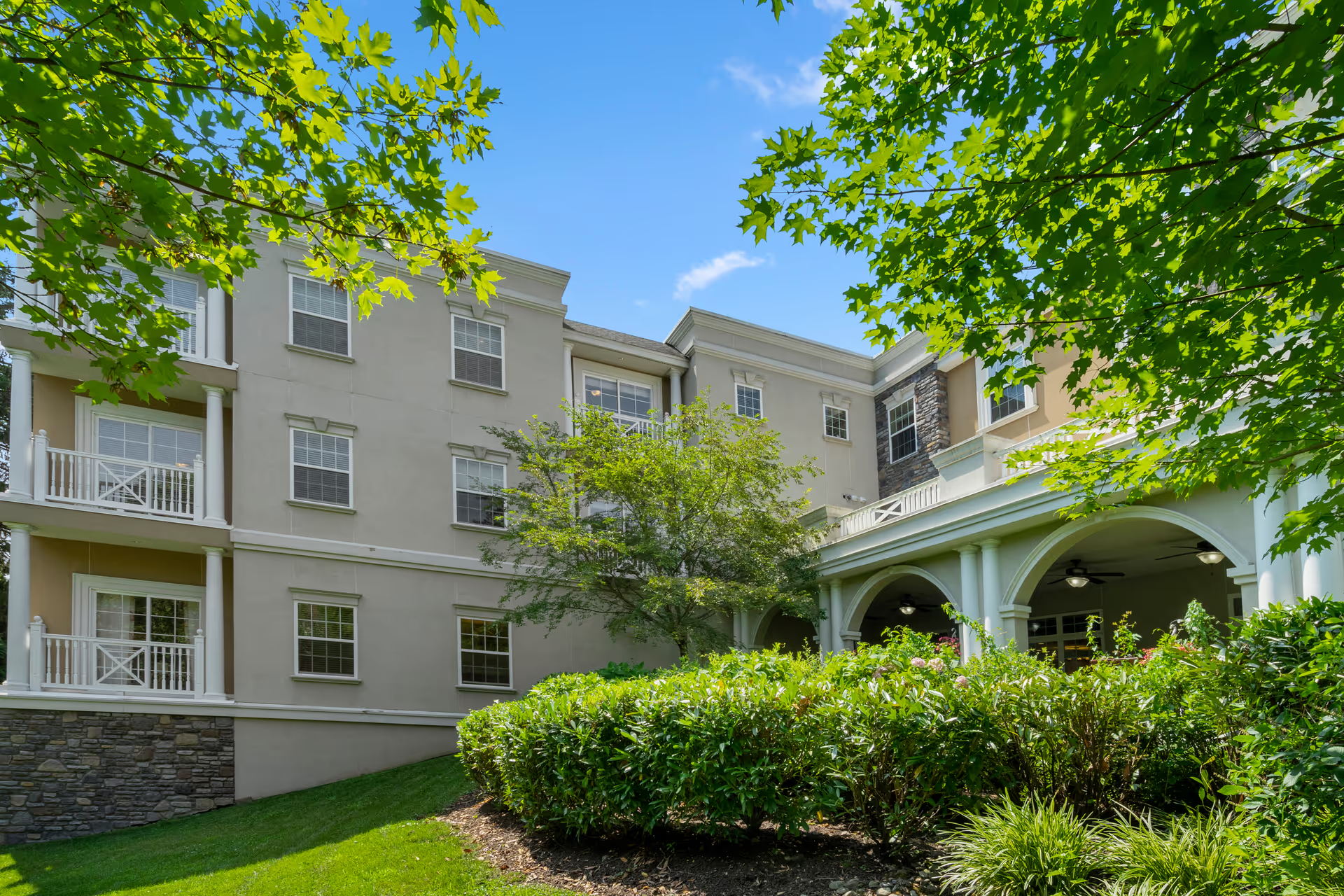
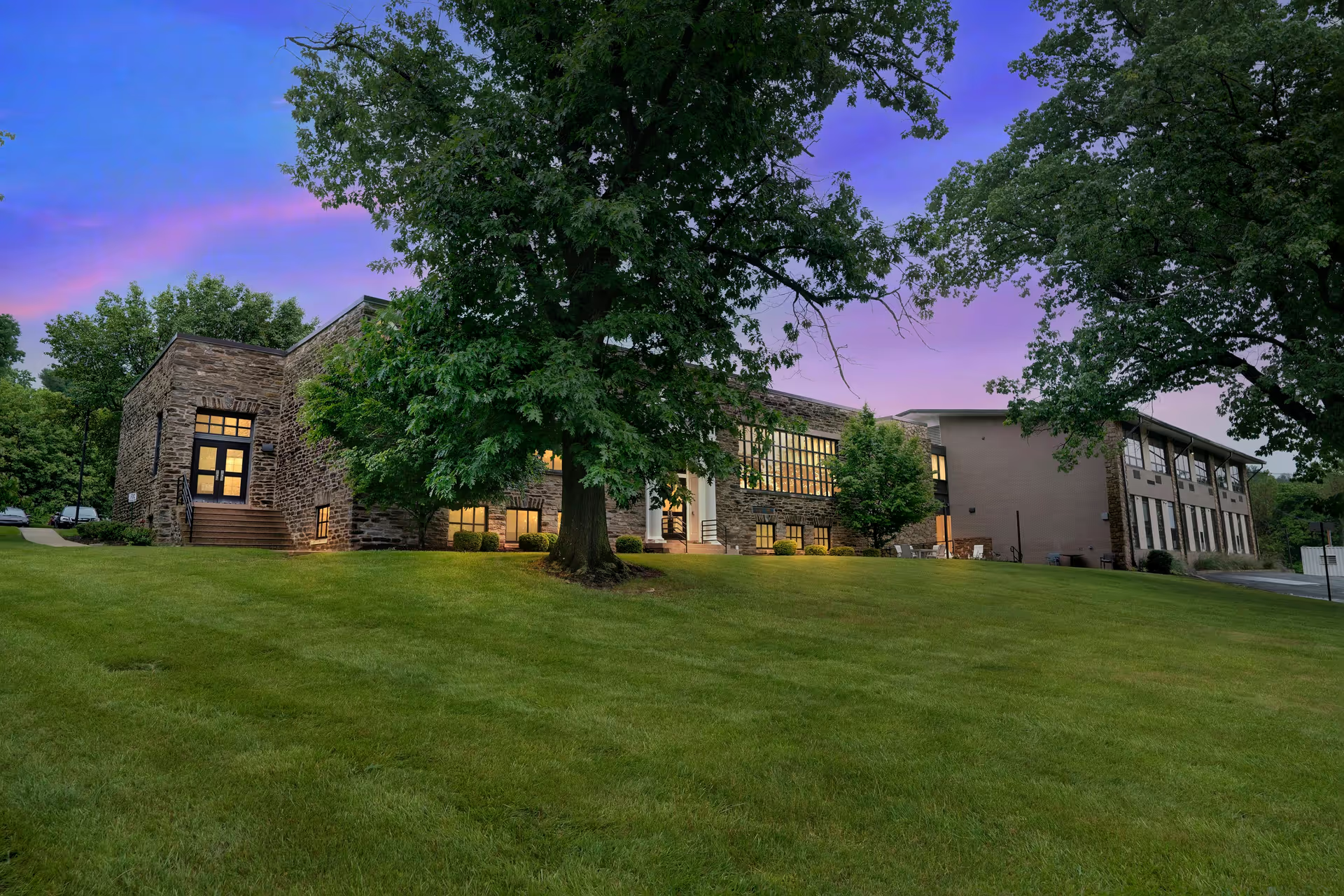
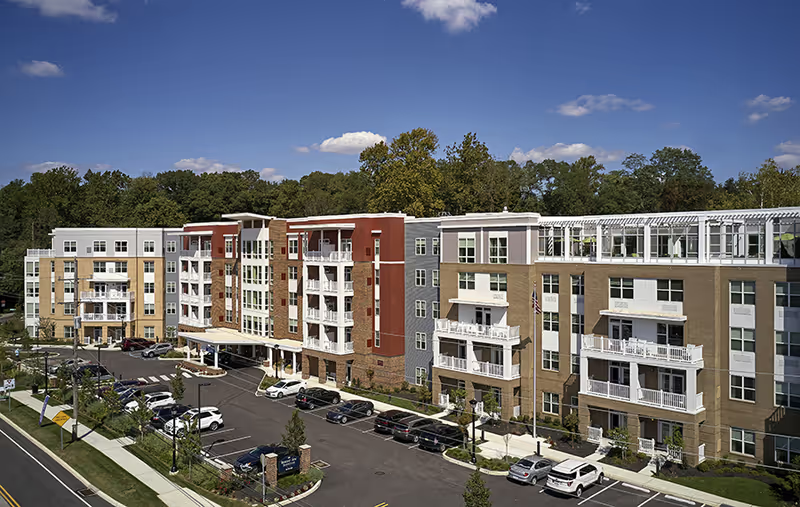
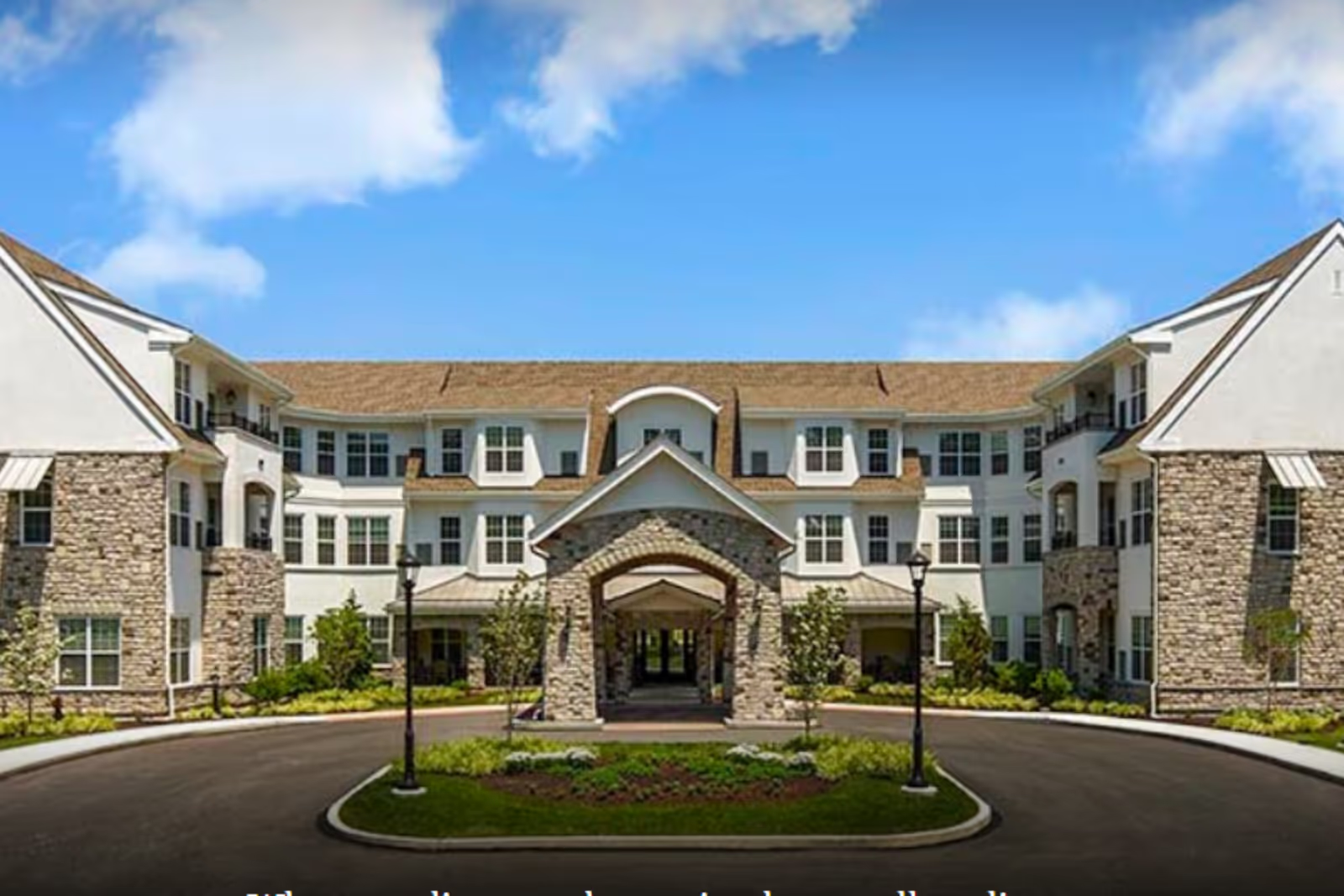
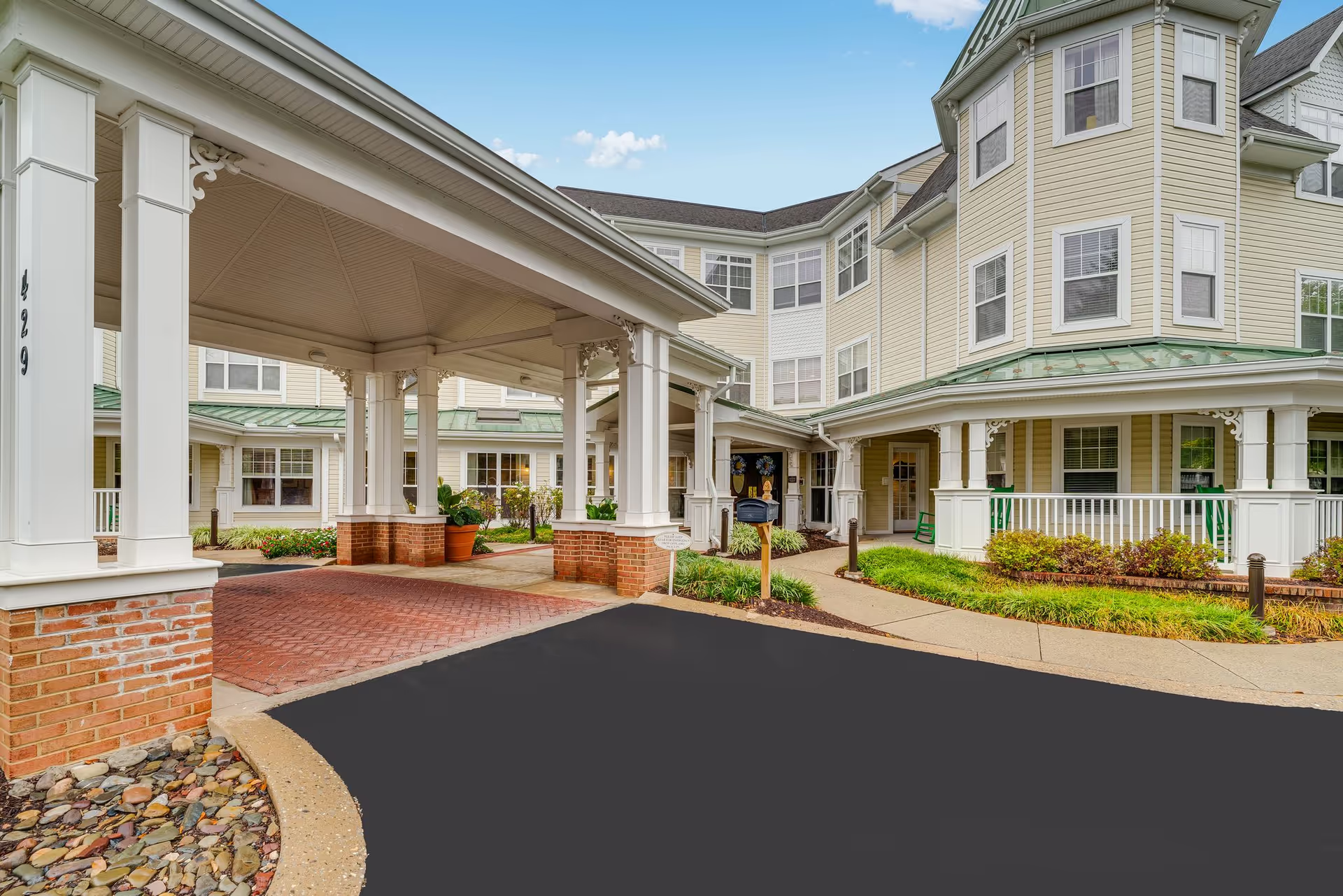
Cleanliness and facility condition elicit sharply divergent reports. Several reviewers praise immaculate rooms, well-kept sun rooms, comfortable lobbies and attractive landscaping. Conversely, a large cluster of reviews describes strong odor problems (urine smell), dirty bathrooms, soiled bedding, pests (mice, ants, flies, bugs, and reported bed-bug traps), and general maintenance issues such as broken furniture and toilets that don’t flush. These opposing views suggest significant variability over time or between units — some parts of the facility and some shifts appear well-maintained, while others are suffering from neglect.
Food and dining also receive mixed but mostly critical commentary: complaints include cold, hospital-style meals, lack of fresh fruit, juice, water and snacks, limited choices, and families bringing in meals from home. Yet other reviewers praise timely, nutritious meals tailored to preferences and credit kitchen staff for accommodating diets. The takeaway is inconsistent meal quality dependent on diet needs, staffing, or kitchen operations at particular times.
Communication and management are recurrent themes in the negative reviews. Families report slow or absent responses from administrators, social workers and doctors; withheld or delayed records; discharge/insurance authorization problems; and poor handling of complaints. Some reviews detail confrontational or unprofessional behavior from front desk staff, nurses or a new director. Conversely, a number of reviews highlight responsive administrators and social workers who address concerns and maintain clear family communication. Again, experiences appear variable and tied to specific personnel and times.
Several reviews raise alarm-level hygiene and dignity concerns: reports of feces smears left without disinfection, CNAs dumping urinals in sinks, wet or dirty sheets on the floor, and residents left in soiled conditions underscore risks to resident dignity and health. There are also reports of hostile or unprofessional staff conduct, profanity used on the floor, and even alleged thefts and billing/pharmacy problems. These are serious allegations that multiple reviewers flagged and suggest the need for oversight, stronger leadership, and consistent training and accountability.
Patterns indicate that outcomes at Bryn Mawr Village are highly staff-dependent. When experienced, engaged nurses, therapists and direct-care staff are present, families report outstanding care and rapid rehab progress. When turnover, temporary staffing or leadership lapses occur, the same facility is described as unsafe, dirty, and neglectful. Prospective residents and families should expect variability and may want to clarify current staffing levels, ask about therapy continuity (PT/OT/speech), observe cleanliness and meal service, and verify how management handles complaints and incidents. For families, being present or arranging a trusted patient advocate was a repeated recommendation in reviews describing safety worries.
In summary, Bryn Mawr Village receives both strong praise and serious criticism. Strengths include a highly regarded therapy program, many examples of devoted nursing and support staff, attractive outdoor spaces and, in many cases, clean and welcoming areas. Weaknesses cluster around staffing instability, hygiene and maintenance lapses, inconsistent dining and activity offerings, medication and communication mismanagement, and occasional unprofessional conduct. The reviews collectively suggest significant variation by unit and shift; potential residents should perform up-to-date, on-site assessments focused on current staffing, cleanliness, medication practices, therapy continuity, and responsiveness of management before making placement decisions.