The reviews for The Gardens at Camp Hill are highly mixed, exhibiting a clear split between strong person-level praise and repeated operational concerns. On the positive side, many families and residents cite compassionate, committed caregivers and visible nursing leadership, along with an active activities program and capable therapy teams that support post-acute rehabilitation. Several individual staff members and leaders — including activity and therapy personnel and the Director of Nursing — receive frequent praise for their communication, empathy, and hands-on support. The facility’s central location and availability of virtual-visit options are additional conveniences noted by families.
Care quality appears uneven. Multiple comments describe inconsistent attention to basic resident needs, including delays in assistance calls, variability in incontinent-care practices, and concerns about medication timing and pain-management continuity. There are also repeated operational issues around oxygen and other medical-supply handling. Conversely, some accounts describe good clinical outcomes and attentive nursing oversight for post-acute patients, indicating pockets of reliable clinical practice alongside areas of risk.
Staffing and conduct show a broad range of experiences. Reviewers highlight both devoted, engaged staff and difficulties with aide performance and agency staffing. The variability centers on training, responsiveness, and communication tone; families report that CNA competency and teamwork can differ markedly across shifts. Leadership and frontline staff are praised in many accounts, yet persistent comments about understaffing and reliance on temporary personnel suggest staffing stability is an ongoing challenge.
Dining and nutrition emerge as recurring operational weaknesses. Several reviewers identify a lack of consistent accommodations for diabetes and potassium-restricted diets and limited special-diet options. Meal quality is described as inconsistent — some respondents found meals acceptable, while others noted cold food and menu choices that do not meet therapeutic requirements.
Activities are a relative strength. The facility’s activities staff receive positive feedback for events, crafts, and social programming that support resident engagement. Families value the social opportunities and report meaningful programming such as seasonal events and regular group activities.
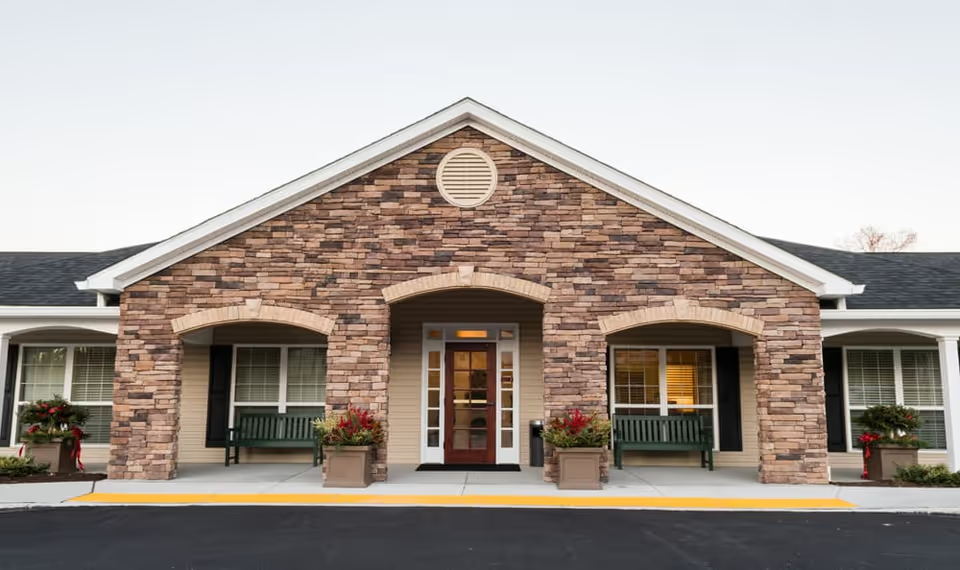
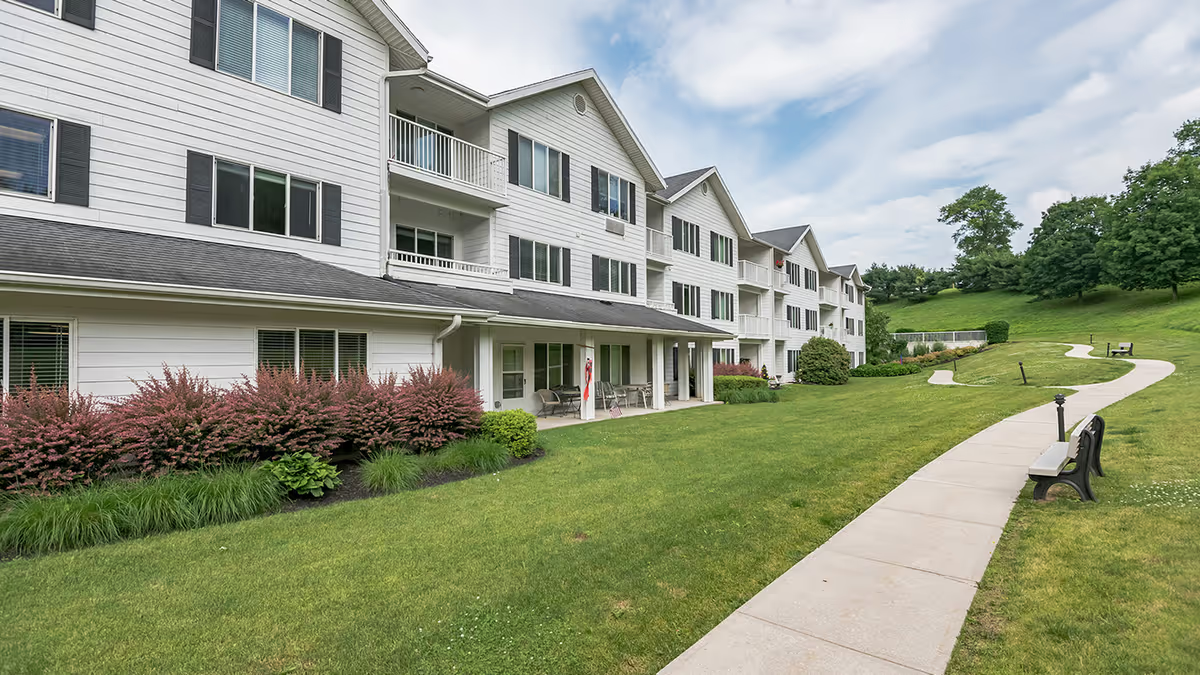
Facility condition and maintenance are areas of concern. The building is described as dated with ongoing maintenance needs, including water damage in rooms, dark shared rooms, and general cleanliness variability. Multiple reviewers raised sanitation and odor concerns in resident areas and bathrooms, along with inconsistent housekeeping and laundry services. Therapy spaces and equipment are also reported as under-resourced, limiting rehabilitation capacity for some residents.
Management and governance show mixed signals. There are examples of responsive managers who collaborate with families and address issues quickly, but there are also reports of communication lapses, discharge-notification failures, and problems with incident follow-up. The presence of regulatory citations and involvement by health authorities in some instances underscores the need for prospective families to review current compliance records.
Notable patterns: the strongest, most consistent positives are person-level — individual staff, therapists, and activity leaders who provide compassionate care and engagement. The most significant systemic weaknesses are operational: inconsistent sanitation and incontinence care, call-response delays, staffing instability, diet-management gaps, and facility maintenance shortfalls. Prospective families should consider an in-person tour, meet the Director of Nursing and key therapy and activities staff, review recent survey and citation history, inquire about staffing ratios and agency usage, examine dietary and medication-management protocols, and ask for documentation of infection-control, property-tracking, and incident-notification procedures before making a placement decision.