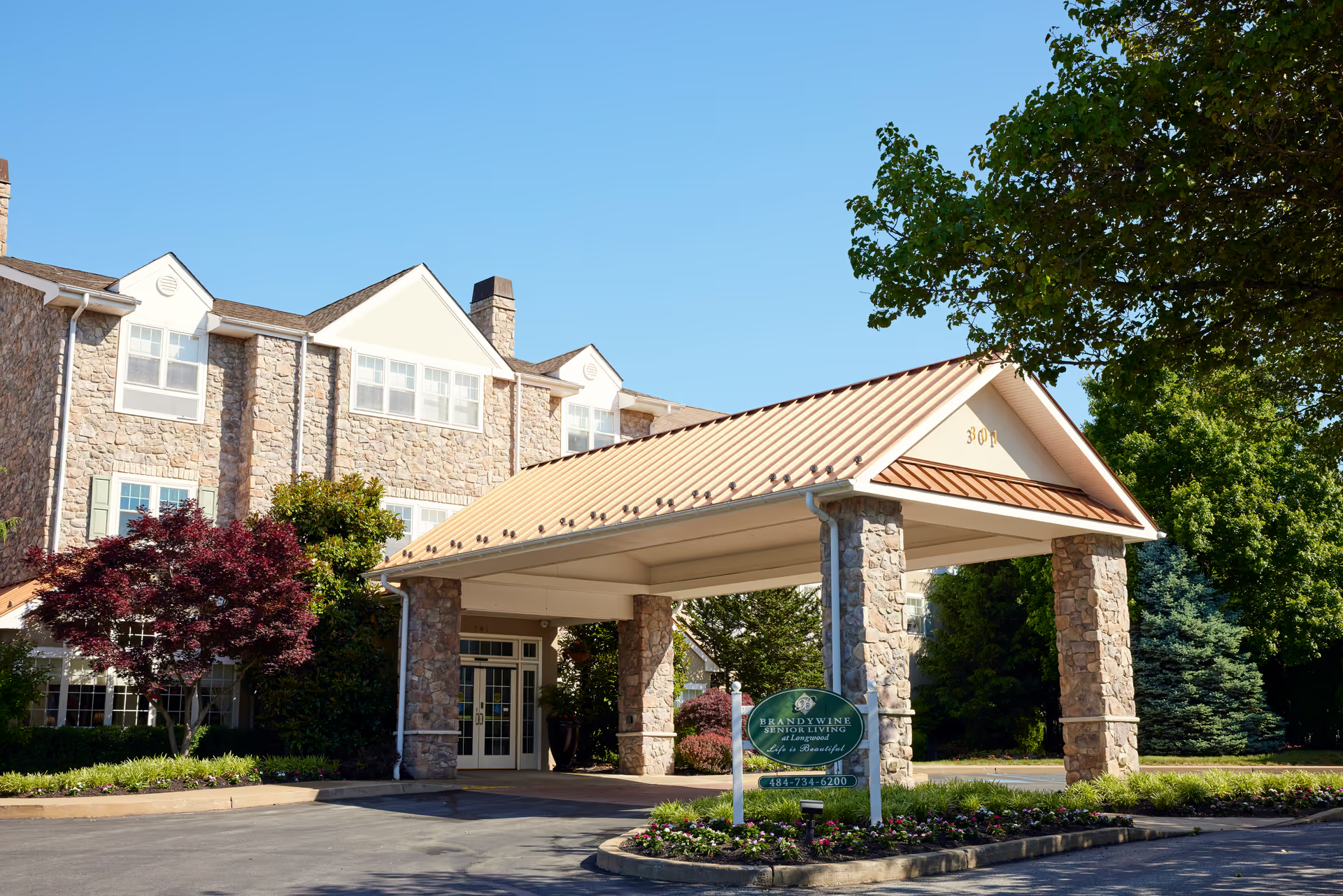
Harrison House Chester County presents as a well-maintained, family-oriented senior community with a mix of recent renovations and legacy building characteristics. Reviewers consistently praise the caregiving staff for compassion, attentiveness, and name recognition, and the community offers around-the-clock nursing coverage and on-site medication technicians. Many families describe low staff turnover and long-tenured employees, which contributes to continuity of care. The facility provides hospice and end-of-life services and a range of clinical supports including on-site physical and occupational therapy, making it appropriate for residents needing varying degrees of assistance short of specialized memory-care programs.
Care and staffing are frequent strengths in the feedback: nursing and aide teams are characterized as caring and communicative, tours are often led by knowledgeable staff, and families note good communication about residents’ needs. That said, reviews indicate an operational limitation in handling higher-acuity needs. The community does not offer a dedicated memory-care unit and several comments imply the staffing model and clinical capacity are not optimized for advanced dependency or intensive fall-response scenarios. Prospective residents who anticipate progressive clinical needs should evaluate the facility’s capacity and transfer protocols carefully.
Dining and activities are prominent positive features. The facility operates multiple dining areas with a chef-driven menu and flexible meal options; reviewers mention restaurant-style dining, varied menus, and optional meals. Activity programming is broad and active — live music, bands, exercise classes, crafts, religious services, and regular outings are repeatedly noted. There are on-site social spaces including libraries, hobby rooms, a fitness area, beauty services, and frequent family-oriented events, which support a lively communal atmosphere. Some comments highlight variability in meal temperature or occasional food-quality inconsistencies, so families may wish to sample meals and ask about kitchen quality-control practices.
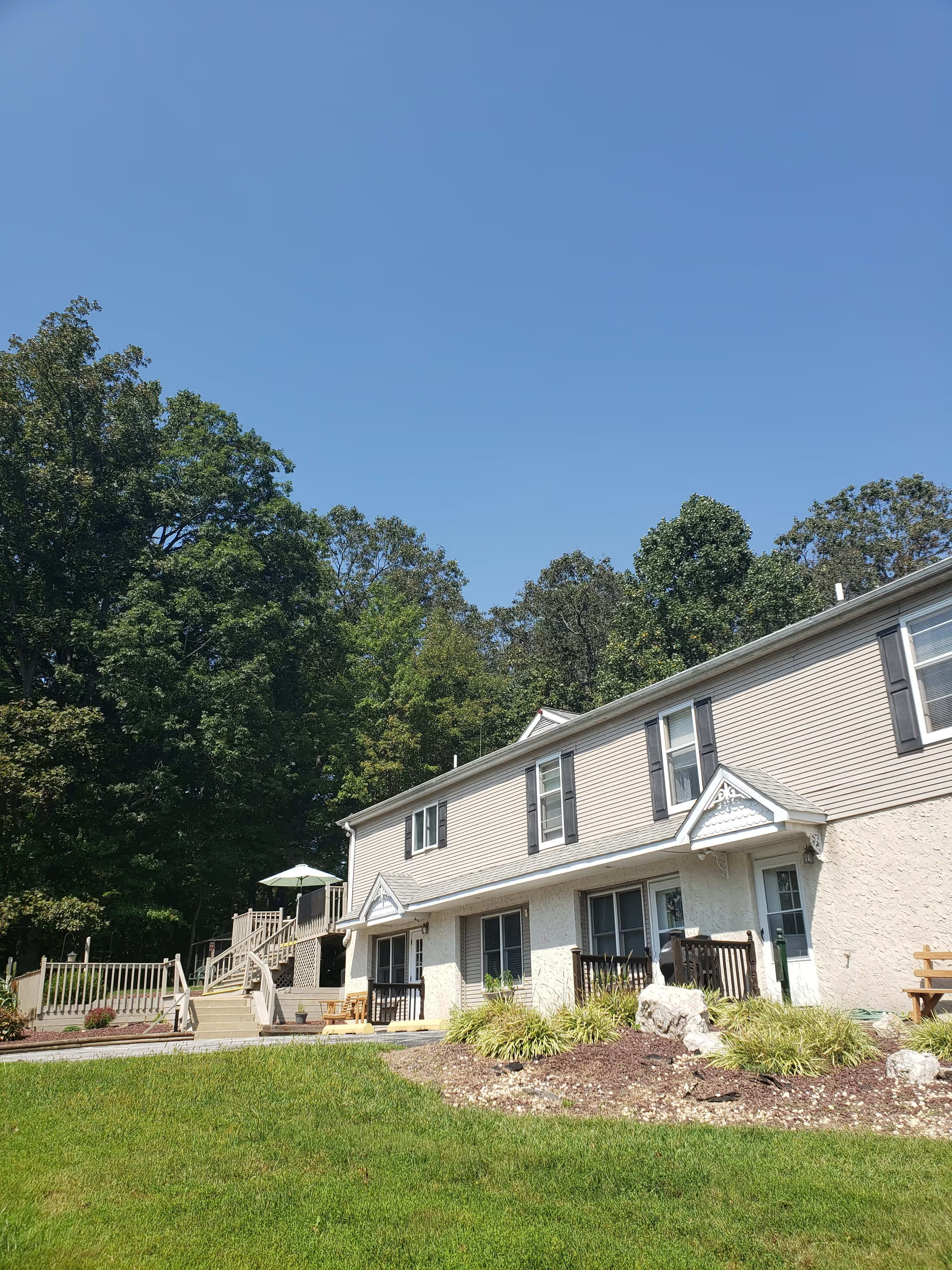
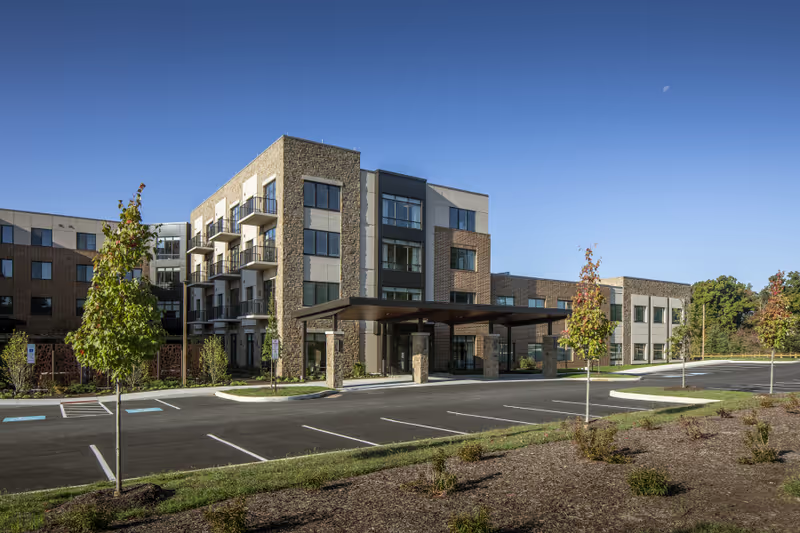
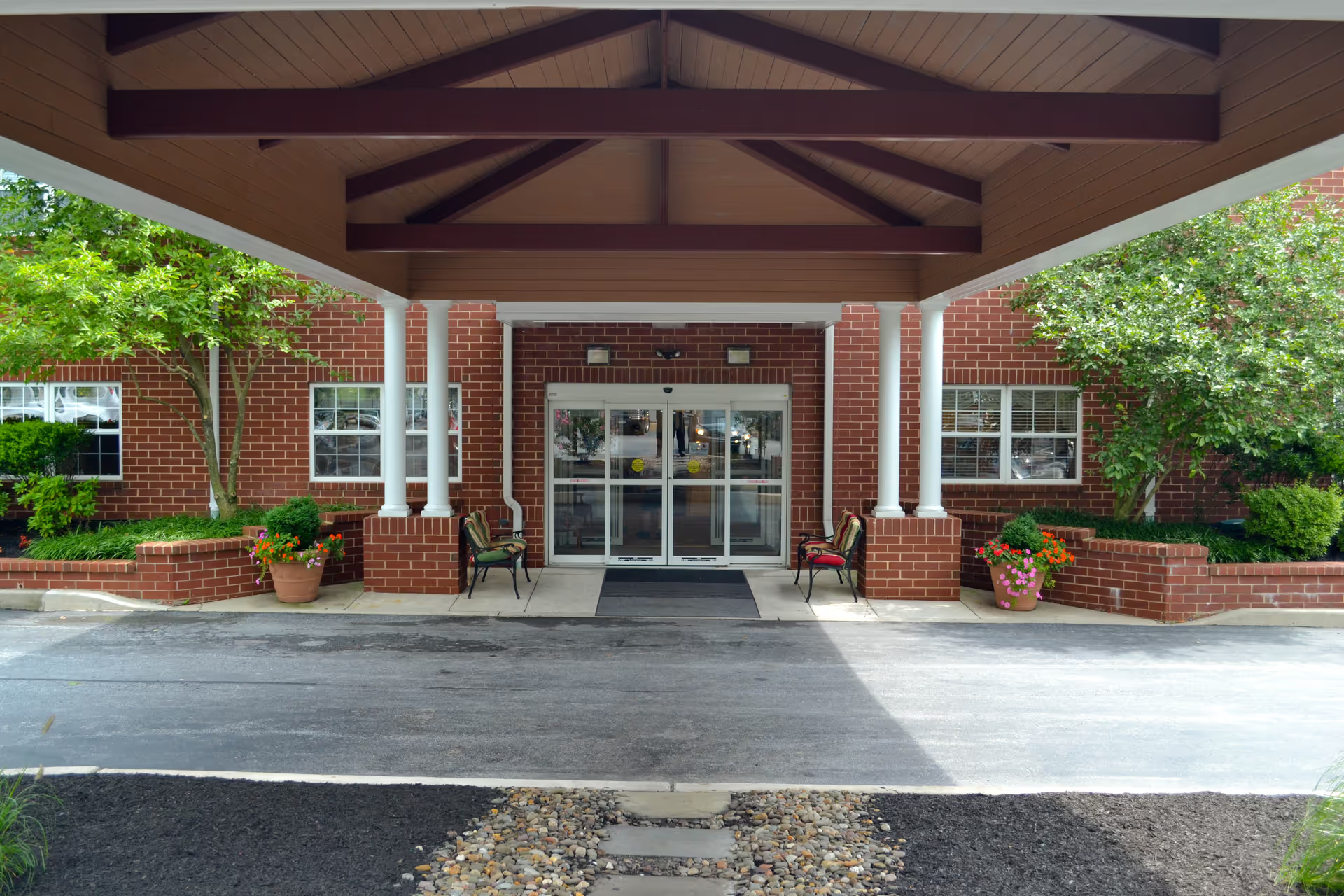
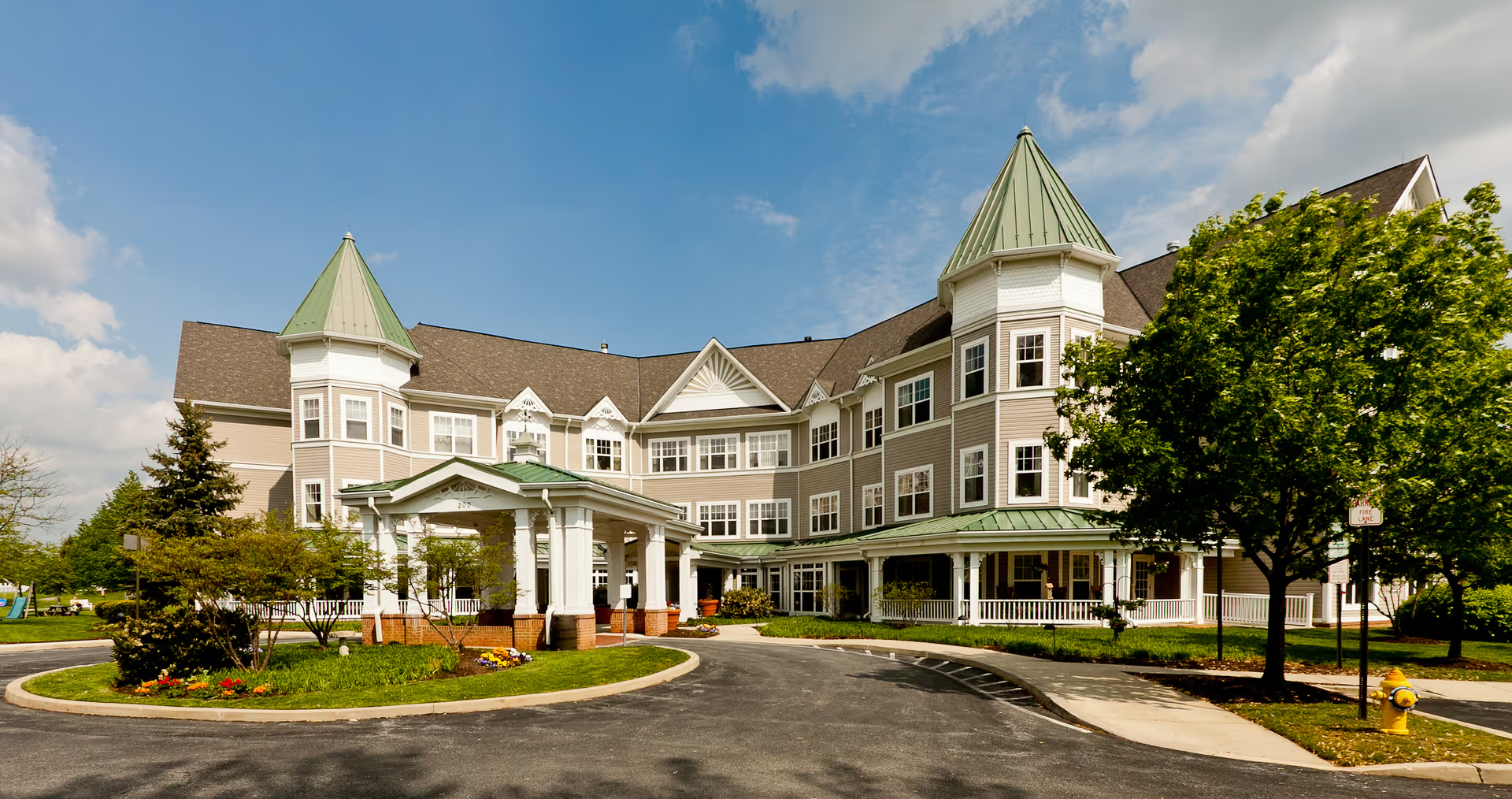
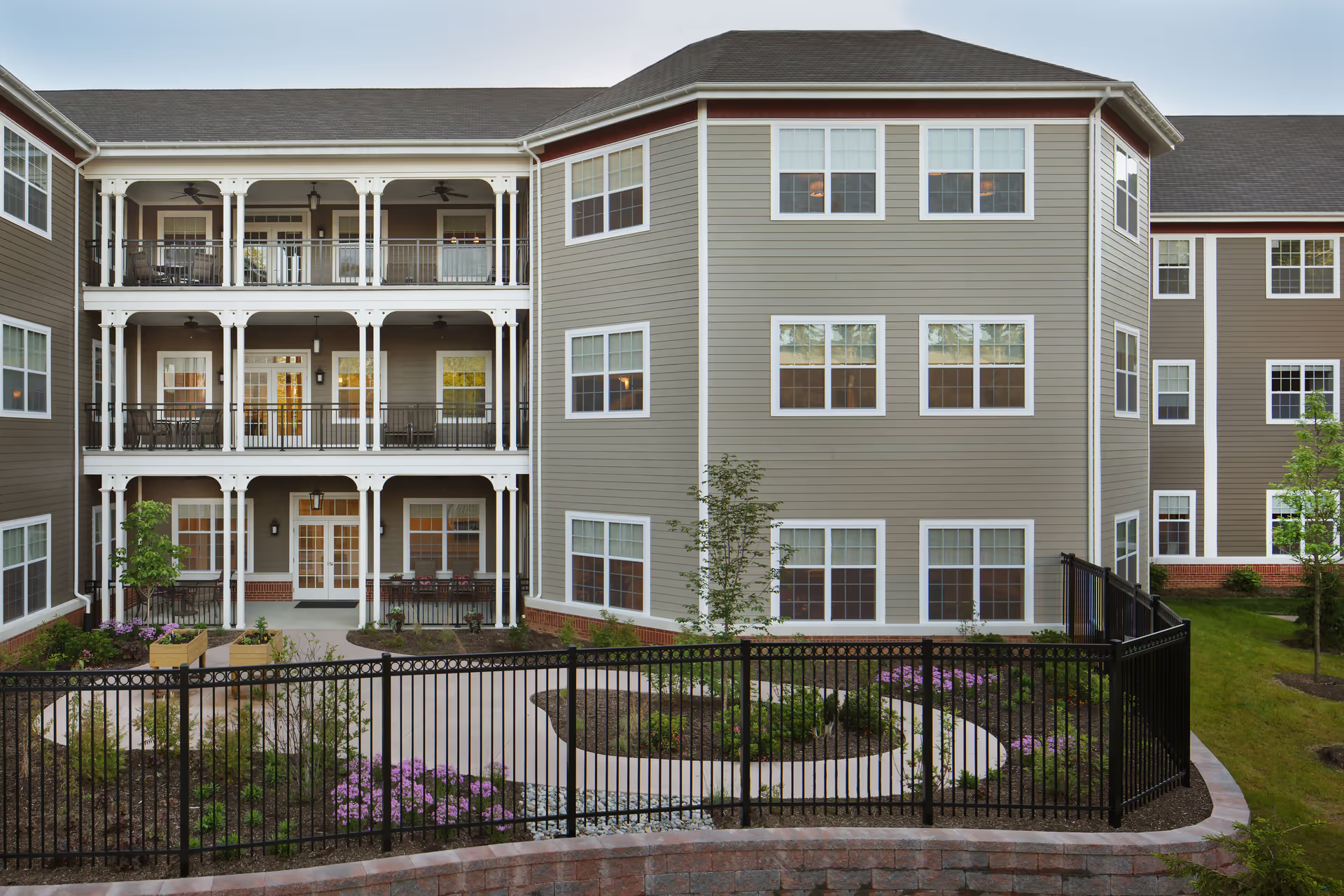
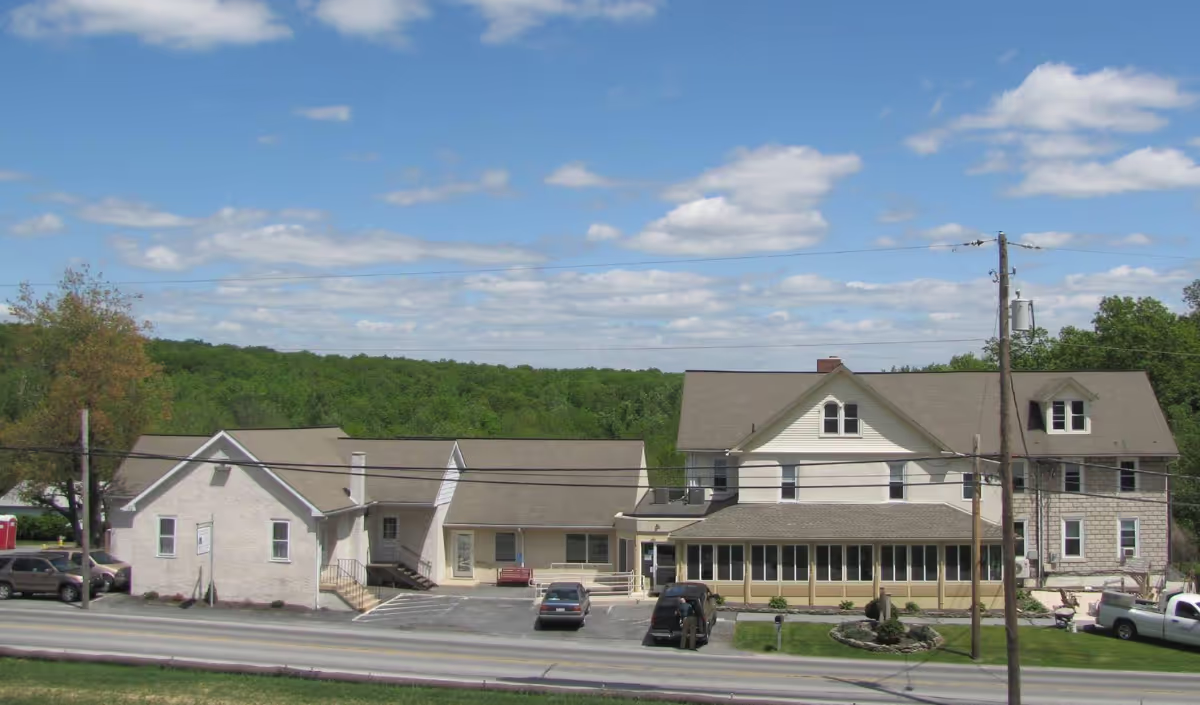
Facilities are a mix of attractive renovations and constraints imposed by the building’s former-hospital layout. Many apartments and common areas have been updated and are described as clean and nicely decorated; there are spacious one-bedroom units as well as smaller studios. The building’s wide corridors and multiple elevators improve accessibility, but the irregular floorplan — columns, HVAC placements, and atypical unit footprints — can limit personalization, storage, and wayfinding. Outdoor amenities exist (gardens, patios, shuffleboard and outdoor activities), but the accessible outdoor footprint is limited and the surrounding neighborhood includes industrial elements that some find less desirable.
Management and operational patterns suggest a community in demand (a waiting list is commonly referenced) with strengths in resident-focused service and hospitality orientation. However, reviewers also raised facility-level concerns that warrant investigation during a visit: pest-control and sanitation inconsistencies were mentioned for kitchen, laundry, and certain resident areas; occasional service inconsistencies (meal temperature, smaller dining/lobby space in places) were noted; and the community’s capacity for advanced memory or high-dependency clinical care is limited. Prospective residents and families should tour multiple unit types, observe dining and activities in-person, ask about pest-control and sanitation protocols, clarify clinical staffing ratios and transfer policies for escalating care needs, and confirm availability and wait-list timing before making a placement decision.