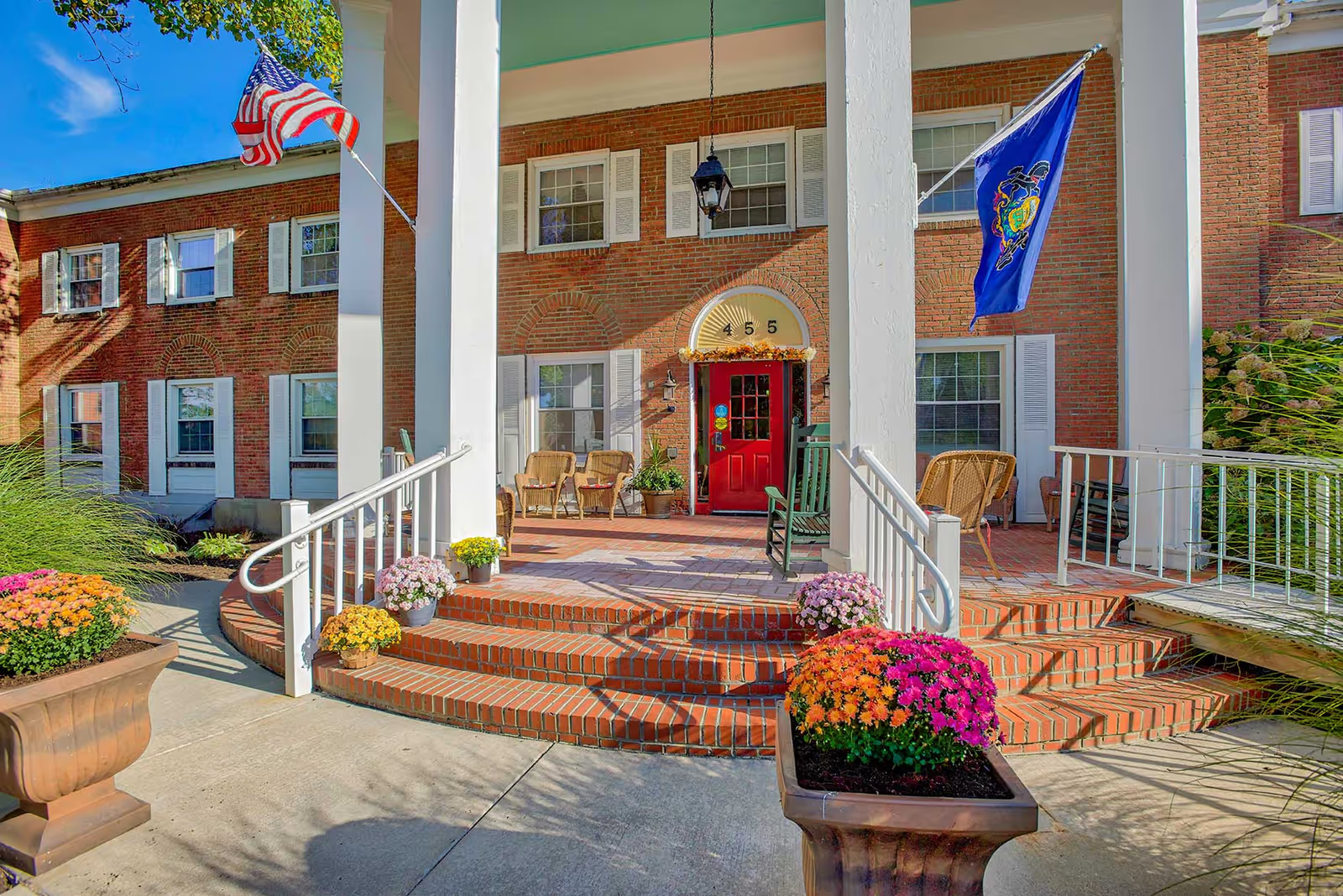
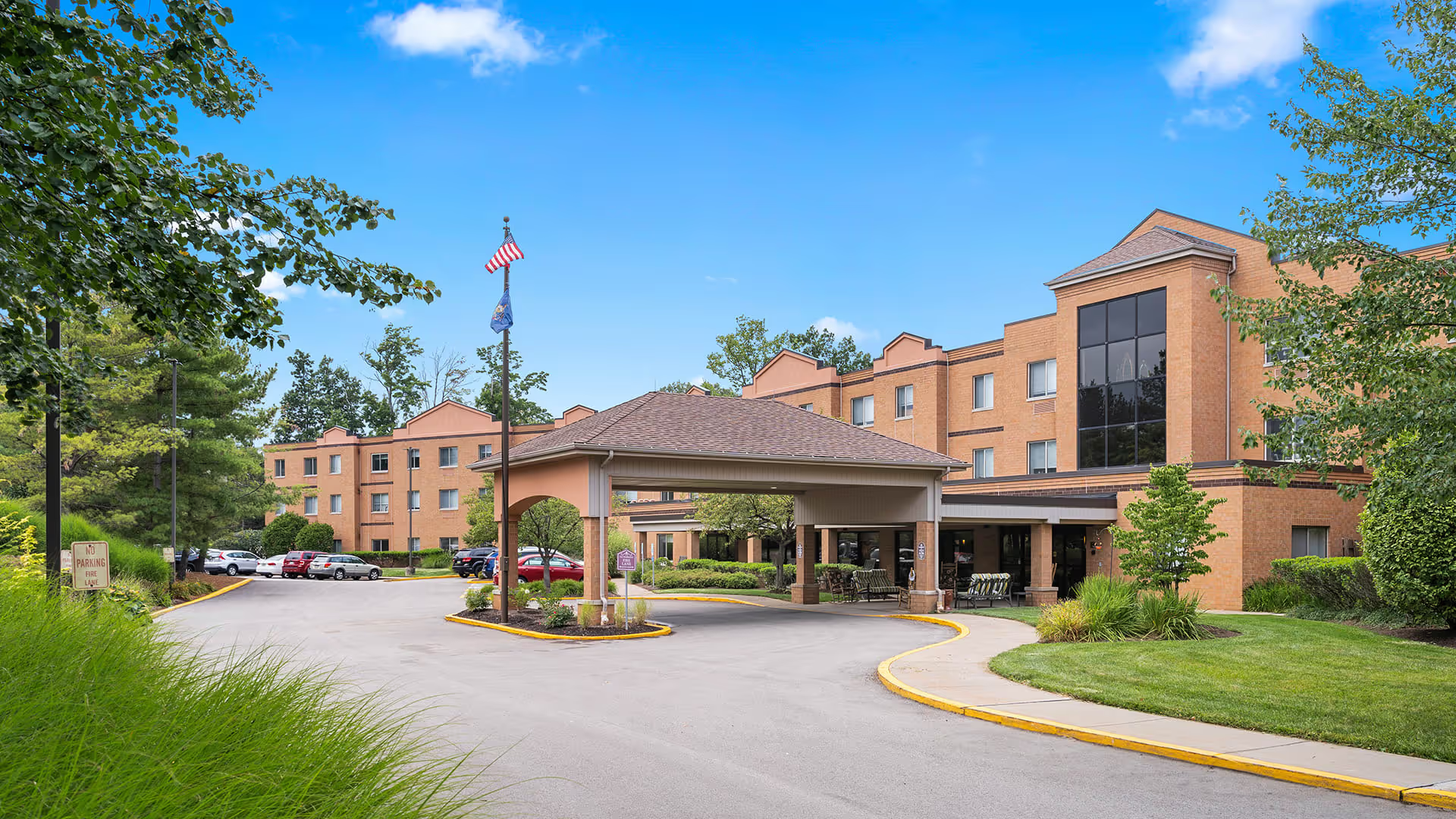
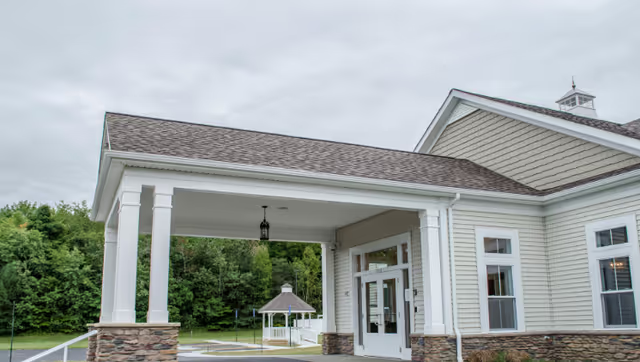
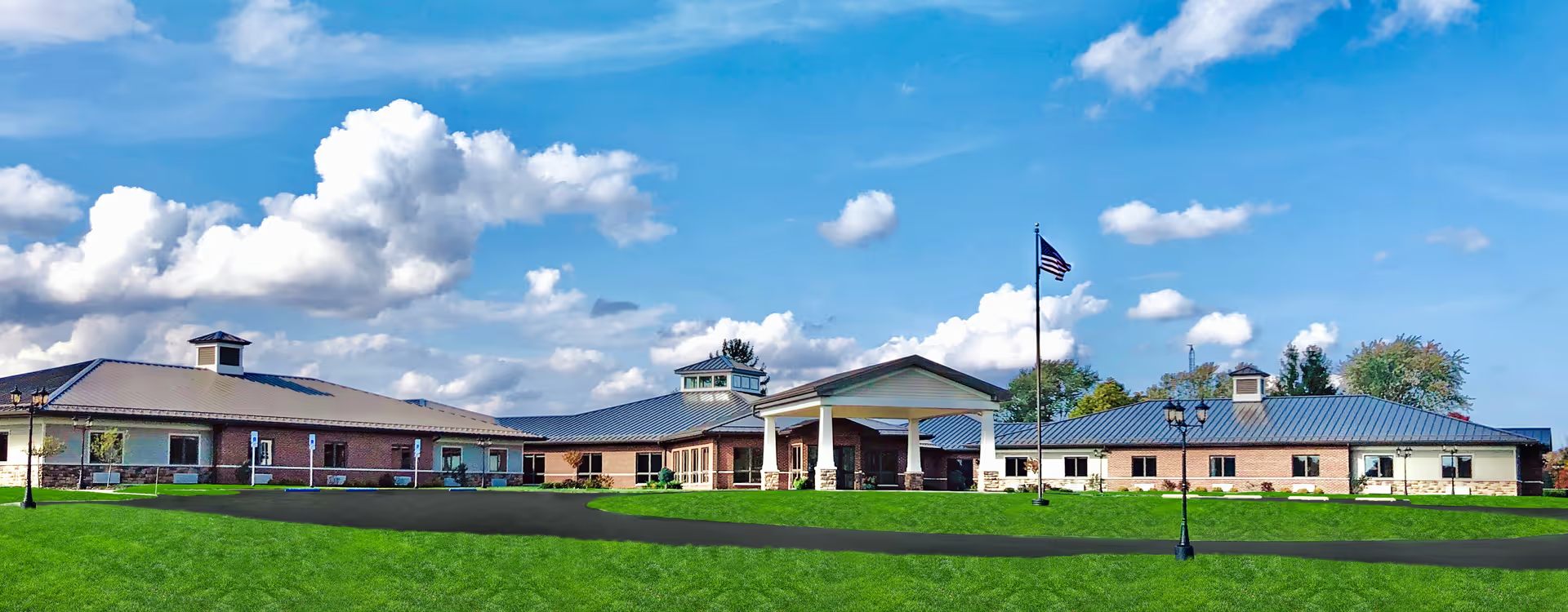
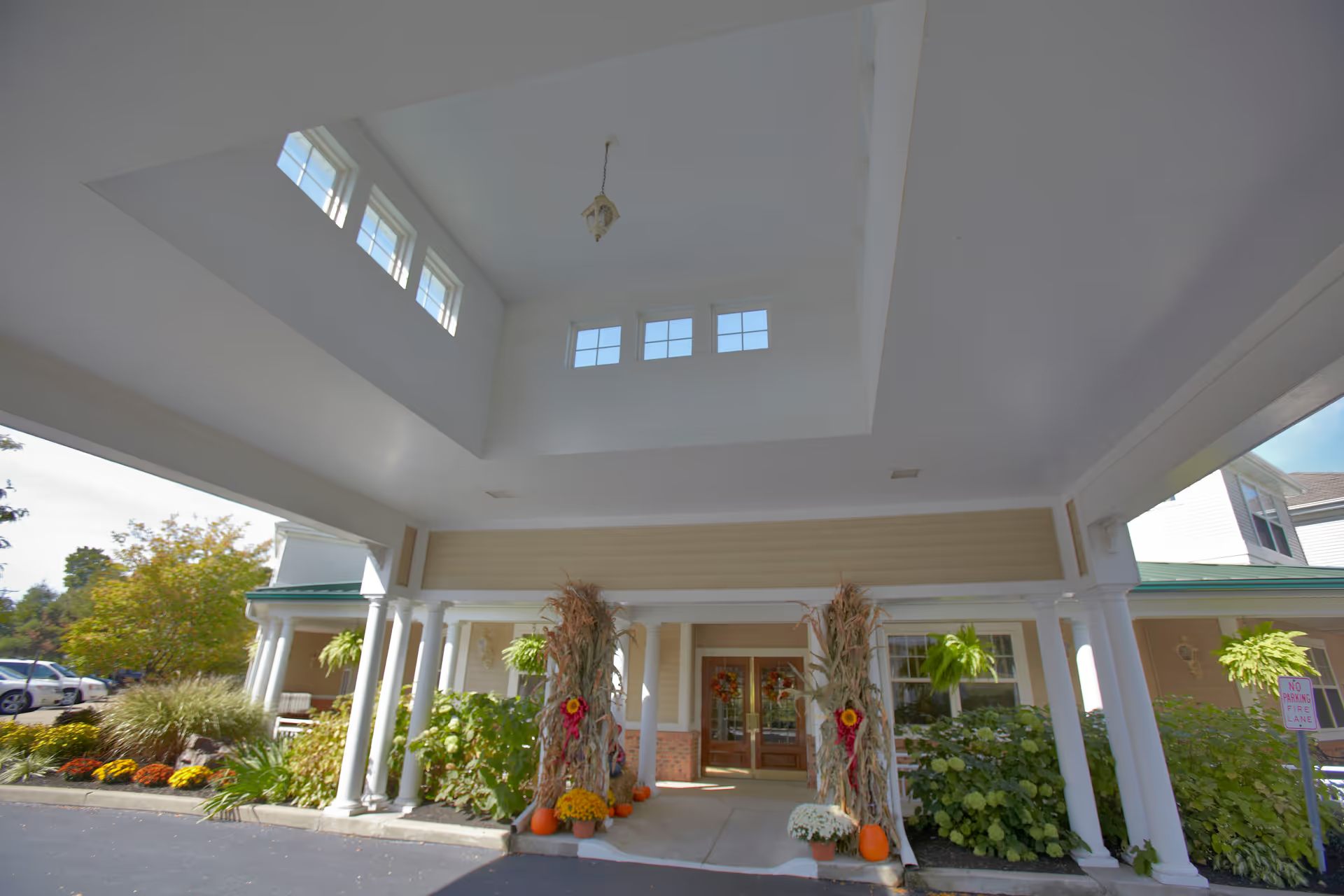
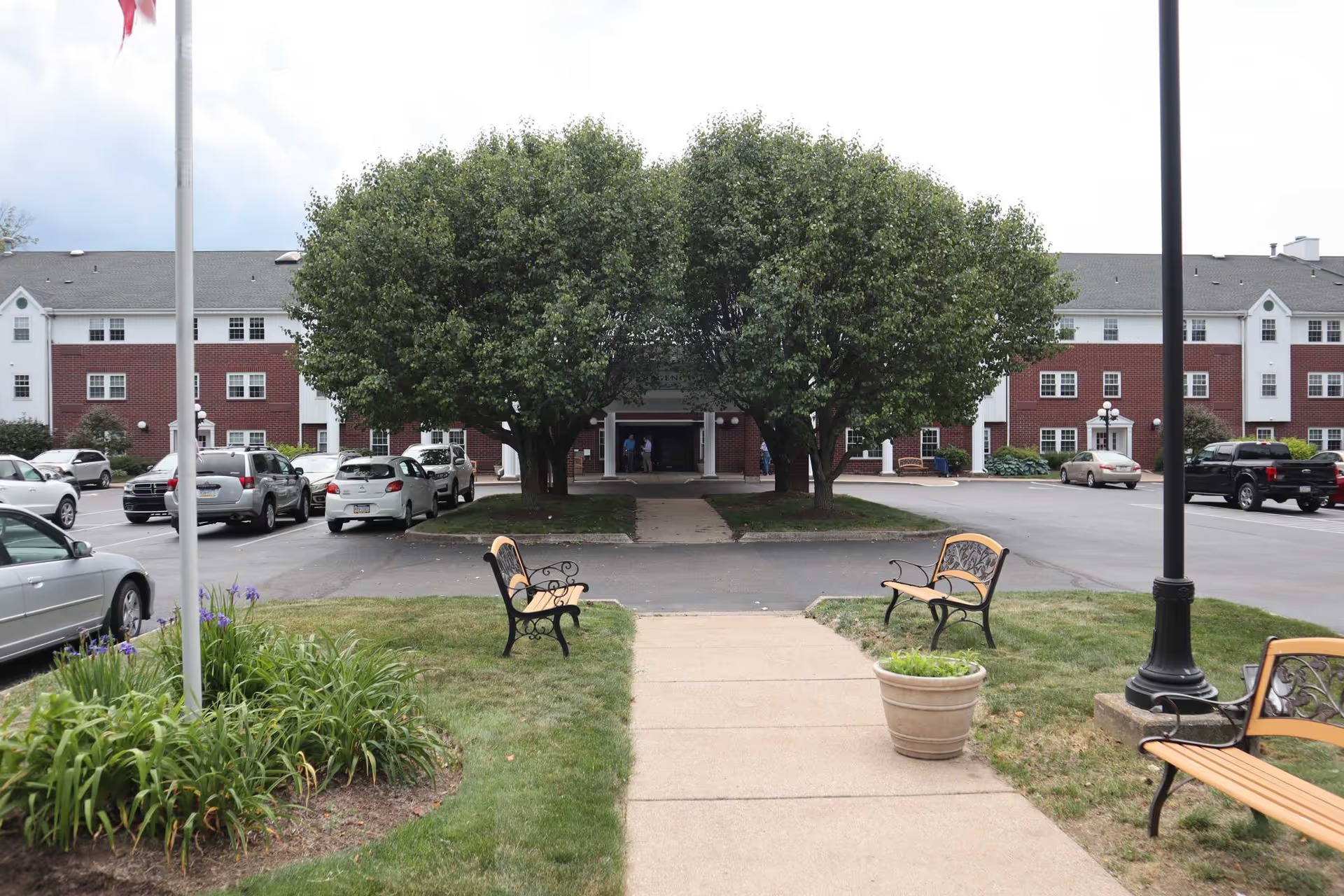
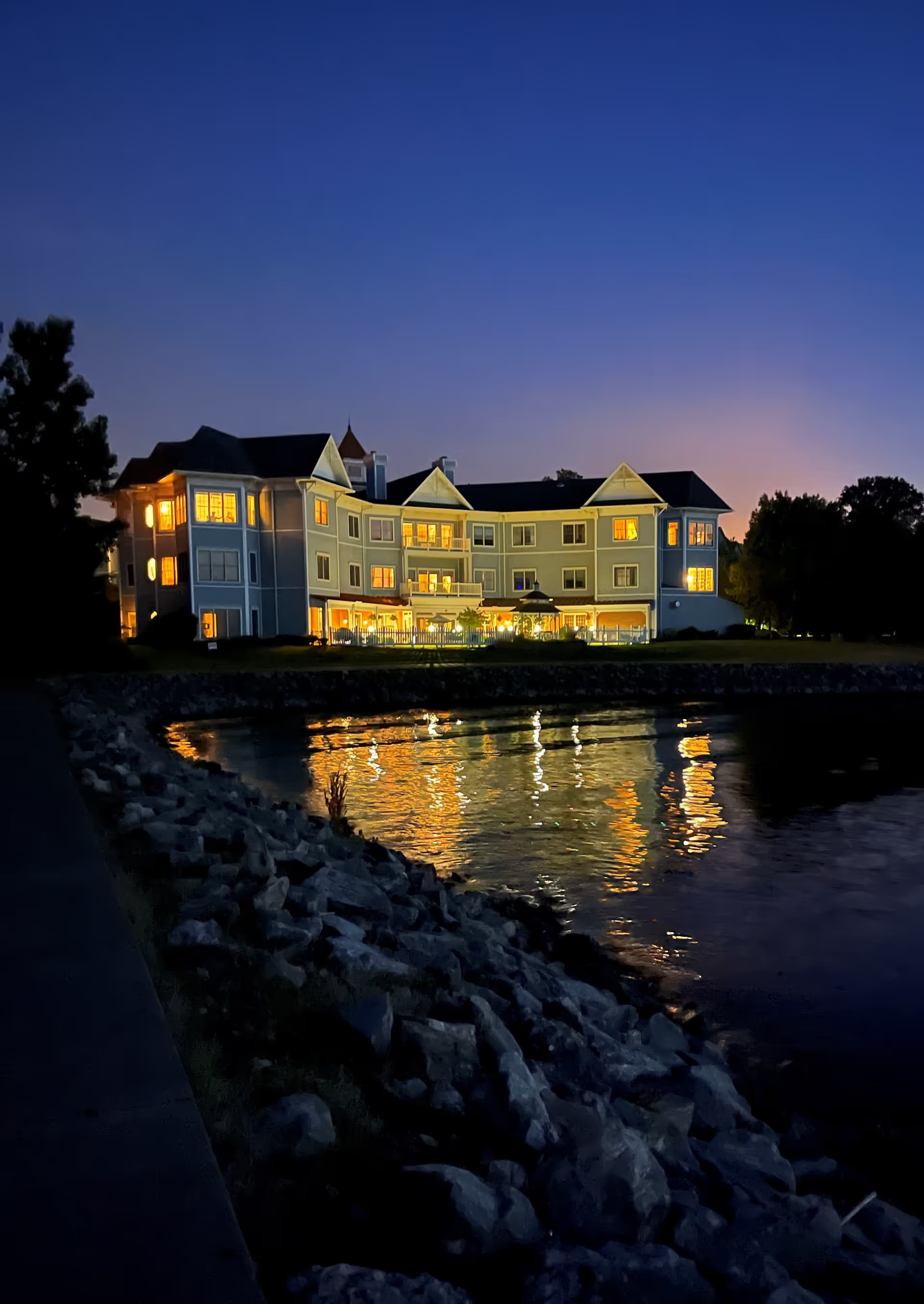
Rolling Fields Eldercare Community presents a mix of clear strengths and recurring operational concerns. Review content consistently highlights an attractive, country-like campus with well-maintained grounds, a favorable layout and courtyard access that families and residents appreciate. The facility is described as small and community-oriented, with an upbeat communal energy and pet-friendly policies that support animals such as cats, dogs and birds. Rehabilitation services—physical and occupational therapy—are repeatedly described as strong and responsive, and many accounts praise nursing clinical oversight and personalized care when it is provided.
Care quality is mixed by service area. Therapy and certain nursing functions are described positively, but long-term personal care appears variable. Several accounts point to inconsistent caregiver behavior and training, with specific concerns about how frontline aides interact with residents and how daily-care tasks are performed. Understaffing is a recurring theme that reviewers link to lapses in supervision and to darker common areas and early lights-off schedules. These staffing and supervision issues correspond with broader concerns about continuity of care in the long-term units compared with the rehabilitation/therapy side.
Dining and daily living support present particular operational gaps. Reviewers note that menu items and meal textures are not consistently adapted for residents with dental needs or condition-specific diets (for example, gout-related restrictions). There are also observations about variability in bathing schedules and laundry handling practices that suggest inconsistent personal-care routines. Families also described delays or confusion in medication administration and challenges coordinating with hospice providers, indicating gaps in clinical handoffs and medication-management processes.
Management and administrative processes show mixed performance. Positive interpersonal experiences with nurses and some staff are balanced by repeated billing problems, unresponsive billing-office interactions, and questions about administrative transparency. A subset of accounts raised concerns about financial or operational stability—including rumors related to closure and utility-liability matters—which have contributed to family unease. Communication is another area of concern: reviewers indicate that facility communication to families during clinical or infection-control events has been insufficient at times.
Taken together, the pattern is one of a facility with strong physical surroundings and rehabilitation offerings but with operational inconsistencies that affect daily living, supervision, and administrative reliability. Prospective residents and their families should consider on-site observation of staff–resident interactions, ask for current staffing ratios and recent staffing changes, review medication and hospice coordination protocols, request sample menus and accommodations for texture/dietary needs, and seek clarity on billing procedures and any recent regulatory or financial actions. These focused inquiries can help determine whether the facility’s strengths align with a prospective resident’s care priorities and whether management has addressed the operational concerns noted in these reviews.