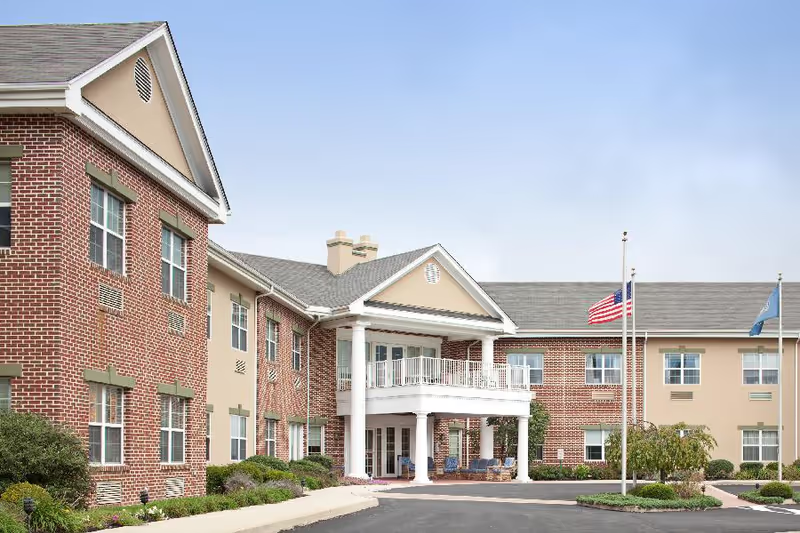
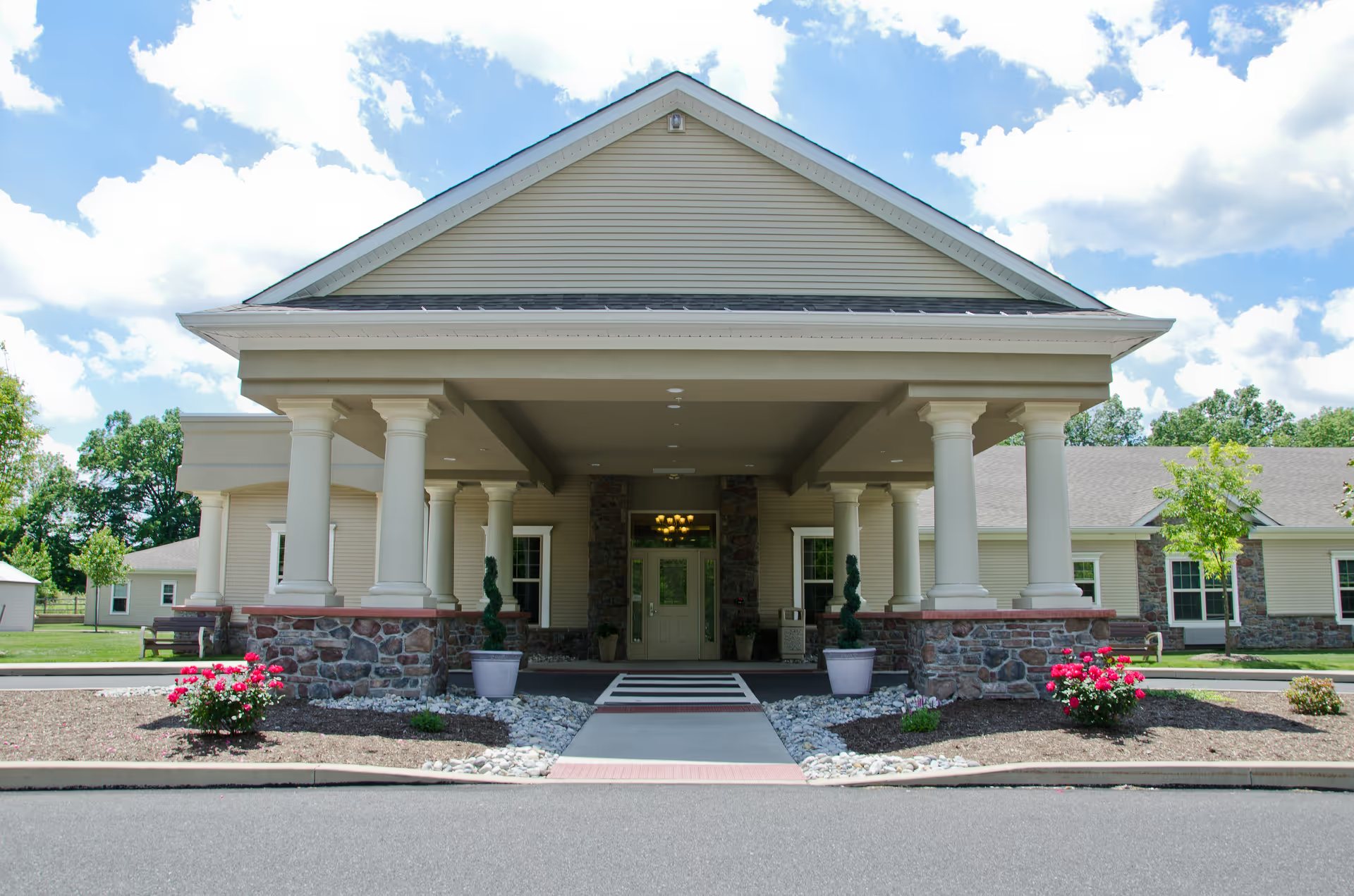
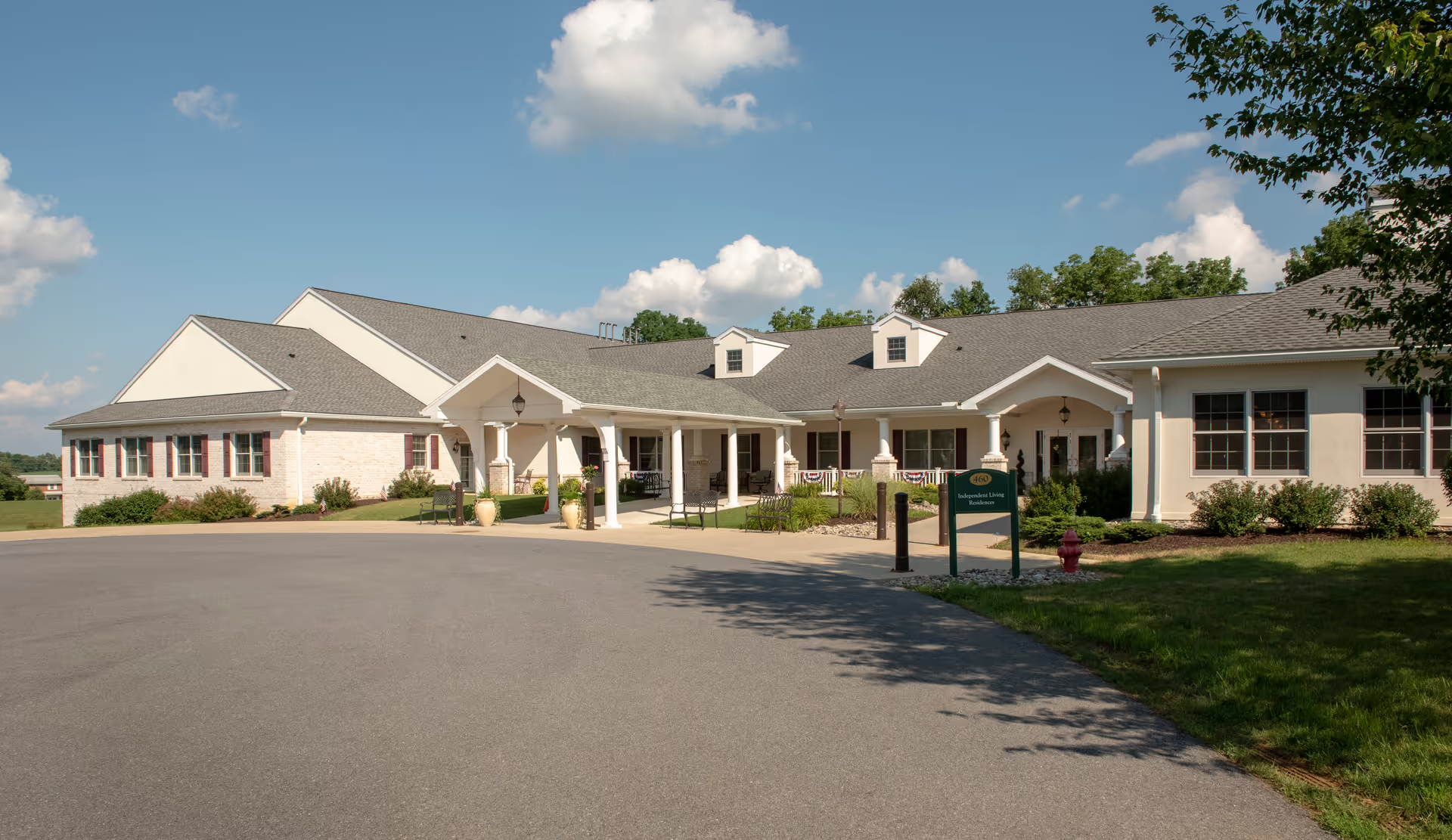
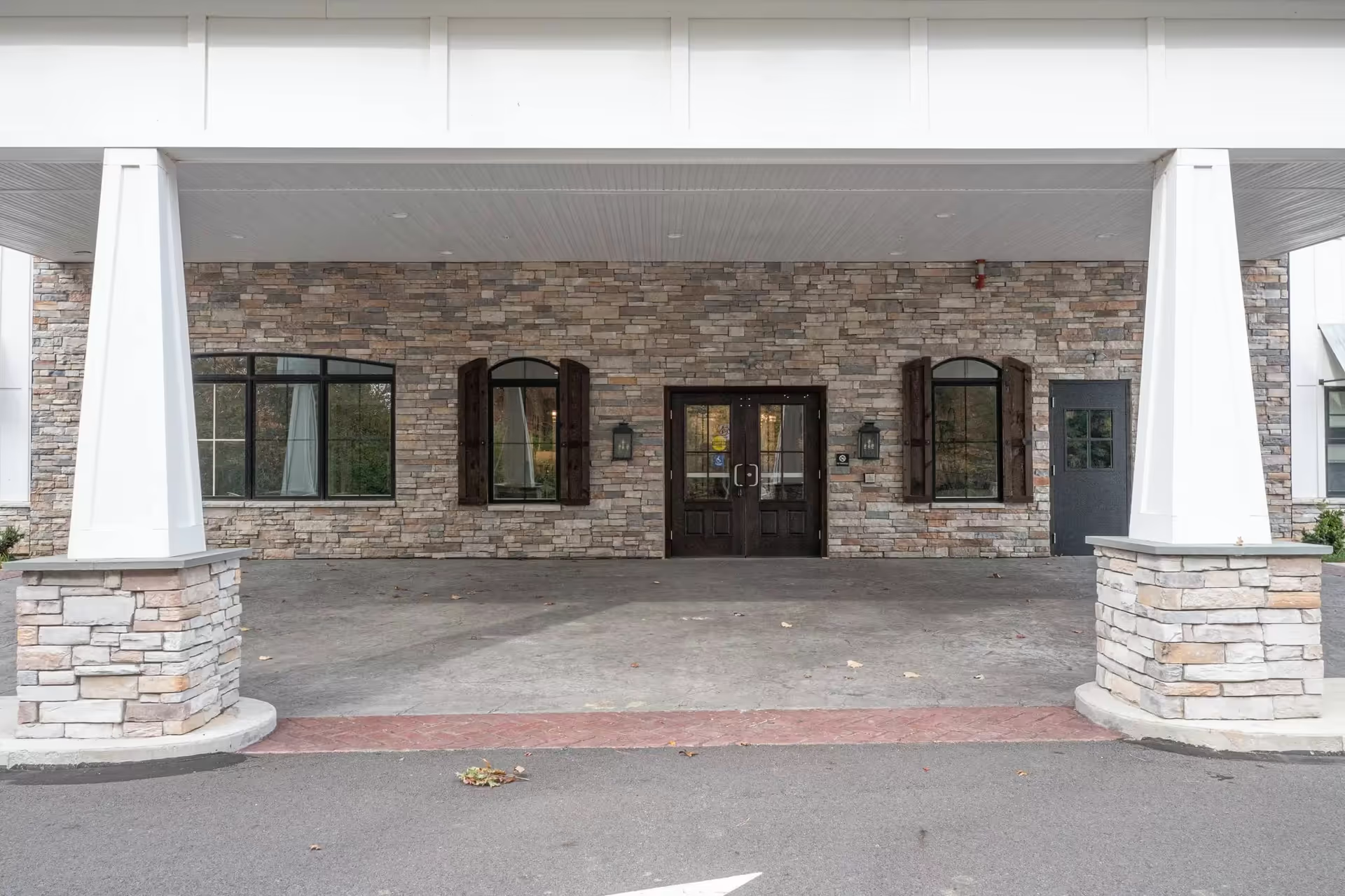
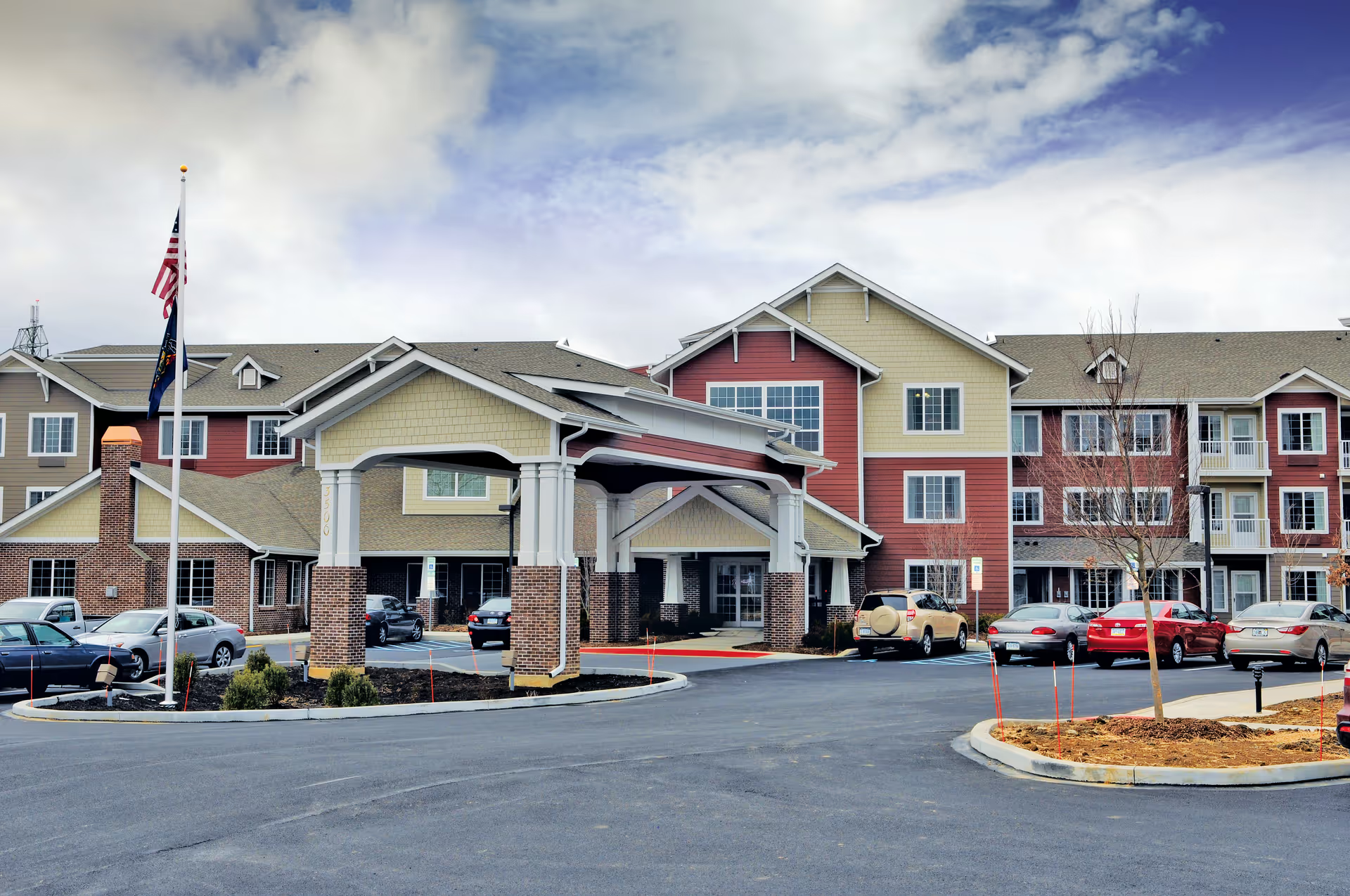
Reviews of Valley Manor Rehabilitation and Care Center present a polarized picture. A consistent strength across many accounts is the rehabilitation program: physical and occupational therapy staff receive frequent praise for helping residents regain mobility and achieve measurable functional gains. Several families also highlight compassionate bedside caregiving by particular CNAs, nurses, and social workers who provide emotional support, coordinate services, and offer attentive end-of-life care. Ancillary capabilities such as in-house dialysis and an engaged admissions/business office have been helpful for some residents, and there are reports of recent maintenance and lobby improvements.
At the same time, recurring operational concerns appear throughout the feedback. Staffing levels and consistency are a dominant theme: reviewers describe chronic understaffing, delayed response to call systems, and periods of minimal nursing presence. These gaps are linked to complaints about delayed assistance with toileting and bathing, inconsistent medication administration, infrequent physician contact, and what families characterized as inadequate monitoring. Several accounts note serious clinical outcomes and concerns following resident declines, including pressure injuries and severe infections; these are described as catalysts for heightened family scrutiny and, in some cases, regulatory attention.
Facility-level issues include sanitation and odor concerns in resident rooms and common areas, broken or outdated furnishings, overcrowded rooms, and general infrastructure deterioration. Dining is another mixed area: while some residents found food acceptable, many reports describe cold or repetitive meals and failure to adhere to dietary instructions. Communication practices and administrative responsiveness also vary: some families praise clear, helpful communication and responsive social work, while others report difficulty reaching the front desk, delayed incident notification, and unmet promises from administration. There are additionally serious allegations raised about staff conduct and documentation practices, including claims of theft and possible manipulation of paperwork; these claims have prompted calls for regulatory review in some narratives.
Taken together, the pattern is one of significant variability: clinical rehabilitation services and individual caregivers can be exemplary, yet systemic operational weaknesses — especially around staffing, sanitation, consistent clinical oversight, and facility upkeep — lead to substantial risk and family dissatisfaction in numerous accounts. Prospective residents and families should consider an in-person tour (including checking during shift changes), review the facility’s most recent state inspection and corrective-action history, ask about staffing ratios and medication-administration protocols, verify dietary accommodation procedures, and identify the on-site therapy team. Advocacy and active family involvement are recommended to monitor care continuity and to address issues promptly if they arise.