Reviews convey a highly mixed picture of Caring Heights Community Care and Rehabilitation Center. A recurrent strength is the clinical rehabilitation program: many families describe an effective PT/OT team and a well-equipped therapy gym that produced measurable functional gains. Numerous reviewers also praised individual staff members—nurses, aides, therapists, and social work staff—who provided compassionate, hands-on care, family communication, and flexible visitation arrangements. The community offers an active schedule of social and recreational programming (holiday events, baking, salon appointments, and animal visits) and maintains some well-kept outdoor spaces.
At the same time, a substantial pattern of operational concerns appears across reviews. Staffing variability and extended response times to call buttons are frequently cited; reviewers link those shortages to delays in assistance, personal-care lapses, and safety events such as falls. Several accounts describe inconsistent personal-care routines (including bathing, grooming, and incontinence-care processes) and delays or gaps in medication administration and documentation. These operational weaknesses are associated with notable clinical and comfort consequences for residents in some cases.
Facility management and accountability are areas of repeated concern. Families report inconsistent administrative responsiveness, unclear communication about billing and power-of-attorney access, and difficulty getting timely answers to complaints. Missing personal items and questions about how belongings and funds are tracked were raised multiple times; there is at least one more serious complaint alleging restricted access to funds. Infection-control practices and communication during outbreaks also emerged as a point of contention, including visitor restrictions that were distressing to families.
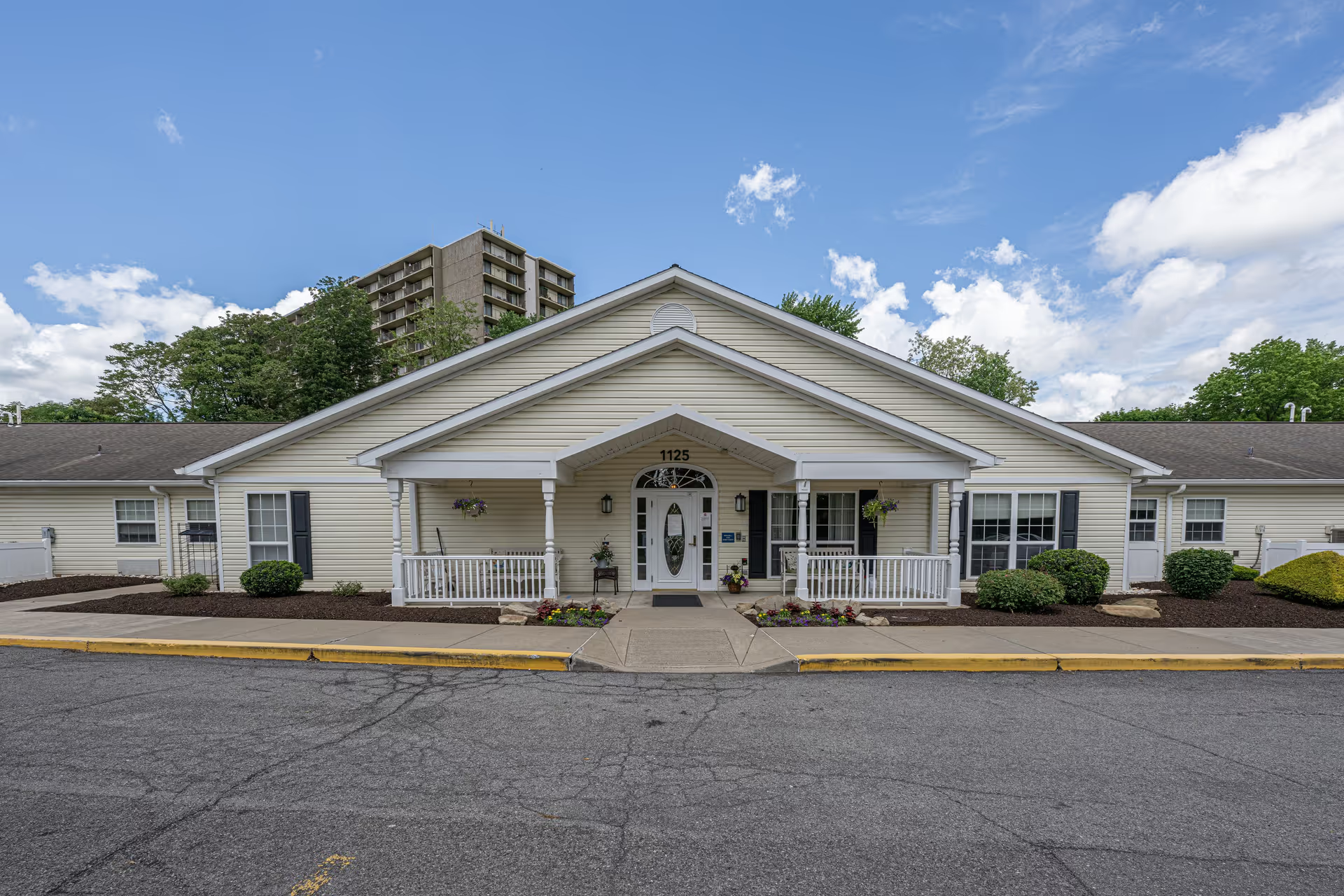
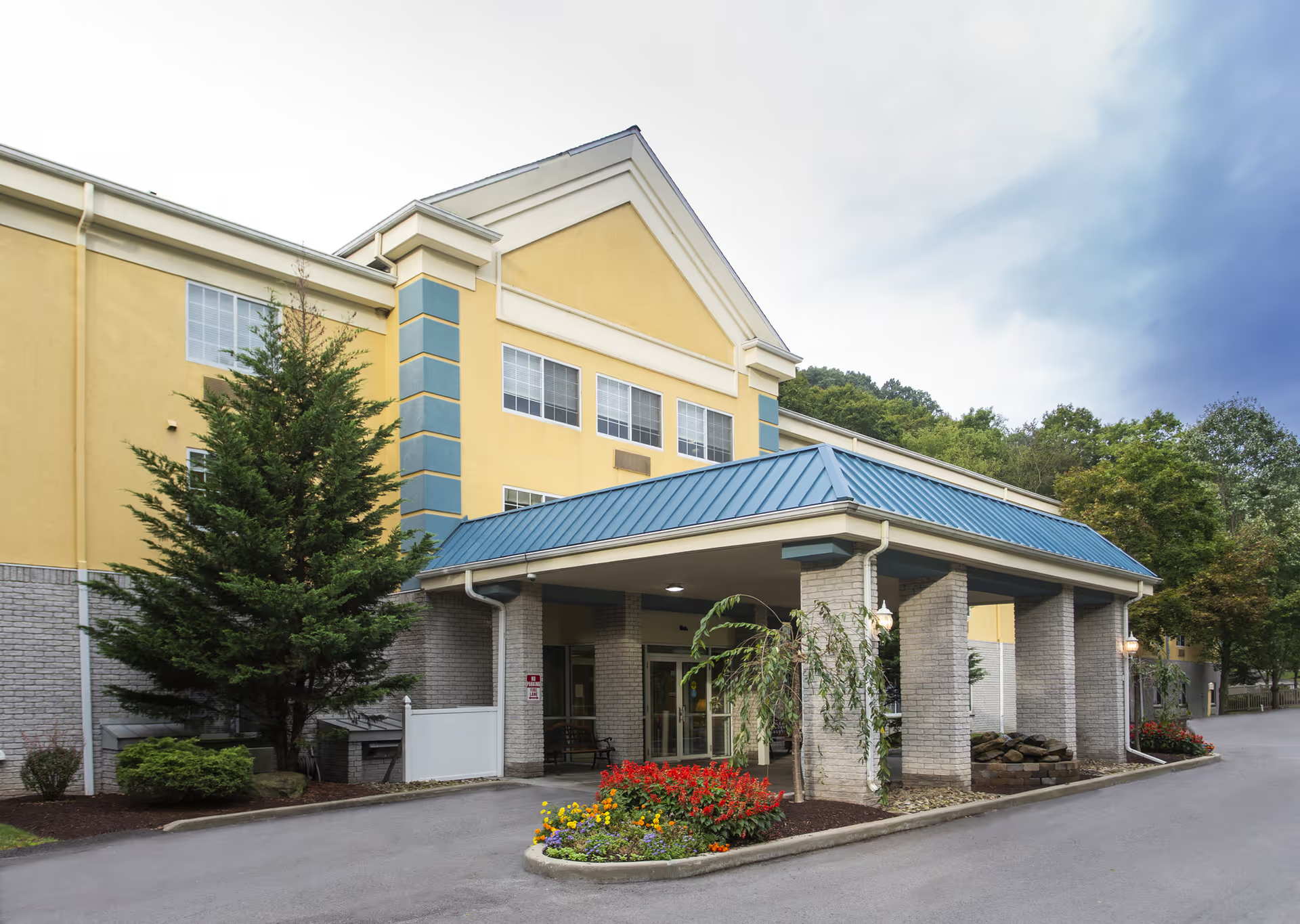
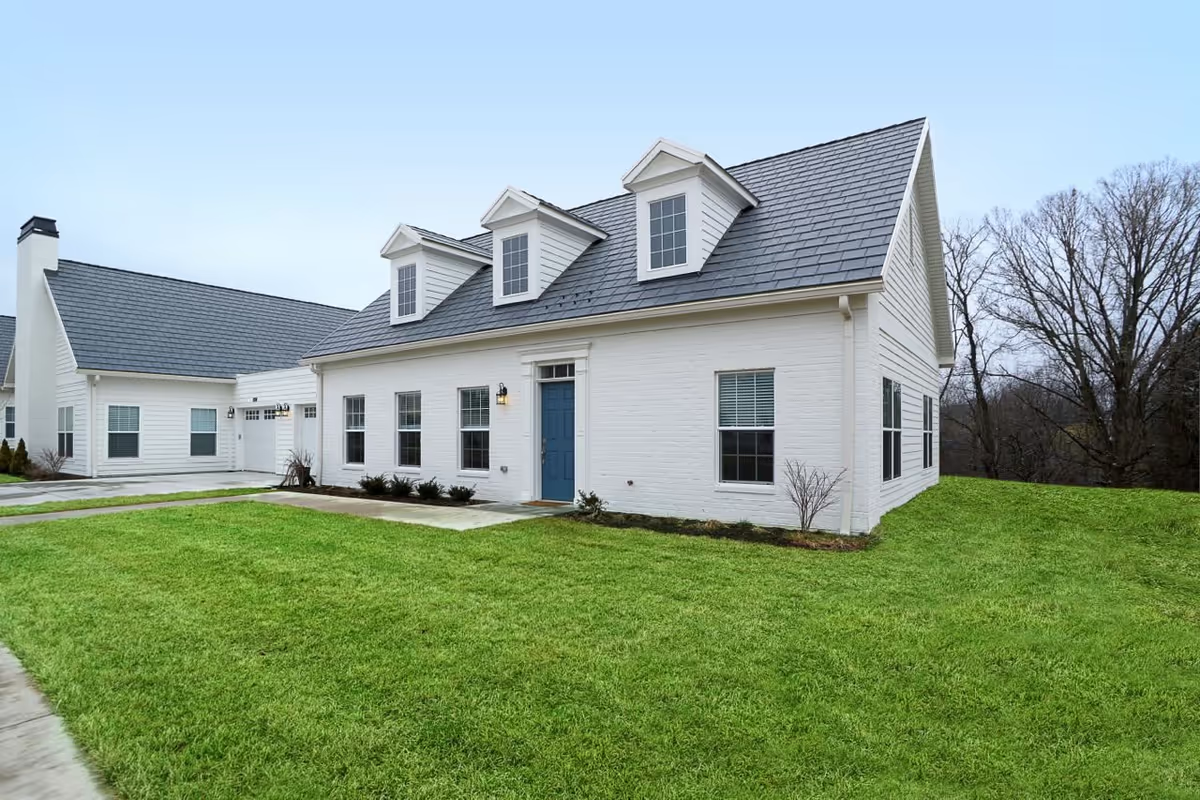
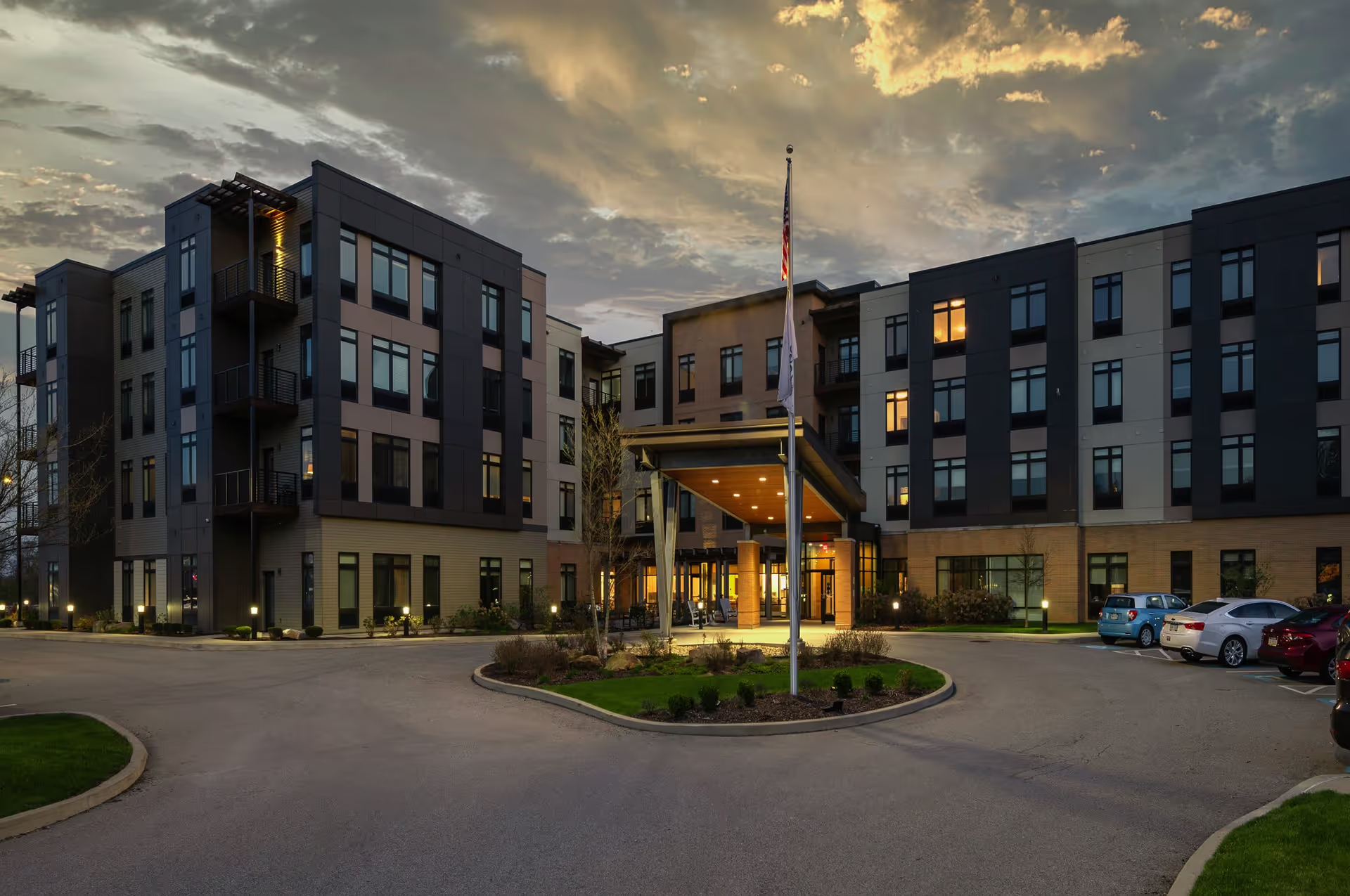
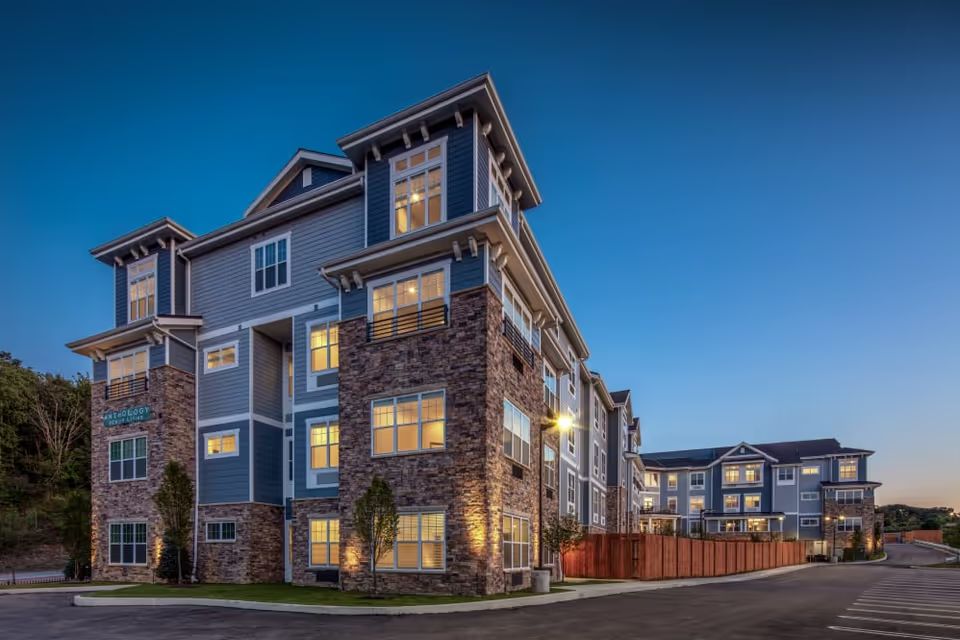
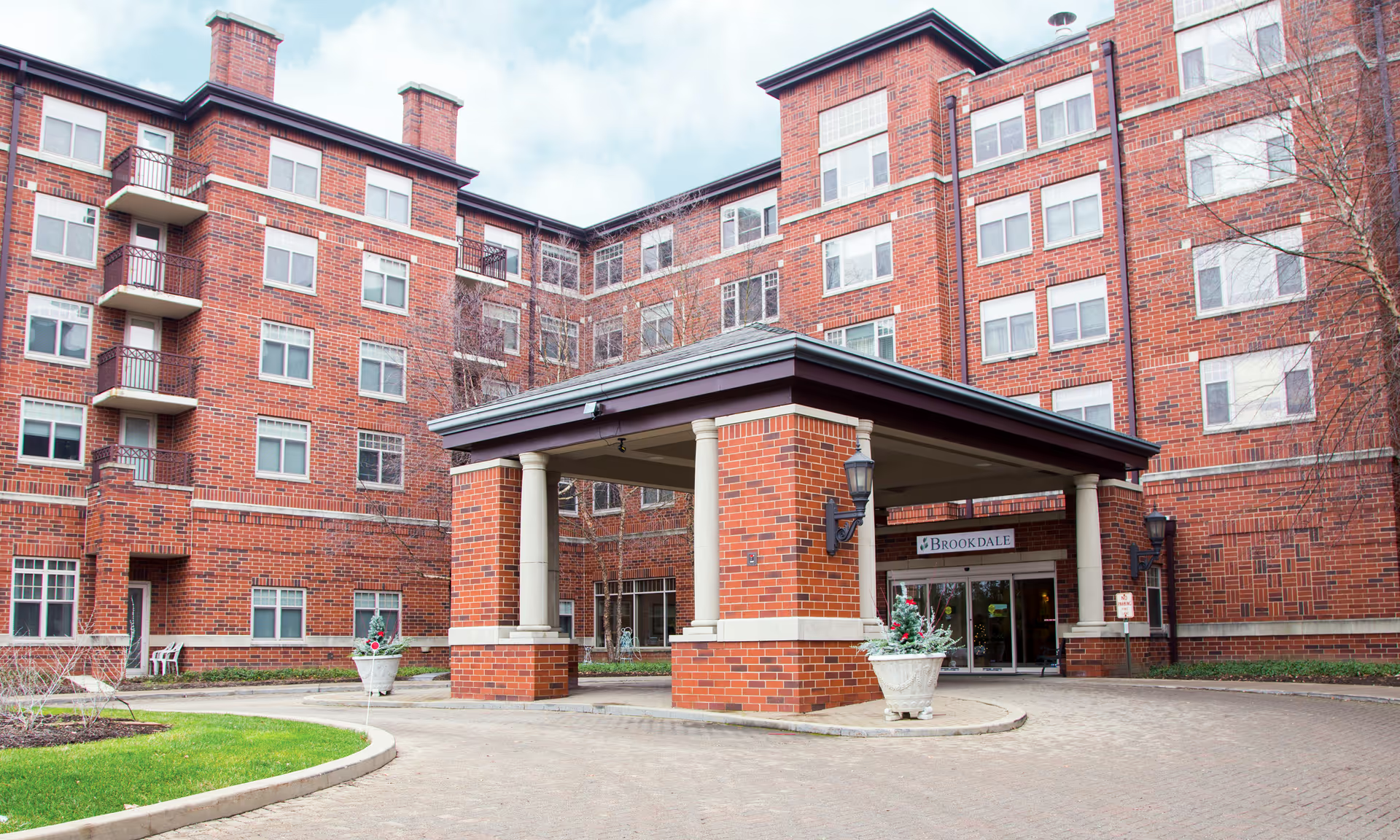
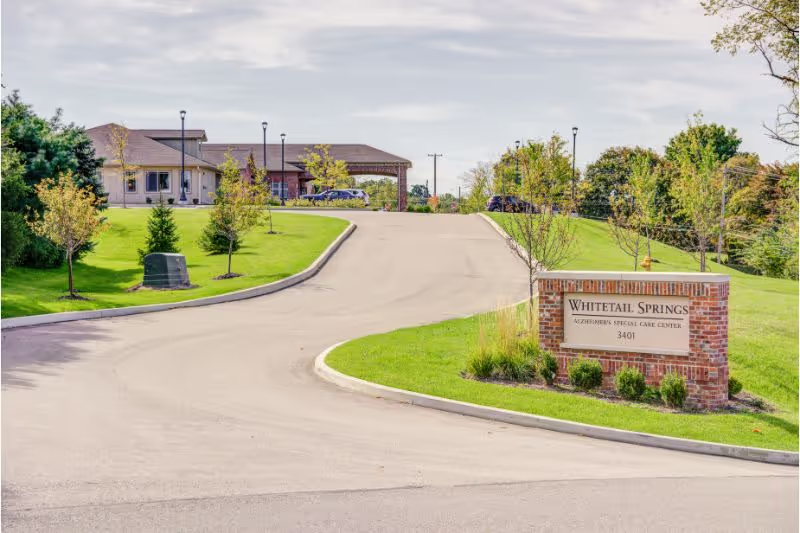
The physical environment elicits mixed feedback. Some visitors noted clean lobbies, attractive grounds, and tidy common areas; others described aged infrastructure, cramped rooms with shared bathrooms, sunken mattresses, and odor or sanitation concerns in certain units. Dining experiences are similarly variable—some praised the food and treats, while other reviewers criticized meal quality and described inconsistent assistance for residents who need help eating.
Overall, the pattern in reviews suggests the facility can deliver strong rehabilitative care and has a number of staff who provide compassionate, individualized attention. However, that positive experience appears uneven and may depend on staffing levels, unit assignment, and timing. Prospective residents and families should weigh the facility’s robust therapy resources and activity offerings against documented concerns about staffing consistency, personal-care and incontinence practices, medication documentation, property accountability, and administrative communication. During a tour or inquiry, recommended follow-up questions include current staffing ratios, procedures for personal-care and incontinence management, medication-administration and documentation protocols, policies for tracking personal items and financial access, and recent infection-control practices and outcomes.