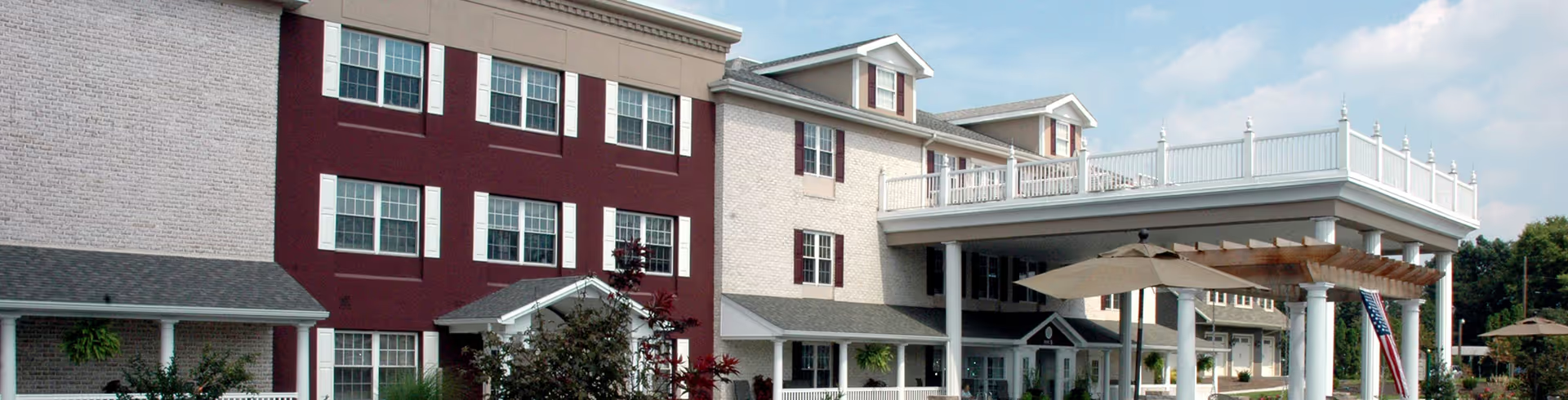
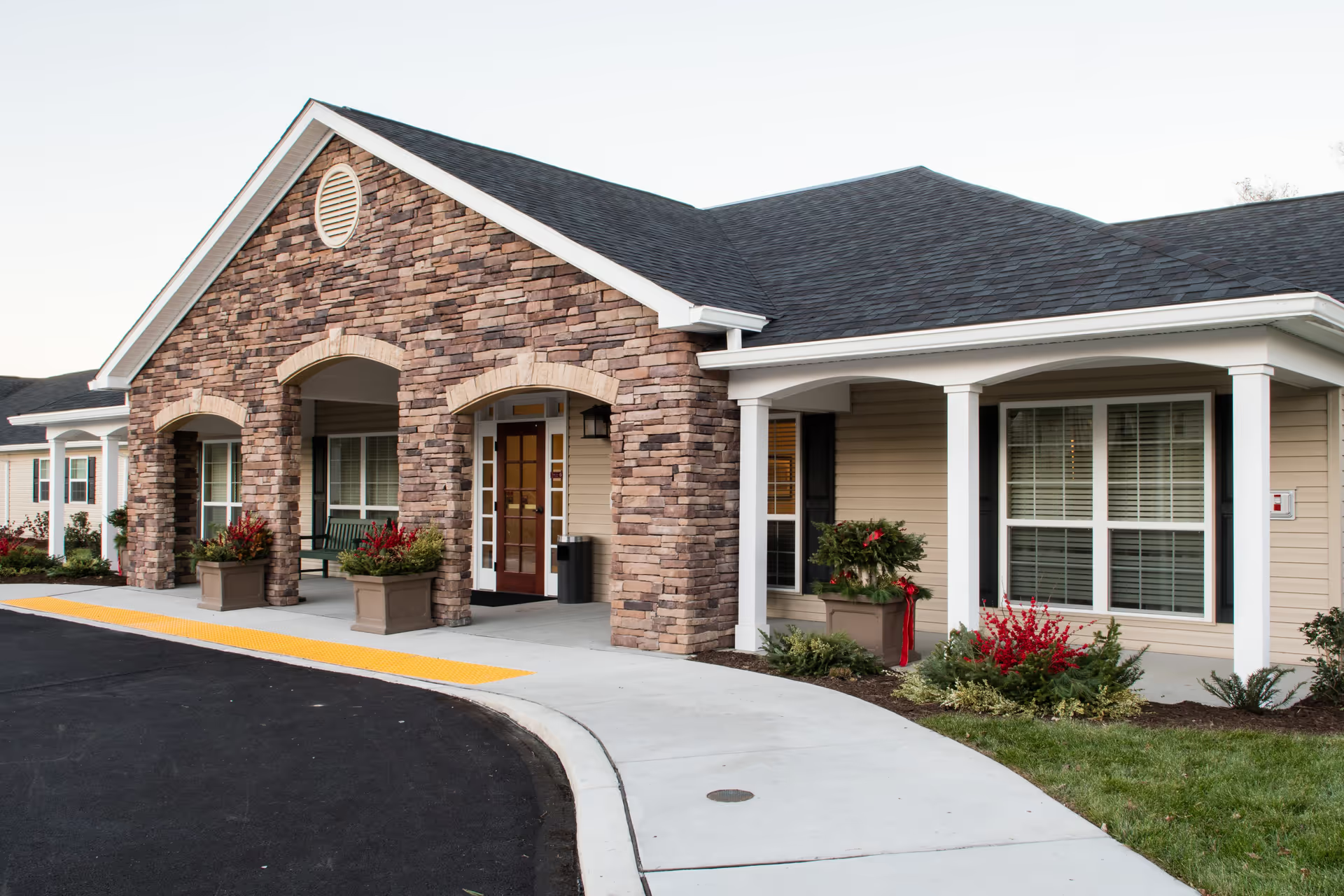
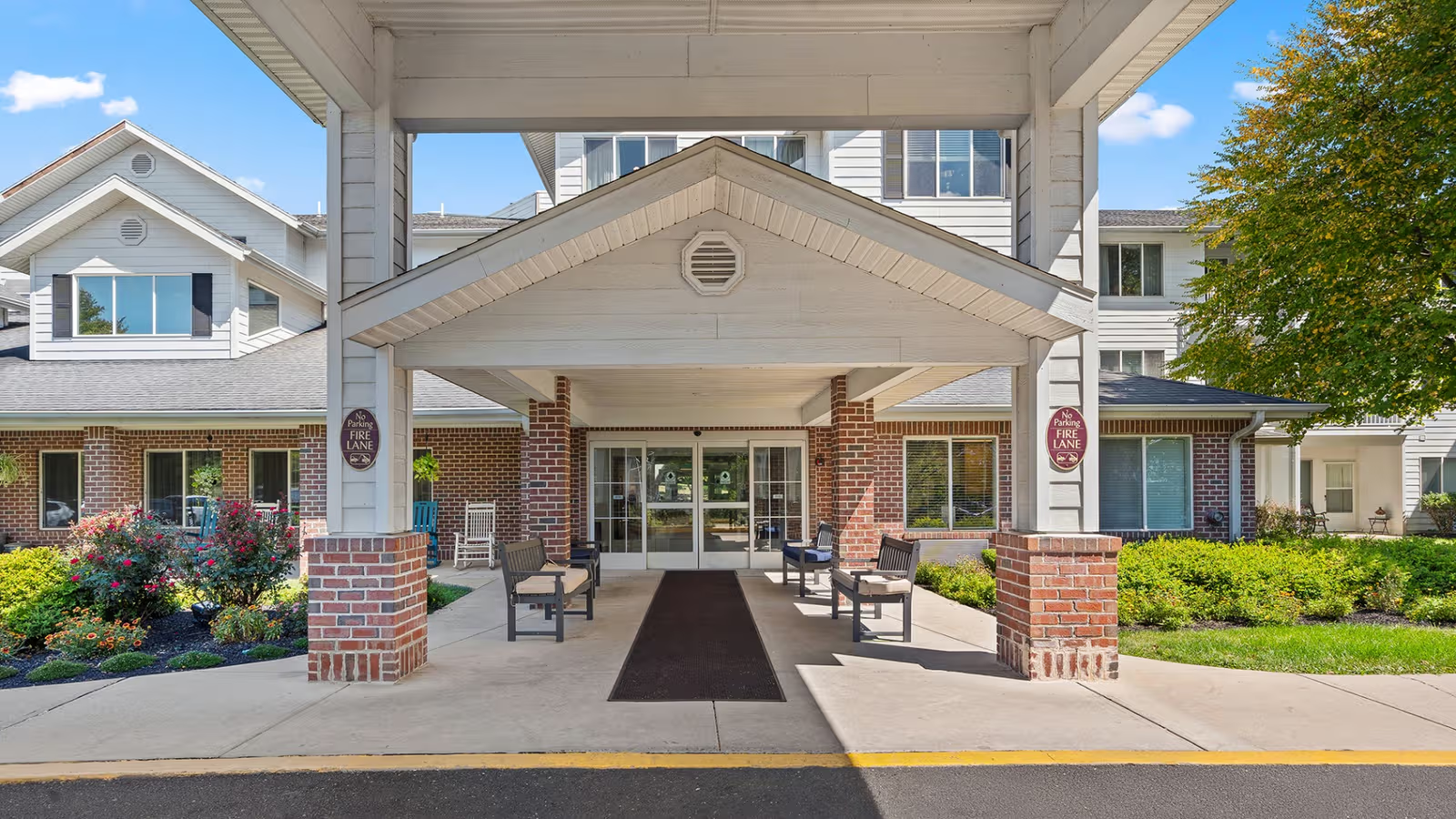
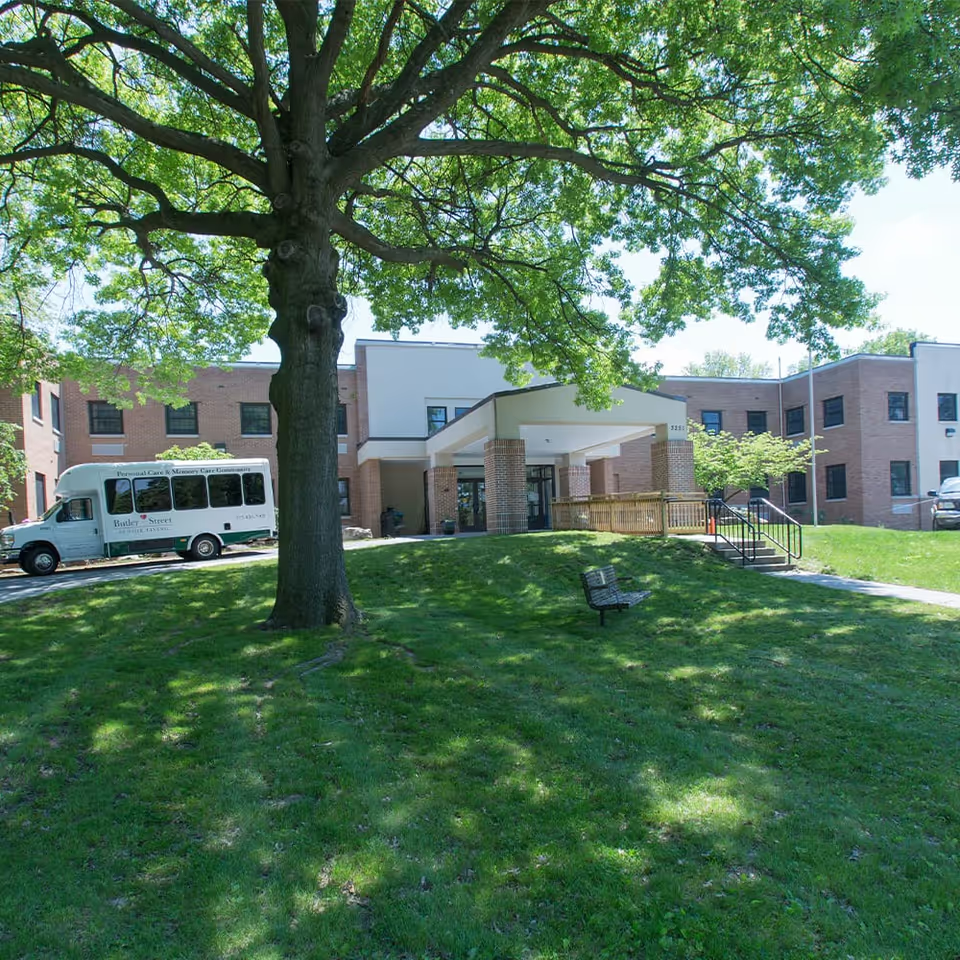
The reviews present a mixed but trackable profile of Transitions Healthcare Allens Cove. Many families and residents describe a warm, family-like culture supported by knowledgeable and friendly caregiving staff, personalized resident-centered care, and strong rehabilitation services. The independent living option is noted for clear pricing, included meals, pet- and driving-friendly policies, and attractive physical features such as preserved historic character, renovated common areas, spacious private rooms with ample storage, and a wrap-around porch with river views.
Clinical care impressions vary. Positive comments highlight individualized attention, effective PT/OT, and staff who made residents comfortable during end-of-life care. Conversely, there are recurring operational concerns: understaffing and staffing variability, delays responding to call bells, gaps in bathing and incontinence-related care, and inconsistent therapy follow-through. Several critiques also focus on medication-administration delays and difficulty reaching or coordinating with the facility’s medical providers, which some families associate with delayed symptom relief or unmet clinical needs.
Staff and management present both strengths and weaknesses. Strengths include approachable scheduling and activity coordination, friendly direct-care staff, and clear onboarding conversations about levels of care and fees. Weaknesses reported include variable professionalism and communication tone among some staff members and occasional challenges in addressing family concerns. Management has invested in visible facility upgrades and retains historic features, but operational gaps (staffing, clinical coverage, responsiveness) persist as primary sources of dissatisfaction.
Dining, activities, and the physical environment are similarly mixed. Independent living’s all-meals-included model is a convenience, and some residents receive personalized meal accommodations; however, meal quality is described as inconsistent and not upscale. An on-site activity director and multiple social spaces receive praise, yet some families find the activity program limited in variety beyond certain staples. The building’s renovations, well-planned bathrooms, and the ability to bring personal furniture are positives, while other areas are characterized as dated and there are sanitation and odor concerns in select locations noted by reviewers.
Notable patterns: experiences appear polarized — several families convey high satisfaction with care, environment, and staff compassion, while others describe operational lapses that they viewed as affecting comfort and safety. Prospective residents and families should tour multiple times, ask specific questions about current staffing ratios and float coverage, review cleaning and incontinence-care protocols, confirm therapy schedules and medication administration procedures, and speak with current families about recent changes. These targeted inquiries will help determine whether the facility’s strengths align with an individual’s clinical and lifestyle needs and whether management has effectively addressed the operational concerns raised by other families.