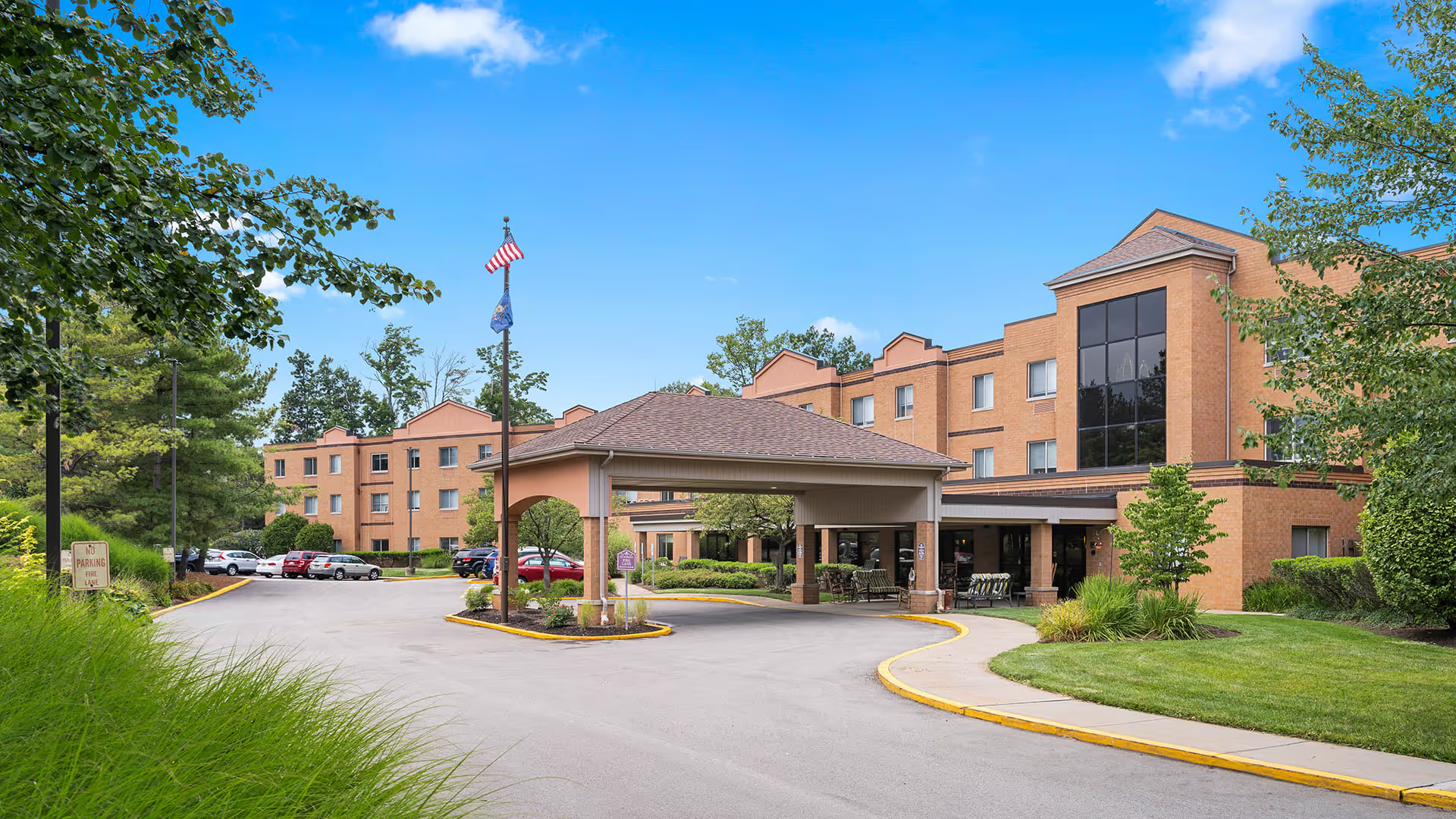
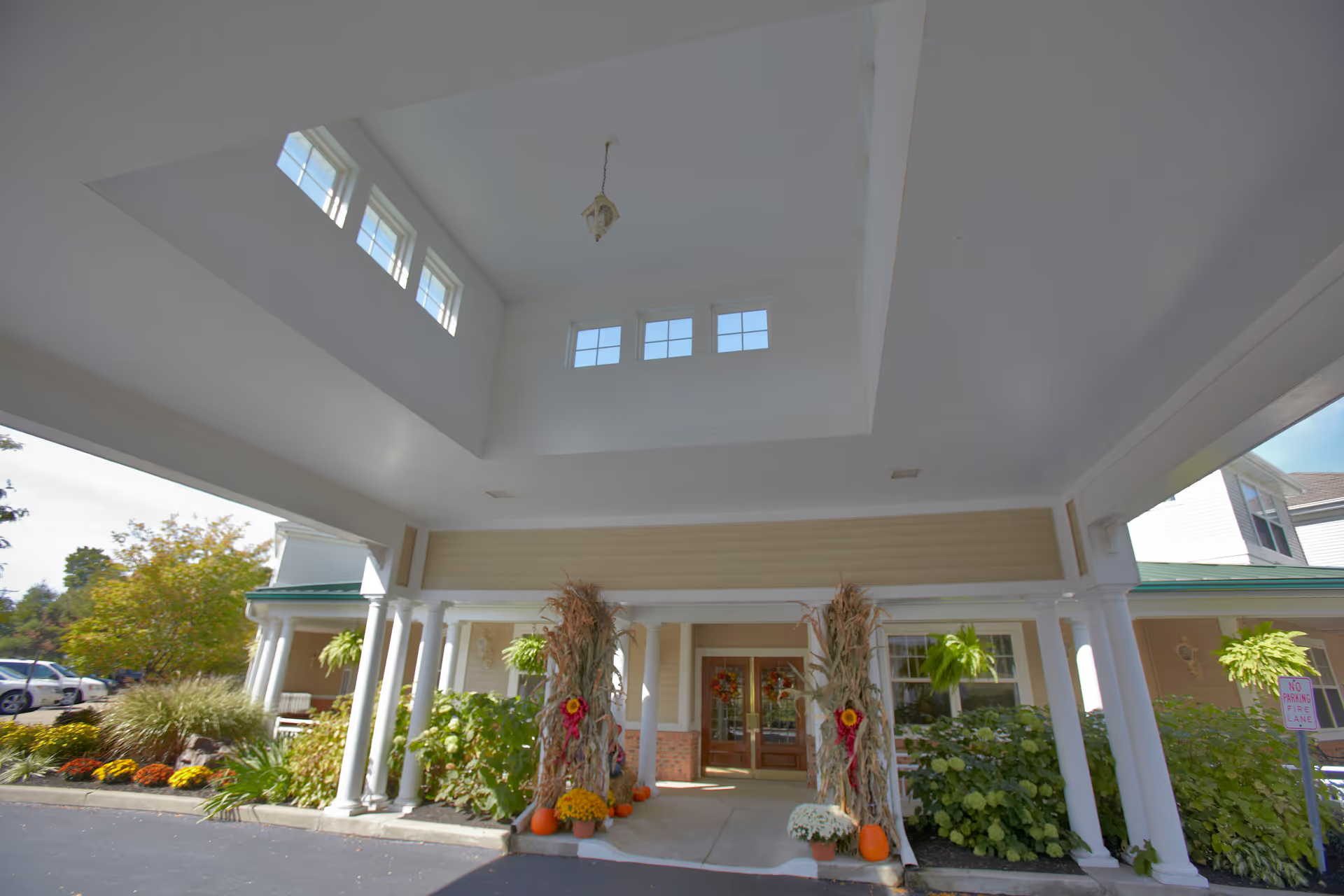
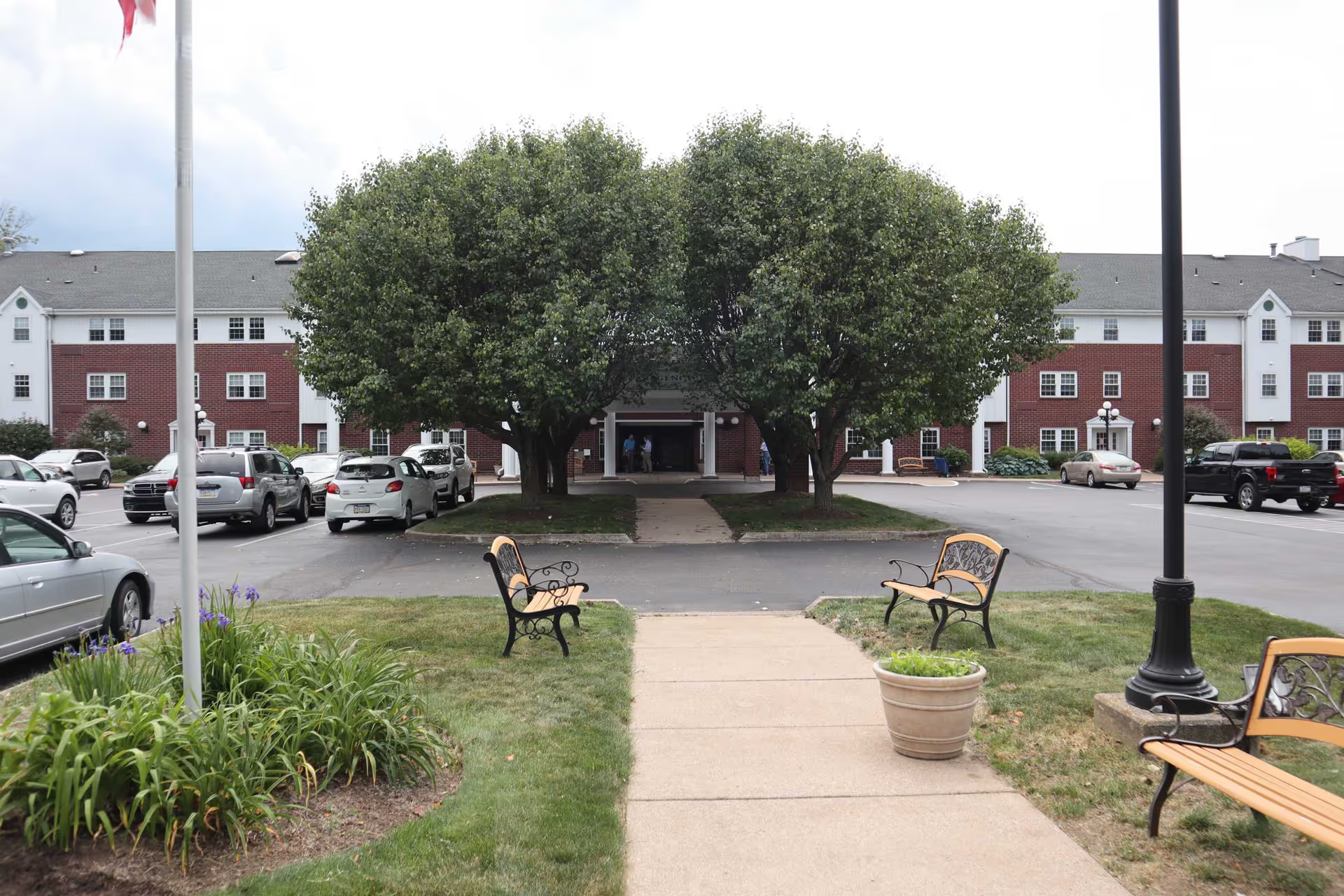
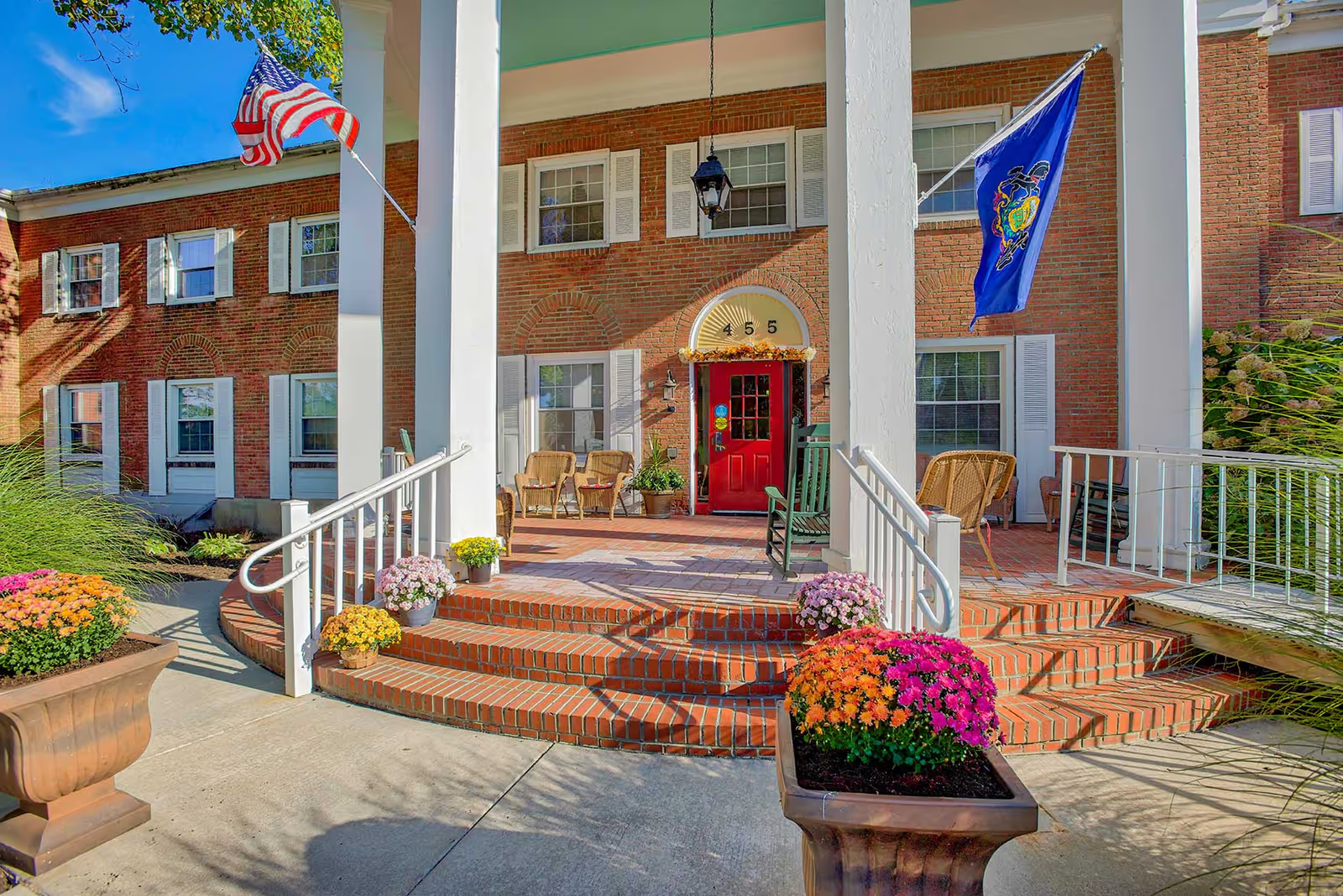
Overall impression: Reviews describe a facility with clear strengths at the frontline level but recurring operational weaknesses. Many families praised specific members of the caregiving staff, the facility appearance, outdoor spaces, and the activities program. At the same time, concerns cluster around clinical oversight, communication, sanitation, and administrative processes. Prospective residents and families are likely to find both highly positive staff interactions and service inconsistencies depending on timing, unit, and staff assignment.
Care quality and clinical oversight: Several reviewers described attentive bedside care and effective rehab programming, while other accounts raise significant concerns about gaps in clinical oversight. Specific operational patterns cited include delays in pain management and medication administration, medication errors, inconsistent monitoring of clinical changes, and failures to escalate complications promptly. These issues were linked by some families to hospital transfers and more serious interventions. Reviewers also described instances of pressure injuries and device-related complications; those descriptions point to variability in clinical vigilance and wound/prevention practices across units.
Staffing and staff conduct: Staff performance is inconsistent across reviews. Many accounts praise individual aides and nurses as compassionate, hardworking, and knowledgeable about medications. However, other reports describe inattentive or rude conduct, privacy and dignity concerns, and variability in competence between units or shifts. Call-button responsiveness, timely assistance with toileting and transfers, and consistent bathing or toileting schedules were specifically noted as areas of variability. These patterns suggest uneven staffing levels, training, or supervision that affect day-to-day resident experience.
Dining, housekeeping, and infection-control themes: Feedback on meals and housekeeping is mixed. Positive comments describe a clean facility and pleasant appearance, but multiple reviews cite unacceptable food quality, limited menu options, and an instance of undercooked food. Sanitation and kitchen-hygiene concerns, including reports suggestive of pest-control and mold issues, appear in some accounts and are paired with complaints about inconsistent cleaning (dust, stained floors, and laundry problems). These sanitation and food-service concerns indicate potential gaps in environmental services and kitchen oversight that warrant verification during a tour.
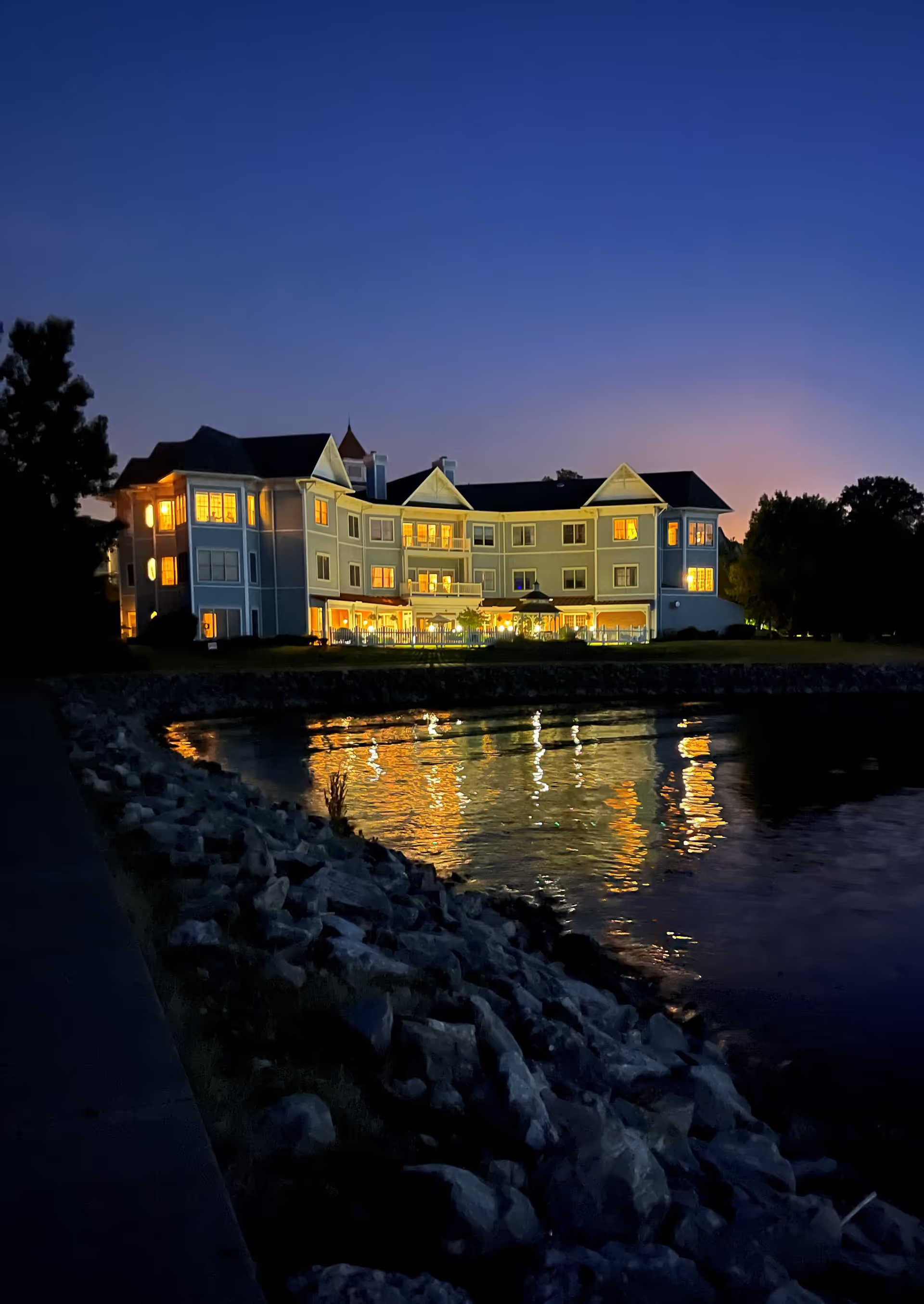
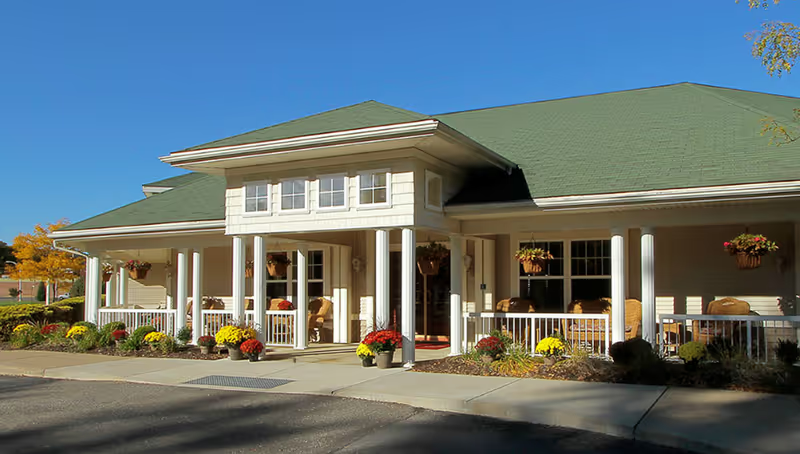
Activities and facilities: The campus layout, private common areas, and outdoor spaces receive consistent praise. Activities such as arts and crafts, seasonal group events, and small parties were described as beneficial to residents’ quality of life. The physical environment—multiple rooms for visits and a navigable campus—was seen as a strength for families seeking social engagement opportunities and a comfortable setting for visits.
Management, admissions, and communication: Operationally significant issues include admissions and bed-availability coordination, insurance-authorization challenges, and poor phone responsiveness. Families reported late or changing admissions details, limited bed availability at key times, and difficulty obtaining insurance confirmations. Documentation and information-logging failures were also noted, contributing to frustration and difficulty holding the facility accountable. There are also serious comments alleging staff-related theft or financial misconduct; these are severe claims that families should treat as high priority to investigate directly with facility leadership and regulators.
Notable patterns and recommendations: The overall pattern is one of a facility that can provide attentive, therapeutic, and welcoming care in many cases, but that has recurring operational vulnerabilities that affect safety and family confidence. Prospective families should plan an in-person tour, ask targeted questions about medication-administration protocols, staffing ratios by shift, call-button response times, wound-prevention practices, recent inspection and infection-control records, kitchen and pest-control audits, and procedures for handling insurance and admissions. Request examples of care-coordination with physicians and ask how the facility documents and communicates clinical changes to families. If possible, speak with current family members and review recent state inspection or complaint history to corroborate impressions from these reviews.
Bottom line: Edinboro Manor appears to have meaningful strengths—compassionate frontline staff, pleasant facilities, and active programming—but also documented operational and clinical inconsistencies. Care quality may vary by unit and shift. Families who prioritize warmth and therapy offerings may find value here, while those who emphasize consistently high standards in clinical oversight, sanitation, and administrative reliability should perform careful due diligence before deciding.