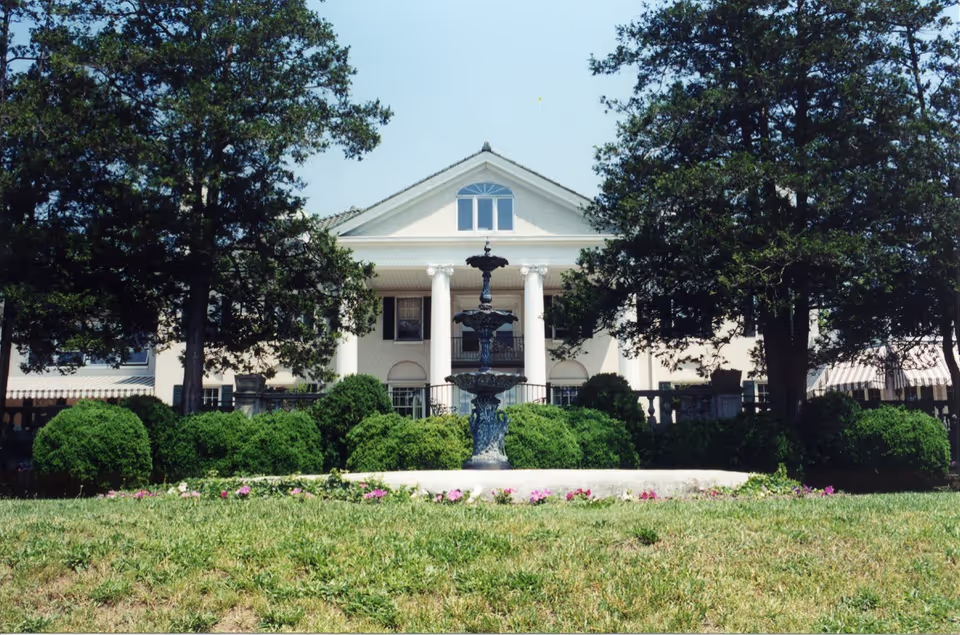
Emerald Nursing and Rehabilitation elicits strongly mixed impressions. Many reviewers praised clinical and concierge staff, the facility’s rehabilitation services, and its activity program; these strengths are repeatedly described as sources of peace of mind for families and genuine progress for residents in short-term rehab. Positive operational features cited include on-site therapy, a proactive resident-liaison/concierge role, a broad activities calendar, routine housekeeping, available personal-care amenities (hairdresser, footcare), and around-the-clock nursing coverage. Several families specifically highlighted individual staff members and therapists as dependable and compassionate, and some reviewers noted favorable regulatory context and recent management changes intended to improve oversight.
Care quality and staffing present a mixed picture. While many residents received attentive nursing and effective therapy, a substantial portion of reviews describe inconsistent staffing levels and slow call-bell responses that affected timeliness of care. There are recurrent concerns about medication-administration controls and agency-staff handoffs; reviewers also described instances of clinical follow-through gaps, including missed or irregular rehabilitation sessions and inconsistent delivery of personal care tasks (dressing, bathing, oral care). A small number of reviewers raised serious individual allegations involving injury and end-of-life concerns; these claims reinforce the broader pattern of families seeking clearer clinical accountability and more consistent staffing.
Staff behavior and communication show variability across shifts and departments. Several accounts praise courteous, helpful nurses, CNAs, therapists, and a strong concierge presence; conversely, other accounts describe unprofessional or discourteous front-desk and administrative interactions, and concerns about the tone and responsiveness of certain staff members. These differences suggest uneven training or supervisory enforcement of service standards. Reviewers frequently recommended that prospective families observe staff–resident interactions across different times of day to assess consistency.
Dining and activities are generally viewed favorably but not uniformly so. Many reviewers found the food to be good and the activity program robust and meaningful, with particular praise for the activity director and organized events. At the same time, there are recurring notes about meals arriving cold, limited special-diet accommodations (kosher/diabetic preferences), and occasional condiment/side-item omissions. Activity engagement is consistently a positive point and appears to be a reliable strength of the facility.
Facilities and operations show areas for attention. Multiple reviews highlight cleanliness and well-kept rooms, while others describe sanitation concerns in certain rooms and common areas, dated decor, and maintenance issues in some units. Logistics-related complaints include limited parking, a cumbersome visitor check-in flow, and restrictive outdoor access or mobility policies that some residents found limiting. Laundry and personal-property management emerged as a repeated operational weakness for some families.
Management and oversight reviews are mixed. Some families praised prompt, proactive concierge support and named administrators who were helpful; others found nursing leadership and social-work responsiveness inadequate when concerns arose. There are indications that new ownership and a deficiency-free DOH survey were used as points of reassurance by some reviewers. At the same time, the pattern of communication gaps around clinical incidents, property loss, and care coordination suggests opportunities for stronger incident-response protocols, clearer family communication pathways, and more consistent staff training.
For prospective residents and families: weigh the facility’s clear strengths in rehabilitation, activities, and concierge-led coordination against recurring operational weaknesses around staffing consistency, call response, and certain sanitation and property-management practices. Recommended due diligence includes observing multiple shifts, confirming rehabilitation scheduling practices, reviewing medication-administration and agency-staff policies, asking about special-diet accommodations, and clarifying procedures for incident reporting and family communication. These steps will help determine whether Emerald’s positive clinical and social assets align with a particular resident’s care needs and expectations.