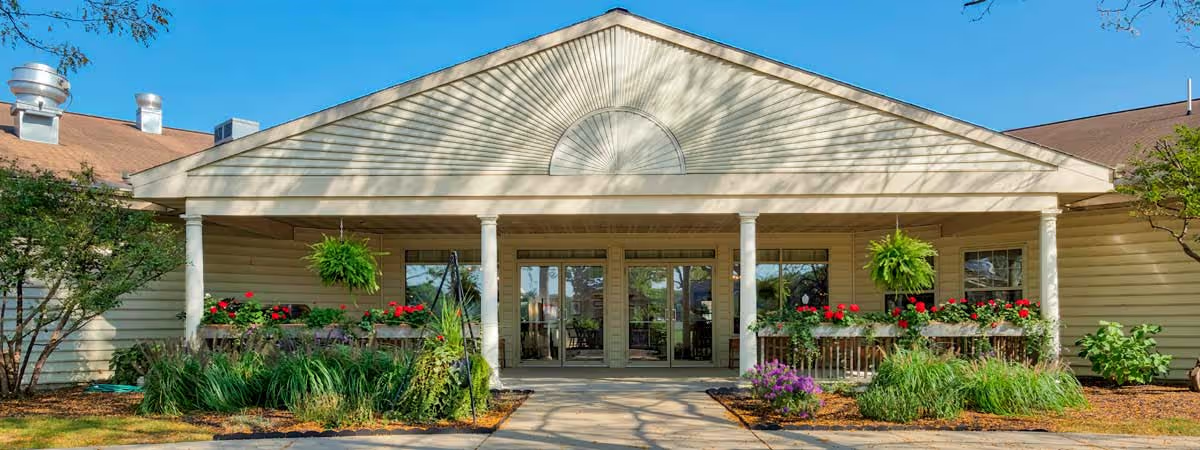
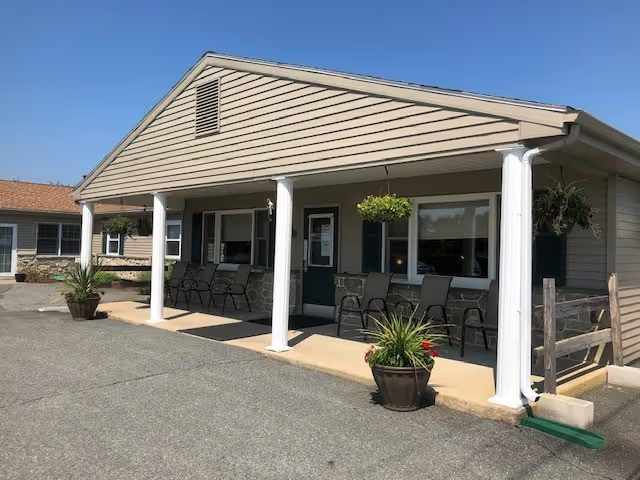
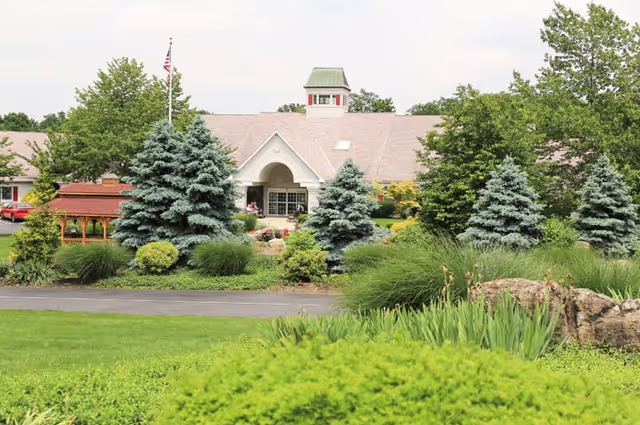
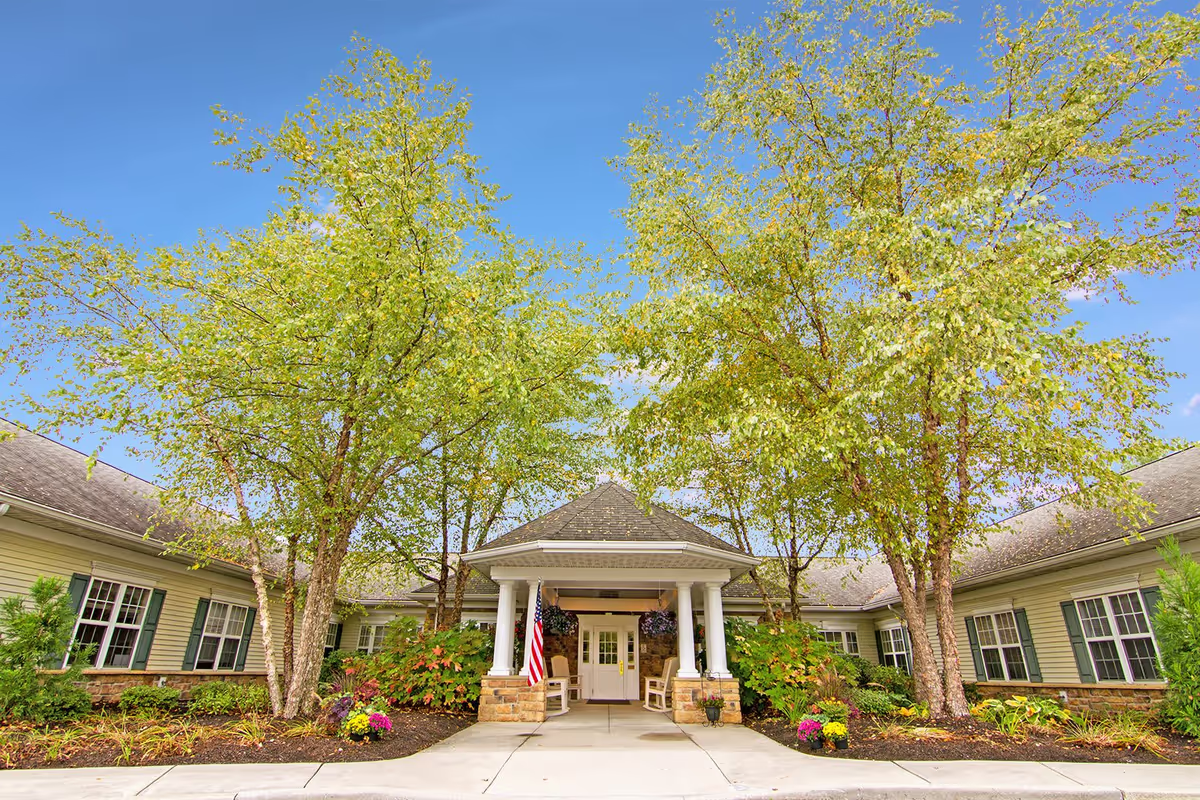
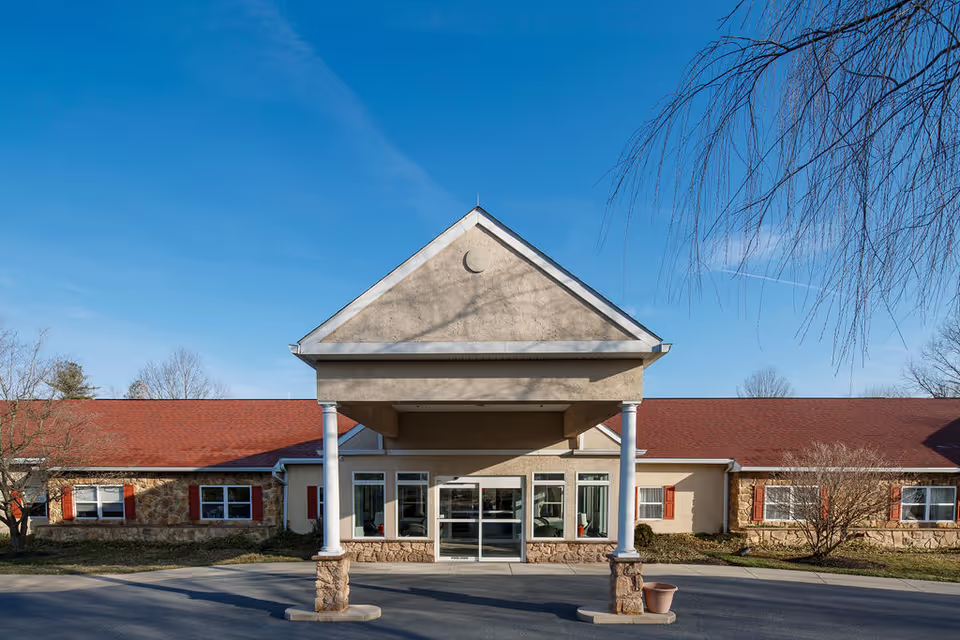
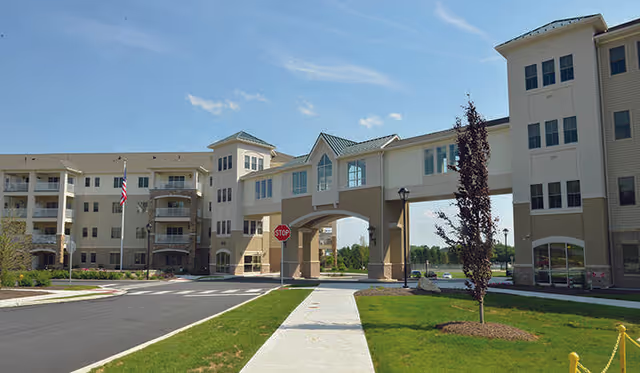
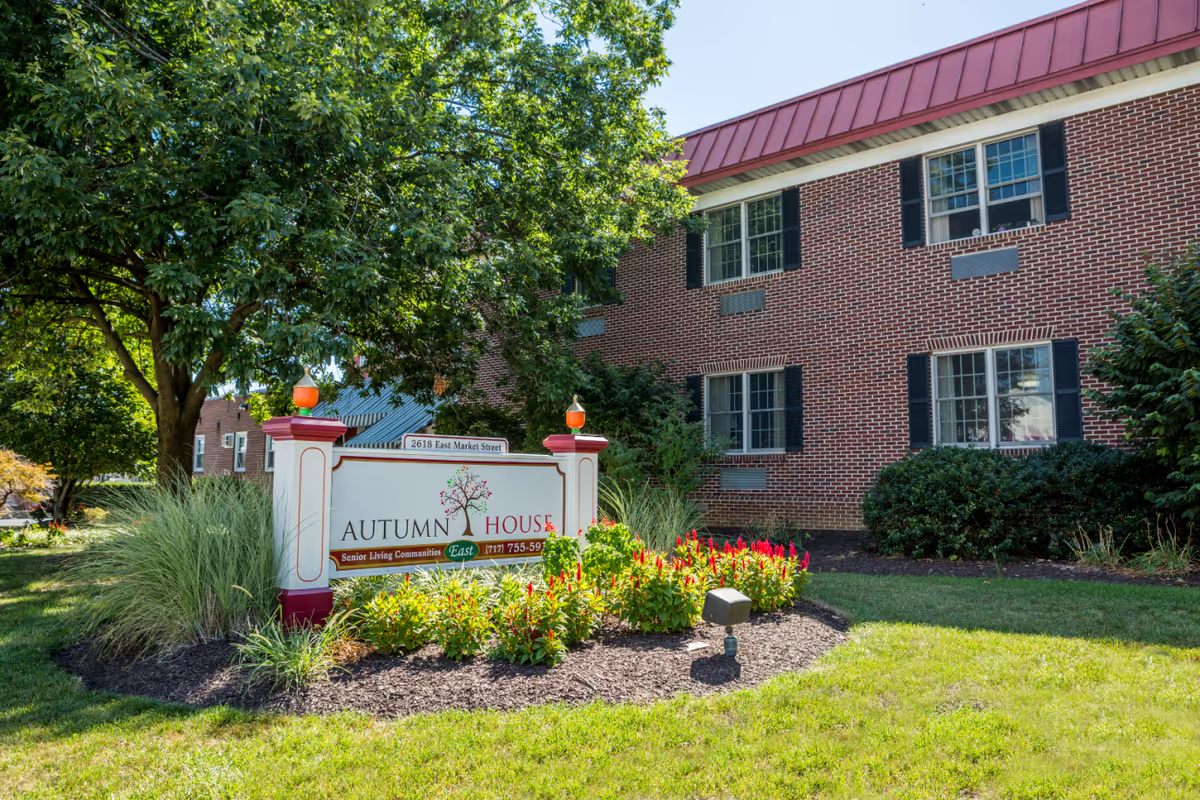
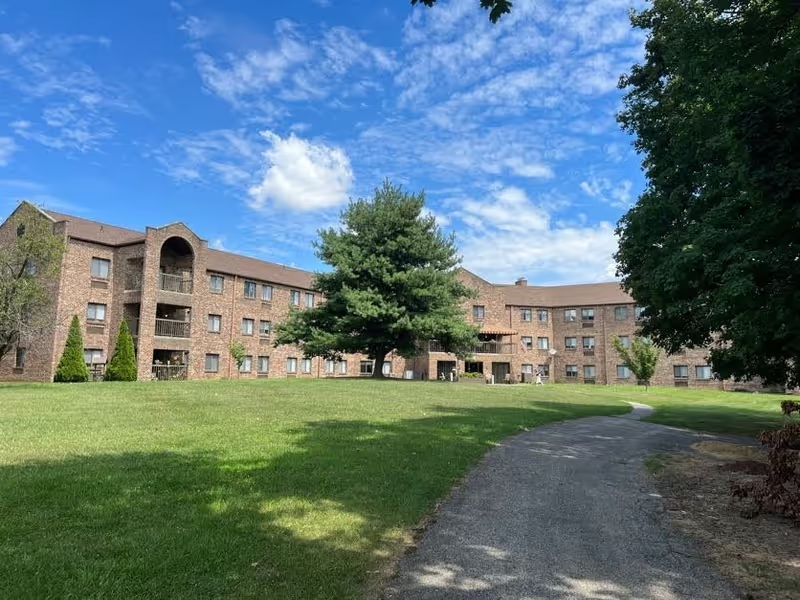
Overall impression: Reviews present a largely positive picture of the physical environment and program offerings at St. John's Herr Estate, with several reviewers highlighting a clean, recently renovated building, attractive common spaces, an outdoor courtyard and a chapel. The community offers apartment-style living with full kitchens, on-site dining (including a meal-credit option), pet-friendly policies, multiple levels of care, and reasonably priced options that some families describe as good value.
Care and staff: Many reviewers characterize the caregiving staff as caring and attentive, and there are repeated references to helpful nursing aides and supportive direct-care personnel. At the same time, there is a notable pattern of concerns about inconsistent staff professionalism and communication. These concerns range from allegations of poor tone in interactions to reports of supervisory gaps; collectively they point to variability in day-to-day resident experience and occasional lapses in leadership presence on some units. Prospective families should clarify staffing levels, leadership coverage, and staff-training/communication practices during a visit.
Dining: Dining receives mixed but detailed commentary. Positive comments emphasize varied, well-prepared meals and a pleasant dining room; the apartment kitchen option and meal-credit system are seen as conveniences. Conversely, some assessments describe inconsistent or substandard meal quality. The pattern suggests that meal experience may vary by shift or menu cycle; visitors may wish to sample meals and review current menus and food-safety/quality processes before deciding.
Activities and social life: The facility appears to offer a broad activity program—bus trips, bingo, Wii bowling, shuffleboard, gardening, a bowling team, and on-site farm activities are all mentioned—supporting a range of resident interests. However, a contrasting theme is that activity delivery can be uneven: while some residents report a busy calendar and strong engagement, others describe limited organized group activity and periods when residents spend considerable time in their rooms. Clarifying the typical weekly schedule and observing an activity session can help assess fit.
Facilities and amenities: Physical plant observations are uniformly positive: reviewers describe the community as clean, well-maintained, and recently renovated with pleasant living areas. Additional amenities cited include a chapel and landscaped grounds. The community's pet-friendly stance and multiple care levels on-site are further operational advantages for residents seeking continuity of care.
Management and patterns of concern: Several reviews raise concerns about management responsiveness and conflict-resolution practices, including how staff conduct complaints and clinical concerns are handled. There are also indications of gaps in unit-level leadership (for example, an absent Personal Care Manager) and uneven clinical oversight in illness-related situations. These items reflect system-level operational weaknesses rather than isolated furnishing or décor issues. There is also mention of a long waiting list, which may affect move-in timing and access.
Bottom line and suggested next steps: The community offers many strengths—clean, updated facilities; varied amenities; active programming; and flexible living options—but the experience appears to be polarized by variability in staff conduct, leadership presence, dining consistency, and activity delivery. Prospective residents and families should tour during active hours, observe staff–resident interactions, sample meals, review the current activity calendar, ask about staffing ratios and leadership coverage, and request the community's procedures for handling clinical concerns and complaints. Those steps will help determine whether the facility’s operational practices align with the prospective resident’s expectations and care needs.