Autumn House East is repeatedly described as a community with a warm, home-like atmosphere and a staff culture that many families find compassionate and accommodating. Direct care staff, activity leaders, and several administrators are frequently praised for personal attention, supportive move-in processes, and above-and-beyond interactions. On-site clinical access (periodic physician and podiatry visits), available therapy services, and a transportation van for local outings add to the clinical and logistical convenience for residents.
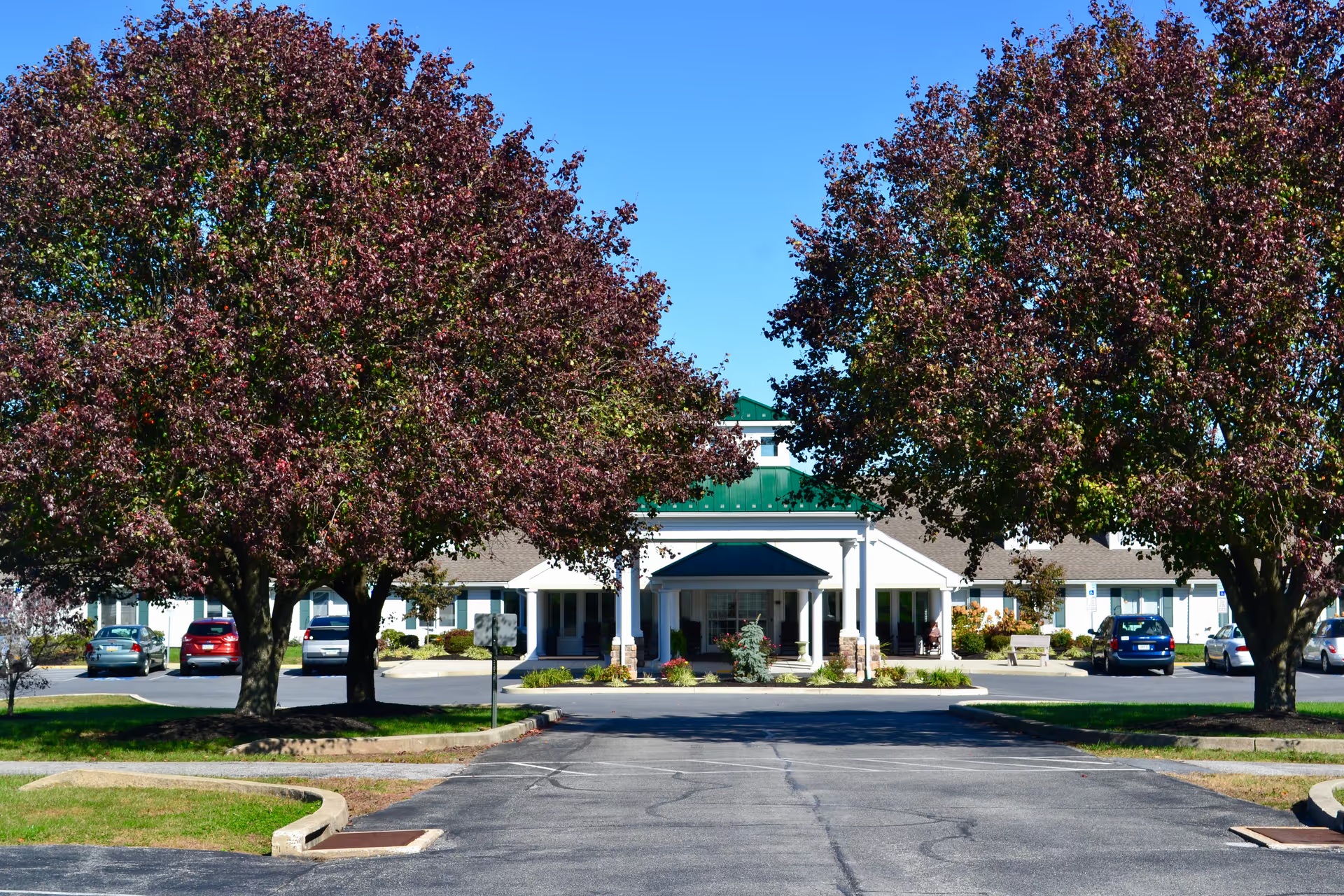
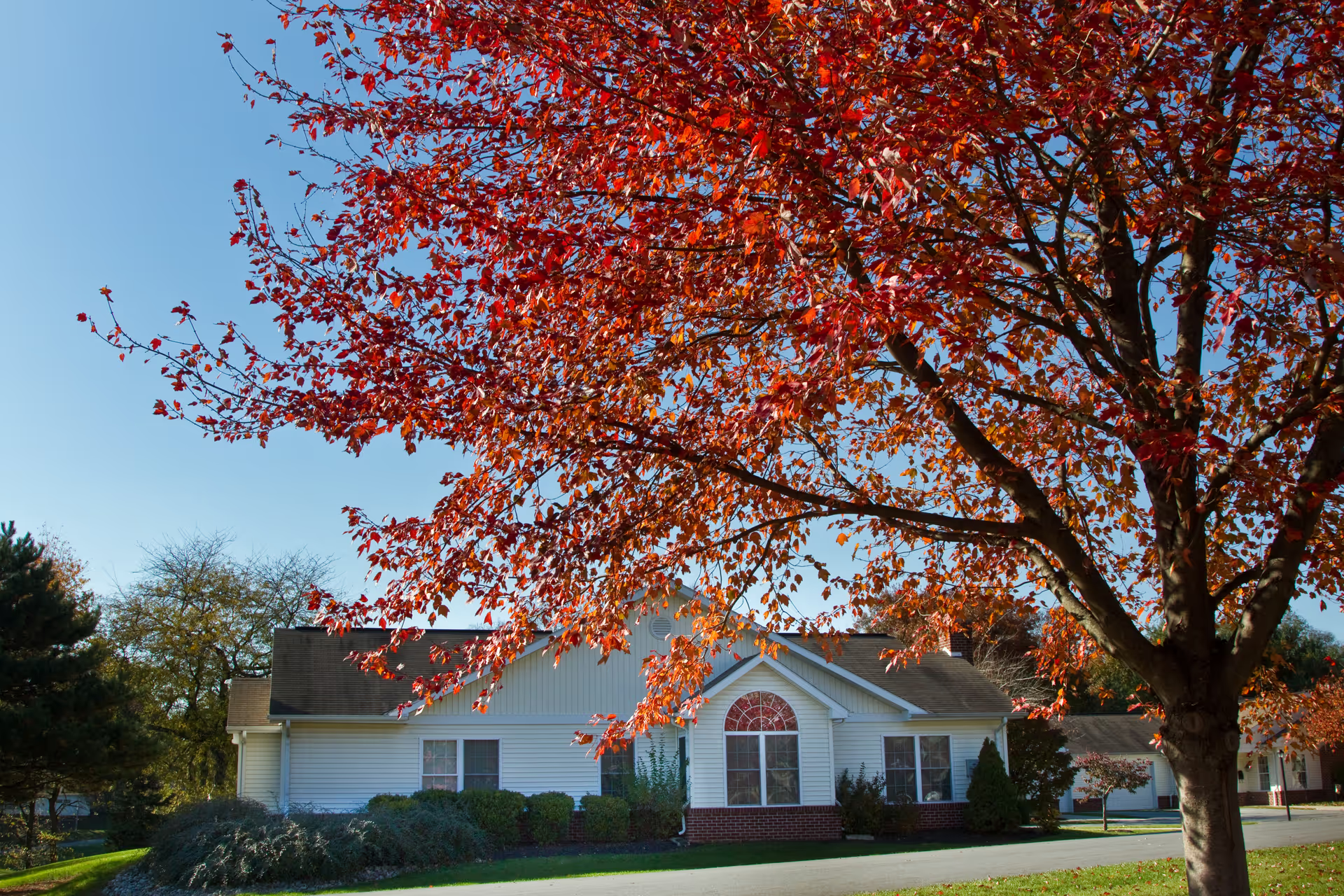
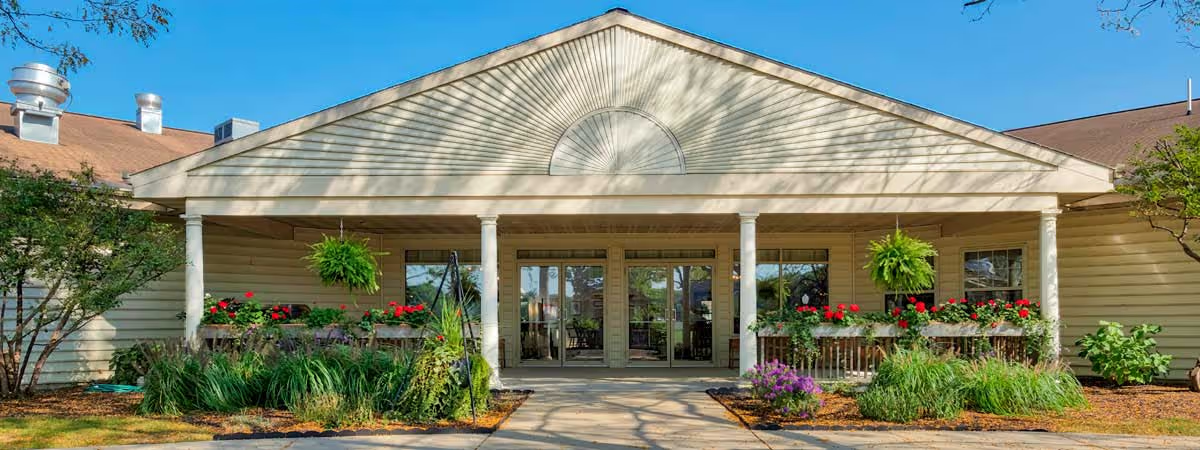
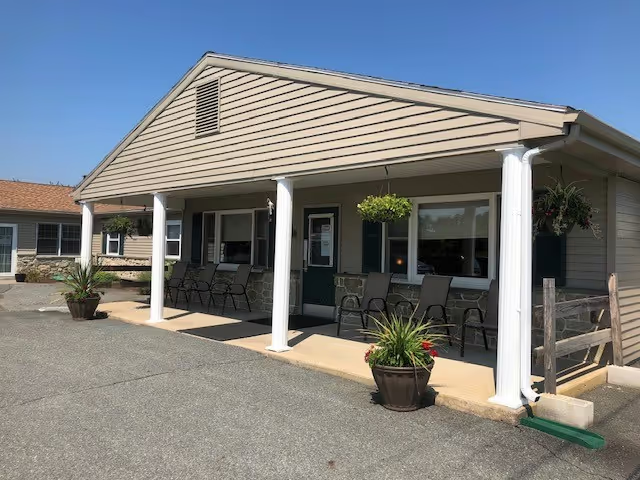
Programming and social life are clear strengths: reviewers cite a broad activities schedule (bingo, exercise classes, arts and crafts, weekly live entertainment, field trips, and social gatherings), a large activities room and library, and regular themed events. These offerings contribute to an engaged resident population and are complemented by laundry, housekeeping, and flexible dining options such as room service or breakfast on request. The community is generally described as clean and well maintained, with pleasant common areas, outdoor seating, and pet-friendly policies that some families value.
At the same time, the facility shows operational limits that prospective residents should weigh. Staffing levels are described as uneven; families raised concerns about delayed responses to call buttons and about stretched staff during busy periods. Meal quality is inconsistent across accounts, and several reviewers specifically noted a lack of consistently appropriate diabetic meal options. Clinical capacity is limited for residents who require higher-acuity supports: the community does not reliably provide mechanical lifts or regular two‑person transfer assistance and some residents requiring increased nursing support have later moved to higher-level care.
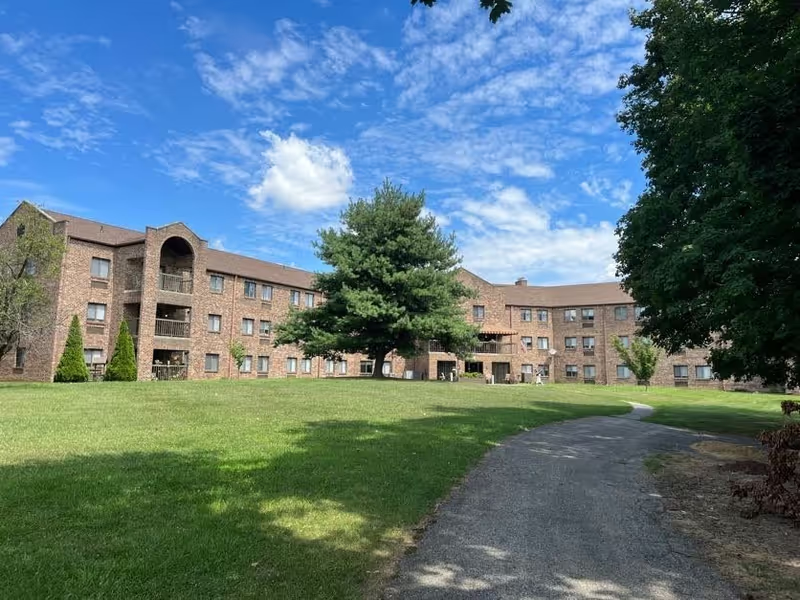
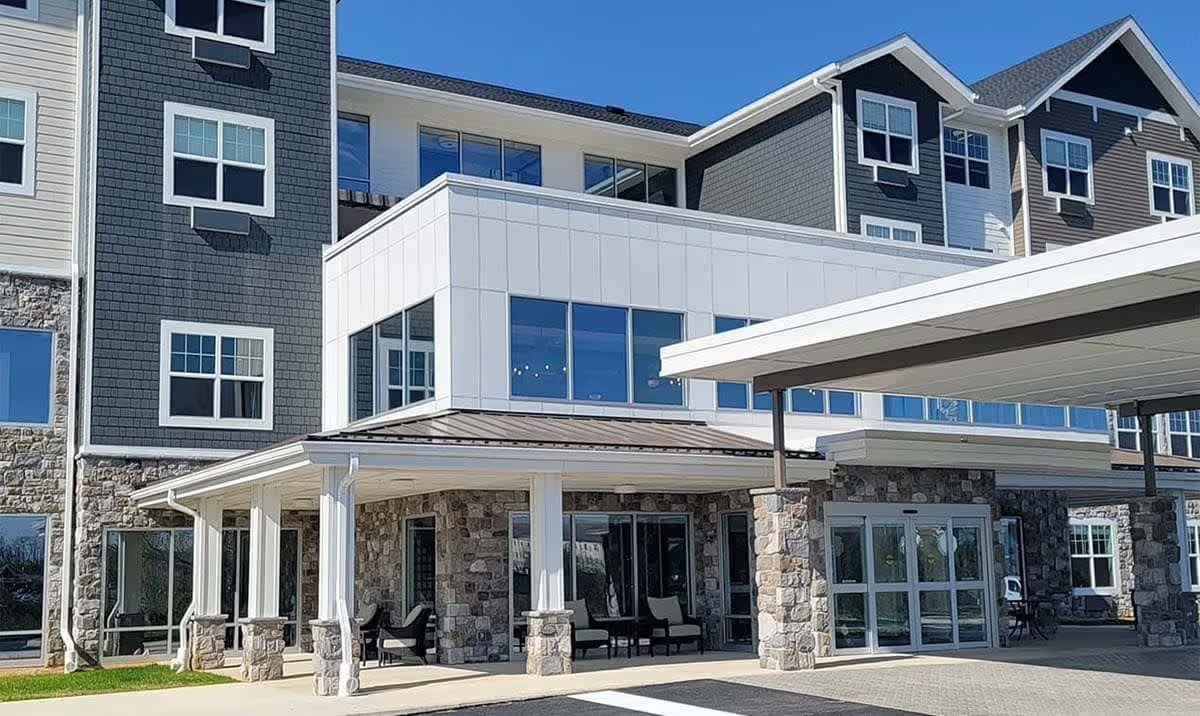
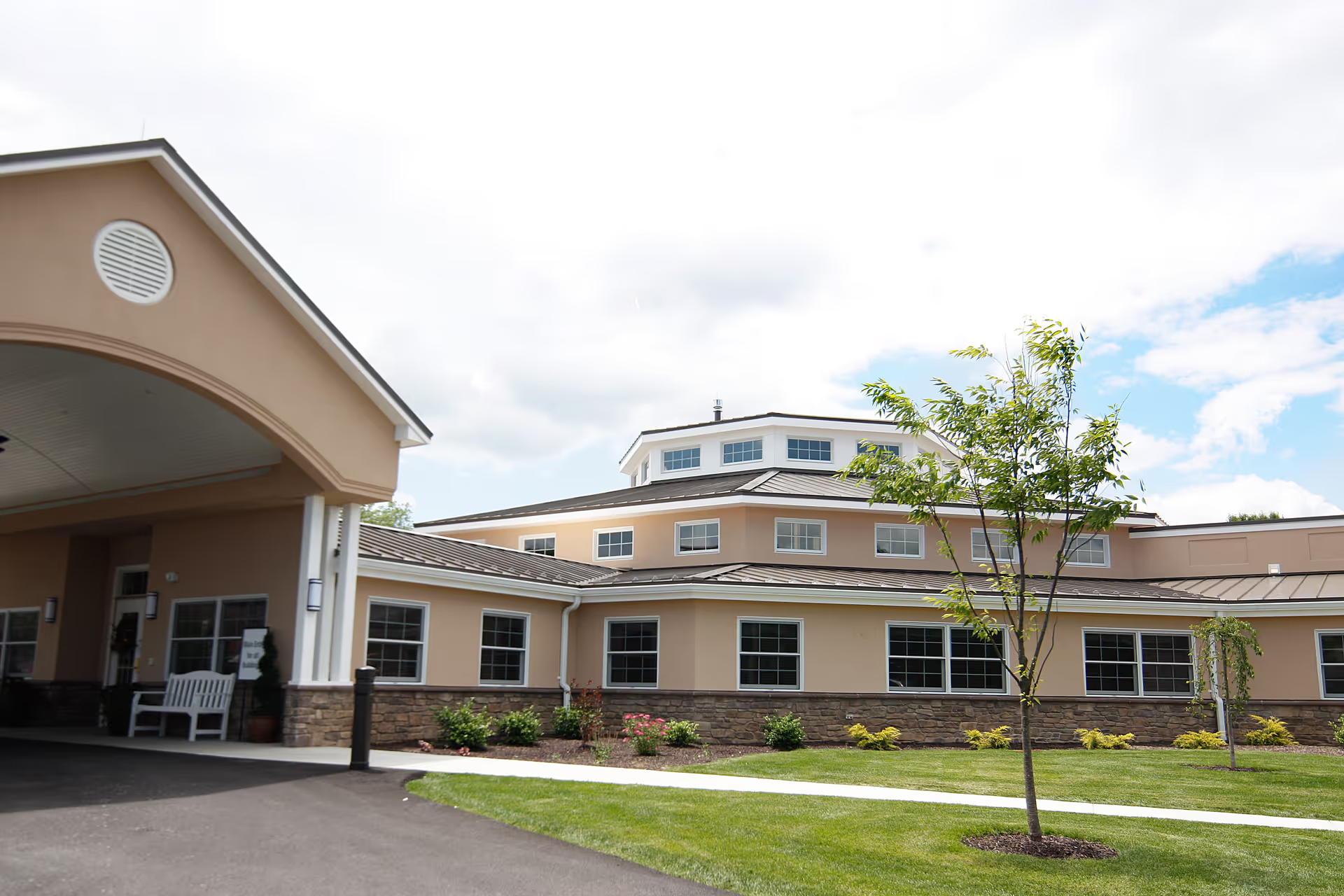
The physical plant is mixed: portions of the building have been renovated with larger, updated units, while other sections are older with smaller, closet-like rooms, narrow aisles, and dated finishes. Memory-care accommodations are present but described by some families as remote from main-floor activities and as having less atmosphere compared with the assisted- and independent-living areas. Housekeeping and sanitation are generally adequate, but there are intermittent concerns about cleanliness and odors in particular areas.
Management and communication present a split picture. Several families describe directors and intake staff as helpful, responsive, and supportive, while others cite inconsistent follow-through, difficulty reaching clinical staff, and service promises that were not always fulfilled (for example, transportation or outings). There are also references to historical staff turnover that has affected continuity of care, though some accounts indicate improvement after staffing changes.
Overall, Autumn House East appears to offer strong social programming, a compassionate staff culture, and useful on-site clinical and support services, making it a viable option for residents who need assisted living in a community-oriented setting. Prospective residents and families should assess the match between current staffing/care capabilities and any specific clinical needs (especially diabetes management and transfer assistance), and should tour both renovated and older sections to confirm room size and layout preferences.