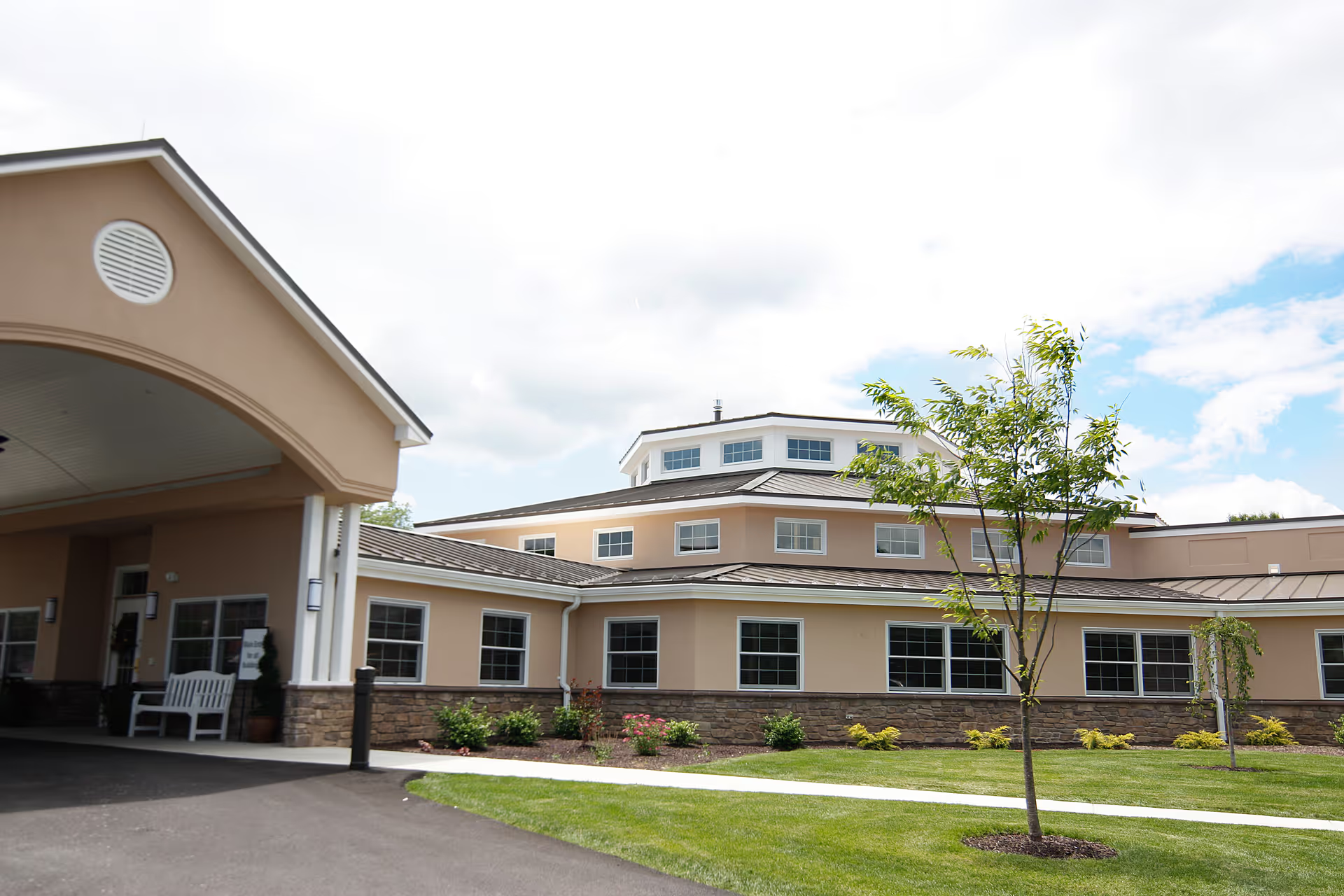
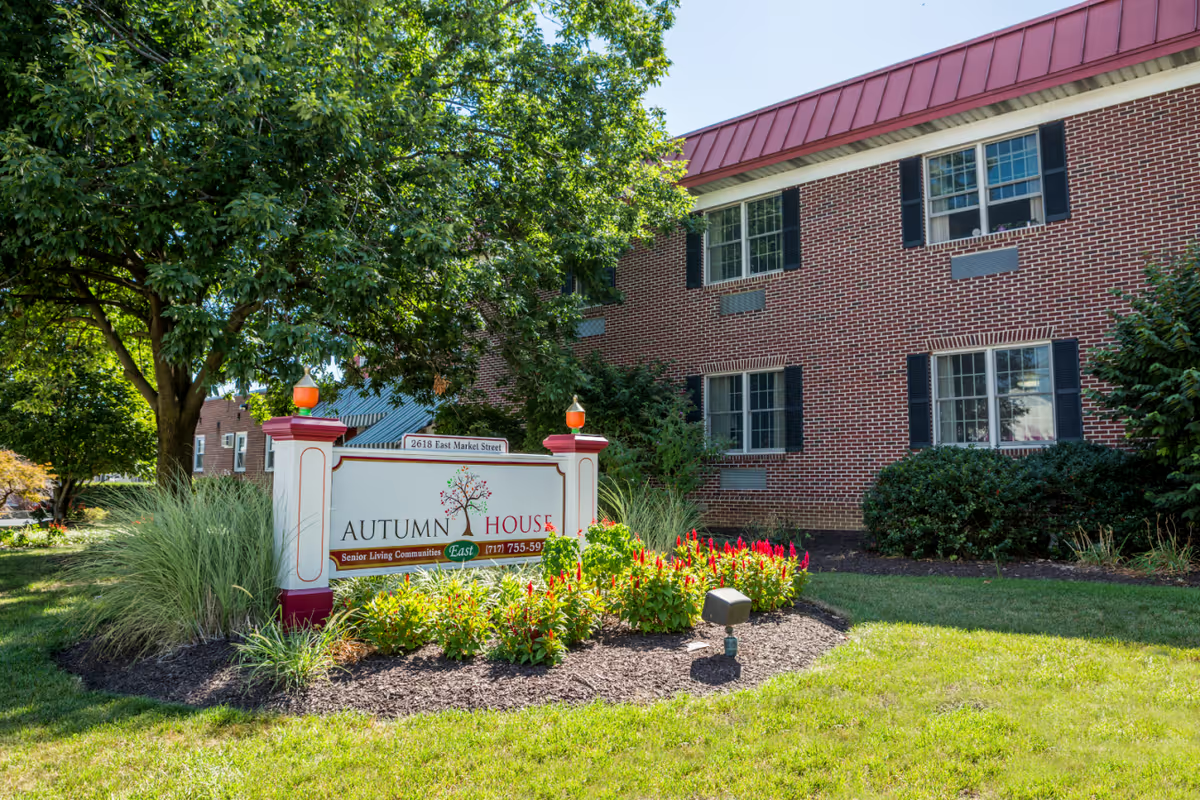
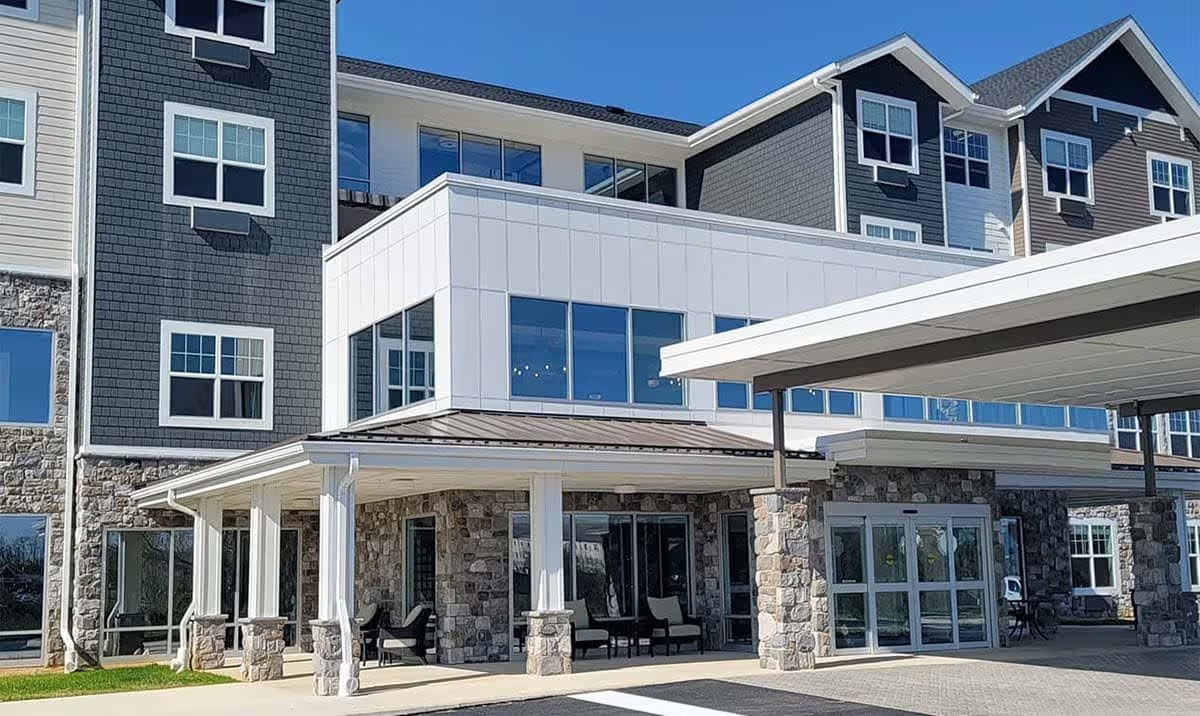
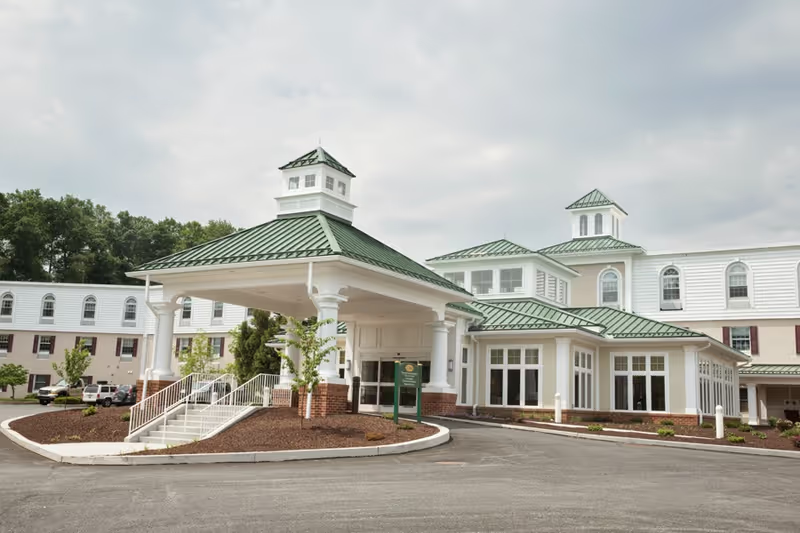
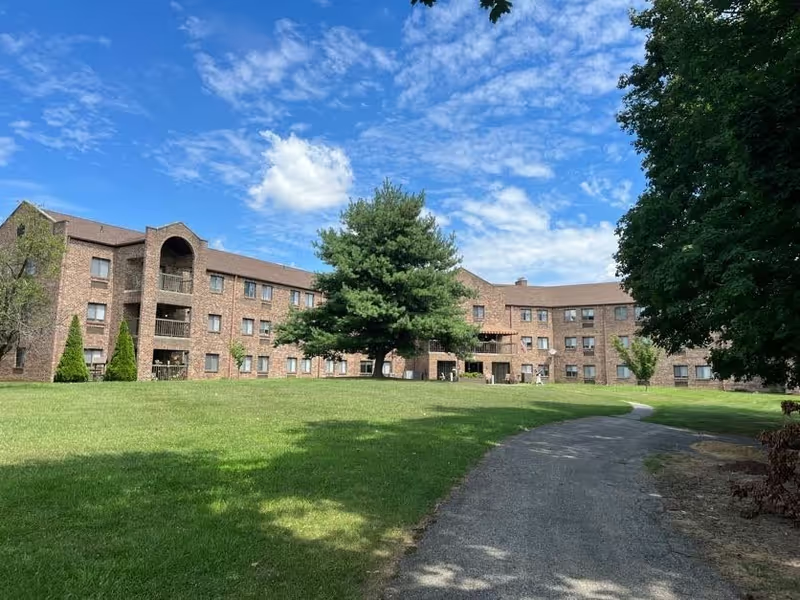
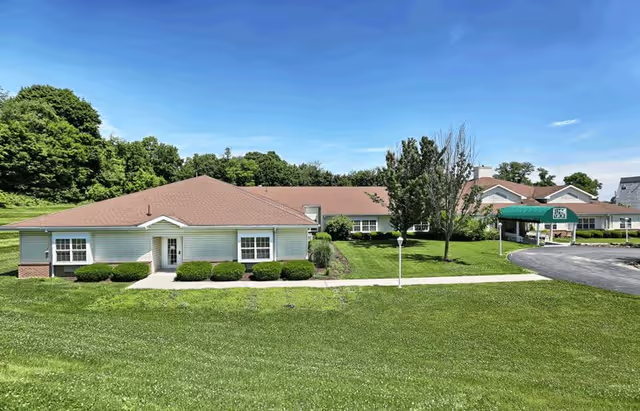
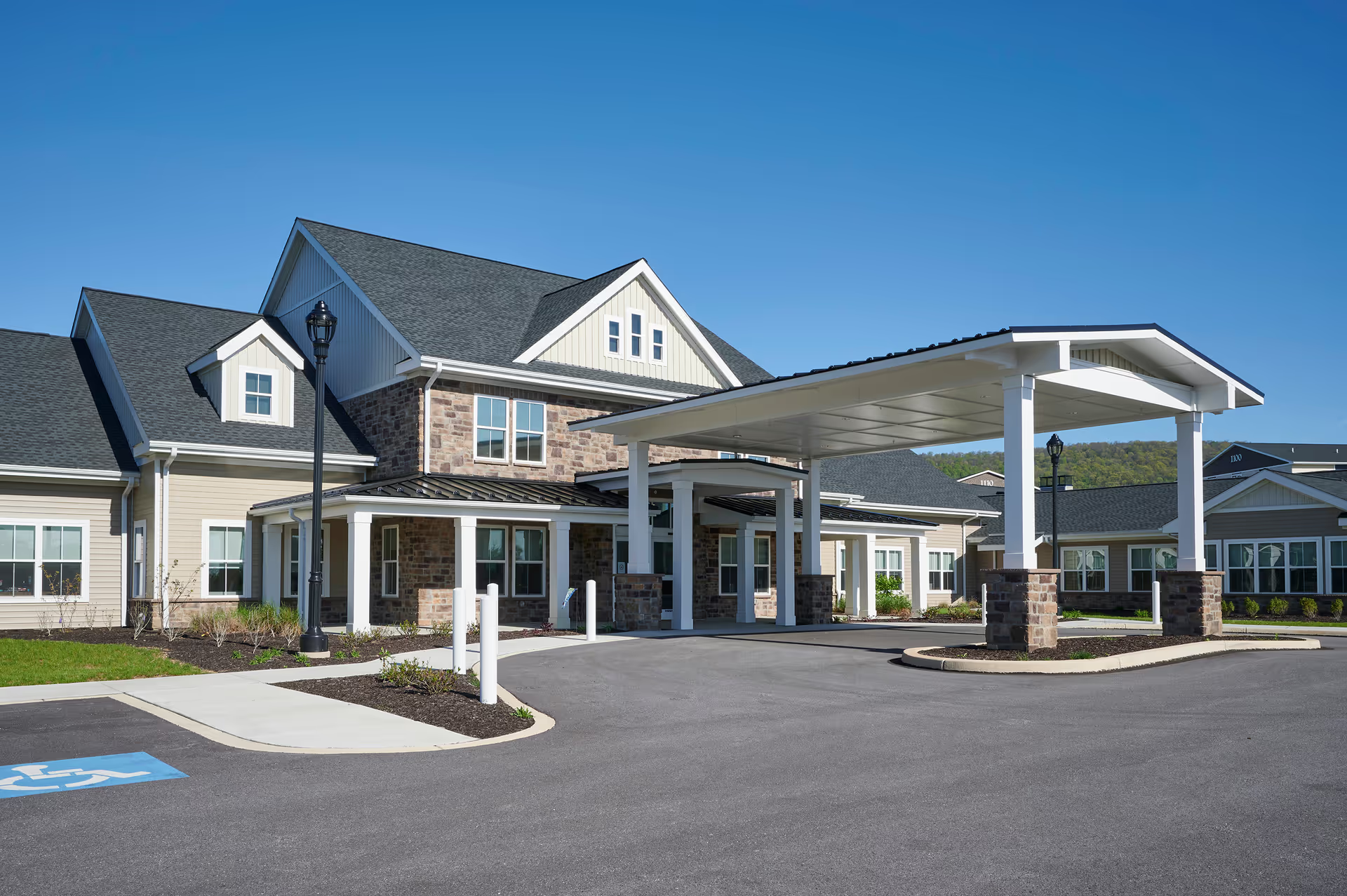
Providence Place presents a broadly positive physical environment and an active social program, paired with mixed operational reliability. The campus is frequently described as bright, clean, and well-maintained, with comfortable private apartments (many with kitchenettes and courtyard views), cozy common areas, and single‑story circulation that supports mobility. Families and residents commonly note attractive landscaping, pleasant dining rooms, and on-site amenities such as an on-site pub, fitness room, and library.
Care quality descriptions are mixed. Many families praise attentive long‑tenured caregivers, clear nursing communication, and proactive transition support into memory care. At the same time, multiple accounts indicate staffing instability and instances of understaffing that affect response times and help create uneven experiences—particularly in the memory care wing. There are specific operational concerns about transfer-safety and rehab readmission procedures that prospective families should clarify with the operations team before move‑in.
Staffing and culture are areas of divergence. Reviewers often distinguish between steady, experienced staff who are described as compassionate and communicative, and transient or newly assigned staff whose performance they view as inconsistent. This variability manifests as differences in responsiveness, tone of interaction, and adherence to promised services. Management communication receives both strong praise for transparency and move‑in assistance and criticism for occasional unprofessional interactions and uneven follow-up; prospective families should evaluate current management stability during tours.
Dining and daily life are generally strengths, with many residents enjoying varied menus, family‑style seating, scheduled meals, dessert carts, and abundant activities (bingo, chair yoga, culinary classes, live music, outings). However, there are recurring notes about inconsistent food preparation and specific gaps in accommodating modified textures or swallowing needs; families with special dietary or texture requirements should discuss meal‑service protocols and testing options with dining leadership.
Operational and safety matters merit attention. Several reviews point to inconsistent sanitation practices and limited access to personal-care supplies at times, along with occasional odor concerns in some areas. There are also mentions of incidents that raise questions about resident property security and medication/physician coordination. Cost transparency and service inclusions come up as a concern for some families—examples include rising daily rates, exclusive pharmacy relationships, and services such as laundry not being included in base fees.
In summary, Providence Place offers many of the hallmarks families look for—clean, attractive facilities; a robust activities program; on-site amenities; and strong support from long‑standing staff members. The primary operational risks are staffing instability and variable execution of clinical, sanitation, and dining accommodations. For prospective residents and families, an in‑person tour that checks current staffing levels, transfer protocols, dining accommodations for special needs, sanitation procedures, security controls, and written cost/service inclusions will be important to assess whether the facility’s strengths align with individual care requirements.