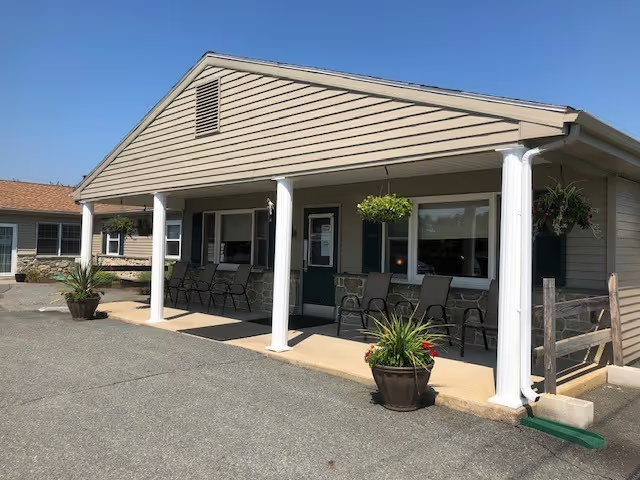
Amoroso Wellness at York is frequently described as a warm, family-oriented assisted living community with a strong emphasis on resident relationships and hospitality. Many families cited compassionate caregiving, personalized attention, and an on-site nursing presence as central strengths. Staff are commonly characterized as attentive, patient, and responsive; management communication and regular phone updates to families were highlighted repeatedly. The community offers supportive end-of-life and hospice services and is noted for fostering social connections among residents.
Dining and activities are prominent strengths. Reviewers often praised a restaurant-style dining experience with table service, varied menus, and room-service or delivered breakfasts. Several accounts described large portions, multiple entree choices, and a pleasant, remodeled dining room. The activities program is robust: an active director, scheduled daily events, social hours, themed activities, and transportation to appointments contribute to a lively social environment. Veterans’ recognition and local-speaker events were also noted.
Facility appearance and amenities draw consistently favorable comments. The building and grounds are described as clean and well-kept, with recent carpet and lobby updates, attractive common spaces, patios, walking areas, and some units with balconies. Rooms are often described as roomy with ample closet space. Safety features such as pendant call systems are in place, and families appreciated the ability to dine with residents by arrangement.
However, reviewers also identified several operational weaknesses. Staffing consistency is a recurrent concern: day shifts are frequently praised, while night shifts and dementia-unit coverage were described as thin at times. These staffing patterns were tied to reports of delays in responsiveness, gaps in clinical workflows, and an increased burden on available aides. Relatedly, some families described issues with medication handling and clinical coordination that they felt reflected capacity strains rather than deliberate practice failures.
Housekeeping, laundry, and sanitation were generally positive but uneven in places. While many accounts describe a clean, odor-free environment, there are recurring mentions of sanitation concerns in particular areas and inconsistent housekeeping or laundry turnaround. A smaller set of accounts raised allegations of missing personal items, which points to a need for tighter property controls. Accessibility and design issues were also noted: some bathrooms are small with inward-opening doors and limited walker accessibility, and one reviewer described the memory-care outdoor enclosure in terms that made visiting feel restrictive.
In summary, Amoroso Wellness at York appears to deliver a high level of social engagement, appealing dining, and compassionate daytime caregiving, making it a good fit for families seeking an active, home-like assisted living environment. Prospective residents and families should weigh those strengths against recurring operational concerns—particularly staffing variability across shifts, dementia-unit resourcing, and occasional housekeeping or clinical coordination gaps—and discuss these topics directly with administration during tours and contract review to understand current staffing patterns and mitigation plans.