Country Meadows is consistently described as a well-appointed, hospitality-oriented retirement community with a strong emphasis on personalized, respectful caregiving. Families and residents commonly highlight caregiving teams as a core strength: staff are characterized as compassionate, attentive, and engaged, with a favorable staff-to-resident ratio and many long-tenured employees. This staffing pattern supports individualized attention, routine check-ins, and rapport-building between staff and residents, which reviewers associate with improved well‑being and family reassurance.
Dining and daily life are frequently praised. Multiple dining venues, bistro-style options, and a varied menu are noted as positive features, and many reviewers describe the meal service as enjoyable and social. Activity programming is broad and active — daily crafts, exercise classes, outings, entertainment, spiritual services, and memory-support activities are regularly available. On-site therapy and rehabilitation services, fitness centers, and pool access are also cited as contributors to recovery and sustained mobility for residents.
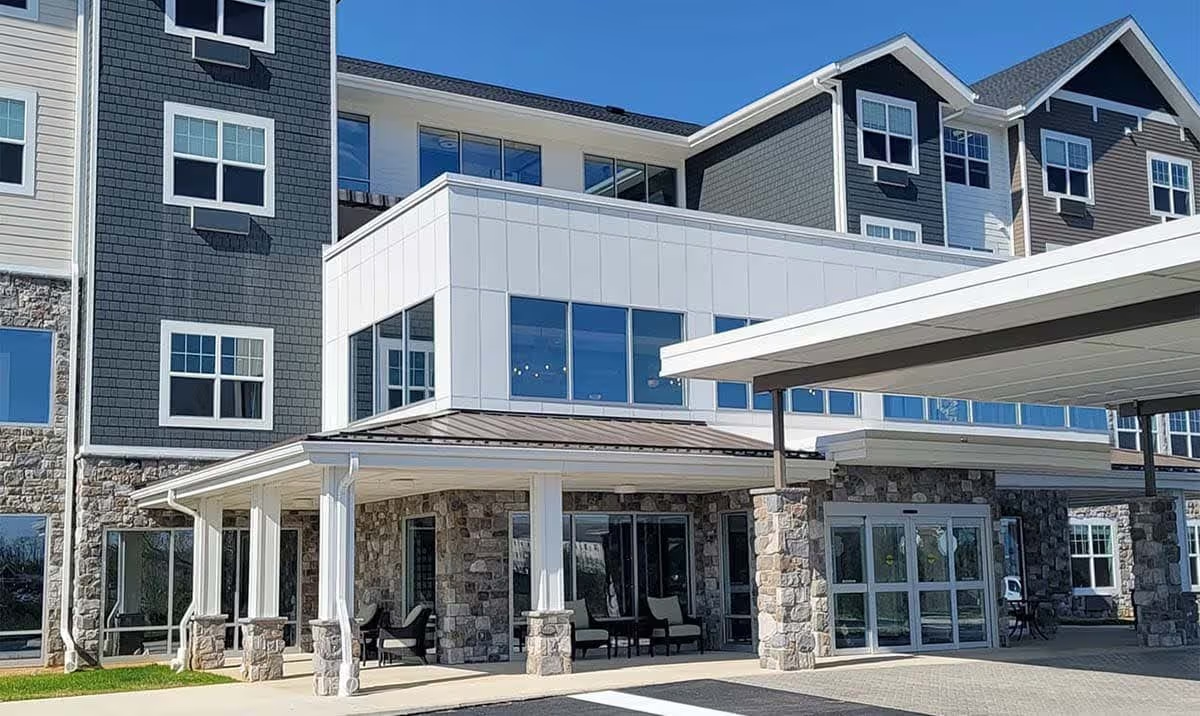
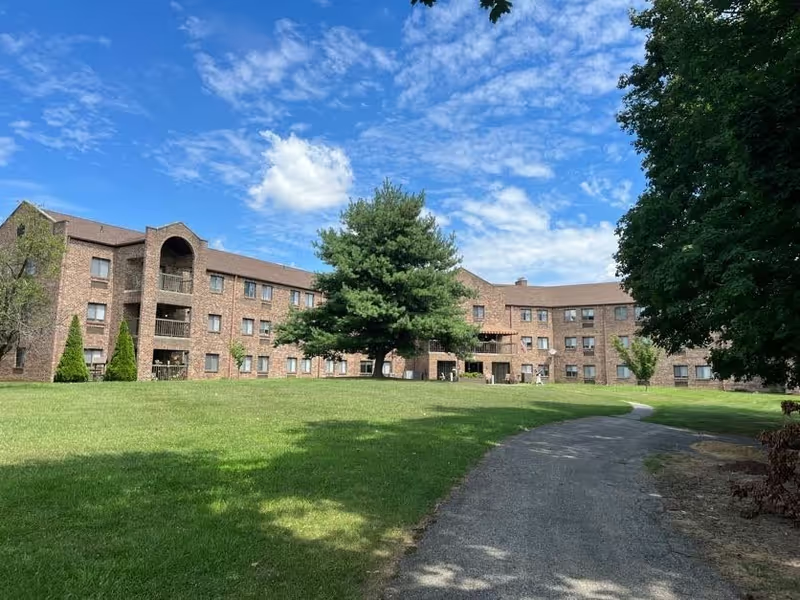
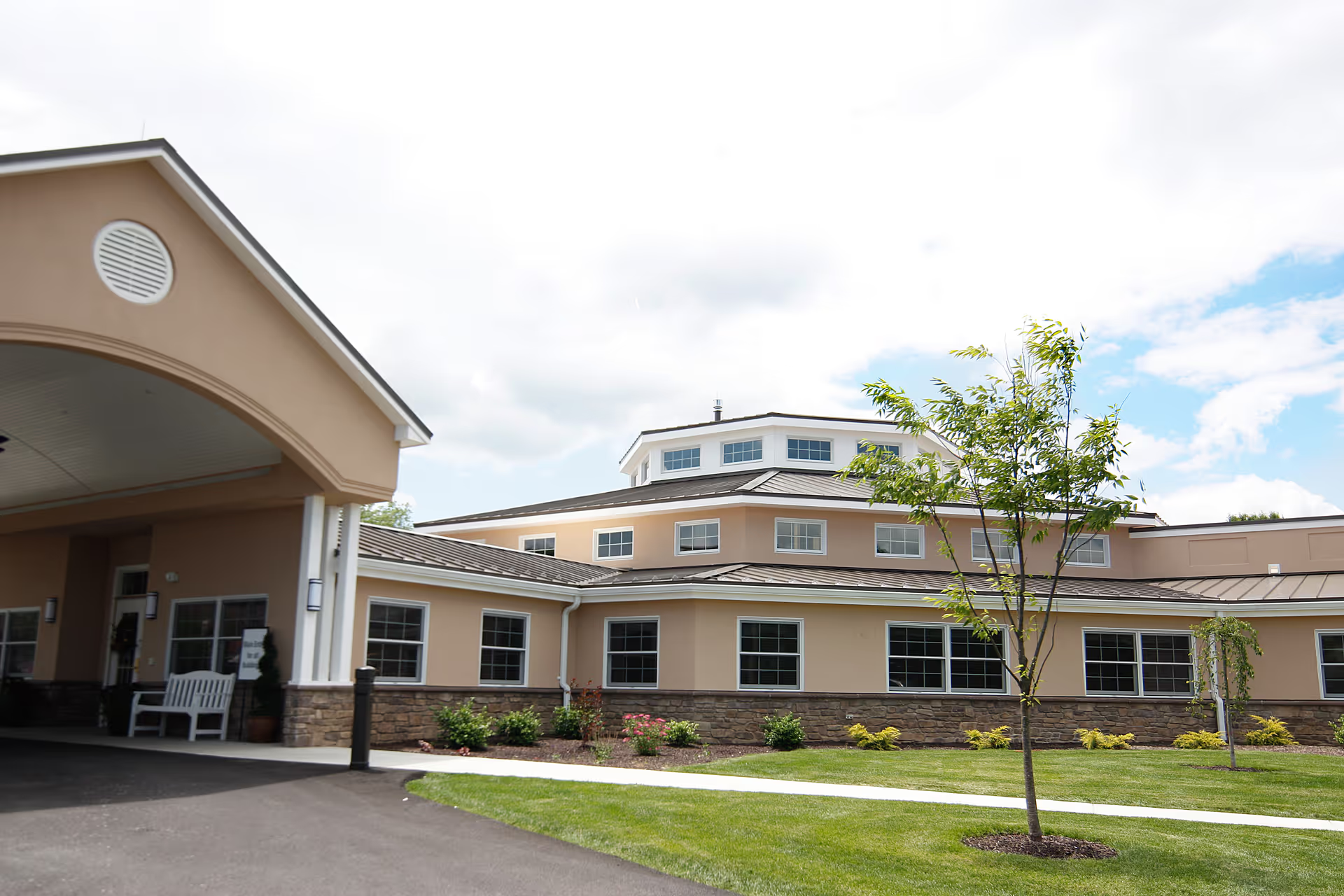
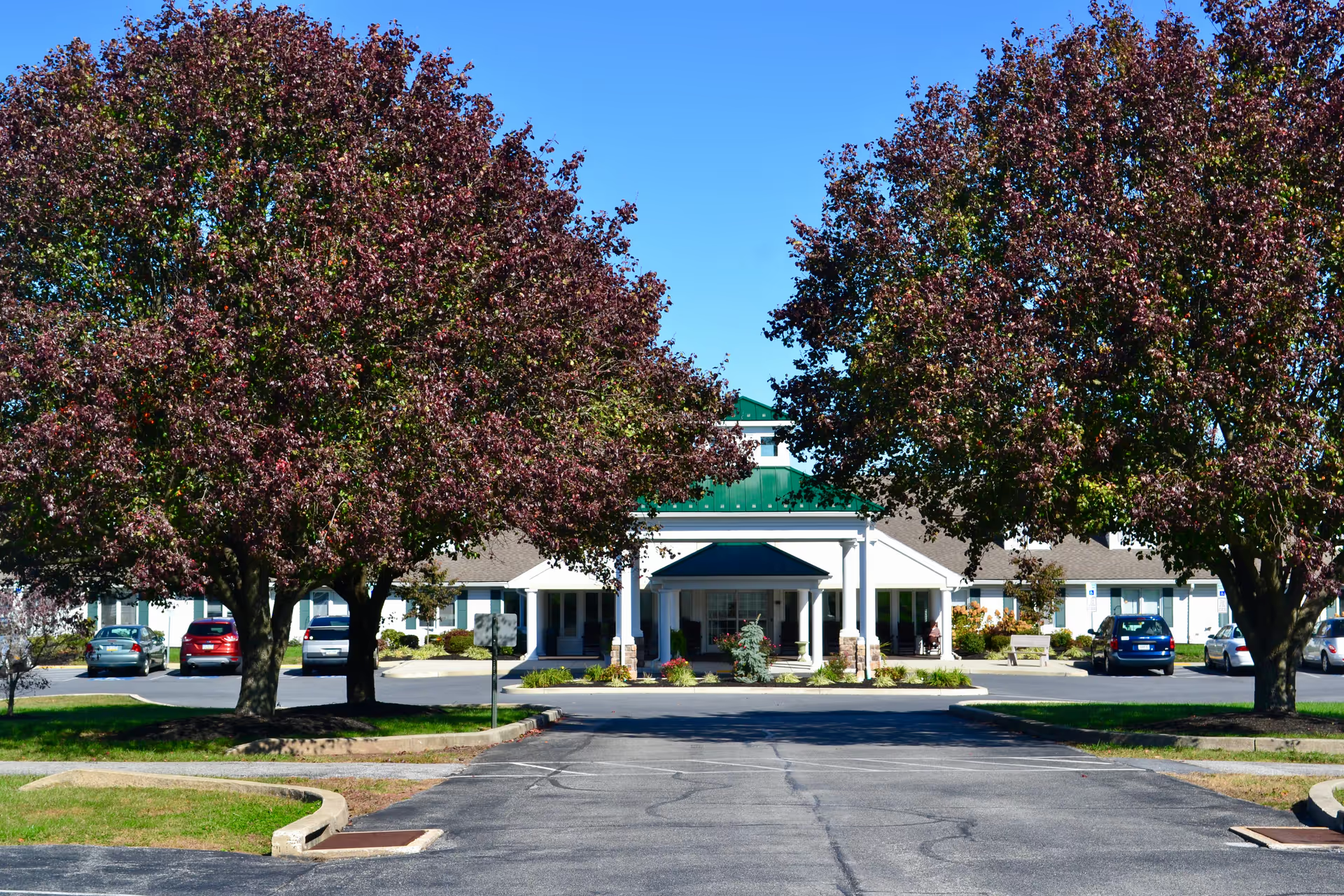
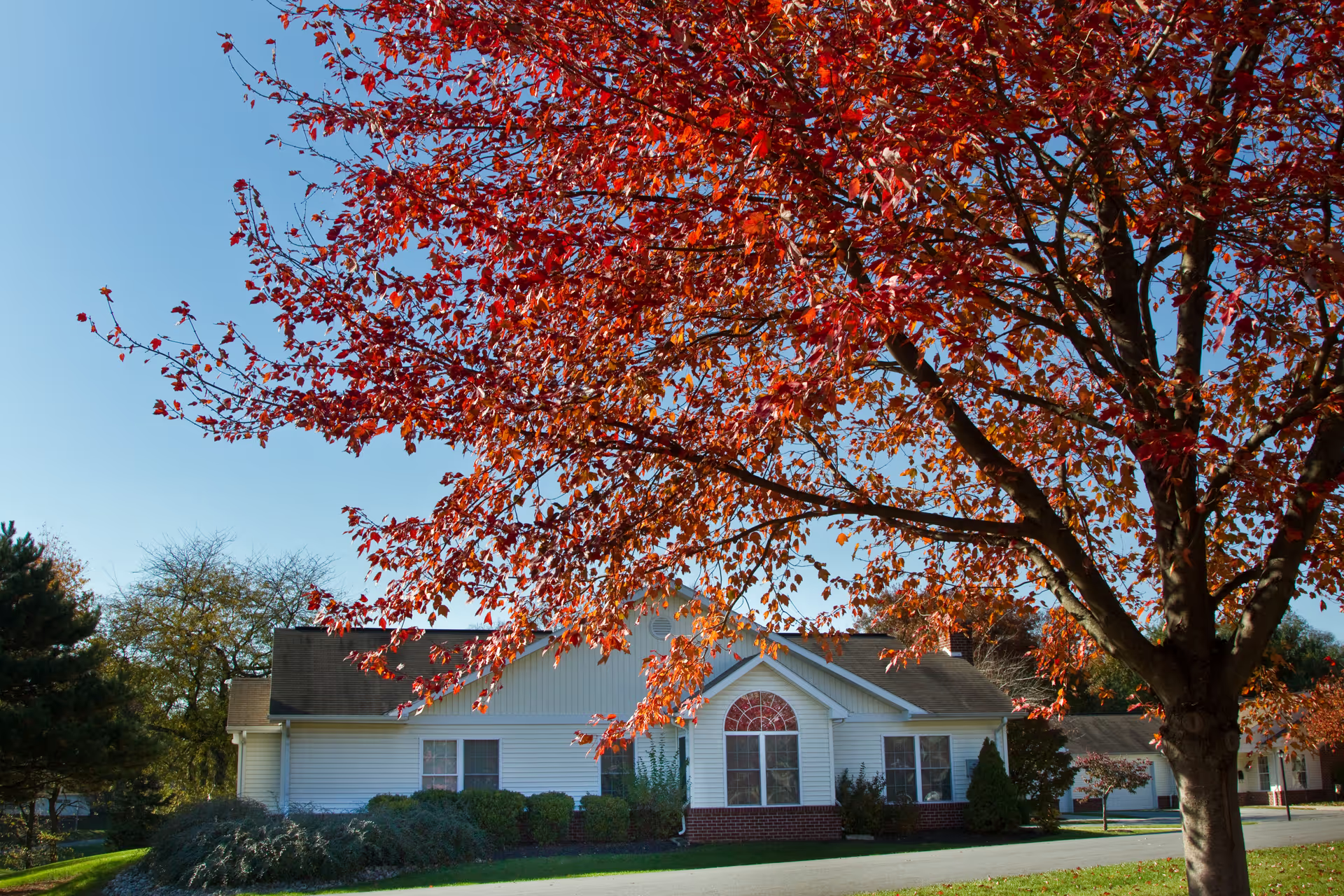
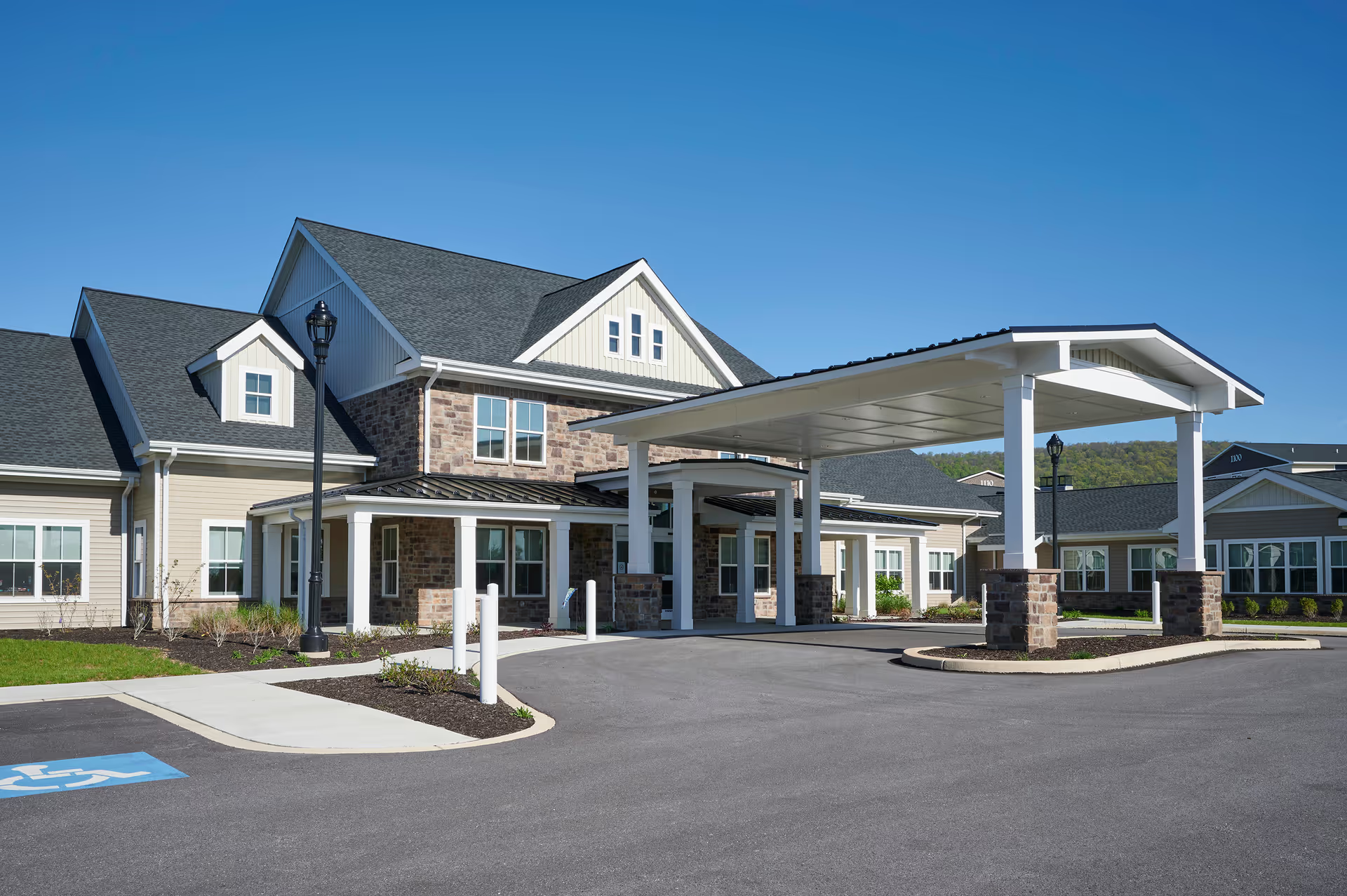
The physical campus receives repeated commendation: reviewers describe clean, beautifully maintained buildings and grounds, hotel-like decor, spacious apartments (some with kitchens and in-unit laundry), and responsive maintenance and housekeeping teams. The community atmosphere is described as warm and welcoming, with strong opportunities for family involvement, open visitation, and social connection among residents.
Notwithstanding these strengths, reviewers also identify operational patterns that prospective families should evaluate. There are recurring concerns about dementia-care leadership and consistency: some families experienced perceived misassessments of abilities, short tenures in memory placements, or decisions about placement changes that felt abrupt. Staffing continuity and turnover emerged as another theme — while many staff are praised for stability, other accounts note variable staff continuity that can affect consistency of care.
Several reviewers raised financial and service-transparency issues, including undisclosed ancillary costs (private aide fees) and perceptions of high pricing relative to value. A smaller but meaningful set of concerns relates to meal-service consistency (reports of cold meals or variable quality) and to intermittent gaps in supervision or therapy staffing that affected timing or availability of services. These operational items were most often described as exceptions rather than the norm, but they are material for families who require reliable clinical oversight or intensive rehabilitation.
In summary, Country Meadows presents as a high-quality, service-focused retirement community with notable strengths in staff engagement, campus amenities, dining variety, and programmatic offerings. Prospective residents and families should plan focused conversations around dementia-care protocols and placement-retention policies, fee transparency for private caregiving, and how the community manages staffing continuity and therapy capacity. Those priorities will help align expectations with the generally positive culture and operational model that many families describe as delivering safety, social engagement, and peace of mind.