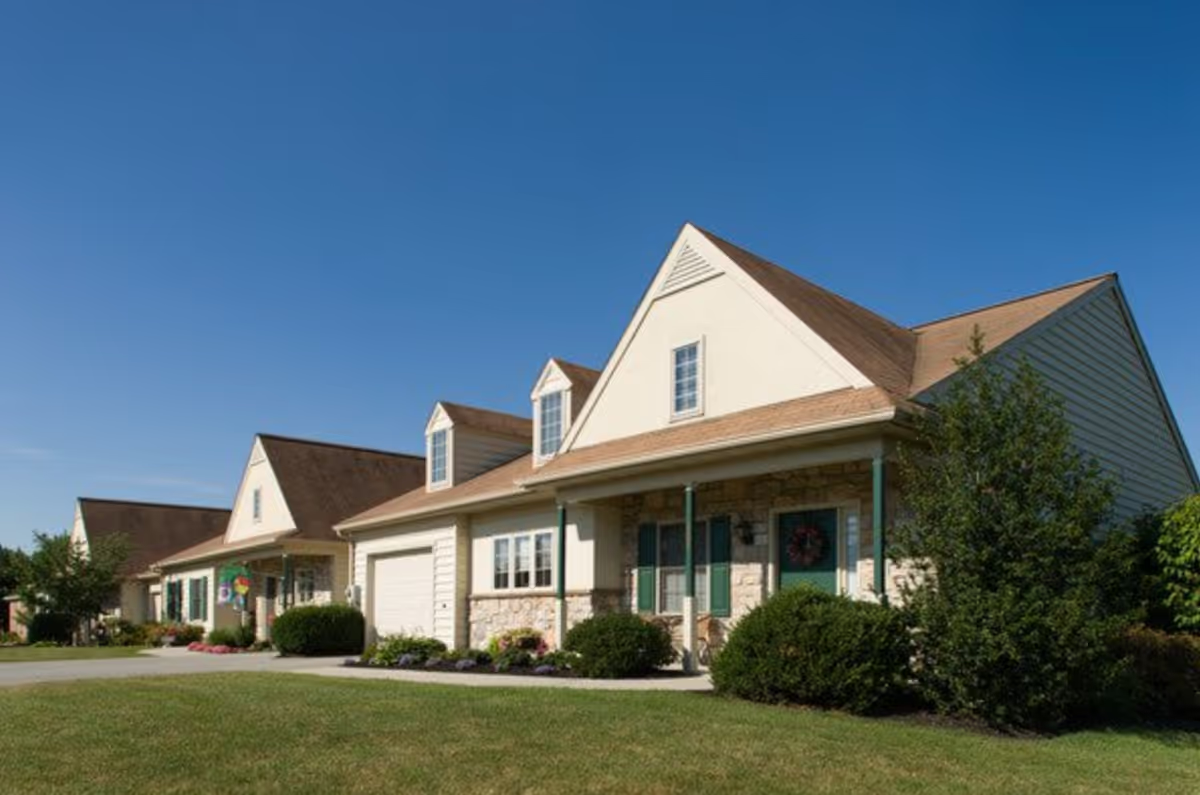
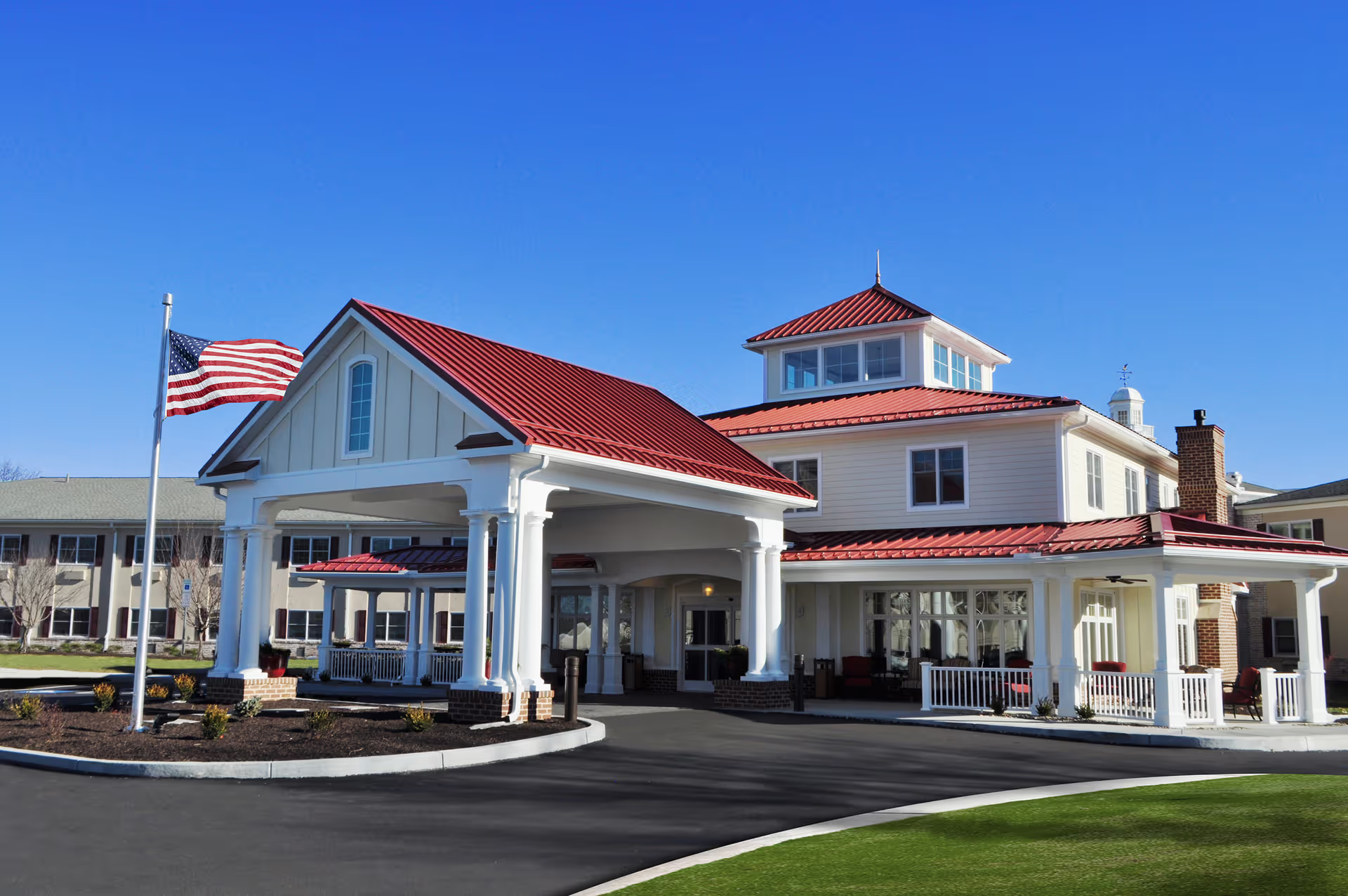
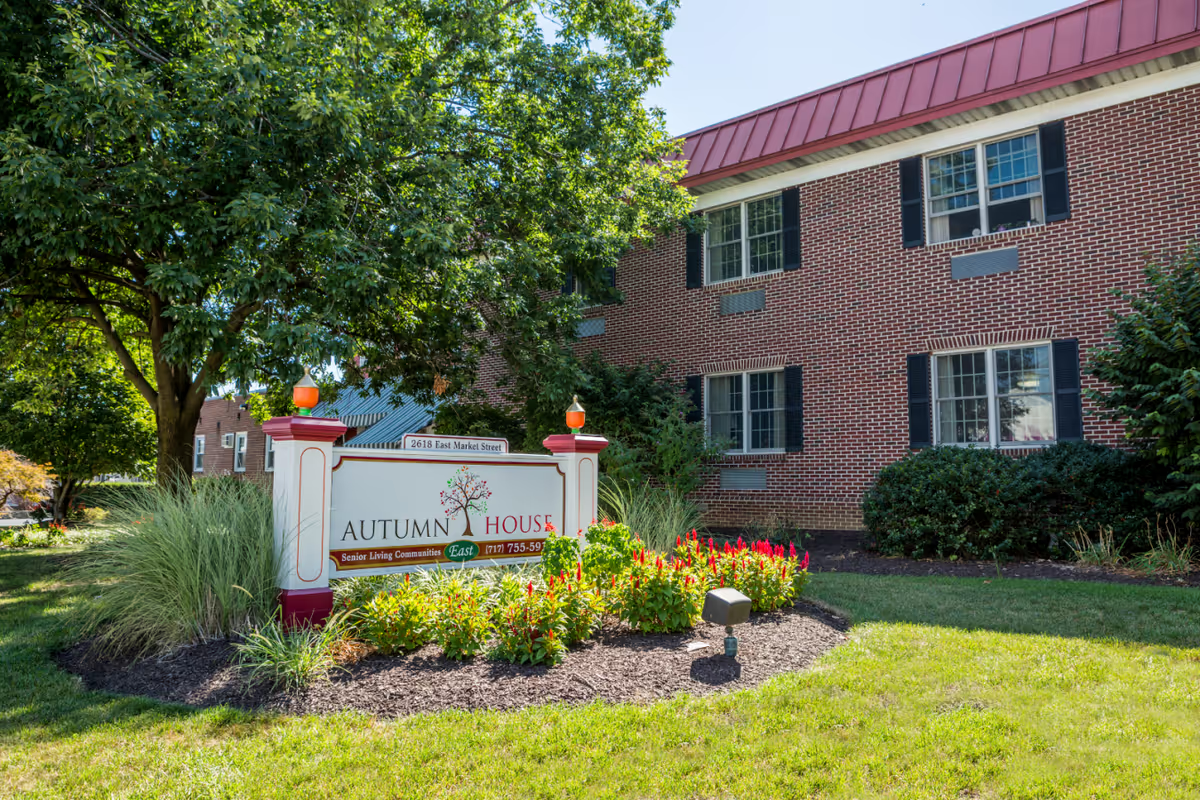
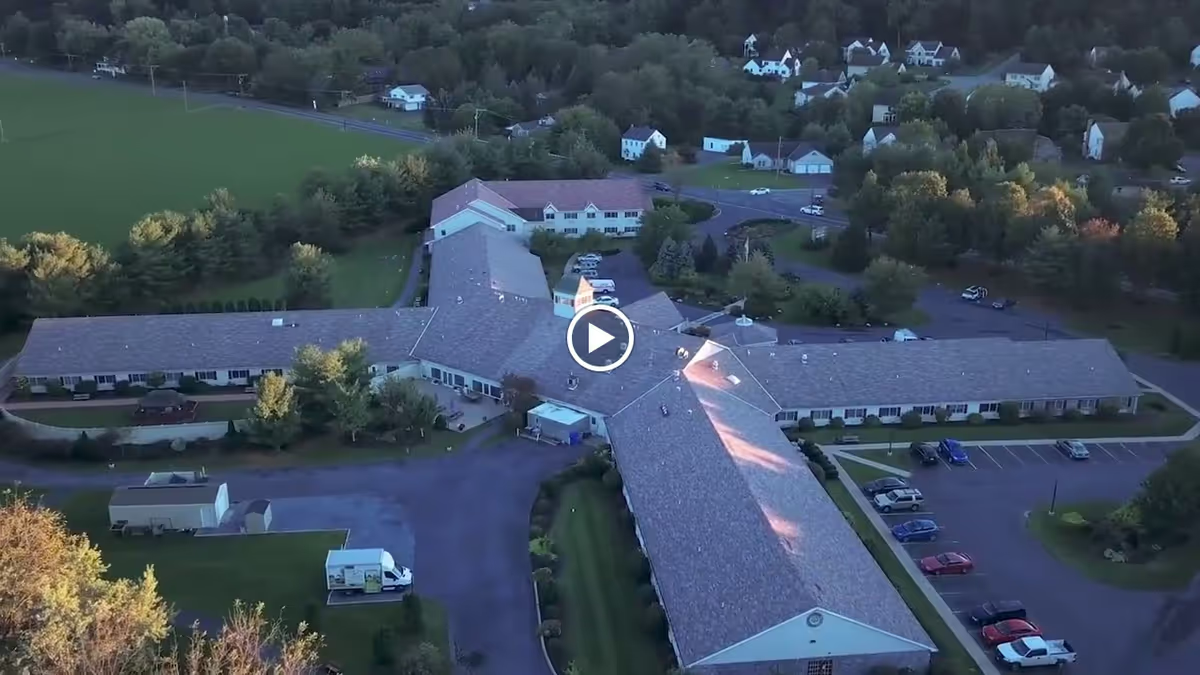
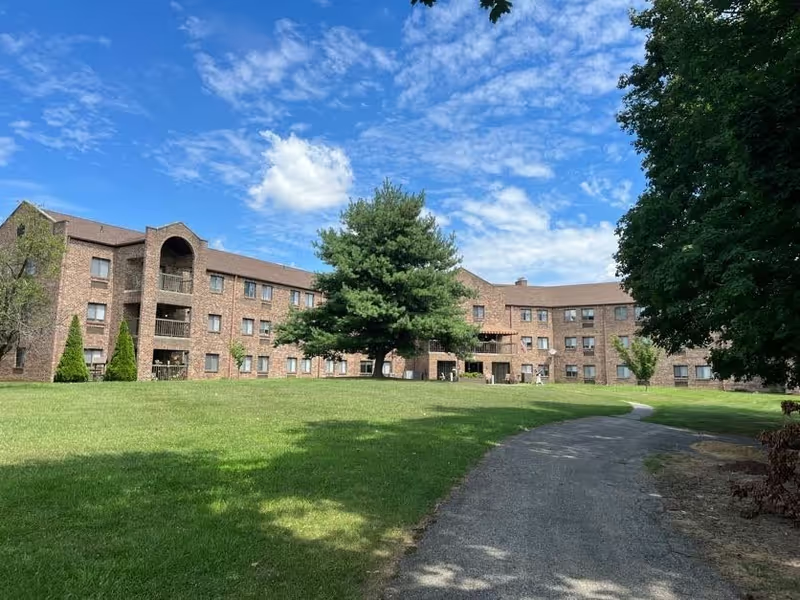
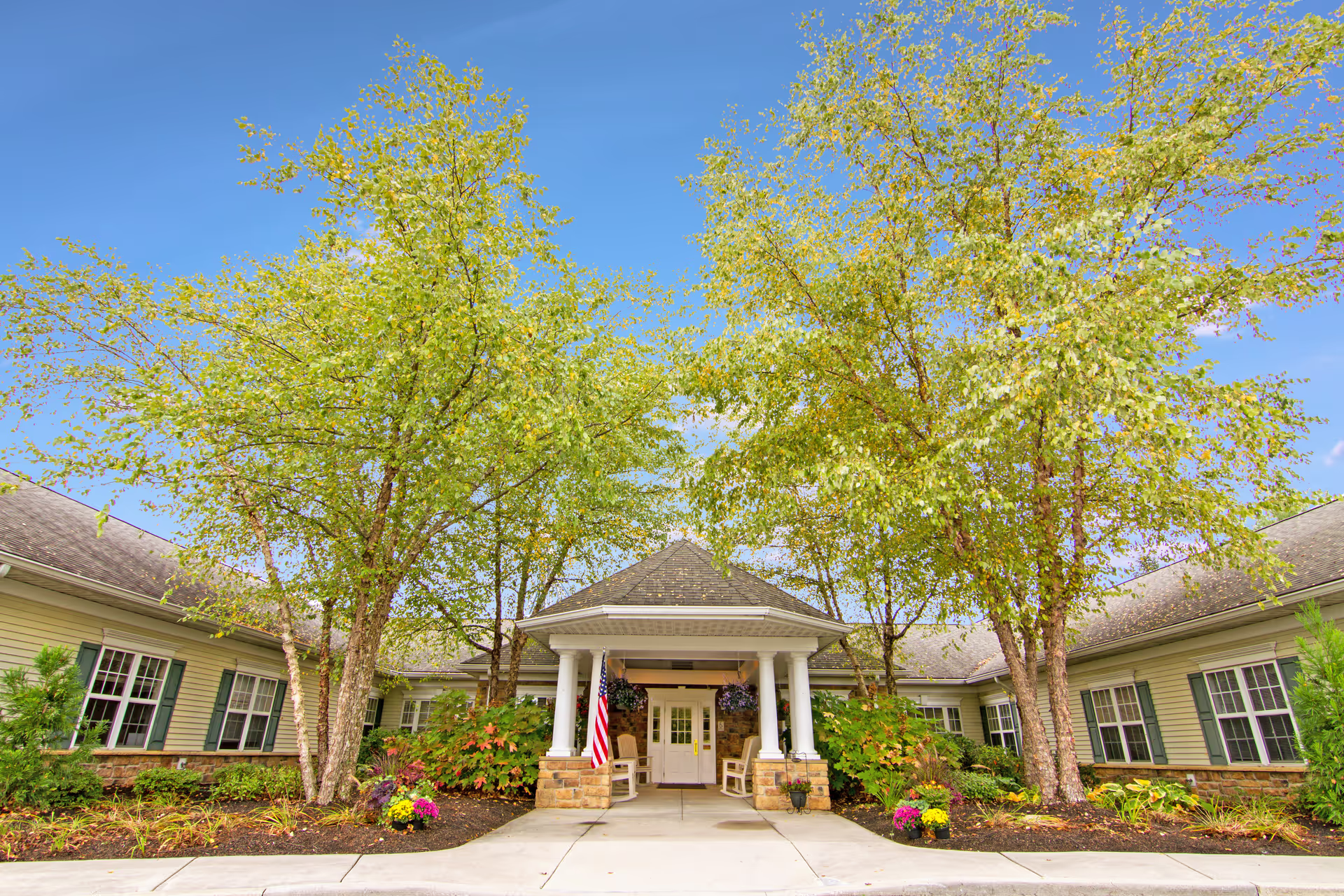
Masonic Village at Elizabethtown is described across reviews as a large, well-resourced continuing-care retirement community (CCRC) with strong campus amenities and a resort-like atmosphere. Strengths most consistently noted include a broad selection of dining venues with high-quality, multi-course meals and flexible meal plans; extensive on-site services such as bank, post office, pharmacy, dental and medical clinics; and a comprehensive wellness infrastructure comprising fitness centers, pools, spa services, and therapeutic programming. The campus and grounds are repeatedly characterized as meticulously maintained, scenic, and accessible, with extensive walking trails and seasonal landscaping that residents appreciate.
Care and clinical services receive largely positive comments. Reviewers highlight on-site primary care, lab services, transitional care and rehabilitation units, hospice continuum, and generally responsive emergency and clinical staff. Many families report timely clinical communications and compassionate end-of-life care. At the same time, there are operational concerns about staffing consistency: some reviews point to periods of limited staff availability or floor-level shortages that affected routine assistance and responsiveness. Reviewers also mention wait lists for specific unit types and for higher levels of care, which can delay placement when care needs change.
Staff interaction and community integration are frequently praised: staff are described as friendly, competent, and helpful, with organized resident-mentor and move-in assistance programs that ease transitions. Residents report abundant opportunities for socialization through clubs, concerts, lectures, crafts, and off-campus trips; the activity program is broad and well-staffed. However, reviewers also describe isolated administrative and operational weaknesses — billing errors, occasional housekeeping or sanitation lapses in some units, and scheduling coordination issues during renovation projects — that indicate variability in day-to-day administrative performance.
Dining and amenities are core selling points but not uniformly consistent. While many residents compare the dining to cruise-ship or restaurant-style service and praise portion sizes and menu variety, others note variability in meal quality across different venues. The campus’s size and ongoing construction or renovation activity can produce periodic disruptions; reviewers advise prospective residents to ask about current and planned projects and their expected impact.
A small number of serious concerns appear in the reviews and merit attention. These include individual allegations of inappropriate staff conduct and descriptions of restrictive transfer or visitation practices during certain incidents. Such claims are not the dominant theme in the body of feedback but are sufficiently serious that families should inquire directly about incident reporting, complaint resolution, staffing ratios, and visitation/transfer policies. Other recurring practical considerations include the community’s high upfront entry and monthly costs and limited racial and ethnic diversity among residents and staff.
Overall, the prevailing pattern is of a well-appointed CCRC offering extensive amenities, varied and generally high-quality dining, on-site medical and rehab services, robust activity programming, and attractive grounds. Prospective residents and families would be well served to tour the campus, request current staffing and occupancy information, review fee and billing procedures, ask about wait-list timelines and transfer policies, and seek transparency on incident reporting and renovation schedules before committing.