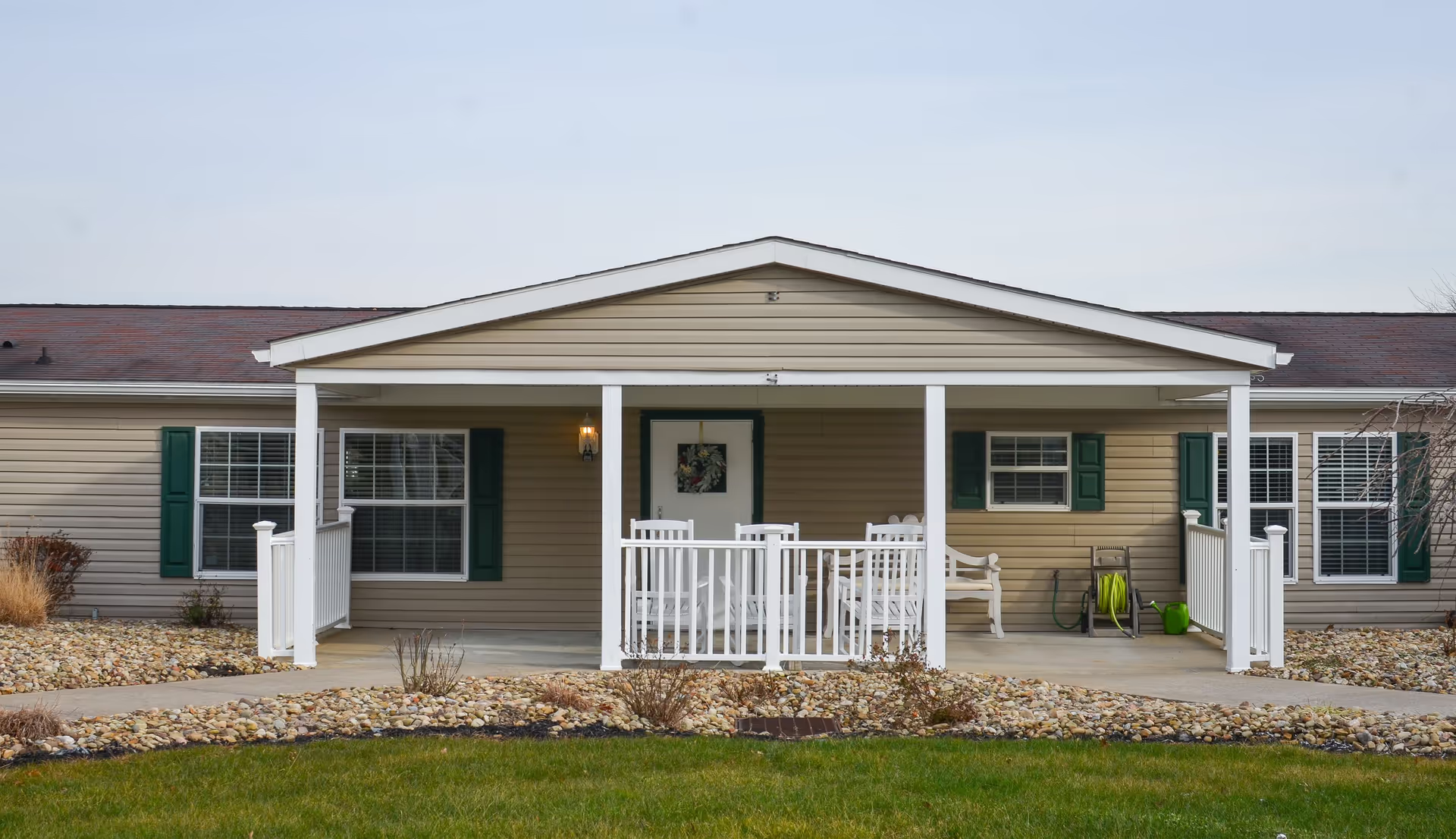
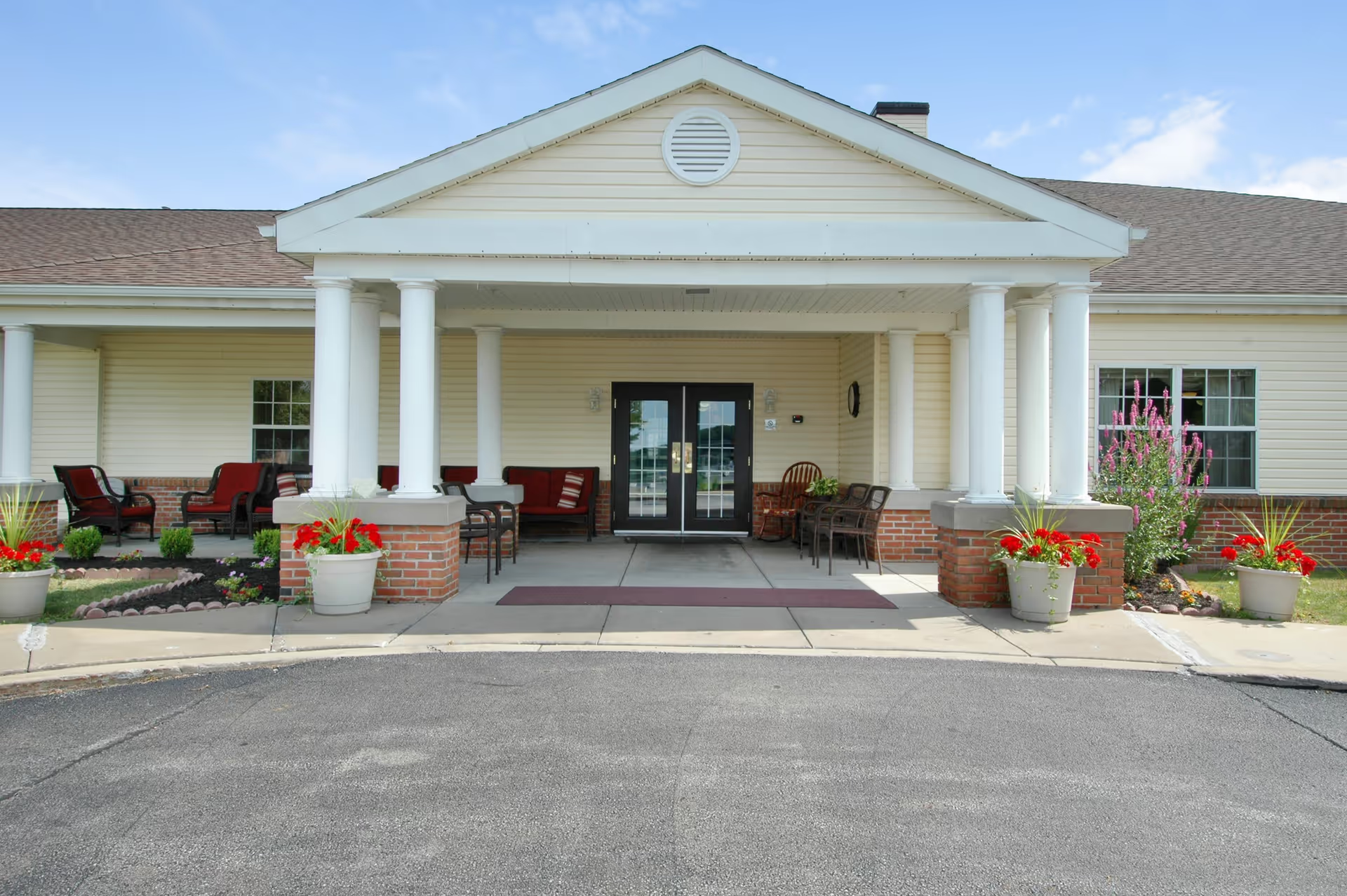
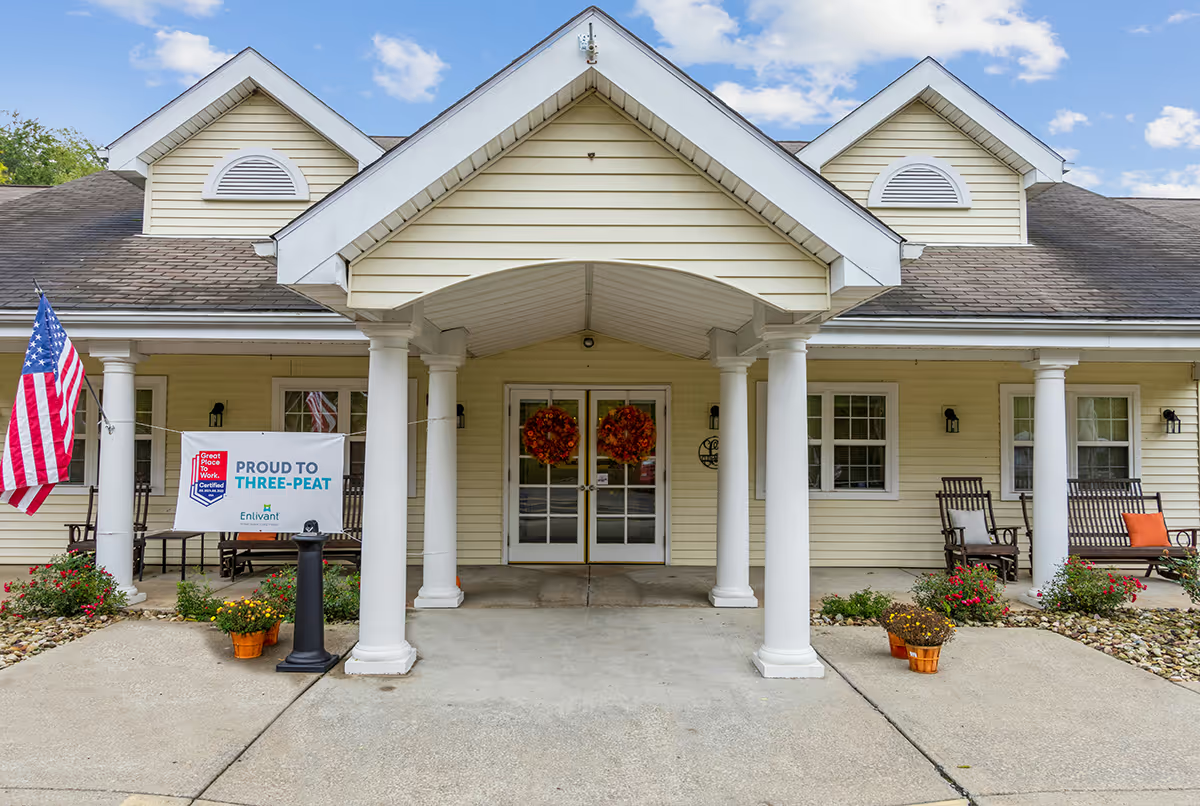
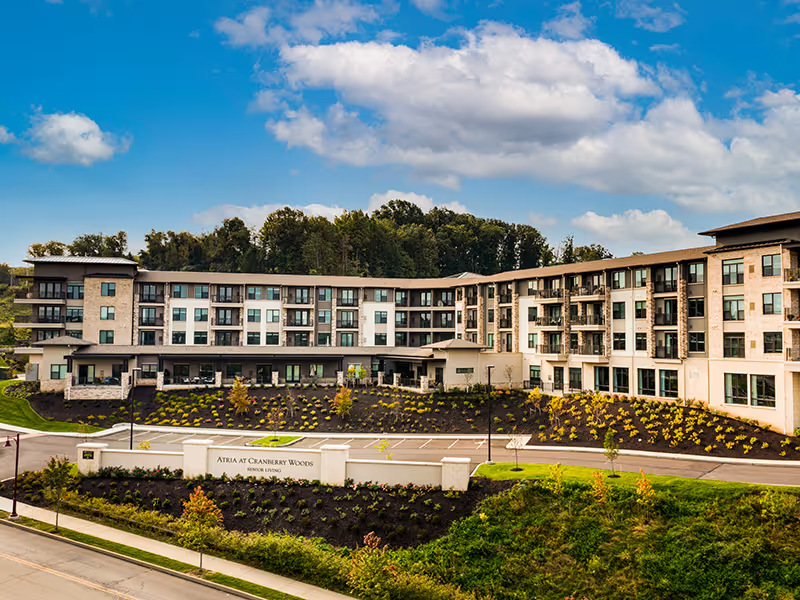
Trinity Oaks Personal Care presents as a well-maintained, attractive personal-care setting with clear strengths in its physical environment and dining program. Reviewers consistently describe spacious private rooms with en-suite bathrooms, clean common areas, and a large restaurant-style dining room. The facility's kitchen and culinary staff are noted as professional, offering visually appealing meals and menu alternatives that contribute to a positive dining atmosphere.
On daily-care and staffing, many comments emphasize caring and friendly employees and a generally pleasant resident atmosphere. These observations suggest staff interactions are often warm and residents appear content in communal spaces. However, there are operational and clinical limits to the site's service profile: the facility is described as better suited to lower-acuity personal-care needs rather than residents who require higher-level clinical or skilled nursing care. Prospective residents with complex medical or mobility needs should verify the facility's clinical capabilities, staffing levels, and transfer protocols.
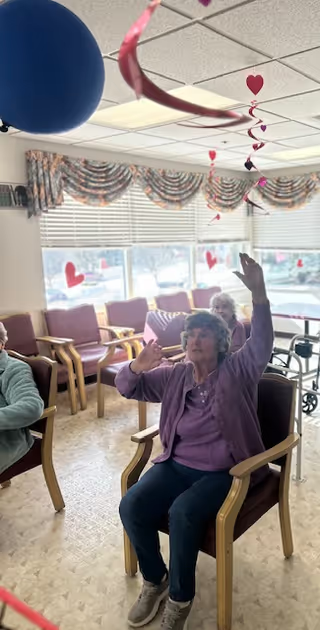
Programming and capacity are additional areas to consider. The facility is characterized as smaller, and reviewers note fewer scheduled activities and limited single-occupancy room availability. Those factors can affect social engagement opportunities and privacy options for residents. Families seeking a broad activity calendar or private-room availability may find these aspects restrictive and should inquire about current activity schedules and room configurations.
A notable concern raised relates to hiring and safety controls. Some comments point to gaps in staff hiring and background-screening practices and to broader safety and security practice questions. These are operational-level issues that affect confidence in oversight; families should request details about staff screening, training, supervision, and incident-response procedures during their tour and admissions discussions.
In summary, Trinity Oaks appears to offer a welcoming physical environment and a strong dining experience with attentive staff for residents with modest care needs. The primary trade-offs are limited higher-acuity clinical support, constrained activity programming, smaller facility capacity, and questions about staffing-screening and safety practices. Prospective residents and their families should match level-of-care needs to the facility's scope, and seek specific, up-to-date information on staffing ratios, background checks, emergency response, activity offerings, and private-room availability before making a placement decision.