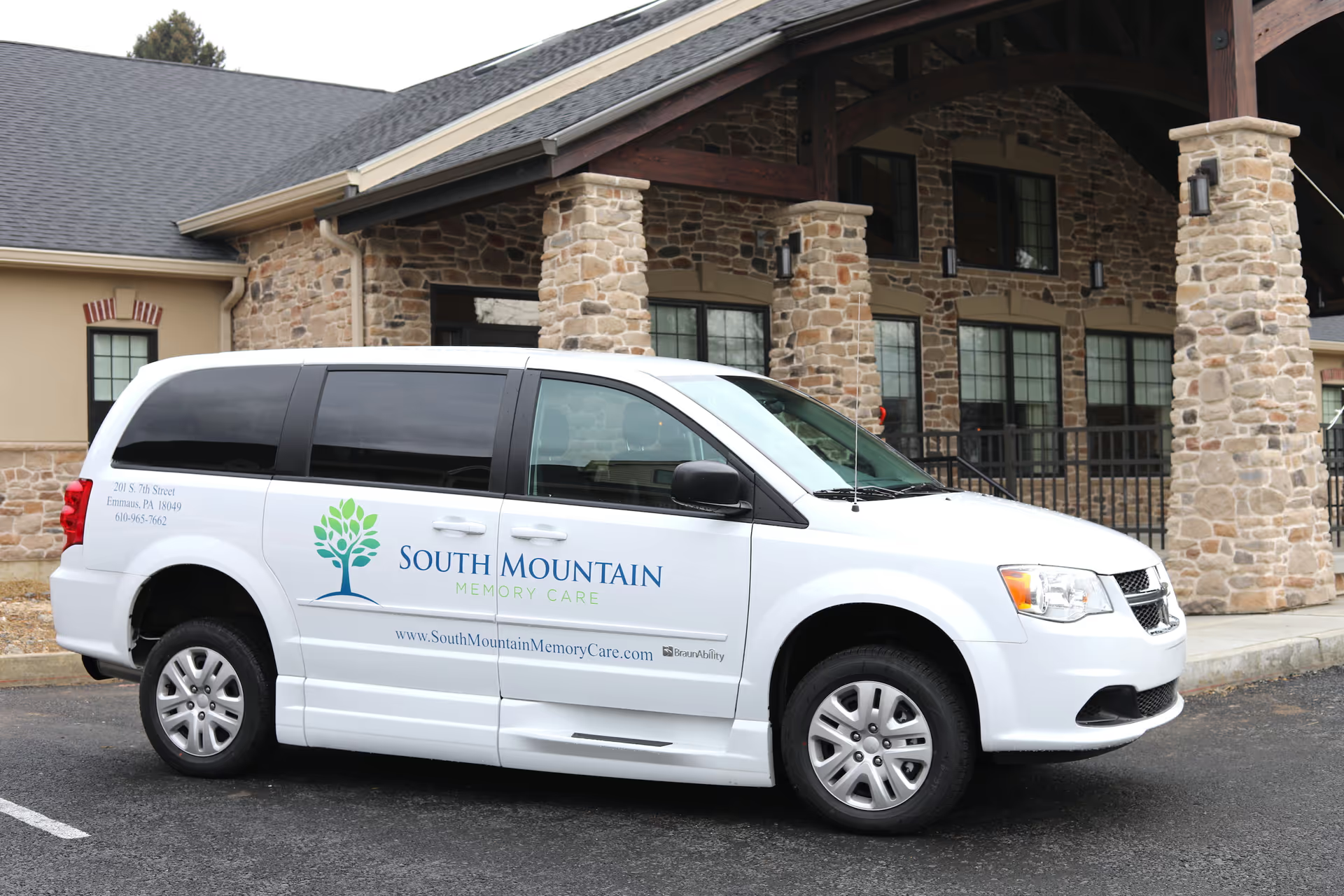
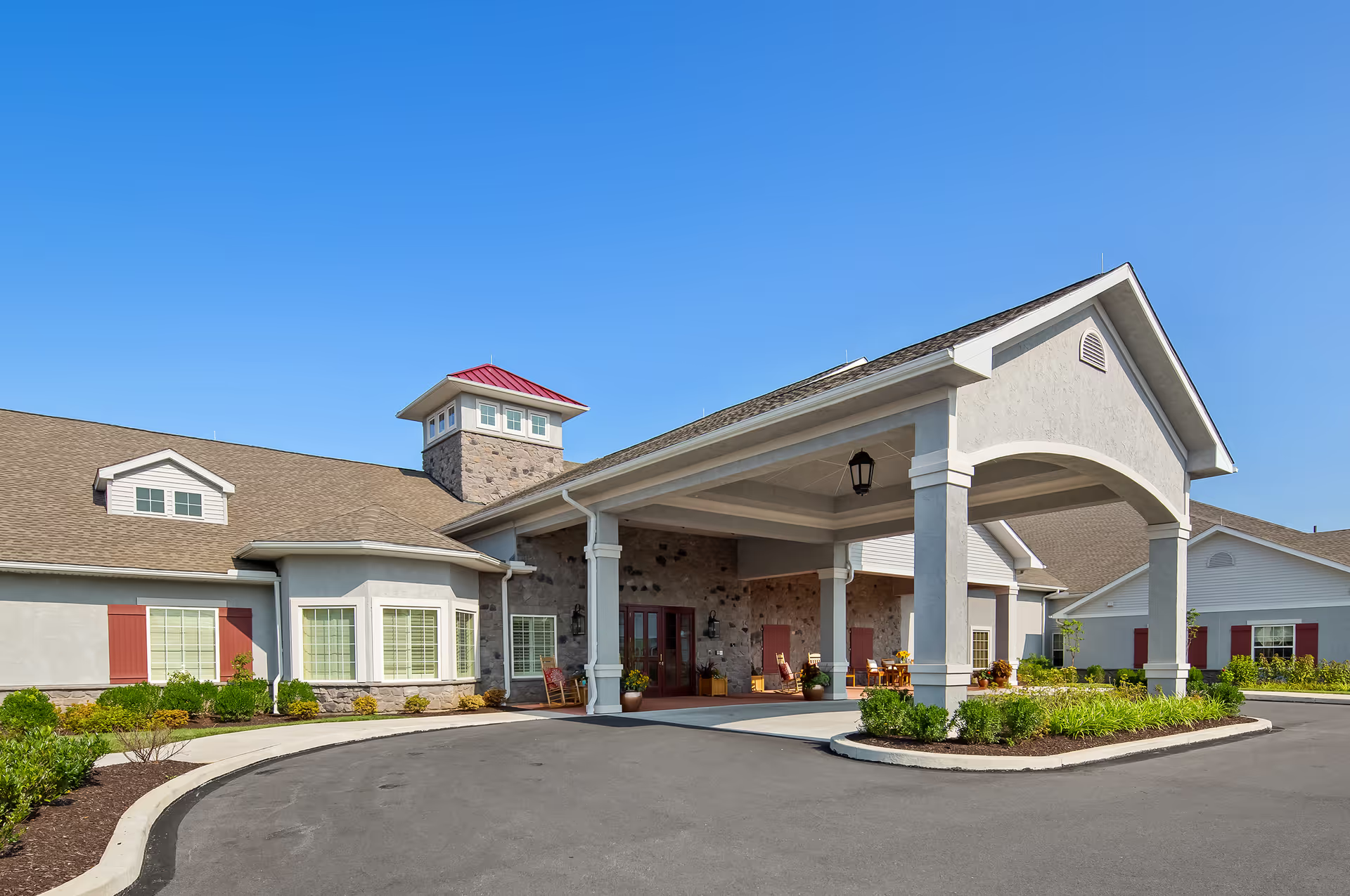
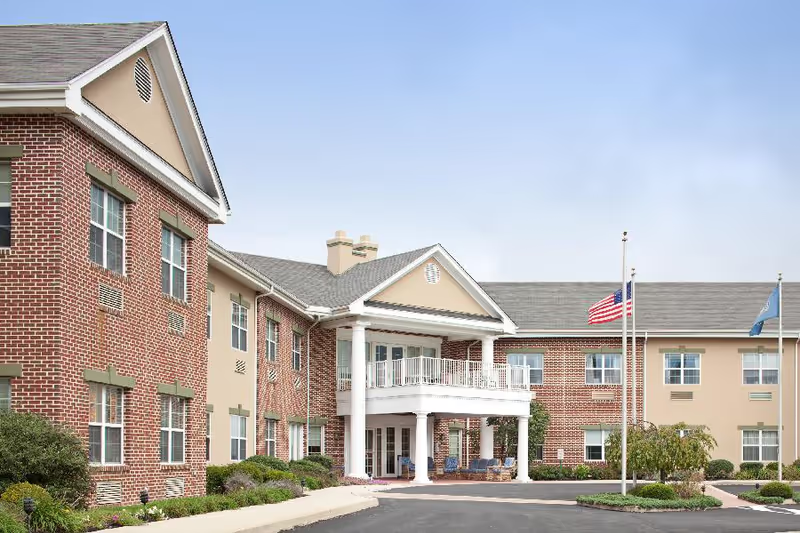
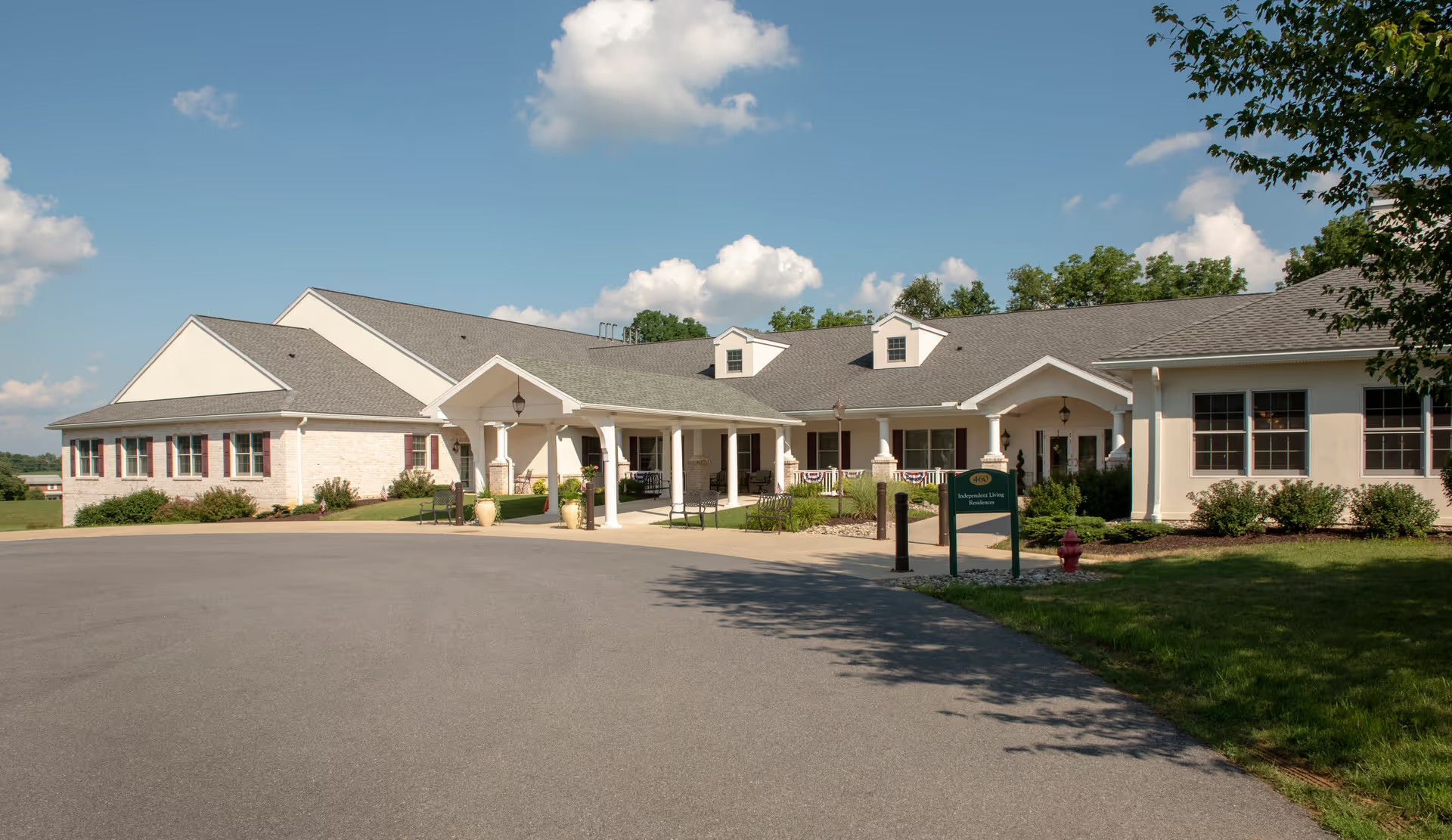
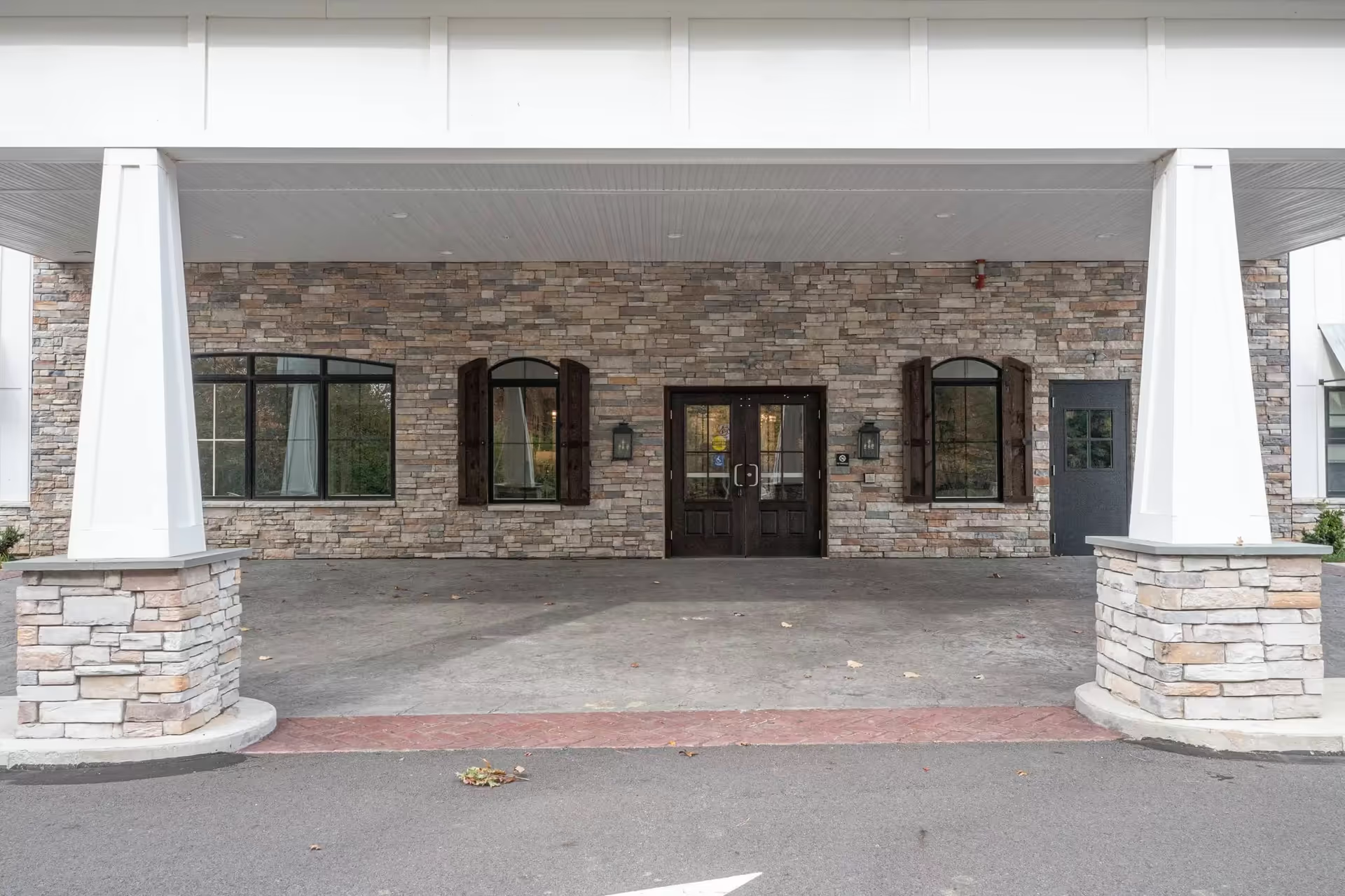
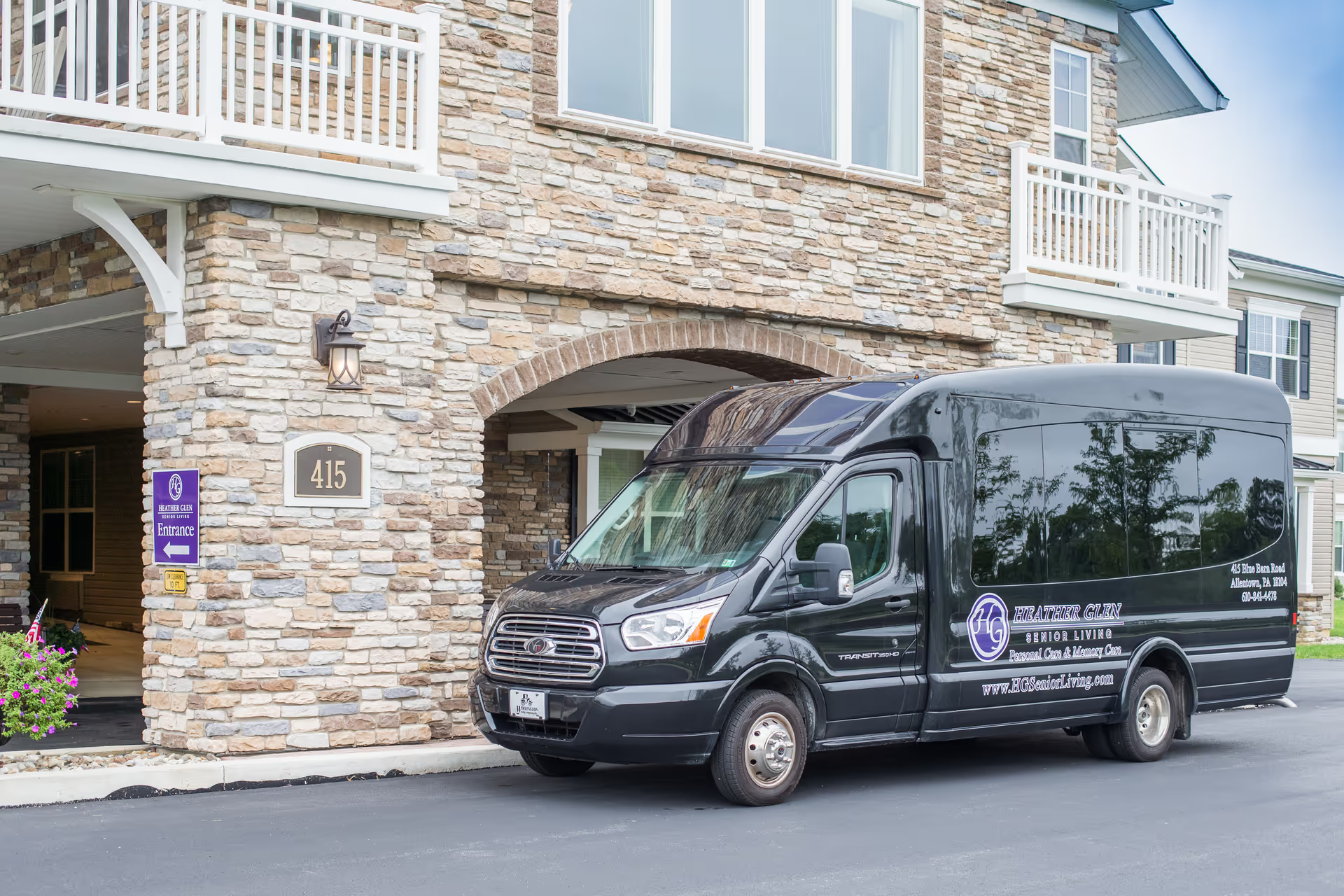
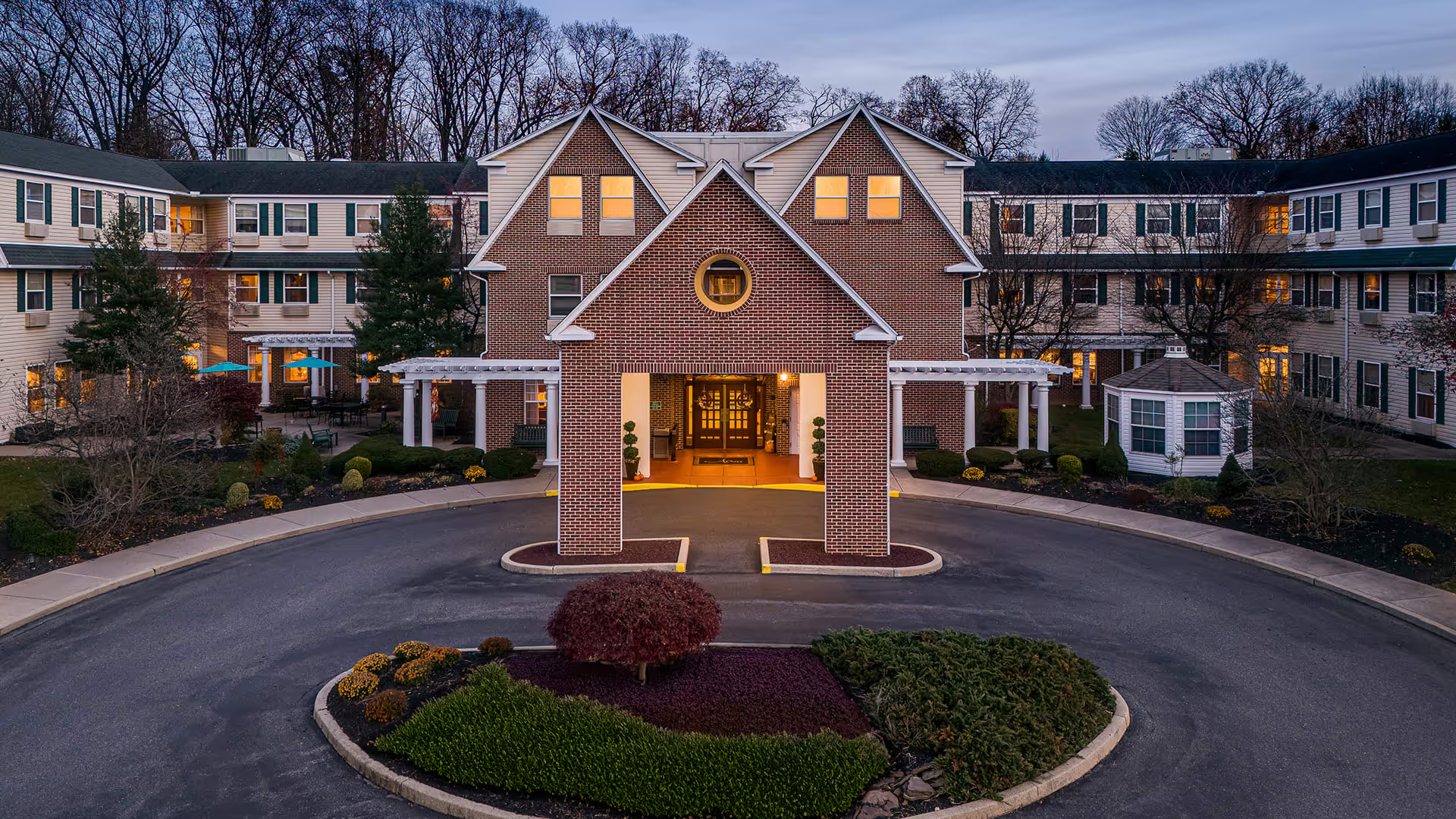
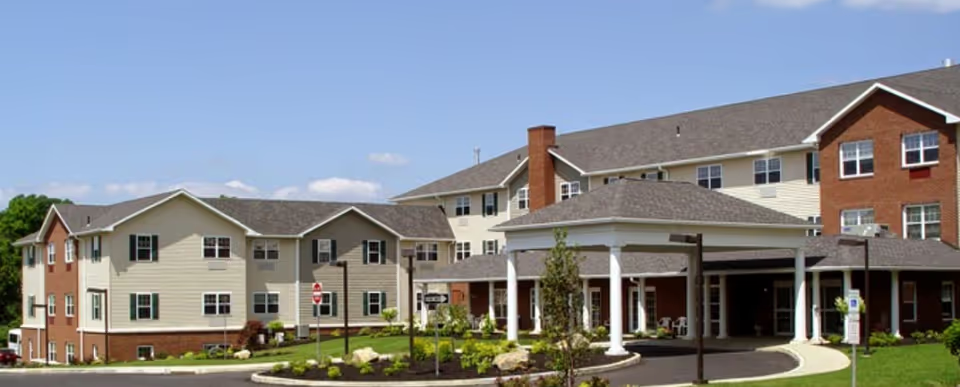
Chestnut Ridge at Rodale elicits strongly mixed impressions from families and visitors. Several aspects of the campus are frequently praised: common areas and the lobby are described as welcoming, apartments and public spaces are often clean and recently updated, and on-site amenities (gym, pool, indoor store, and chapel) support an active lifestyle. The facility offers a broad schedule of social and recreational programming—book club, day trips, social games and other group activities—and many reviewers highlight the positive impact of structured activity and nutrition on residents' overall health and independence. Rehabilitation and therapy services are consistently identified as a strength, with some families noting accelerated progress compared with hospital timelines.
Care and staffing present the greatest variability. Many families report attentive, compassionate CNAs and nurses who provide good day-to-day care; others describe inconsistent nursing performance, slow response times to call bells, and irregular personal-care routines such as bathing. Understaffing and staff turnover are recurrent themes and are linked to longer waits for assistance, difficulties coordinating care, and gaps in supervision—particularly for residents with cognitive impairment. There are multiple accounts indicating weaknesses in medication oversight and clinical follow-up, as well as concerns following a resident's death that suggest families may want to review the facility's end-of-life processes directly.
Dining experiences are similarly mixed. Several reviewers praise the food as delicious and well-balanced, and note improvements in health due to better nutrition and medication management. At the same time, others report cold meals, inconsistent adherence to diabetic diets, and variability in meal-service reliability. Linen and clothing management emerges as an operational issue in a number of accounts, including labeling and timely changes, which contributes to family concern about routine care consistency.
Management and communication are described in both positive and negative terms. Some families find management responsive, family-oriented, and effective at coordinating events and family engagement. Conversely, other families describe disorganized administration, poor communication during admissions and discharges, and frustration with discharge planning. Perceptions that financial priorities influence operational decisions appear in reviews and may underlie some families' concerns about resourcing and staffing choices.
Facilities and infection-control practices receive favorable notes—cleanliness, recent updates, and screening protocols are appreciated—and the presence of pets, pleasant common spaces, and volunteer engagement contribute to a positive living environment for many residents. However, consistent patterns of understaffing, call-bell delays, variability in clinical and personal care, and supervision gaps for cognitively impaired residents are the operational weaknesses most likely to affect quality of life. Prospective residents and families should weigh the facility's strong therapy and activity offerings and pleasant physical environment against these variability concerns, and consider asking targeted questions about staffing ratios, dementia supervision practices, call-bell response metrics, dietary accommodations, linen/clothing procedures, and the facility's approach to family communication and discharge planning. If there are any serious individual incidents of concern, families may wish to seek documentation or regulatory records and raise those directly with facility leadership; there are also a small number of serious allegations that merit direct follow-up during tours and meetings with administrators.