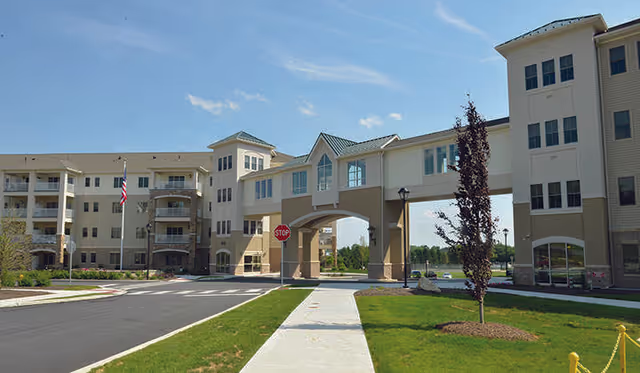
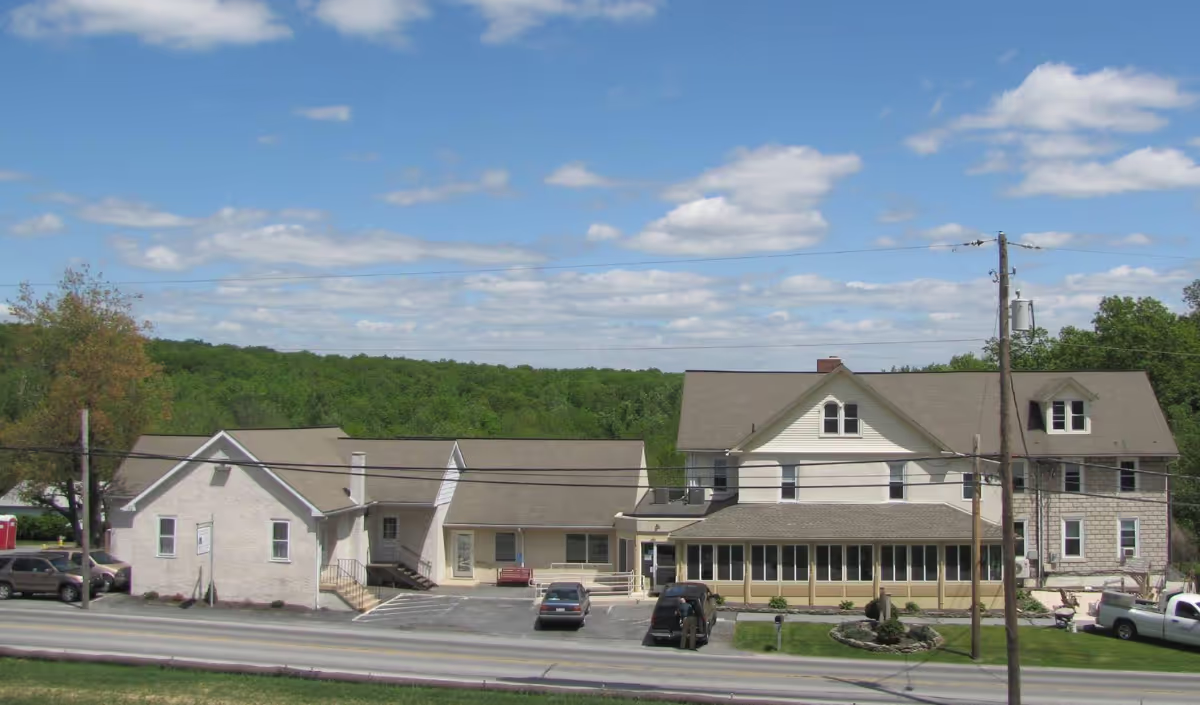
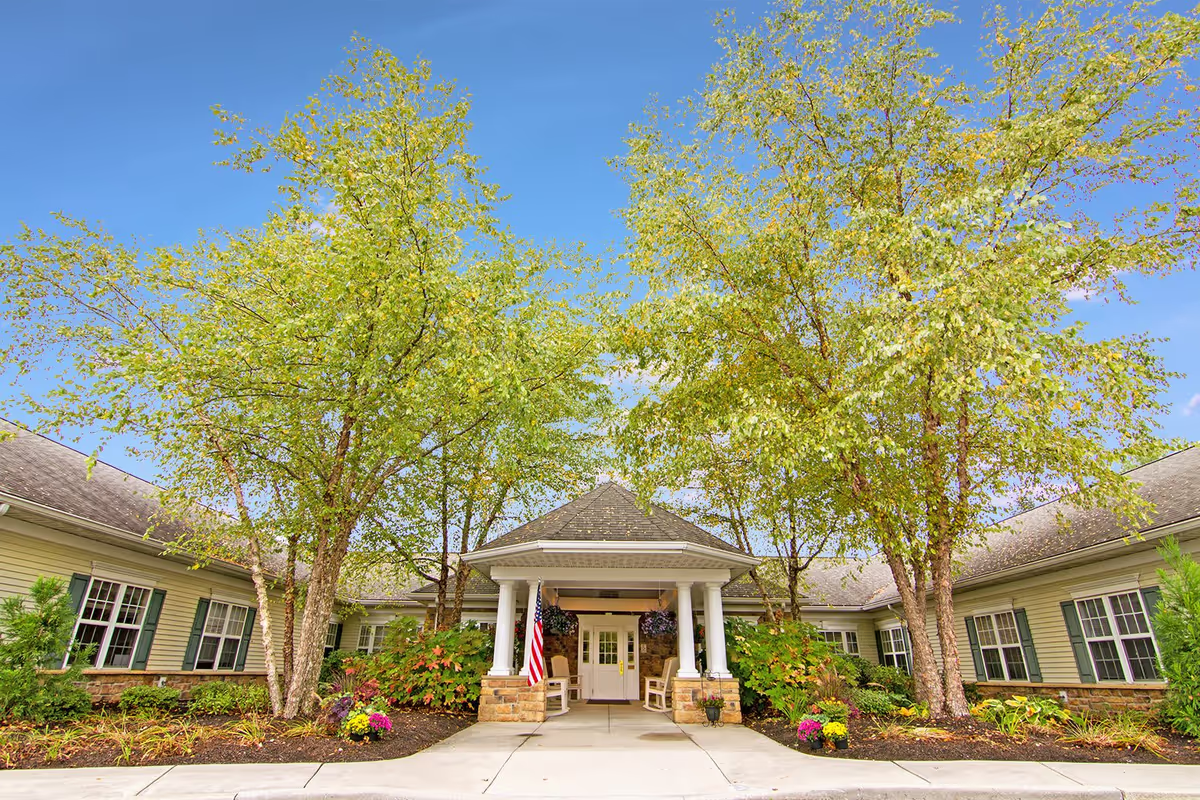
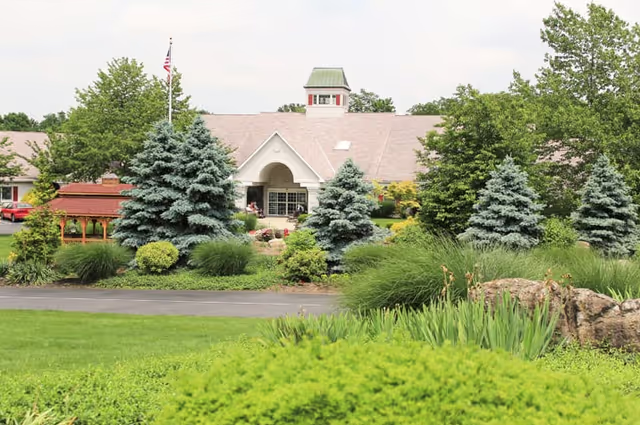
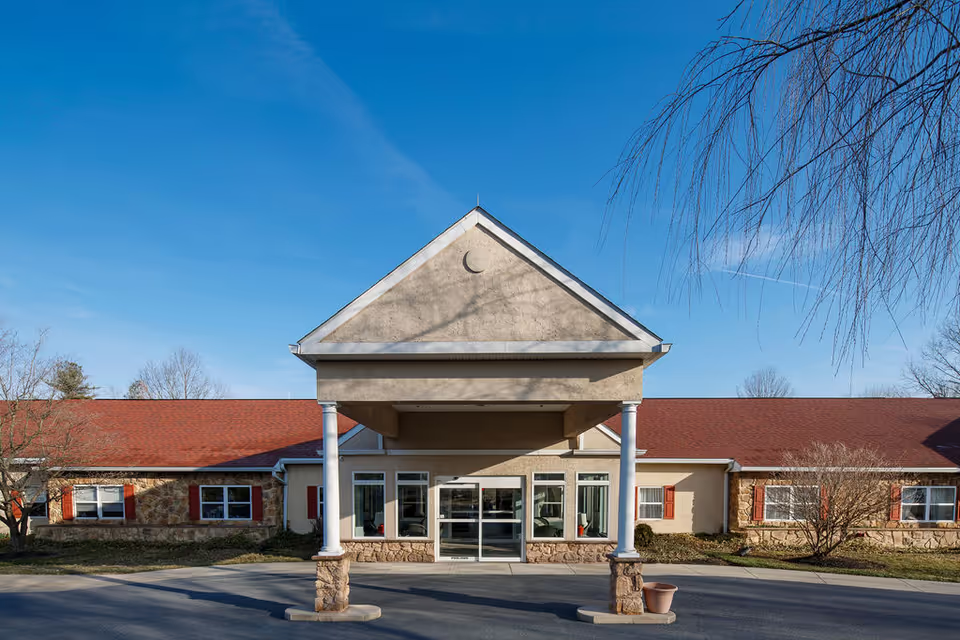
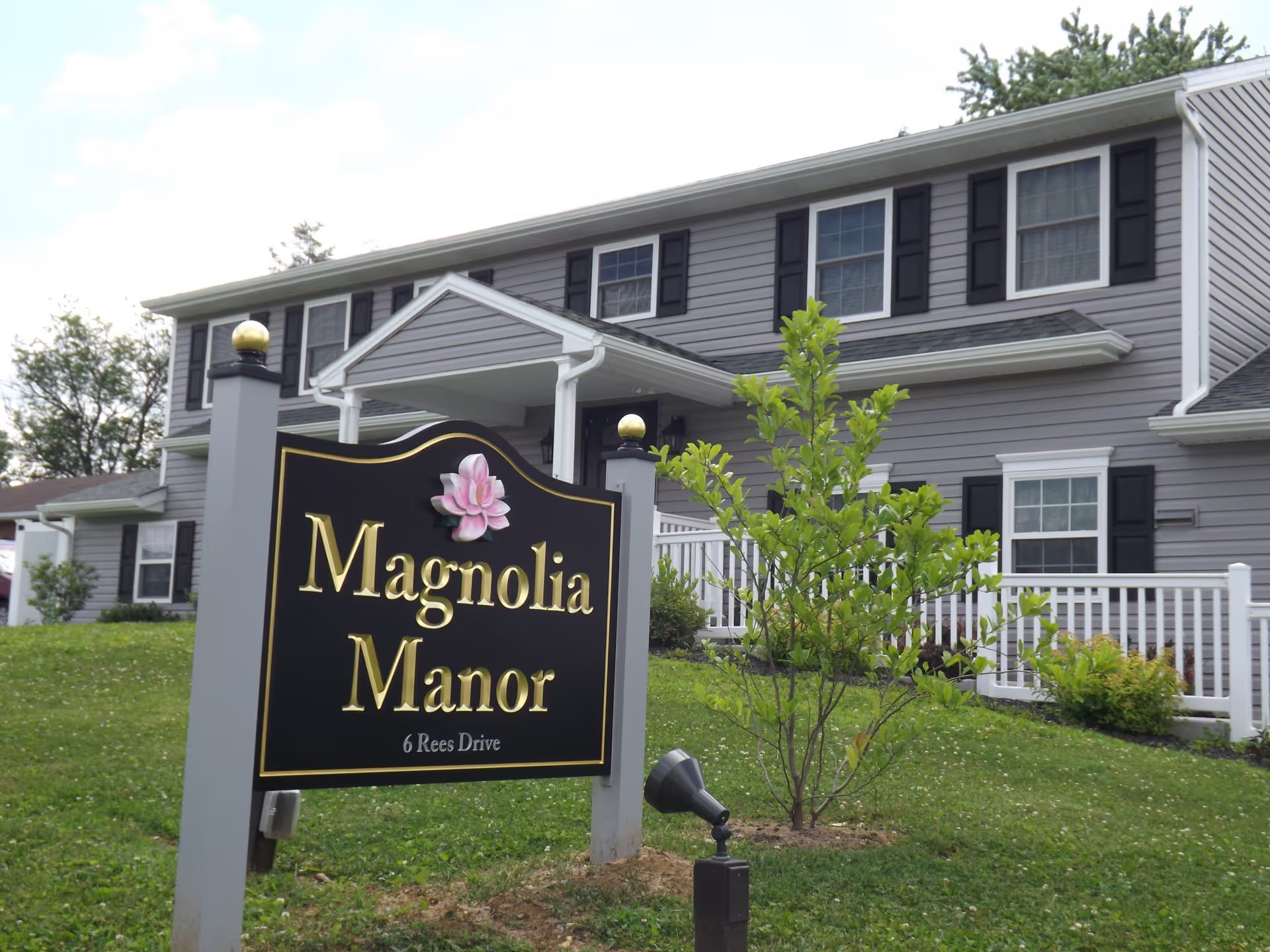
The reviews present a mixed but informative picture of Ephrata Manor. On the clinical side, many families describe strong clinical resources: an RN/LPN presence, occupational and physical therapy, and on-site rehabilitation that produced positive functional outcomes for some residents. The campus is positioned as a full-continuum community with independent-living apartments, personal-care and nursing sections, and an expressed commitment to care-for-life. Several reviewers emphasized compassionate caregiving, excellent rehab therapists, and instances of attentive clinical communication and monthly updates to families.
Facility amenities and daily life are frequently praised. Reviewers describe well-appointed, clean common areas, a pleasant dining room with good food, active activity programming, and accessible transportation and parking. The community’s church affiliation and low or modest entry fees were cited as attracting residents who appreciate a community-oriented environment. Independent-living apartments were liked by residents who wanted to maintain autonomy while having access to higher levels of care if needed.
However, the reviews also indicate operational inconsistencies that prospective families should consider. Accounts vary widely on staff conduct and professionalism: while some describe nurses and aides as caring and responsive, others describe favoritism, ethical concerns, and uneven responsiveness across units. There are specific management and family-communication tensions — including an instance in which a visiting restriction and related legal correspondence were described — which point to potential issues with visitation policy enforcement and dispute resolution. Memory-care needs appear underserved for those who require a dedicated unit, and at least one family noted safety concerns related to resident supervision in that context. Multiple reviewers noted difficulties with downsizing and transition support during move-in.
Taken together, this profile suggests a facility with substantive clinical and amenity strengths but with variability in operational consistency and family relations. Prospective residents and family members would benefit from an in-person tour that includes: asking for details about memory-care options and supervision protocols, reviewing recent staffing ratios and turnover, clarifying visitation and dispute-resolution policies in writing, discussing move-in/downsizing assistance, and observing activity participation and dining at mealtime. Those steps will help assess whether the facility’s strong clinical and hospitality features align with an individual resident’s needs and expectations given the reported variability in staff performance and management practices.