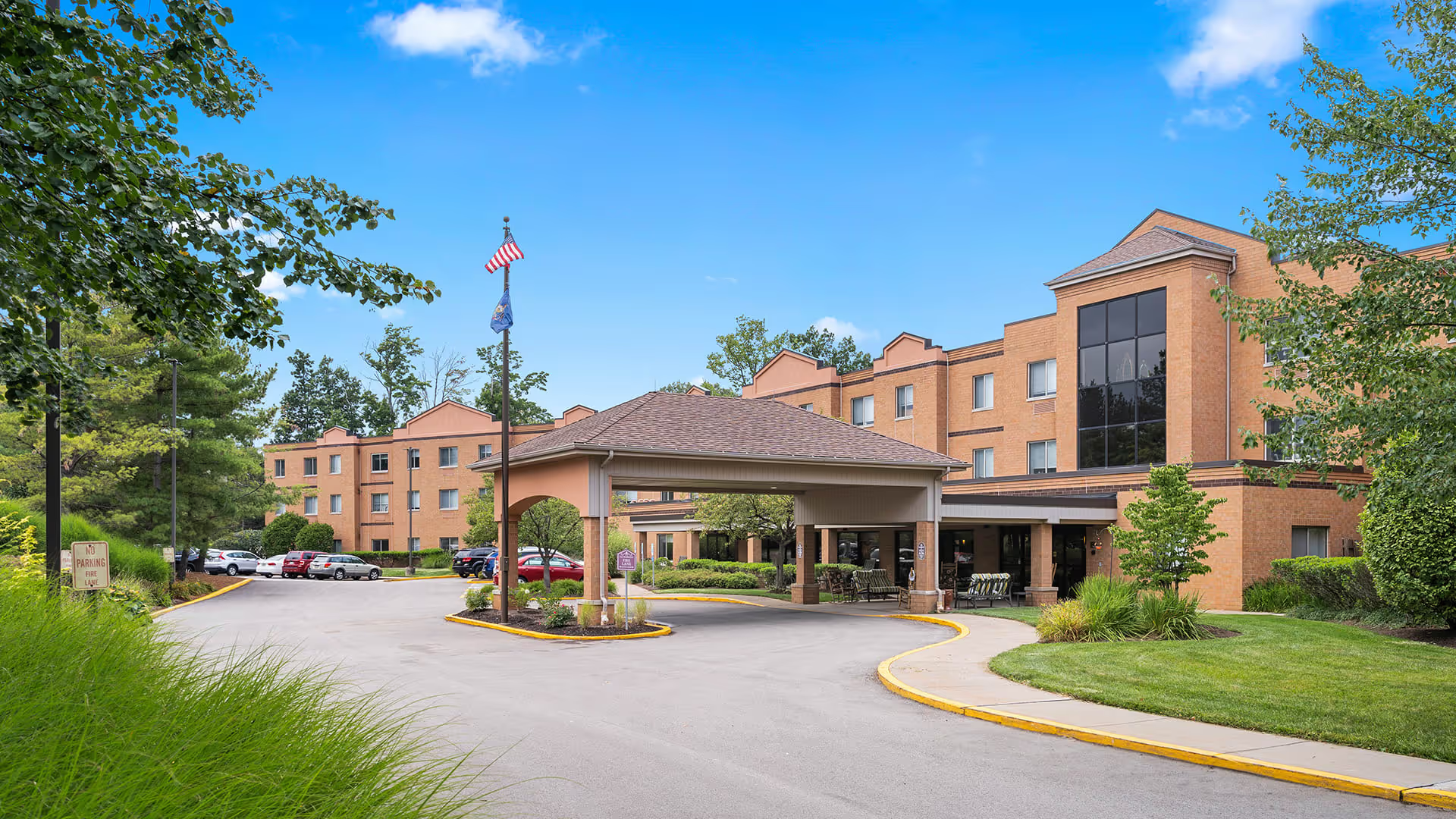
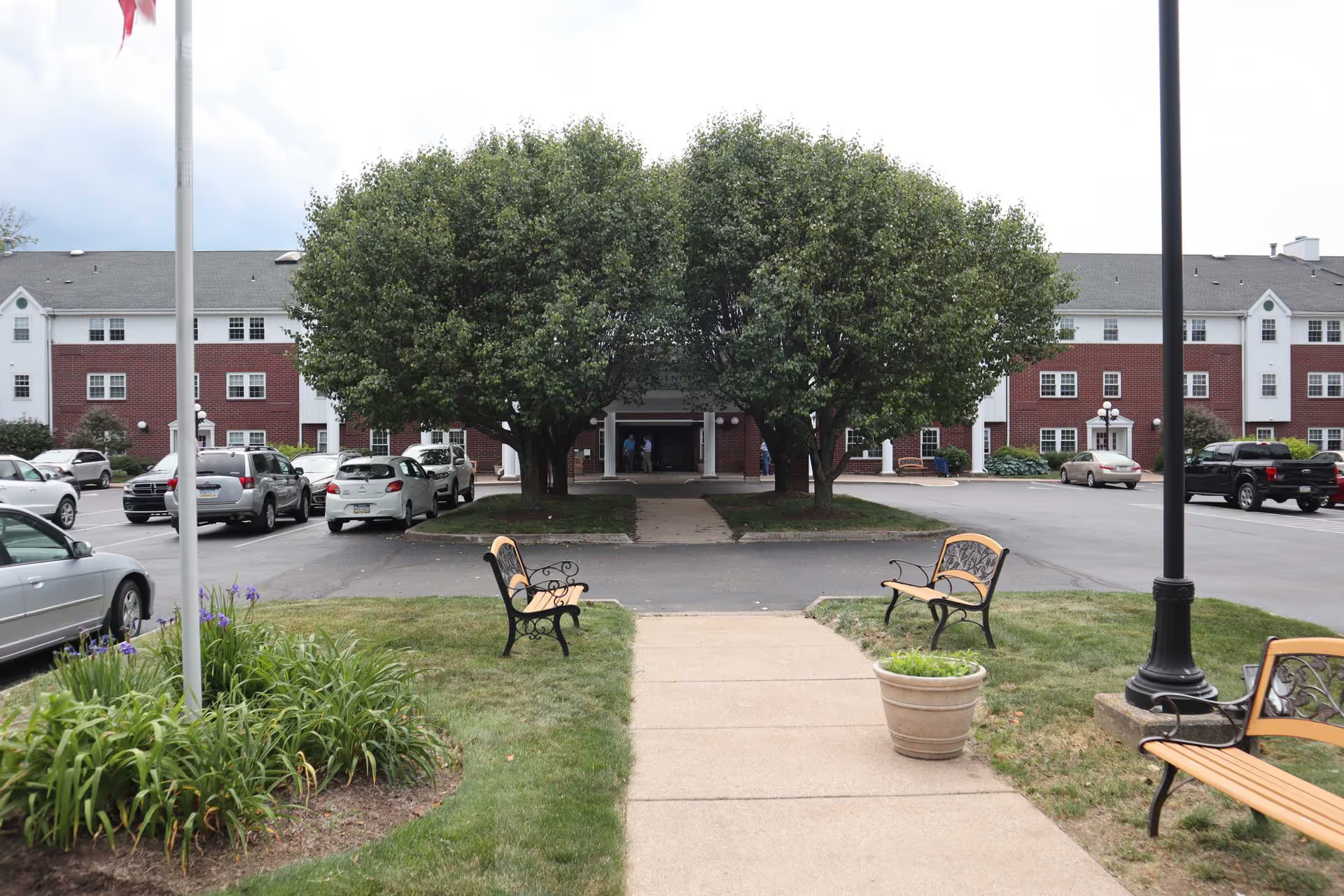
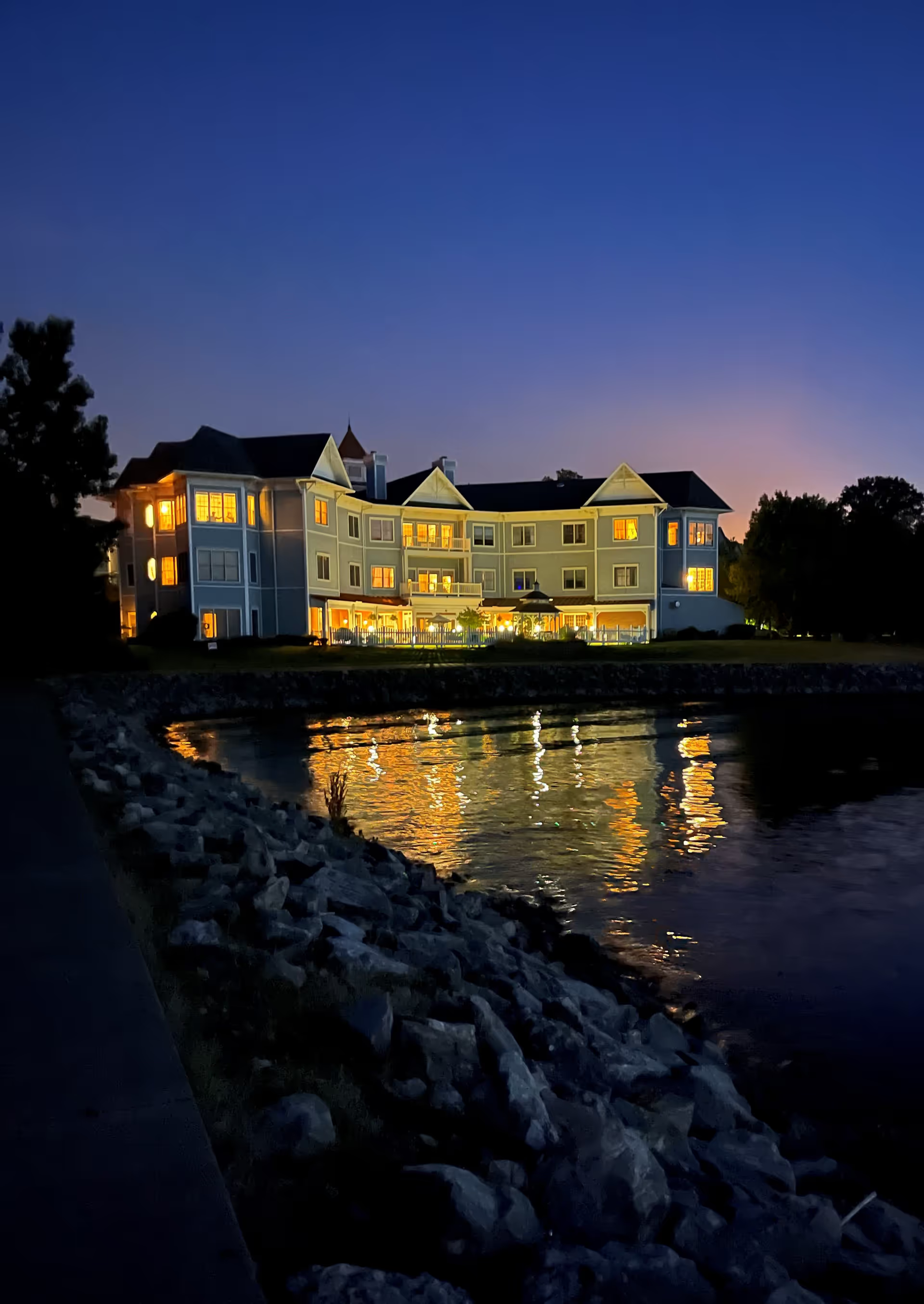
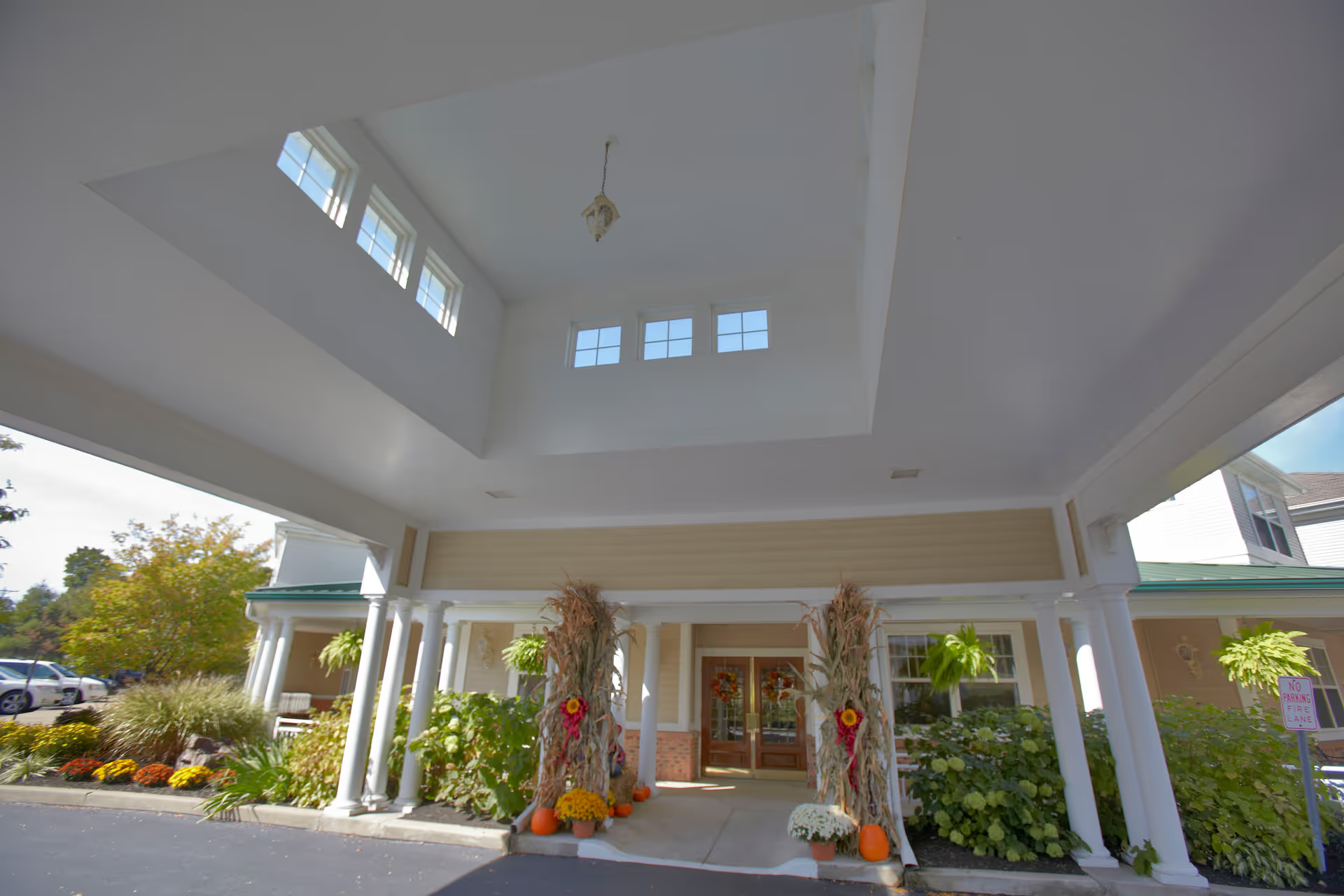
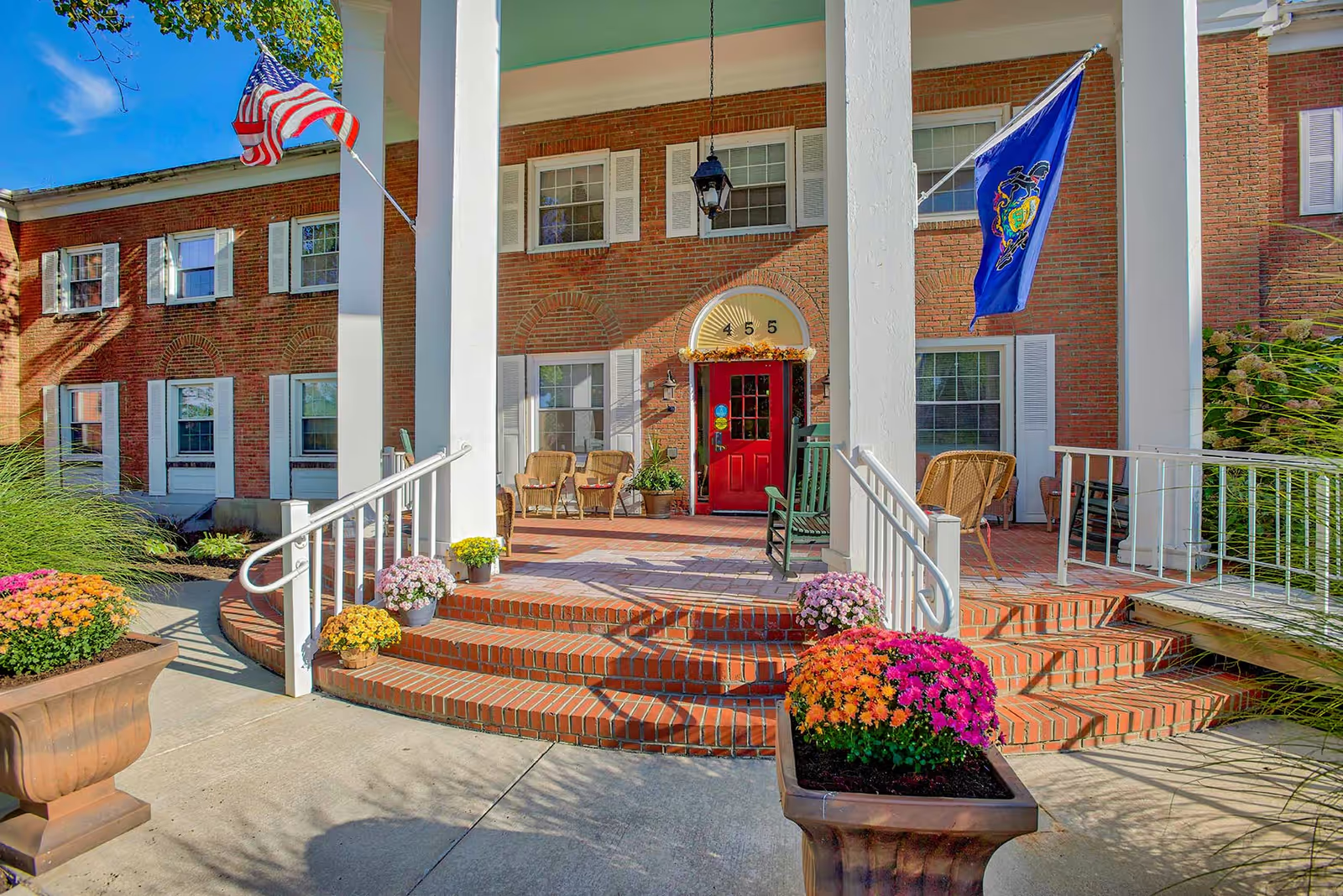
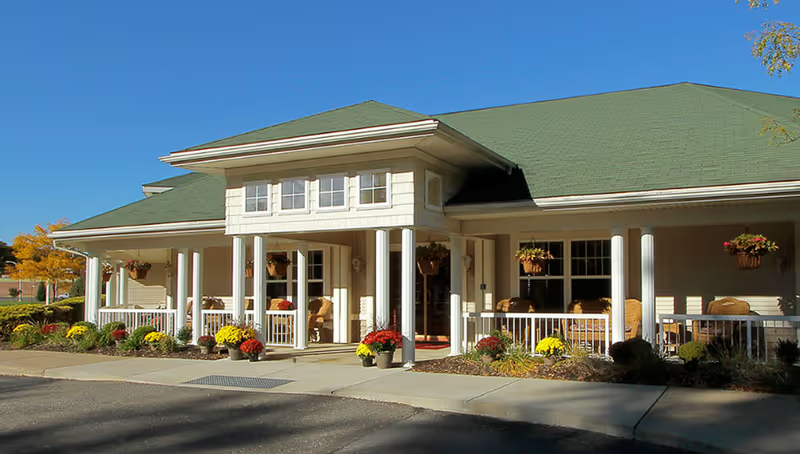
The reviews describe a facility with a clear split between strong physical assets and persistent operational weaknesses. The building is frequently described as new, clean, and well appointed: large private rooms with en-suite baths, comfortable furnishings (recliners and large TVs), pleasant common areas and porches, and included amenities such as cable and internet. The affiliation with an on-site hospital and presence of physicians and specialty providers were cited as important strengths for families who value rapid transfer and physician access.
Clinical and day-to-day care quality is mixed. Therapy services—physical and speech therapy—receive consistent praise for competence and effectiveness; several accounts highlight good rehabilitation outcomes. However, reviewers also raised recurring concerns about staffing: low staff-to-resident ratios, especially at night, limited on-floor RN coverage, and staff stretch that contributes to slow responses to call bells, delays in assistance for bathing and toileting, and inconsistent linen and personal-care schedules. These operational gaps are linked to medication delays, documentation issues, and uneven adherence to routine care tasks. Infection-control and sanitation issues were also mentioned alongside examples of lapses in housekeeping and reuse of items, indicating potential areas for process improvement.
Staff performance is described as variable. Many families singled out individual caregivers, therapists, and physicians as attentive, compassionate, and skilled. At the same time, other accounts describe inattentiveness, poor responsiveness, or conduct concerns by specific staff members. Communication with families and coordination of care are inconsistent: some families received timely callbacks and clear updates, while others experienced poor responsiveness from administration and unclear visitation or scheduling information. Financial and property-safeguarding processes were questioned in a few serious accounts; these included allegations of unauthorized charges and mishandling of belongings, which suggest a need for stronger administrative controls and transparent financial safeguards.
Dining and activities present a mixed picture. Several reviewers praised the quality and seasoning of meals and the presence of snack stations and café spaces; others noted cold meal delivery, limited diabetic-friendly options, and variability in menu appeal. Social programming and activities exist and are appreciated, though a few comments indicate limited variety at times. The facility’s aesthetics and amenities are often highlighted, but some visitors described common areas or wards as sterile or institutional rather than home-like.
Management and operational priorities are an underlying theme. Positive experiences tend to cluster where staffing and clinical oversight are adequate; negative experiences correlate with understaffing, administrative lapses, and perceptions that resources favor facility appearance over clinical needs. There are also reports of insurance-driven, premature discharges and procedural delays around testing or follow-up appointments that families found problematic.
For prospective residents and families: the facility offers strong physical resources, effective therapy services, and useful clinical links to an affiliated hospital. Before choosing placement, ask specific questions about current staffing ratios and RN coverage on all shifts, medication-administration and documentation procedures, infection-control protocols, meal accommodations for dietary needs, property and financial safeguards, and typical family communication practices. Request to meet therapy staff, review recent staffing schedules, and tour both resident rooms and common areas during visiting hours to observe day-to-day operations. These checks can help align expectations with the facility’s variable operational performance documented in reviews.