Reviews present a mixed but clear pattern: many families and former residents praise Manchester Commons for its physical environment, dining experience, social programming, and therapy-focused services, while a subset of accounts raise significant operational and safety concerns that prospective residents should evaluate directly.
Care and staff: Numerous comments describe staff as warm, compassionate and knowledgeable — CNAs, nurses, and therapy teams are frequently singled out for individualized attention, advocacy during discharge, and successful rehab outcomes. Several reviewers characterized interactions with admissions and kitchen staff as welcoming and communicative. However, other accounts indicate variability in care quality across units. Specific operational concerns include inconsistent supervision of residents with cognitive impairment, intermittent gaps in monitoring and clinical response, and questions about medication-management and monitoring practices. These latter concerns include accounts of delayed responses to acute changes and family communication breakdowns; such issues suggest the facility may have uneven clinical oversight at times.
Dining and activities: The dining program is commonly described as attractive and restaurant-like, with flexible meal schedules and multiple entrée choices. Activities programming appears robust, with regular offerings such as bingo, music groups, crafts, and faith-based services, plus designated memory-care activities and curated common-area displays. Families generally view the social calendar and communal spaces as a strength that supports resident engagement.
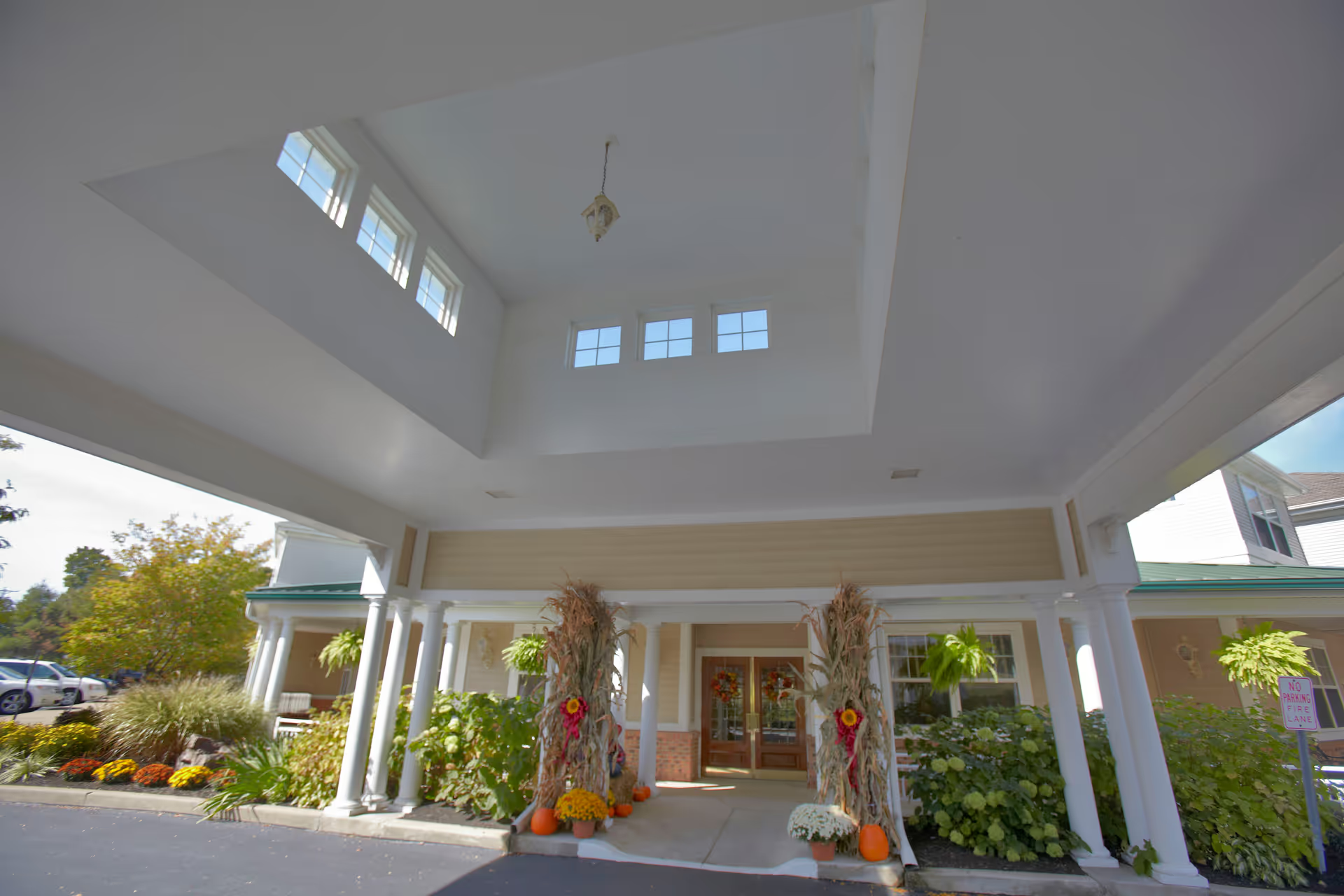
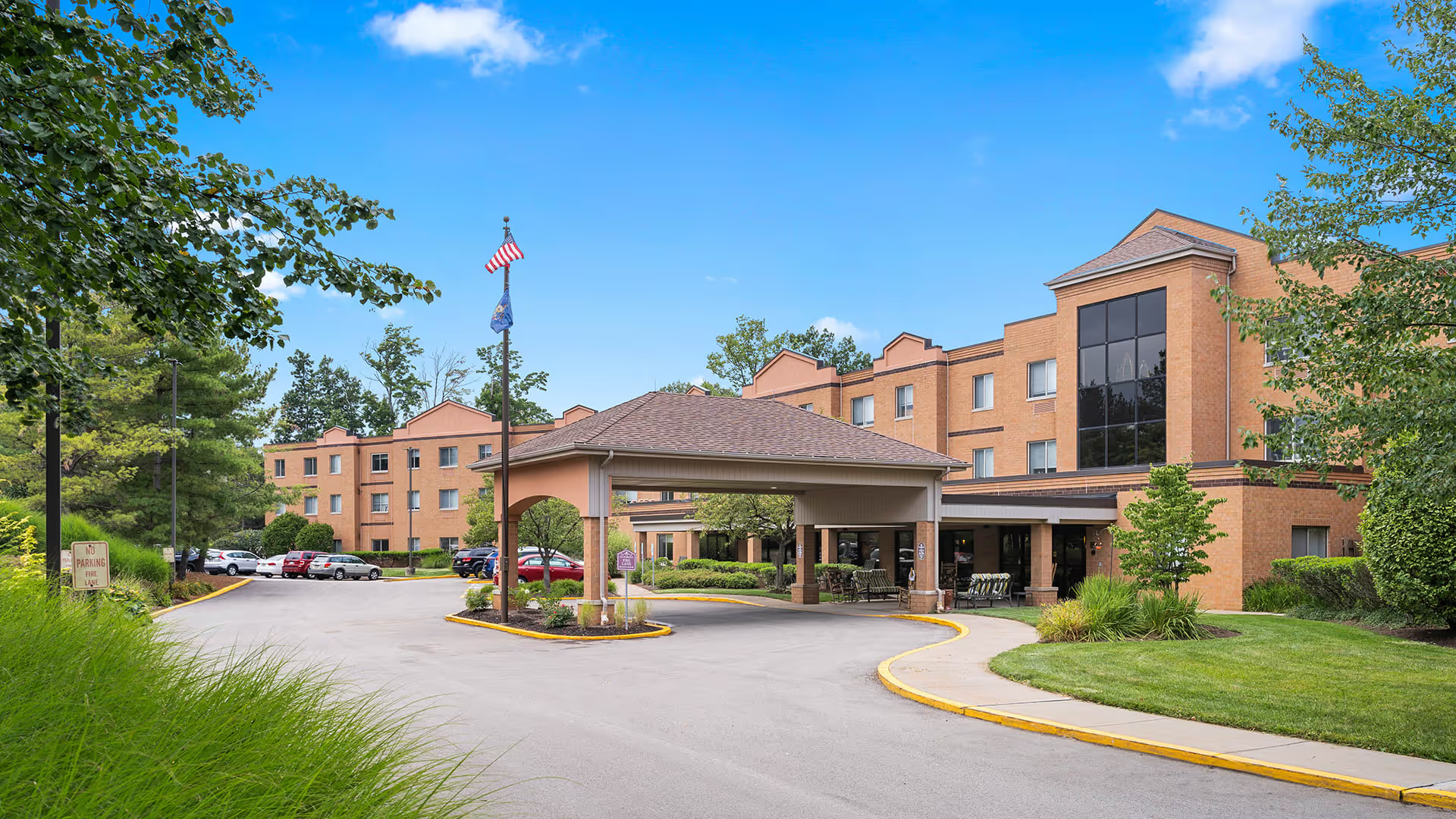
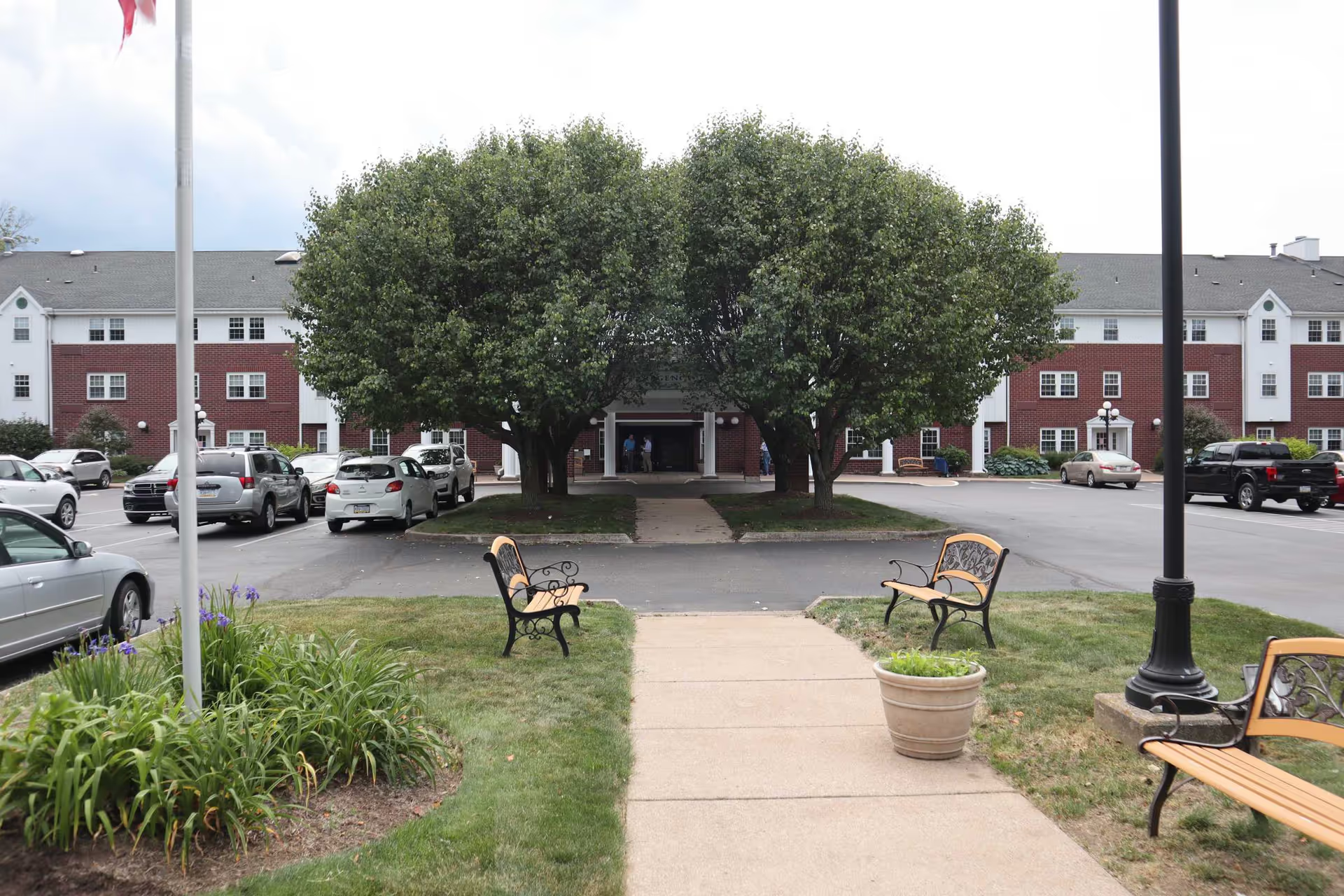
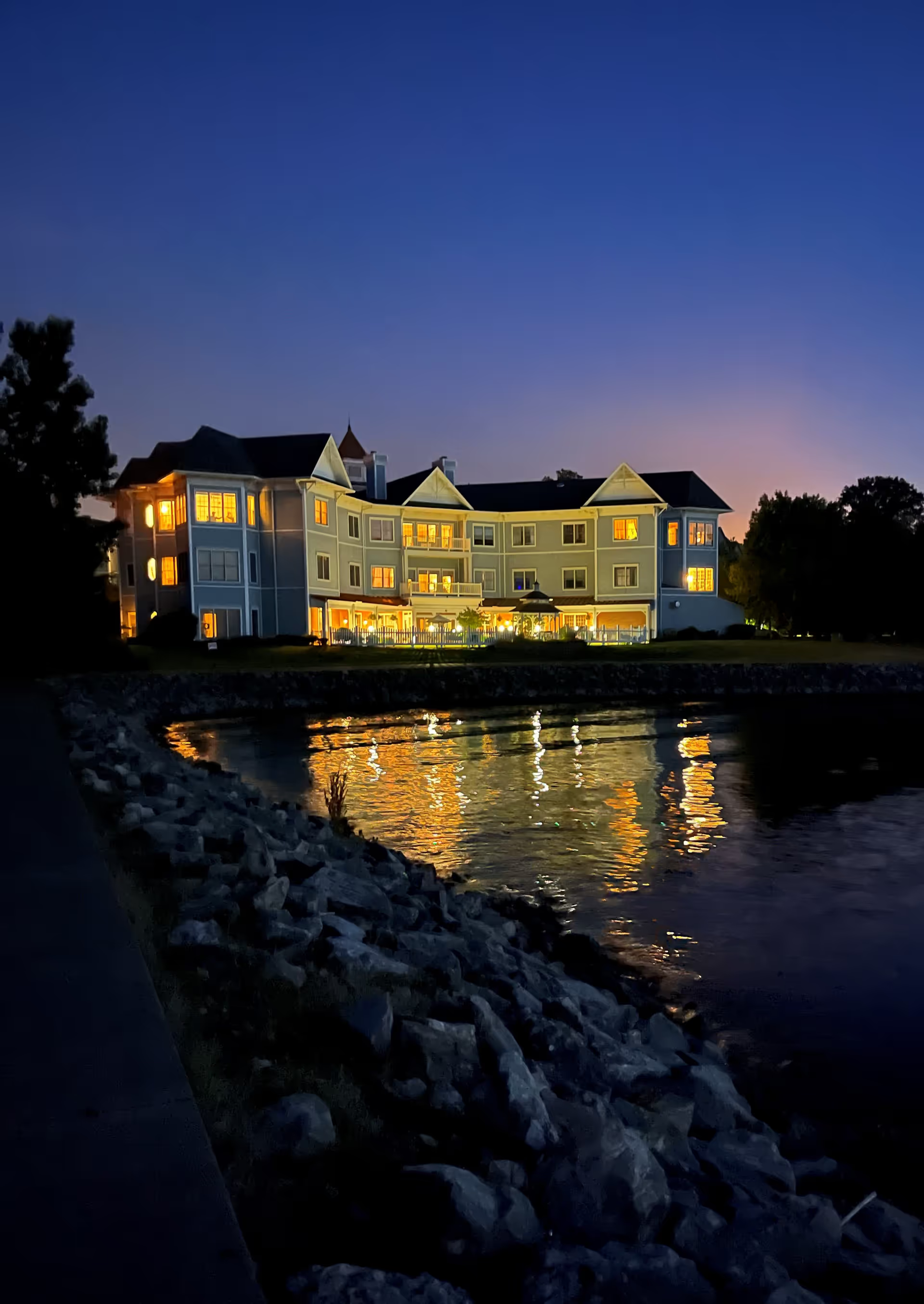
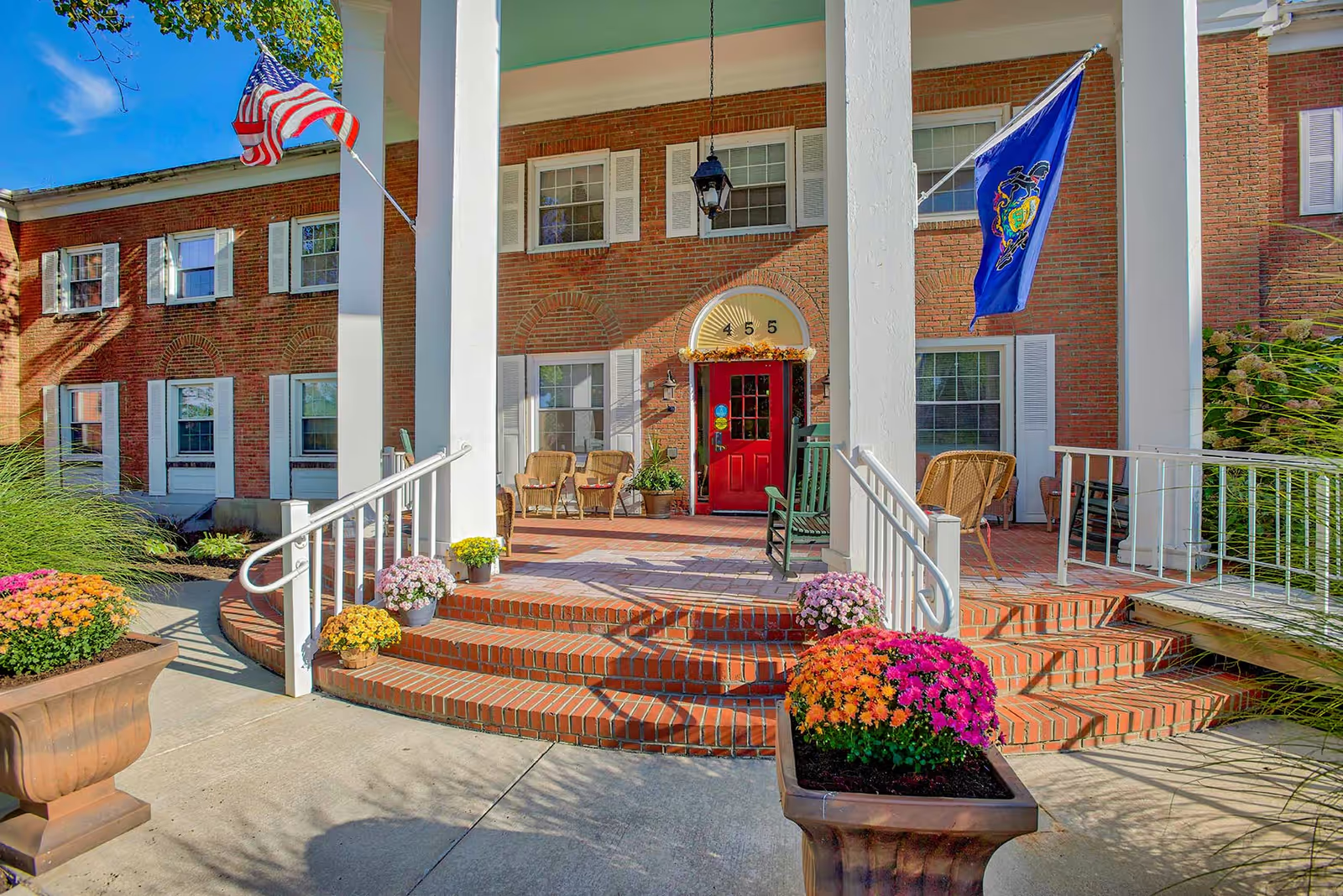
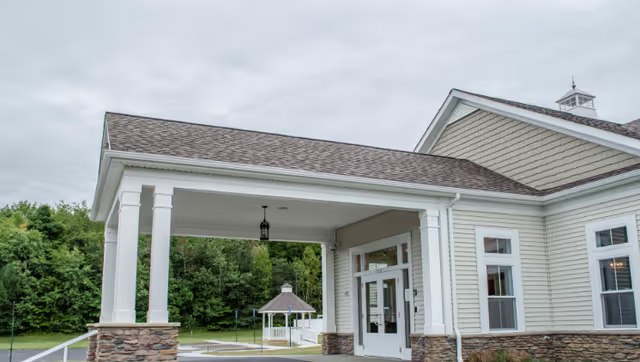
Facilities and operations: Manchester Commons receives consistent praise for its appearance — bright, well-kept interiors, a courtyard, beauty salon, and secure outdoor areas. Several reviewers noted roomy studio-style accommodations and an open, accessible layout. Counterbalancing these positives are intermittent housekeeping and sanitation issues reported in some rooms and common areas, along with occasional equipment shortcomings. There are also allegations related to mishandled resident transfers and missing belongings; these raise concerns about procedural safeguards and property security. Cost levels were described as high by some reviewers, which may be a factor for families evaluating value relative to care consistency.
Notable patterns and recommendations: The dominant pattern is one of strong customer-service orientation and solid rehabilitation resources alongside variability in clinical oversight and housekeeping standards. A minority of reviews describe serious adverse events; while these do not represent the majority experience, they point to areas that warrant direct inquiry. Prospective residents and families should tour the facility, observe staffing levels at different times of day, ask for details about supervision protocols for memory-care residents, request emergency-response and medication-management policies, review recent state inspection reports, and inquire about financial safeguards for personal property. Doing so will help determine whether the facility’s strengths align with an individual resident’s clinical and safety needs.