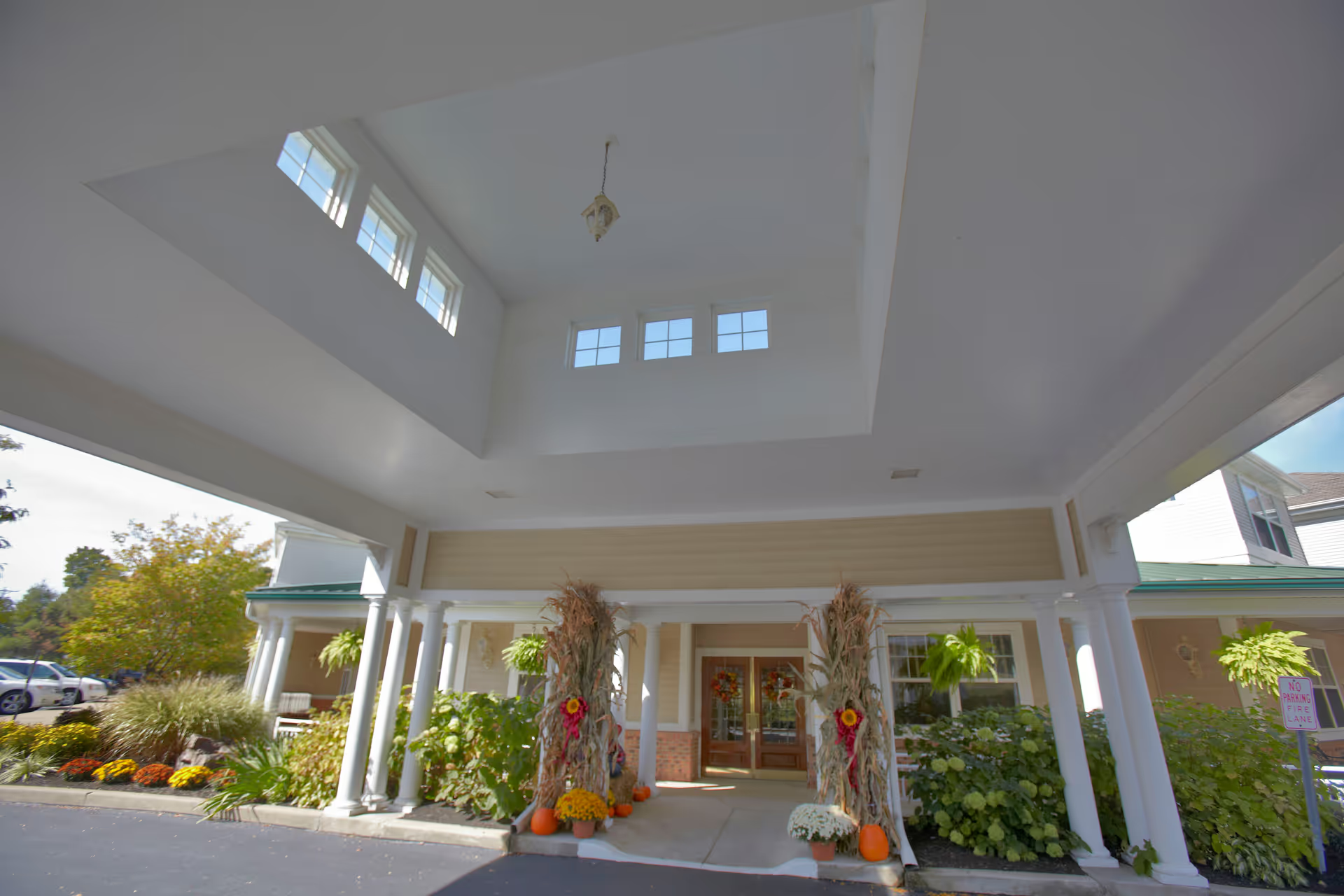
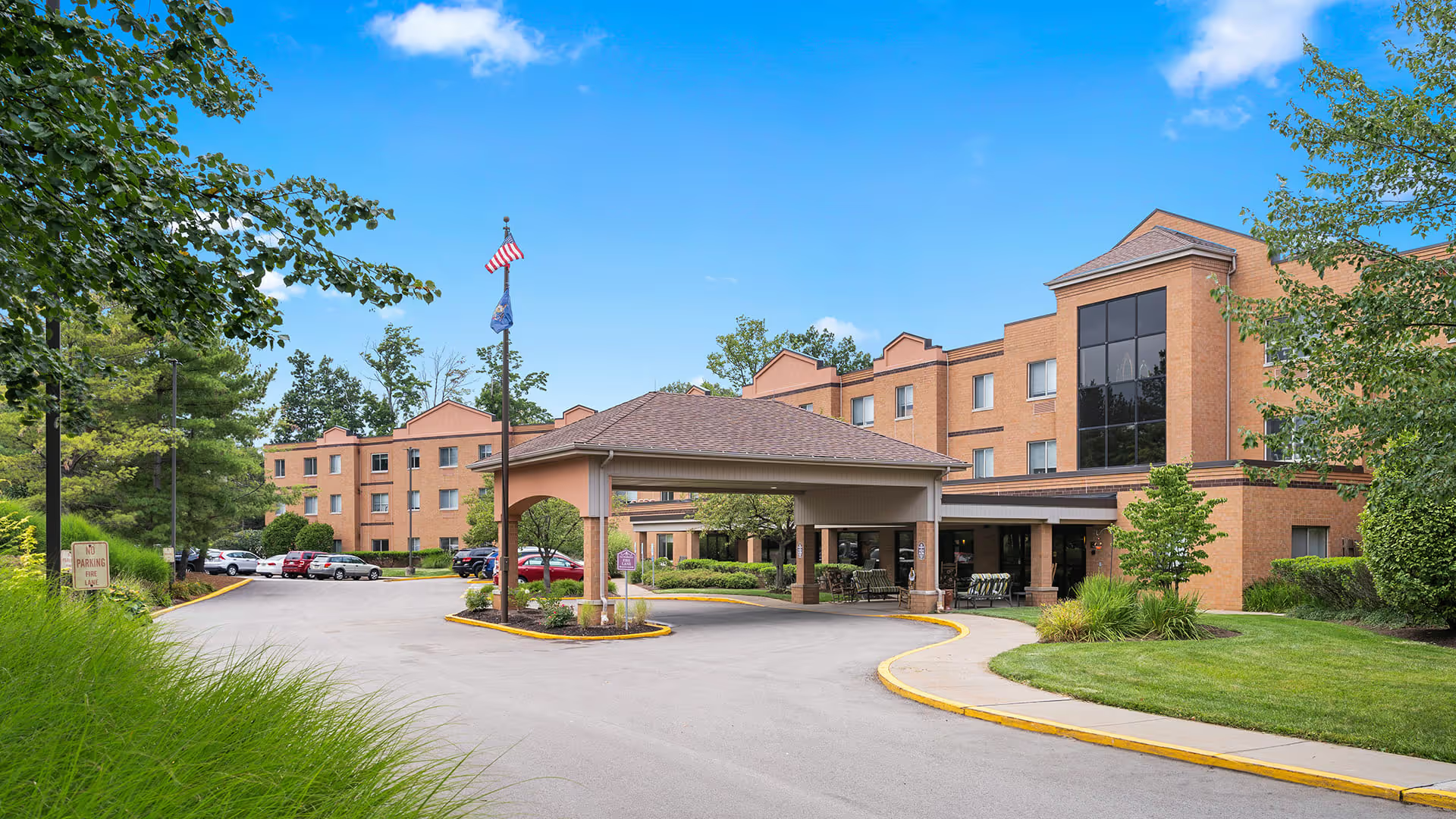
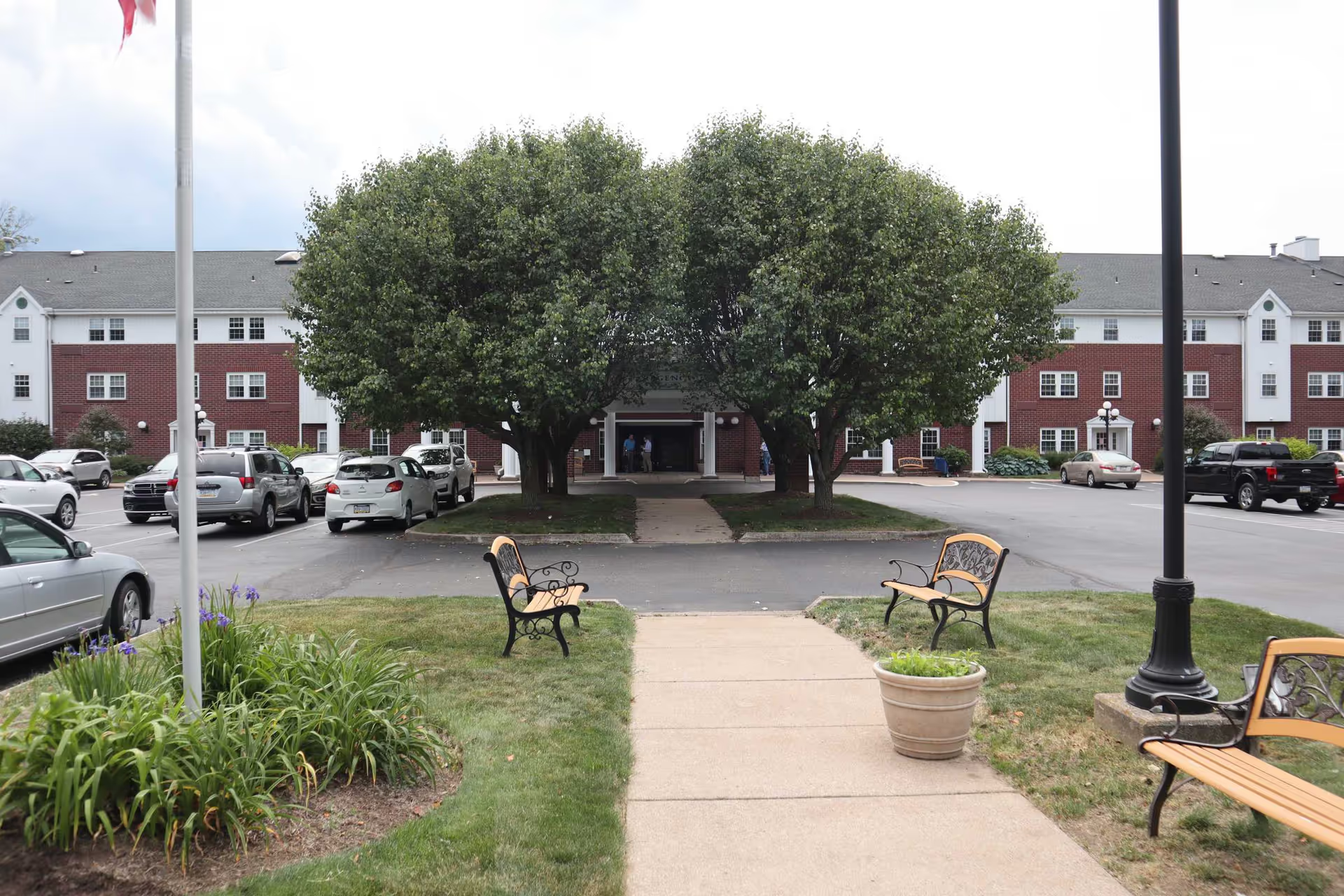
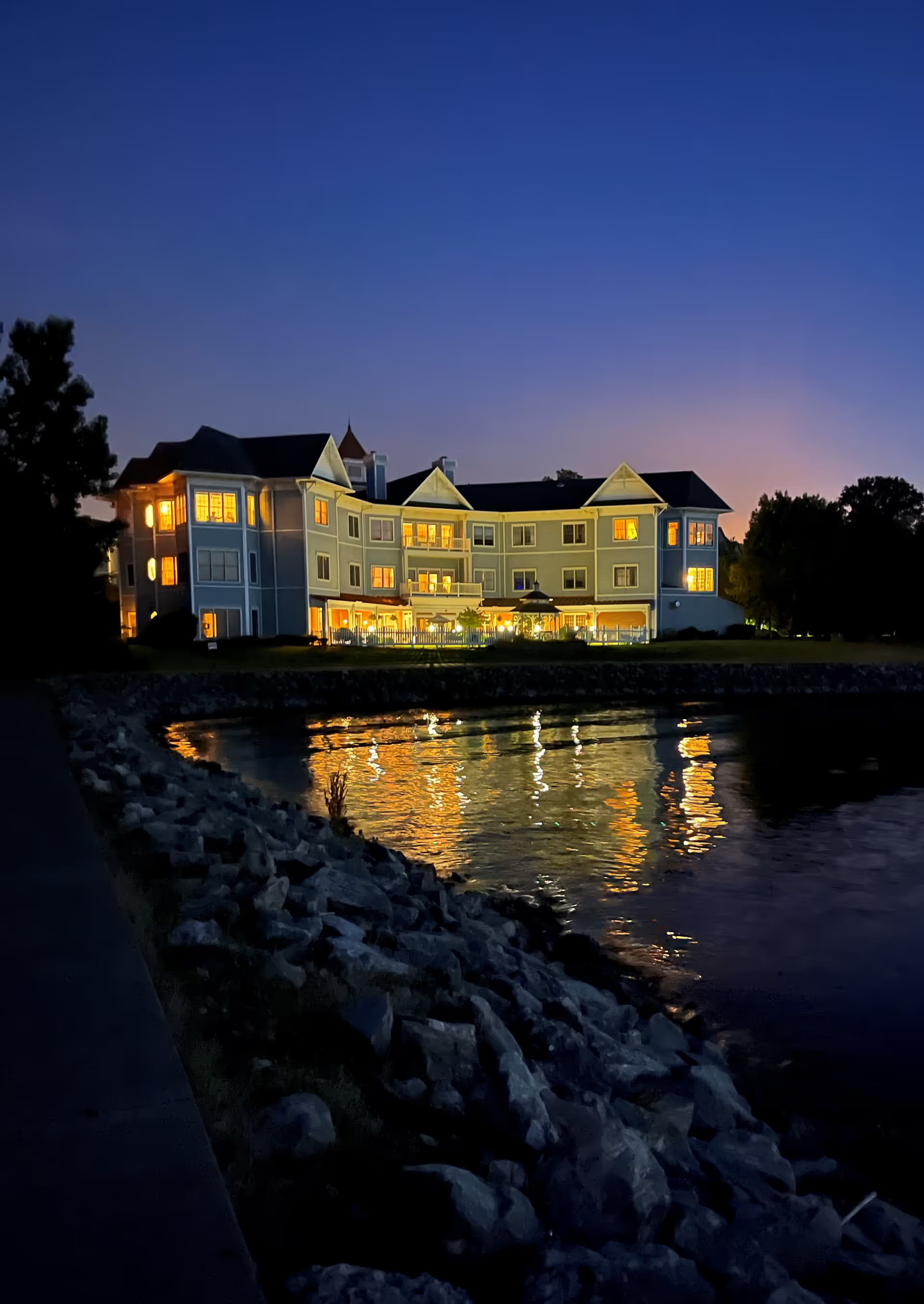
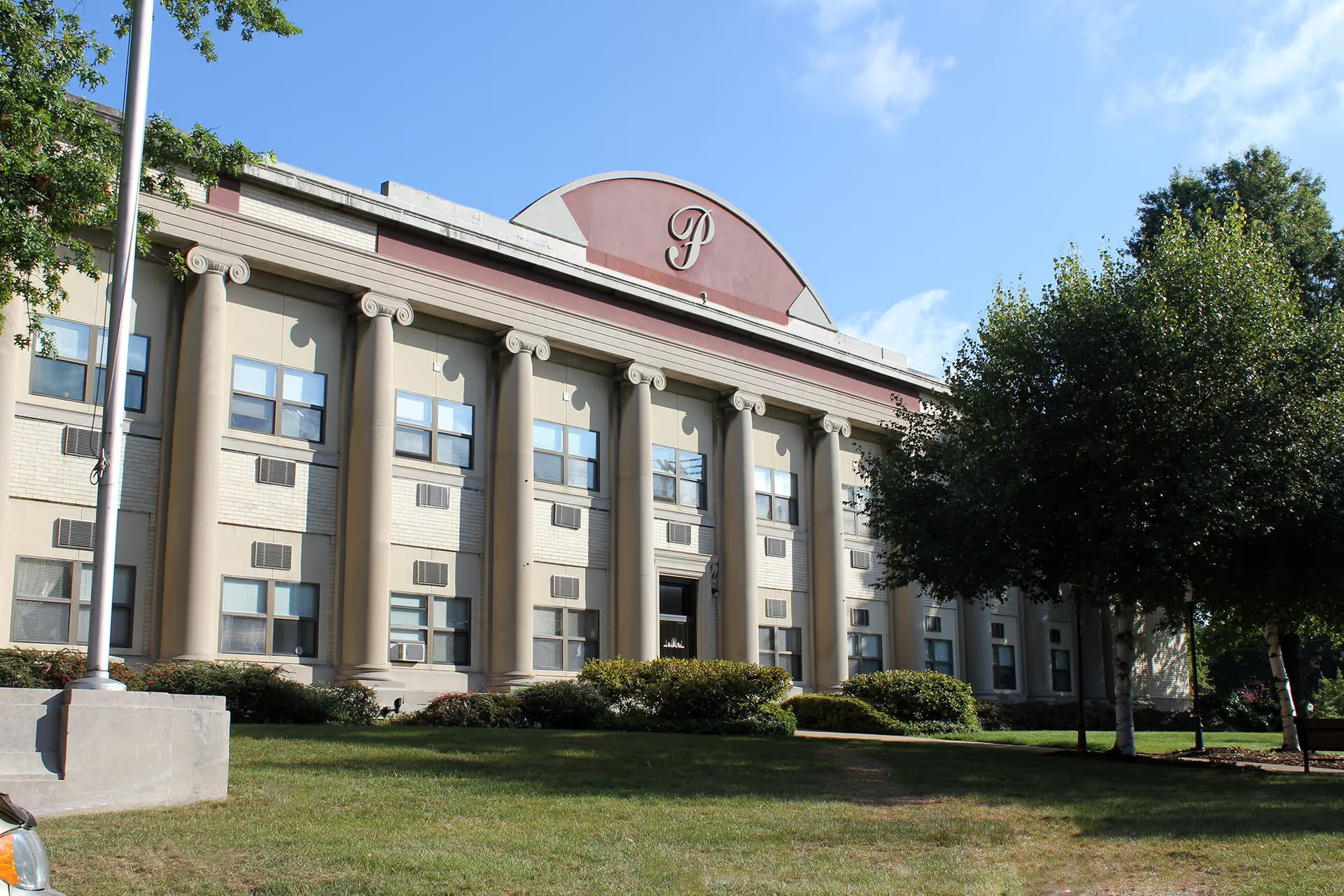
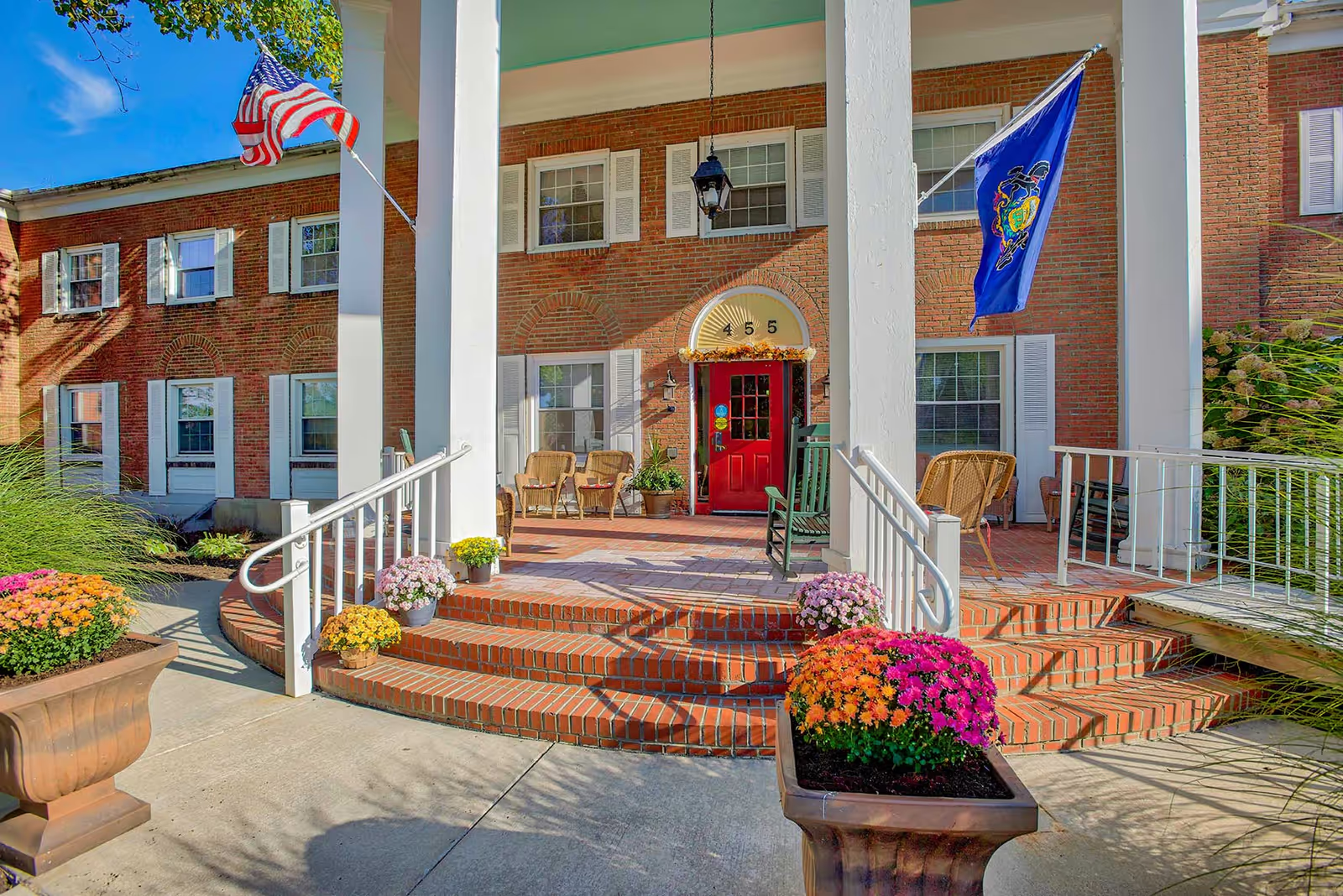
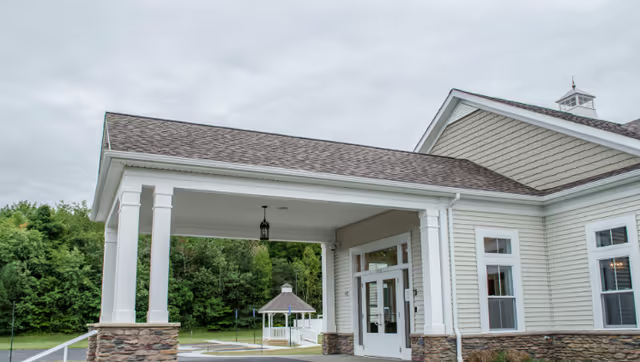
Saint Mary's at Asbury Ridge presents a mixed but clear pattern of strengths and operational risks. On the positive side, reviewers consistently praise the facility's physical environment: attractive, modernized buildings, well-kept grounds, accessible patios, and private-room options with in-suite conveniences. Many families and former residents highlight compassionate, helpful direct-care staff and strong nursing and rehabilitation capabilities, including physical, occupational, and speech therapy. The community offers a range of engagement options — bingo, movie nights, therapy animals, library/computer access, transportation, and a faith-based chapel — that contribute to a calm, home-like atmosphere for residents.
Care quality and staffing portray a dual narrative. Clinical and rehabilitation teams receive frequent commendation for improving mobility and providing intensive therapy. At the same time, staffing levels and shift consistency are recurring concerns: several accounts describe slow call-bell response times, delays in attending to basic-care needs, and lapses in routine tasks (linen changes, timely assistance at meals). Reviewers also flagged inconsistencies in medication authorization and administration timing, which points to variability in clinical coordination and handoffs across shifts.
Dining and activities are generally seen as strengths but show variability. Some reviewers enjoyed a varied menu and appealing meals, while others described cafeteria slowdowns, inconsistent adherence to diets, and uneven food quality. The activities program and social offerings are well developed and appreciated, though some families expected more consistency between the posted activity calendar and actual programming.
Facility maintenance and operational details receive mixed feedback. The property and common areas are often described as clean and modern, yet reviewers reported recurring small maintenance lapses (missing paper supplies, water-dispensing cleanliness issues) and accessibility/privacy limitations in certain private-room layouts. A serious operational concern appearing in multiple accounts involves allegations of missing personal items; this suggests weaknesses in personal-asset controls and room-level security protocols.
Management and communication are another area of divergence. Positive experiences include courteous, professional administration and helpful coordination for short-term rehab stays. Conversely, several reviews point to gaps in administrative empathy, inconsistent family communication, perceived preferential treatment, and at least one mention of regulatory scrutiny. These governance- and communication-related issues appear tied to the operational inconsistencies reviewers describe.
Taken together, the patterns indicate a facility with strong physical assets, clinical rehabilitation strengths, and engaging programming, but with operational vulnerabilities around staffing consistency, responsiveness, communication, and certain aspects of sanitation and personal-asset security. Prospective residents and families should weigh the facility’s therapeutic and environmental advantages against these operational risks. Recommended topics to address on a tour or during intake include current staffing ratios by shift, call-bell response protocols, medication-administration procedures, infection-control practices, personal-item security measures, and how the facility documents and communicates care changes to families.