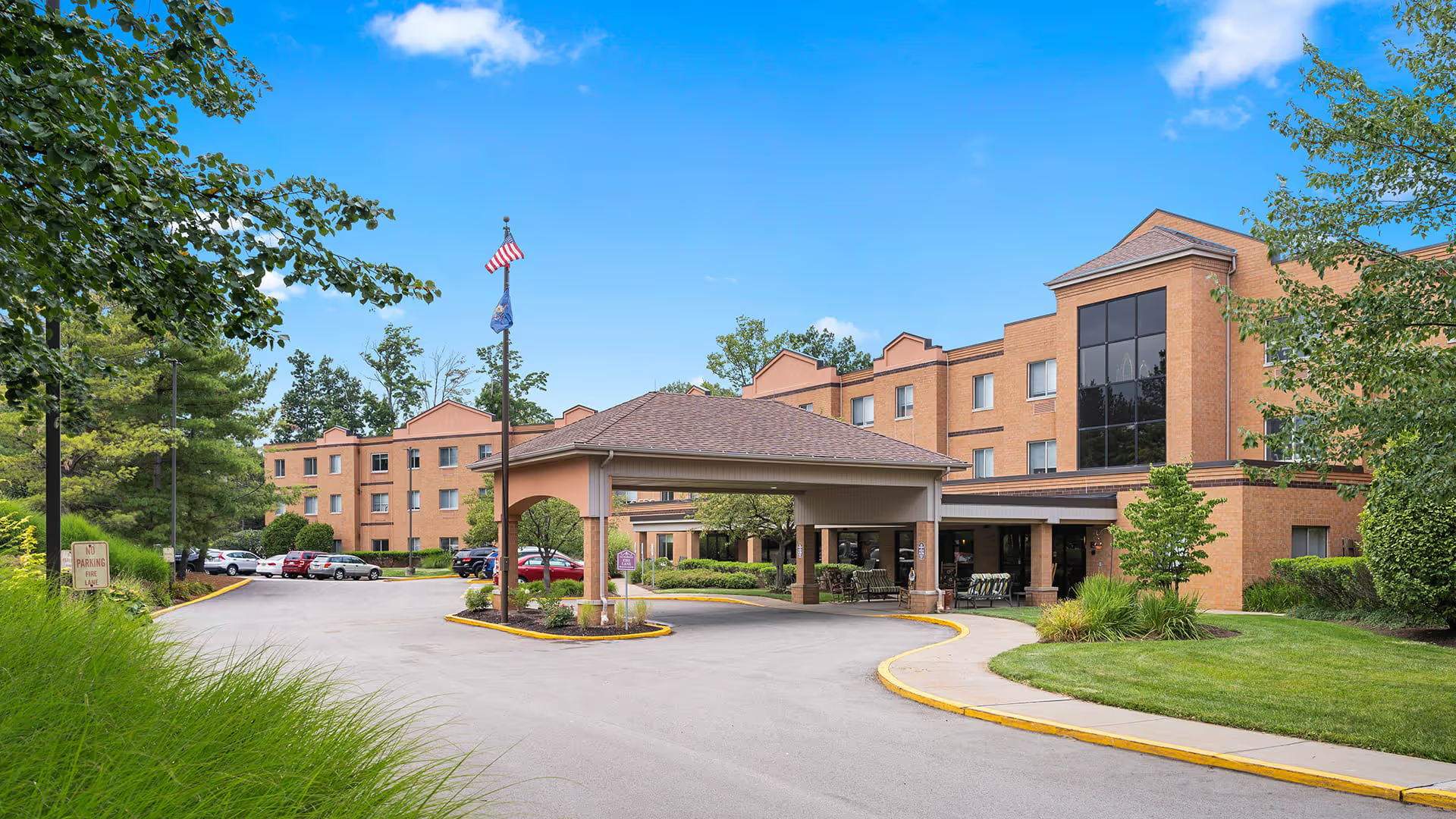
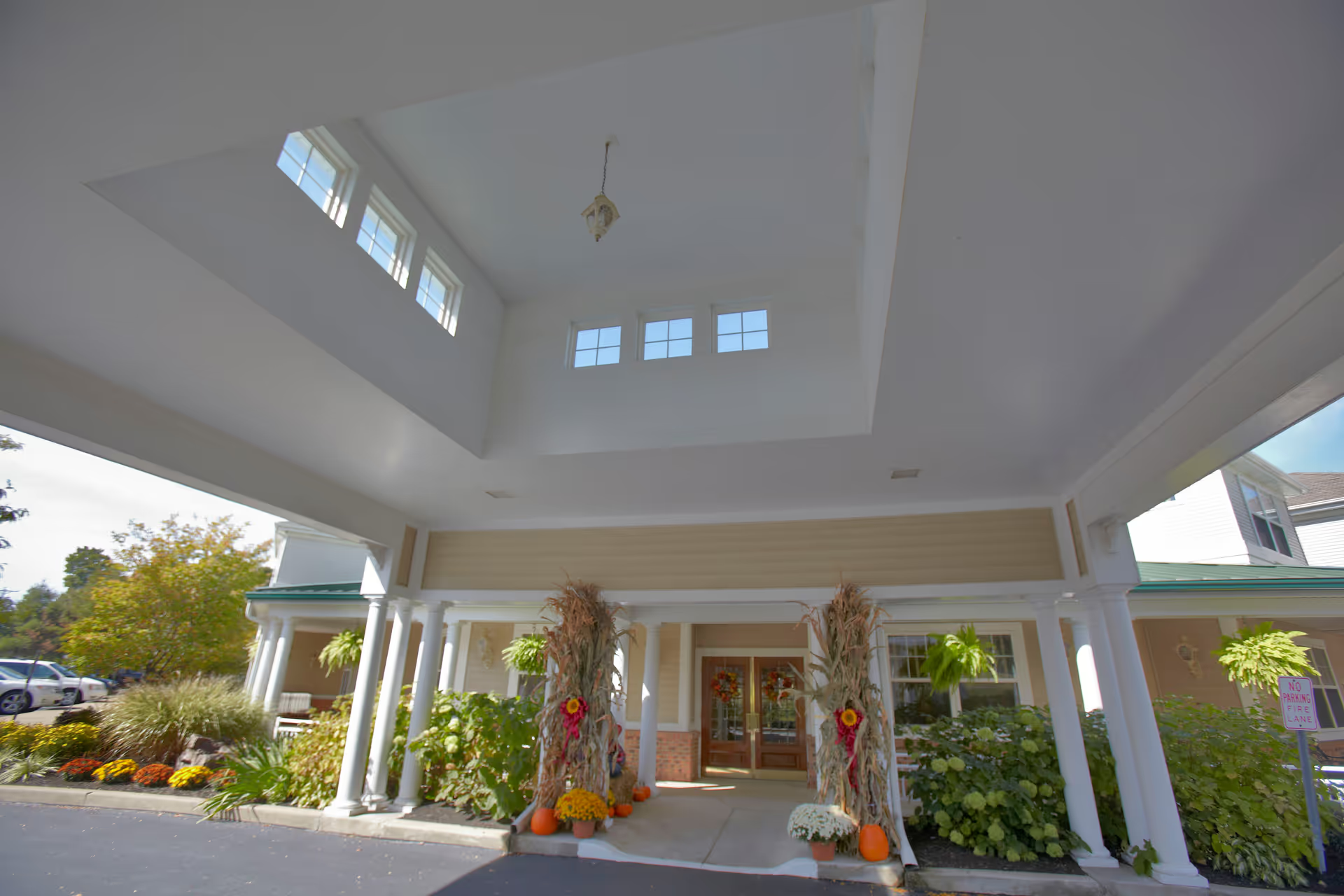
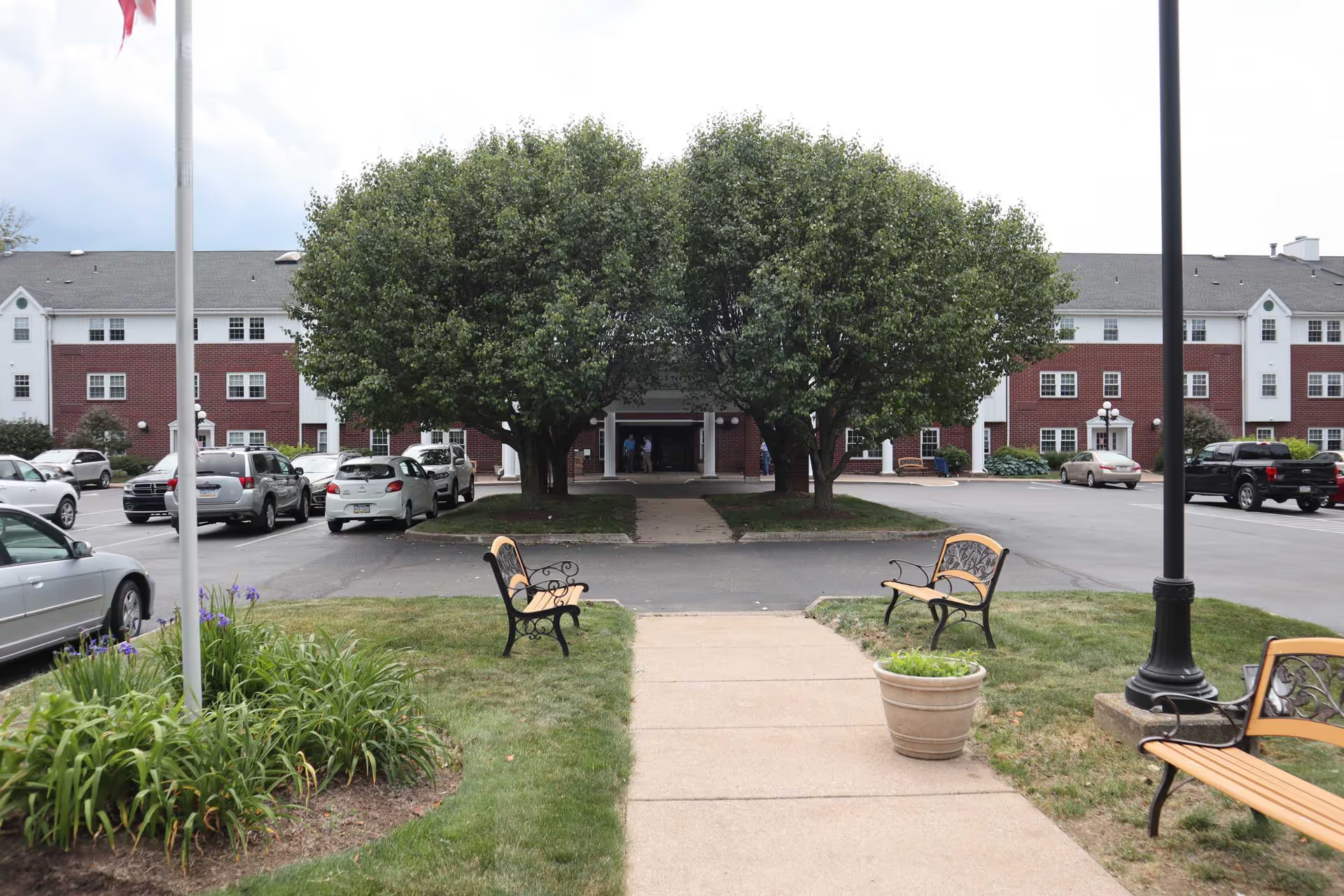
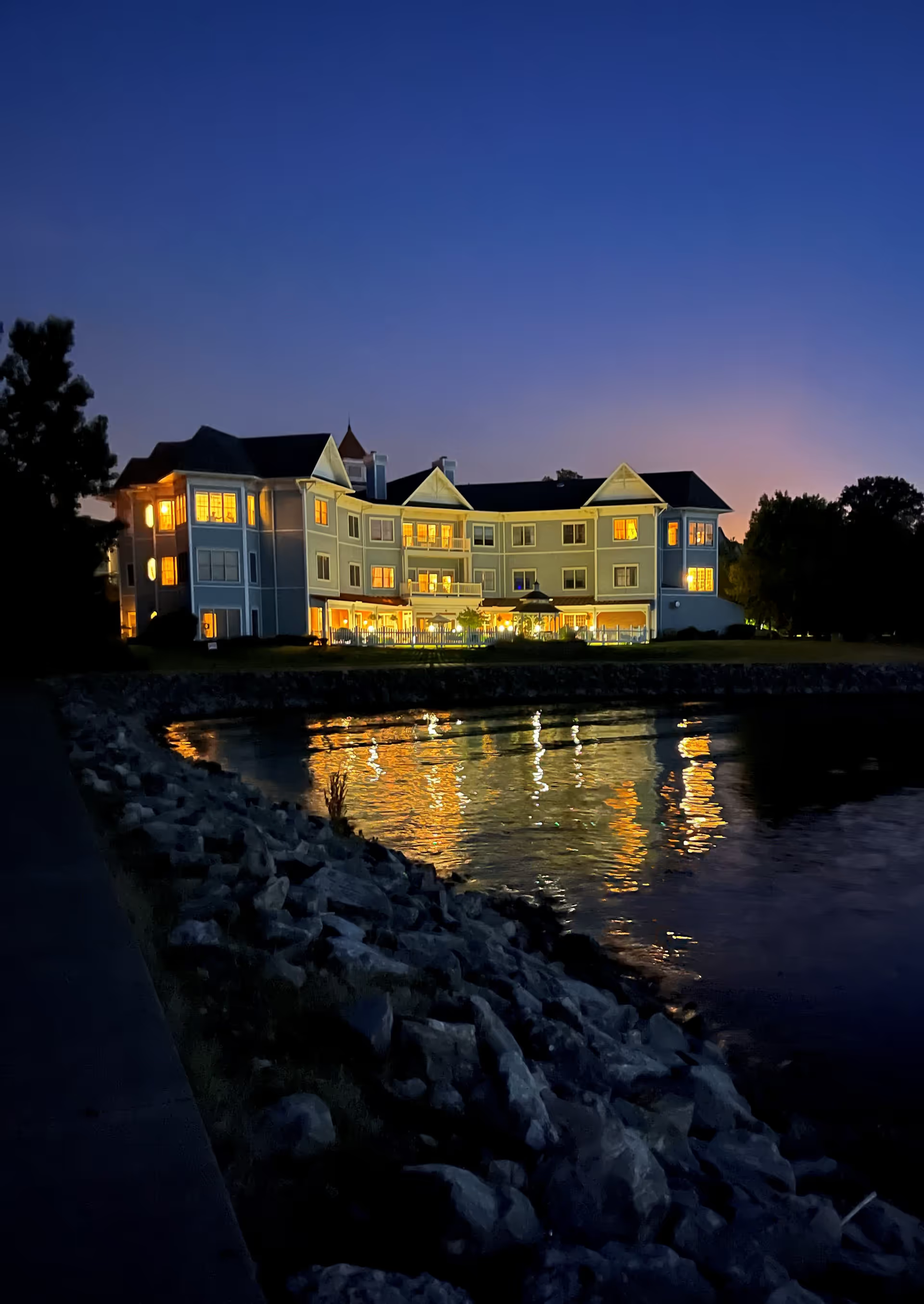
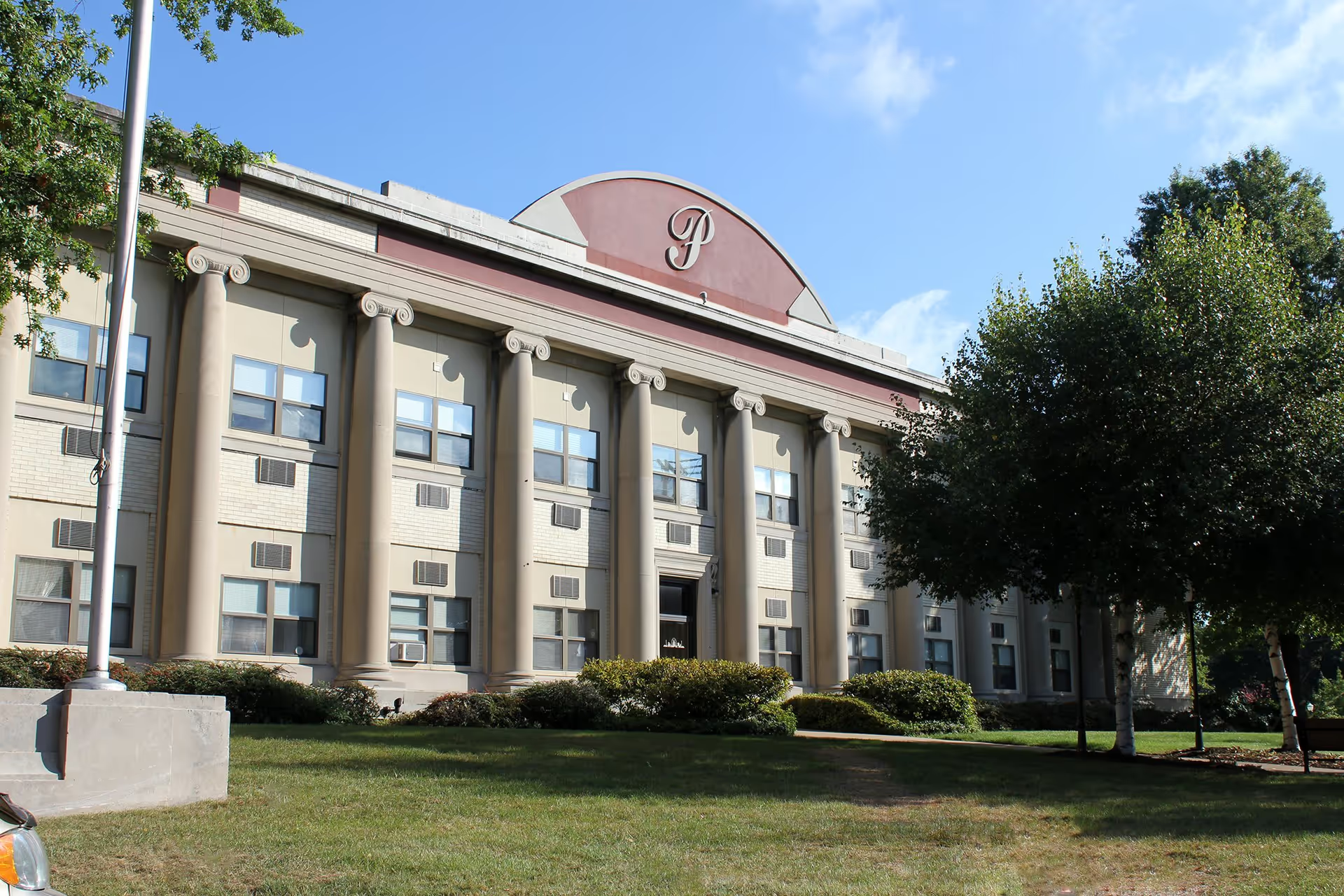
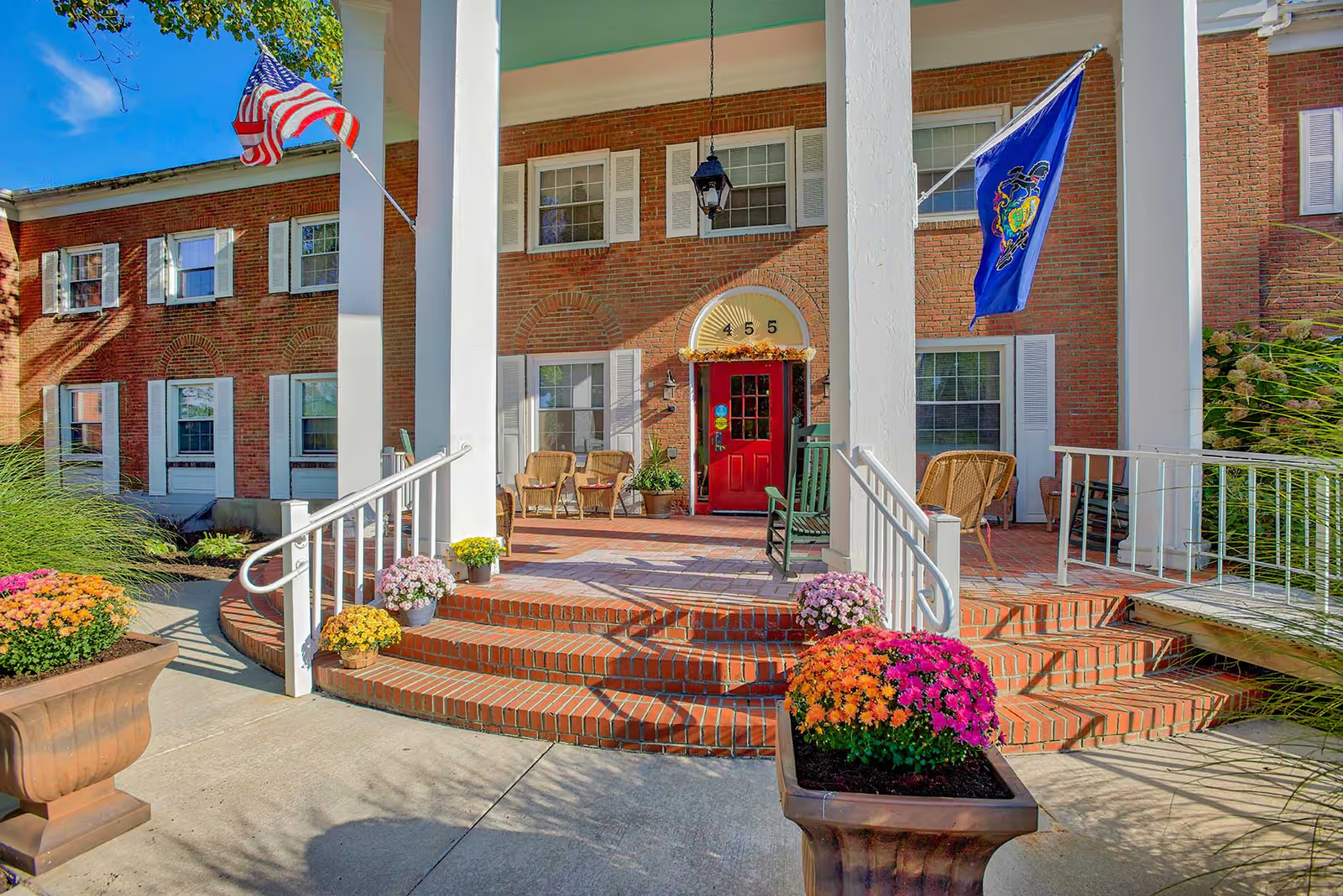
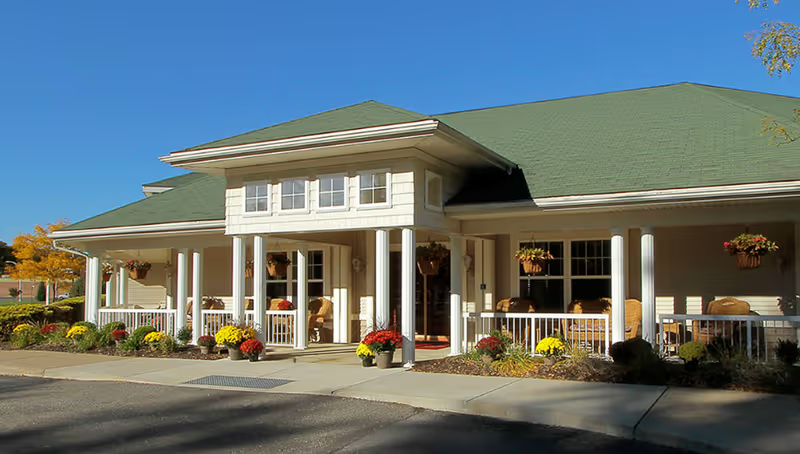
Springhill Senior Living is described across reviews as a large, well-appointed nonprofit senior community offering a full continuum of services from independent living through assisted living, memory care, and skilled nursing. The campus is repeatedly characterized as attractive and well maintained, with modern apartments (many with balconies and lake views), extensive indoor and outdoor amenities (aquatic center, fitness spaces, walking trails, gardens, gazebo, and activity rooms), and visible security and maintenance services that support a maintenance-free lifestyle. The nonprofit structure and a benevolent fund, together with a stated entry-fee refund policy, are noted as financial pluses for many families.
Clinical and rehabilitative resources are a clear strength for many residents: on-site therapy and rehabilitation services, an active rehab gym and pool, and available medical practitioners (including a CRNP with on-site availability) support transitions from hospital stays and ongoing care needs. Numerous accounts praise attentive, compassionate caregiving staff, responsive nurses and aides, coordinated return-to-hospital planning, and high-quality therapy outcomes. These operational strengths are complemented by abundant social and cultural programming — concerts (including visits from local professional ensembles), day trips, clubs, religious services, and themed meals — which reviewers link to a strong sense of community and resident engagement.
Areas of concern cluster around clinical operations, communication, and costs. Several reviewers describe serious lapses consistent with unreliable medication processes and variability in clinical coverage and handoffs; these accounts translate into a facility-level risk around medication-administration controls and continuity of clinical oversight. Related themes include uneven incident response and family communication after clinical events, occasional variability in infection-control and clinical-incident management, and reports indicating weaknesses in how incidents involving resident property are handled and followed up. In addition, a number of families describe the community as relatively expensive: entry fees and monthly charges are substantial, and many dining options are treated as ancillary (continental breakfast may be included but regular meals often incur additional cost).
Operationally, the campus design — with separate buildings for differing care levels — supports specialized services but can complicate co-residence for couples who require different levels of care. Reviewers also point to variability in staff conduct and communication tone; while many praise compassionate, family-like staff interactions, others describe interactions that were dismissive or inadequately responsive.
For prospective residents and families, Springhill offers a broad package of amenities, robust rehabilitation services, and an active social environment that many find highly satisfactory. At the same time, the pattern of concerns suggests prospective move-ins should perform targeted due diligence: ask for written protocols on medication administration and clinical handoffs, review incident-reporting and valuables-security procedures, verify staffing coverage patterns, confirm exactly which dining services are included in fees, and carefully document contractual terms and refund policies. These steps will help align expectations with the facility’s strengths and identify any operational limitations relevant to a particular resident’s care needs.