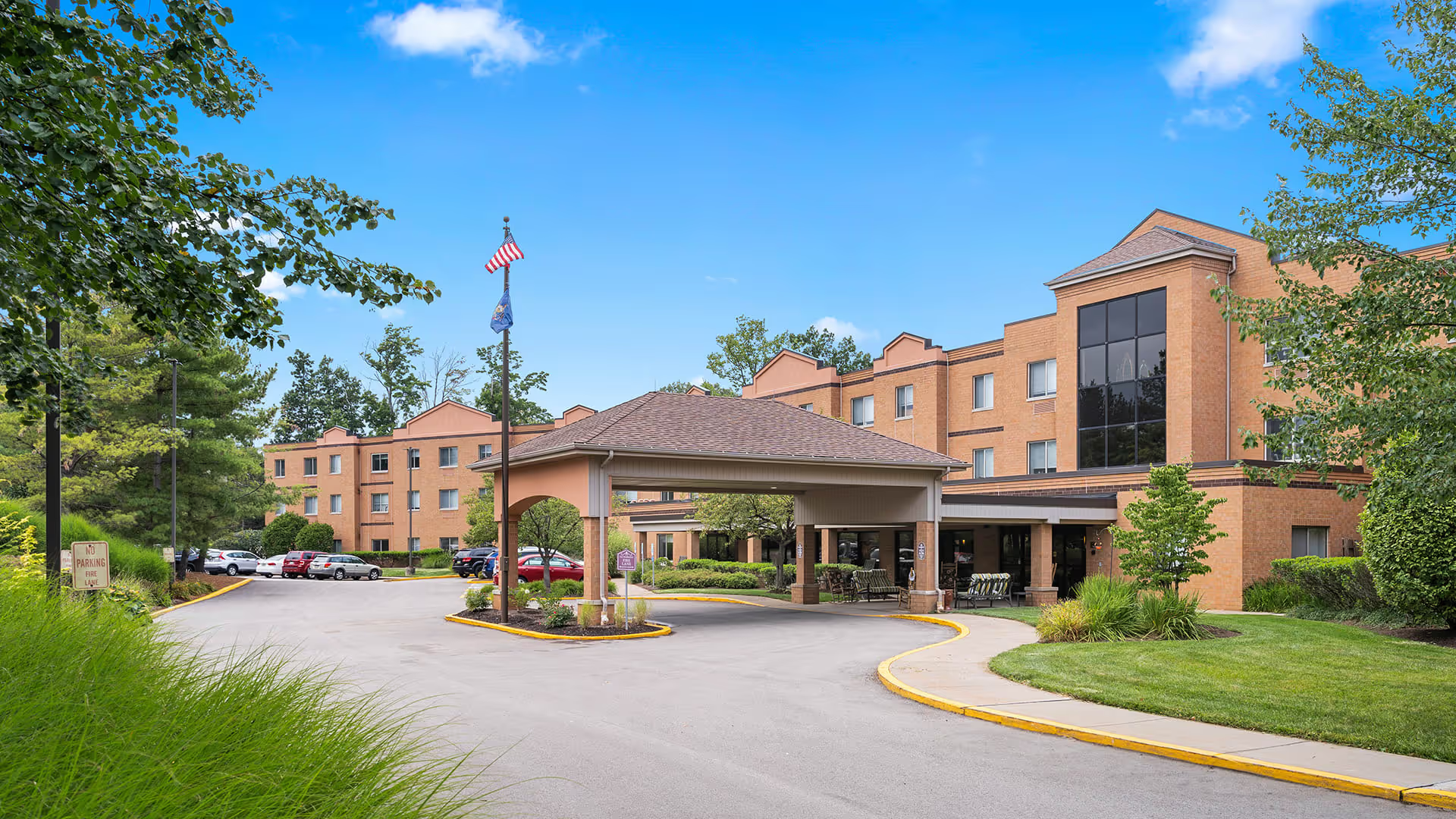
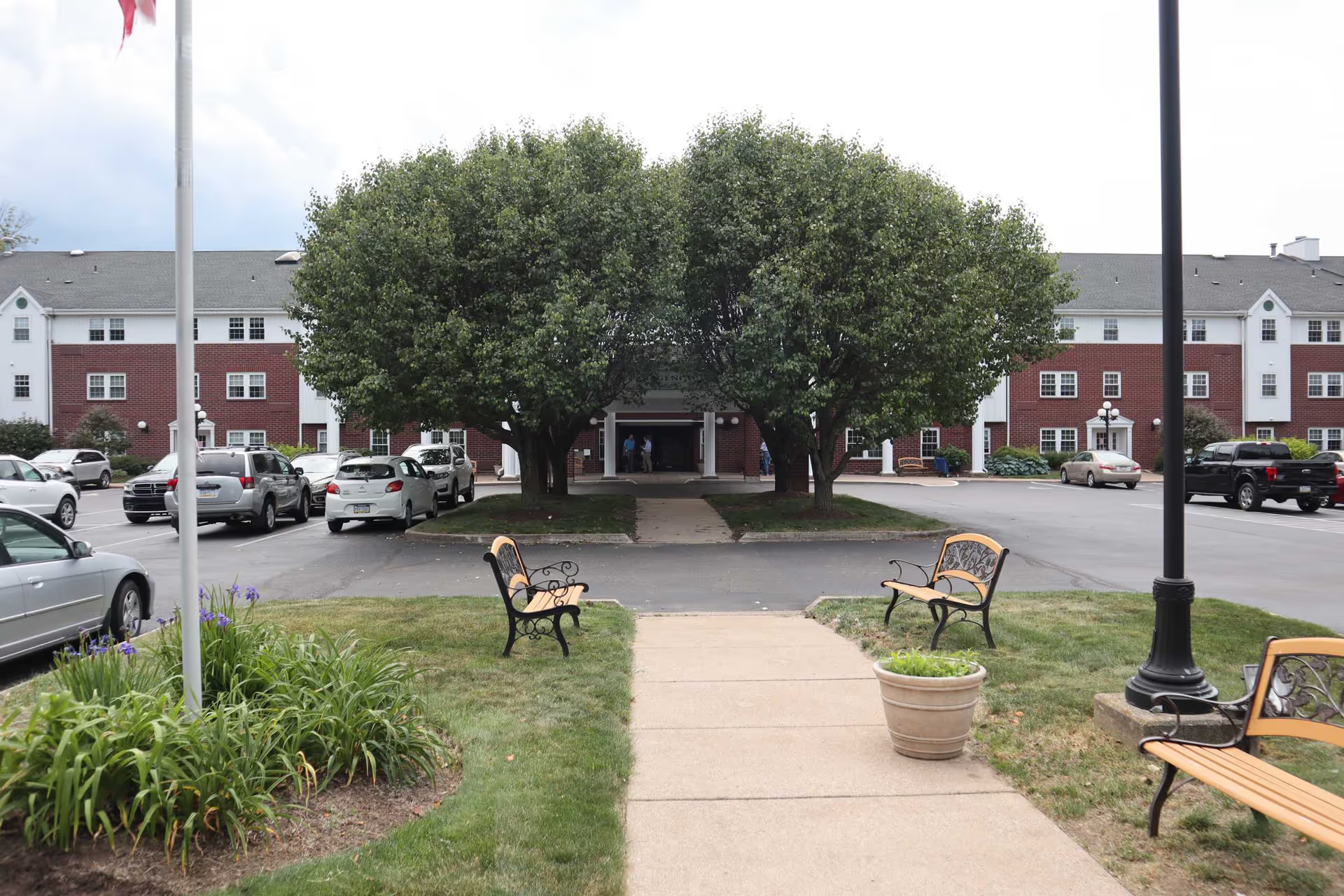
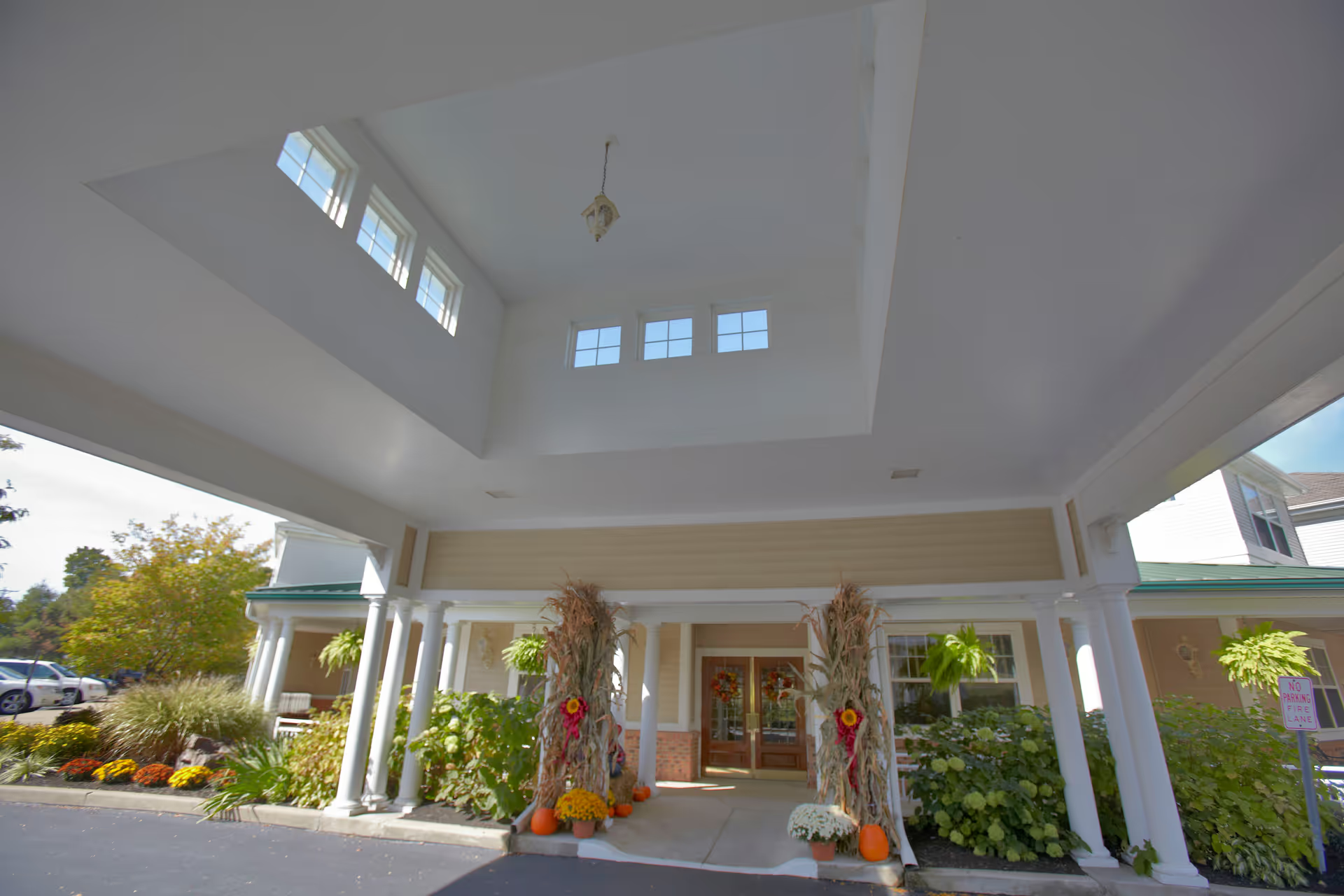
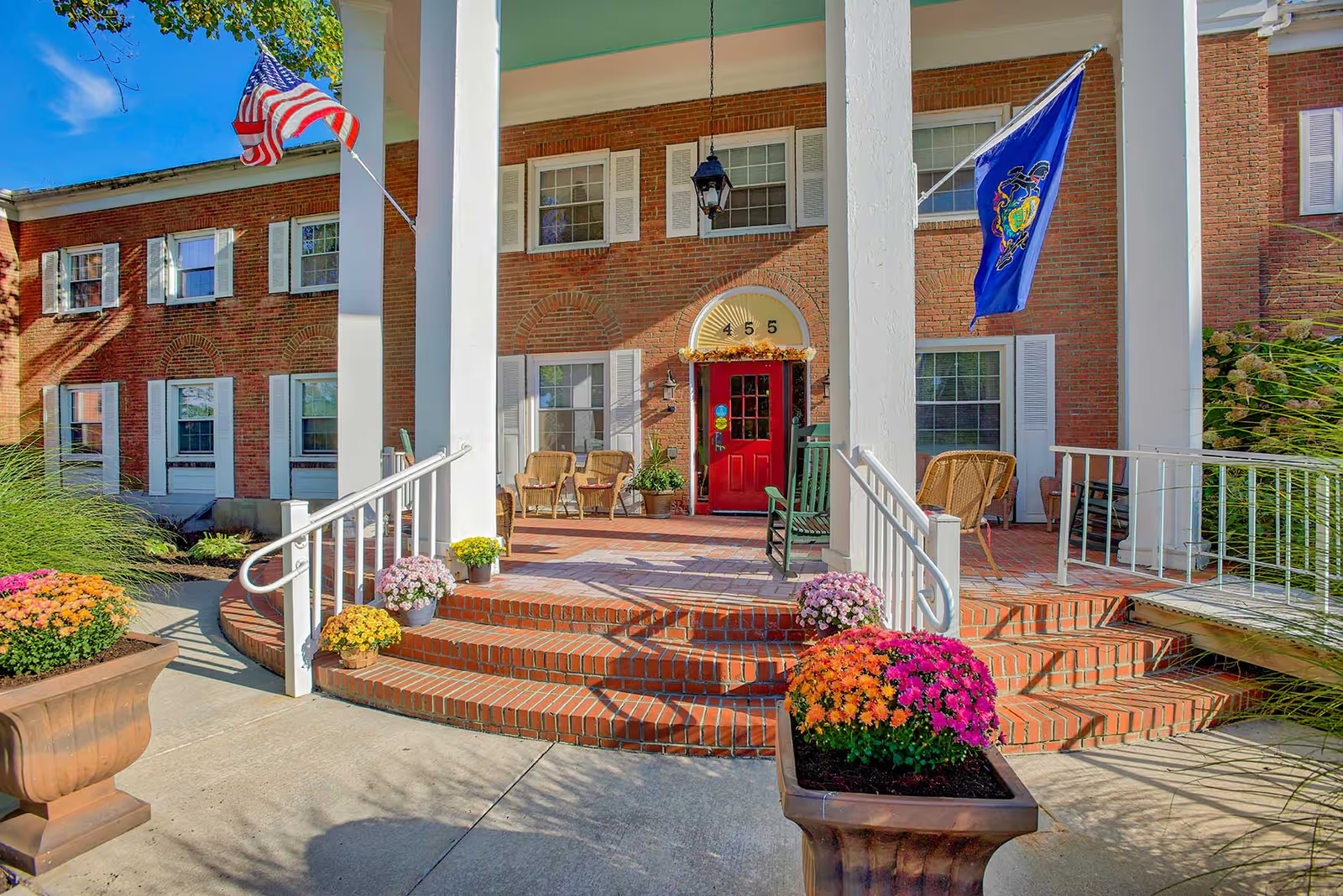
The reviews for Western Reserve Healthcare and Rehabilitation Center present a mixed picture. Several families and former residents described positive aspects: parts of the campus are described as attractive and hotel-like, with pleasant common areas for visits, accessible parking, and clean, updated units. Many comments praise individual caregivers — staff characterized as friendly, courteous and compassionate — and specific staff members and nurses were recognized for patient-focused care and teaching mobility and transfer techniques. Therapists received positive remarks in a number of accounts, and some residents described satisfactory meal quality and attentive service.
At the same time, a number of operational concerns recur through the reviews. Clinical responsiveness and communication with families are inconsistent: reviewers described delays in attending to urgent needs, limited physician presence on weekends, and instances of slow coordination with emergency services. Medication-management and adherence to physician orders were cited as problematic in some accounts, which suggests gaps in clinical oversight and documentation. Staffing levels and shift coverage are another persistent concern; several reviewers noted what they perceived as understaffing, which was linked to delays in care and burdens on on-duty staff.
Therapy services appear uneven: while some families praised helpful and skilled therapists, others felt physical-therapy programs were ineffective or poorly supervised. Dining experiences also vary — some residents enjoyed meals, while others reported small portions and limited fresh options. Personal-care delivery showed inconsistency as well, including irregular bathing schedules and sanitation or odor concerns in certain areas. Infrastructure and environmental issues are also mixed: parts of the facility are new and well-maintained, but other wings were described as older, with temperature-control problems and dated décor. Several reviewers noted restrictive security measures (locked doors, sign-in procedures) that contributed to a sense of confinement for some residents.
Management and policy themes emerge across reviews. There are perceptions of unequal access tied to payer source, and at least one reviewer indicated contact with regulatory authorities; such comments point to family concerns about admissions and administrative decision-making. Communication tone and staff conduct were raised as issues in some narratives, suggesting a need for consistent training in resident interaction. Positive reports about individual staff members and specific shifts underscore that quality care does exist at the facility, but variability appears to be the dominant pattern.
For prospective residents and families: an on-site visit is essential. Inspect both the specific unit and the common areas you expect the resident to use, ask for details about staffing ratios and weekend physician coverage, review medication-administration and transfer-safety protocols, and discuss payer acceptance and admission policies. Request recent inspection results or corrective-action information if available, and ask to meet therapy staff to learn about individualized plans. These steps will help clarify whether the facility’s strengths align with the prospective resident’s clinical and lifestyle needs and whether management has addressed the operational inconsistencies noted by families.