Overall impression: Feedback for the facility is polarized: many comments emphasize a pleasant physical environment and caring individual caregivers, while a substantial set of concerns point to operational and clinical weaknesses that affect day-to-day resident experience. Positive notes consistently reference friendly staff members, engaging programming, and amenities that contribute to a home-like atmosphere. Conversely, recurring operational patterns—especially around staffing and responsiveness—are the main drivers of negative comments.
Care and staff: Families and residents frequently praise specific nurses and aides for compassionate, attentive care and for going above and beyond. At the same time, staffing levels and staff stability appear to be recurring issues. The most consistent operational complaints are long waits for assistance, slow or missed responses to call systems, and uneven clinical attention (including delayed medication administration and slow vital-sign checks). Therapy and rehabilitation services receive generally favorable remarks, but reviewers cautioned that the facility may be ill-suited for immediate post-operative recovery or intensive medical needs without clarified nursing support.
Dining and activities: The facility rates well for social programming and resident engagement—Bingo, arts-and-crafts, ice-cream socials, karaoke, and other daily activities are frequently mentioned as strengths. Many families also value the facility’s ability to accommodate dietary preferences. At the same time, food quality and meal execution are described as inconsistent: some reviewers cite mediocre or unhealthy offerings and occasional mishandling of dietary restrictions or allergy needs. Prospective families should verify current meal-planning processes and allergy protocols.
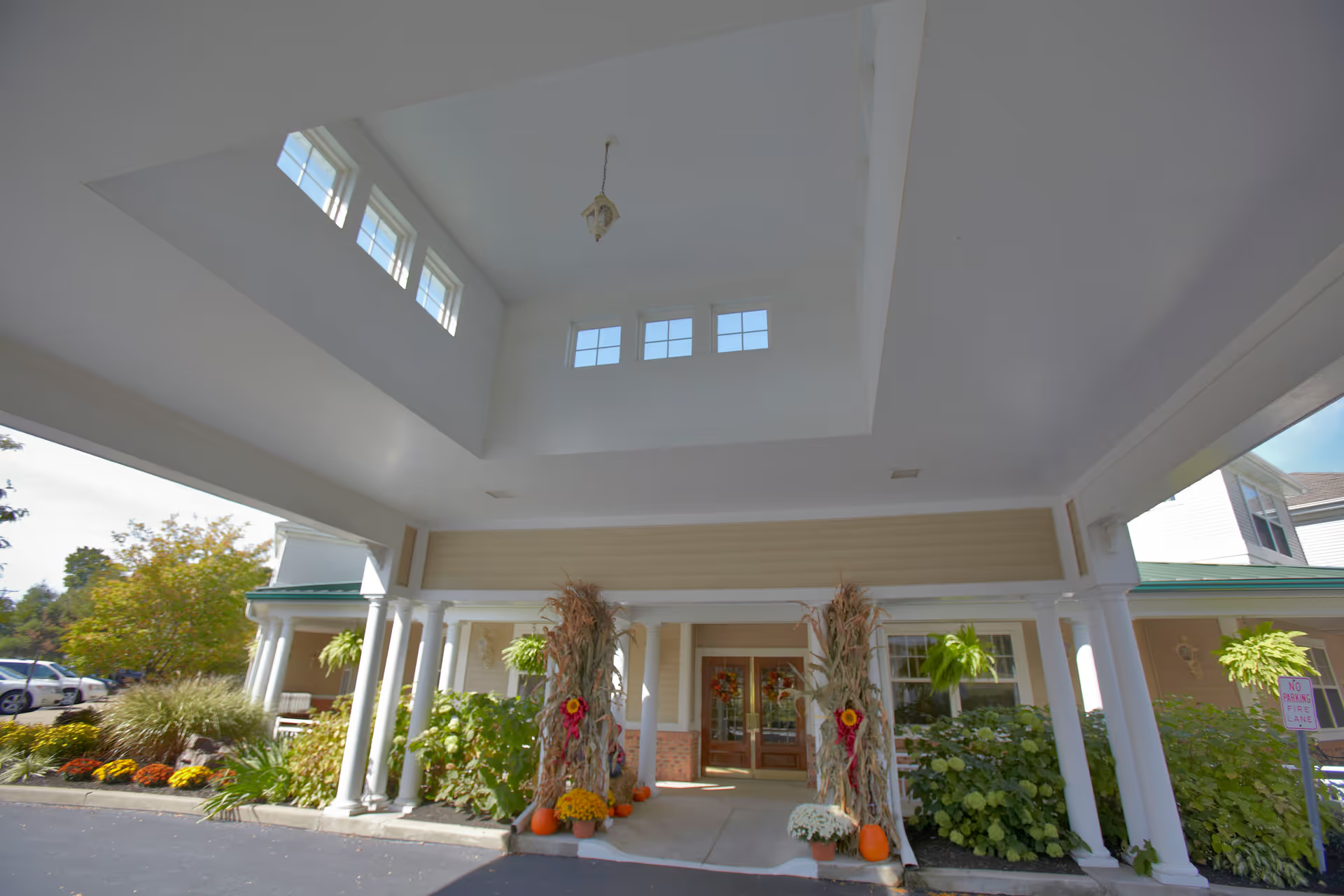
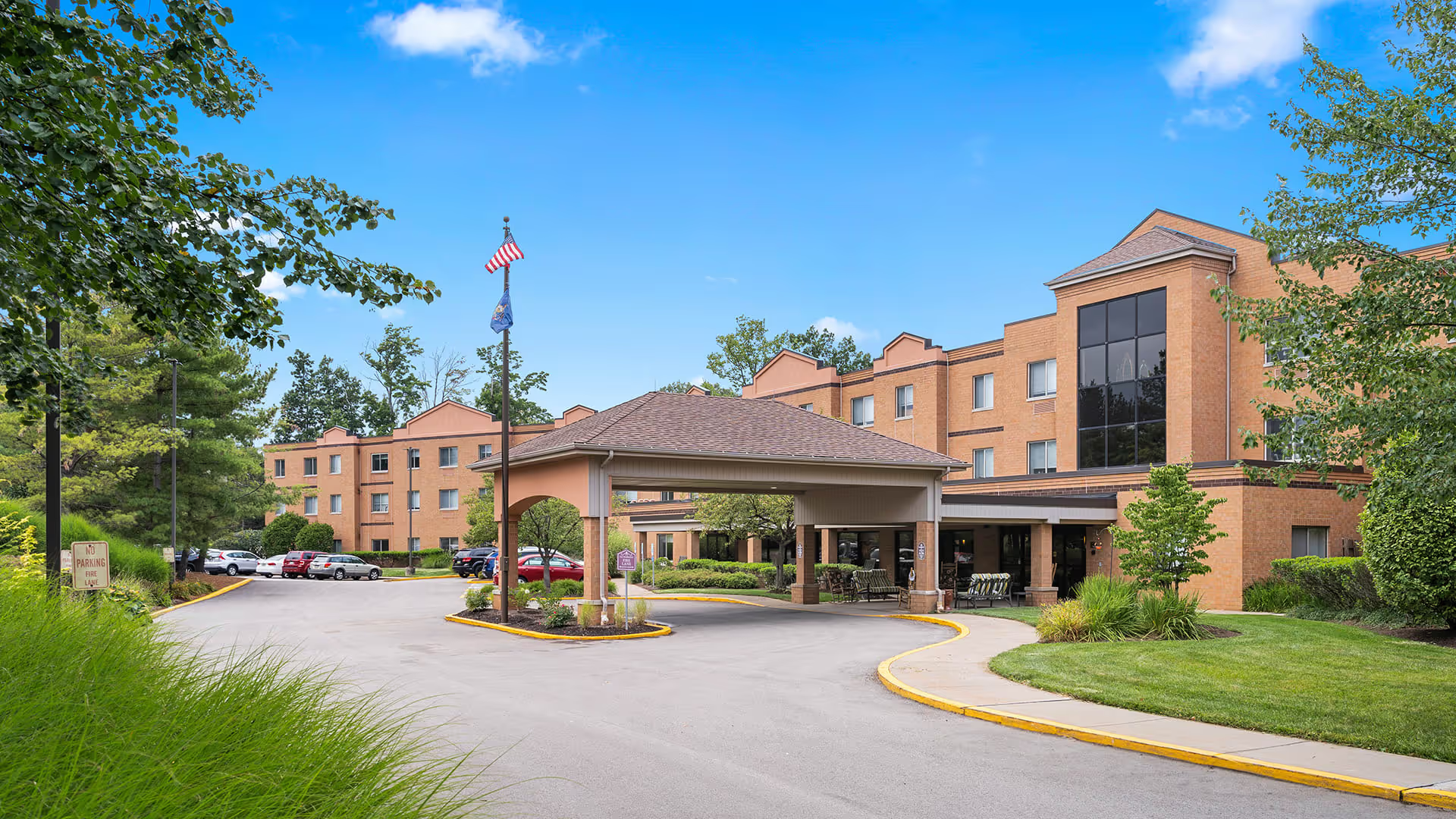
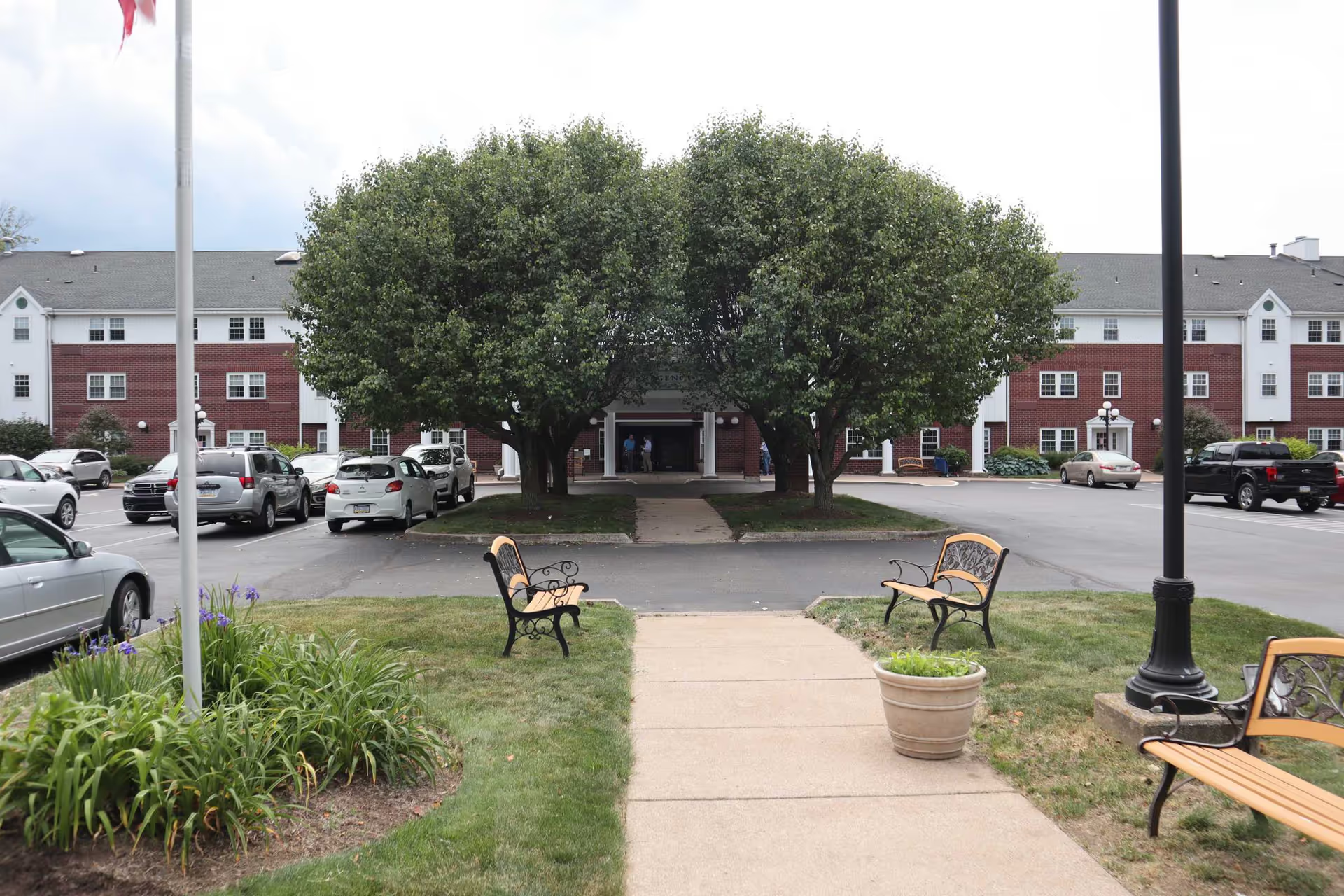
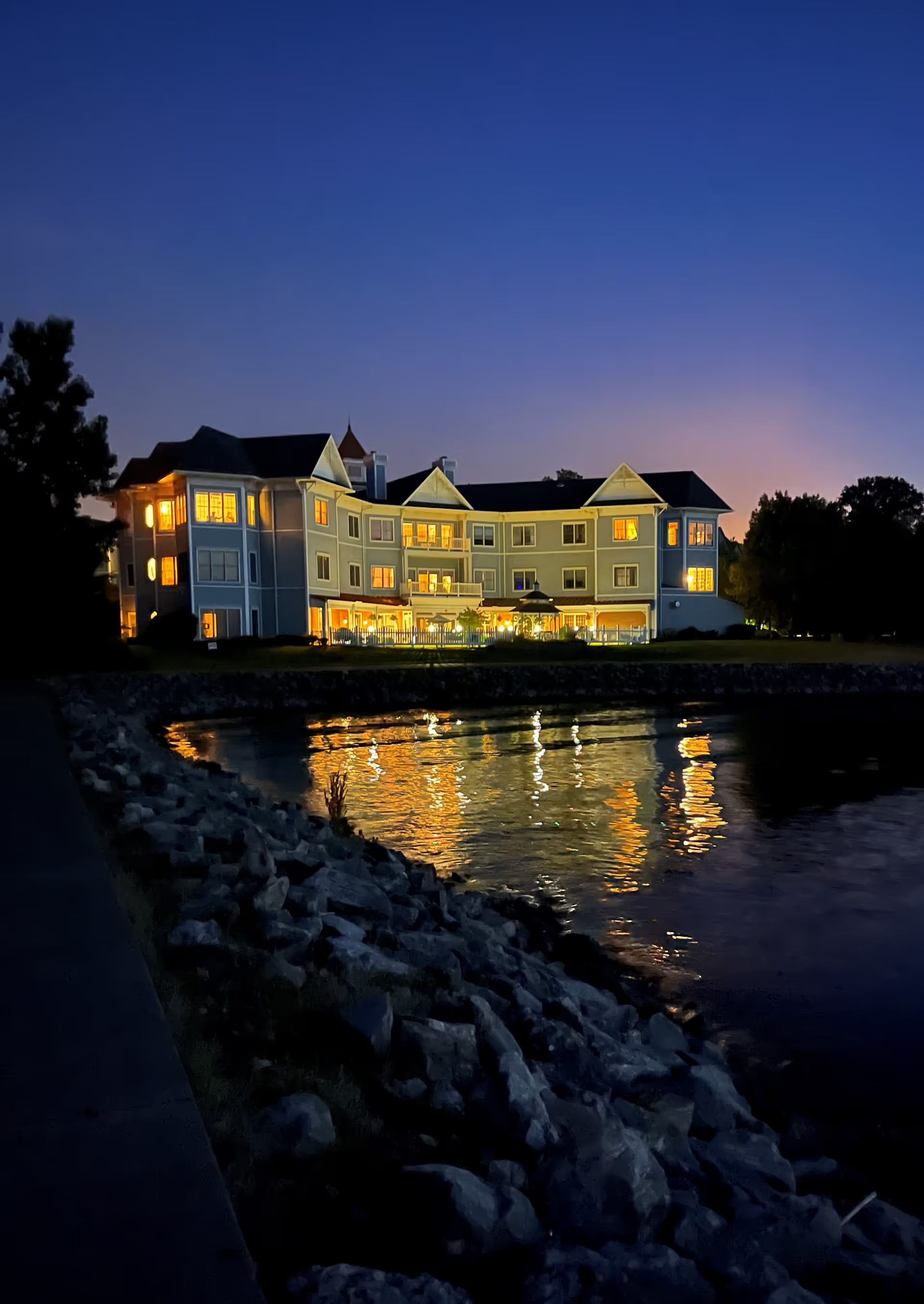
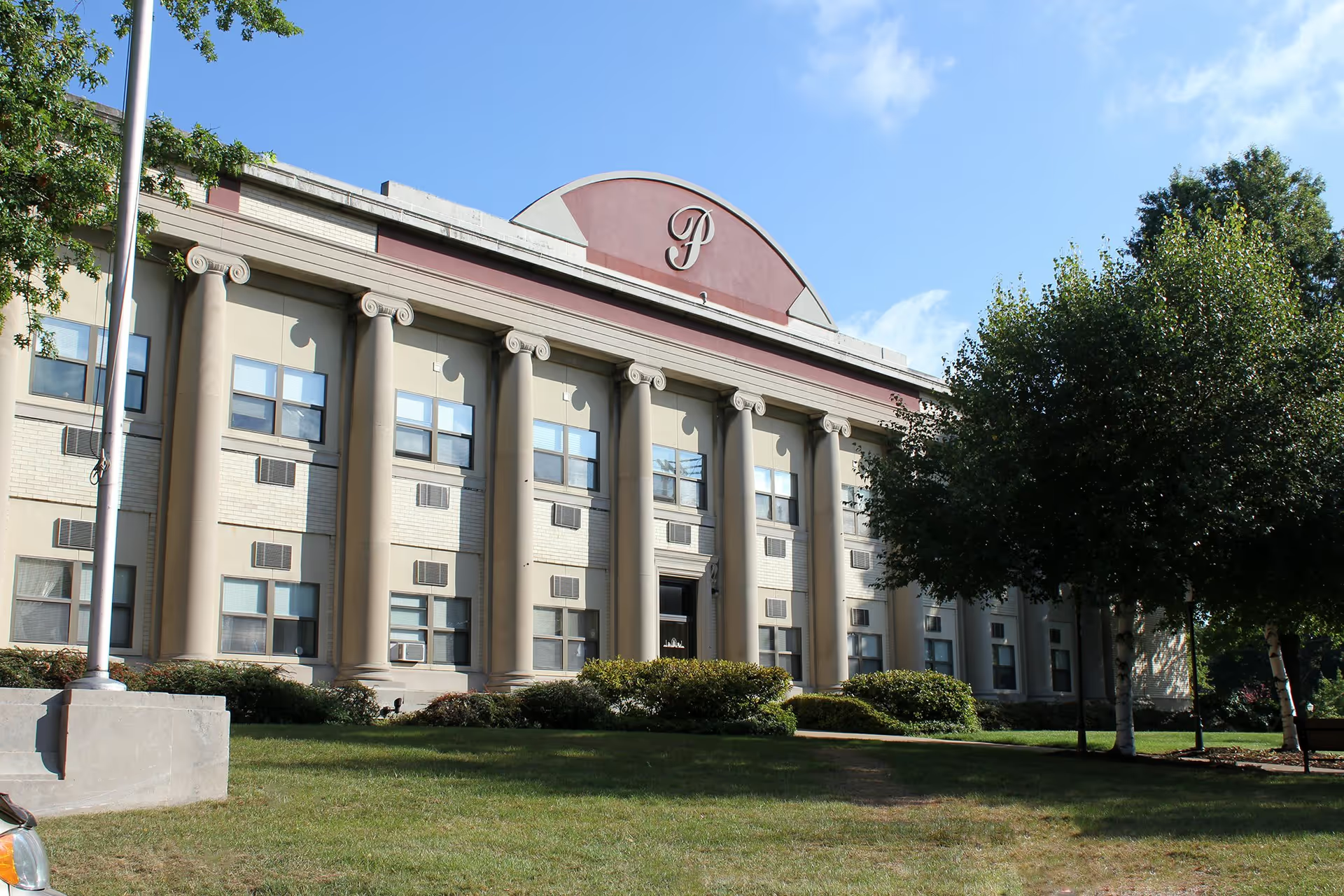
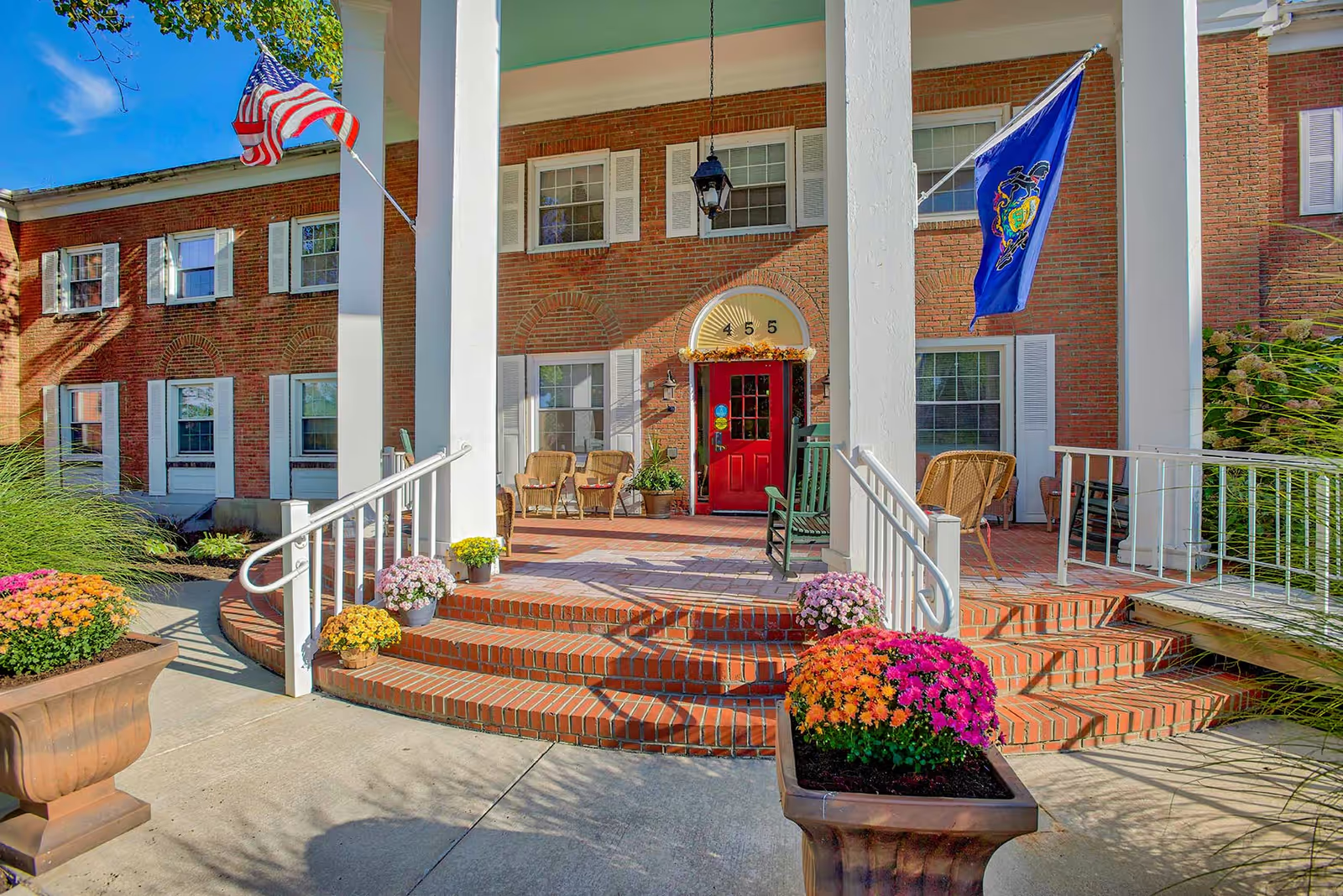
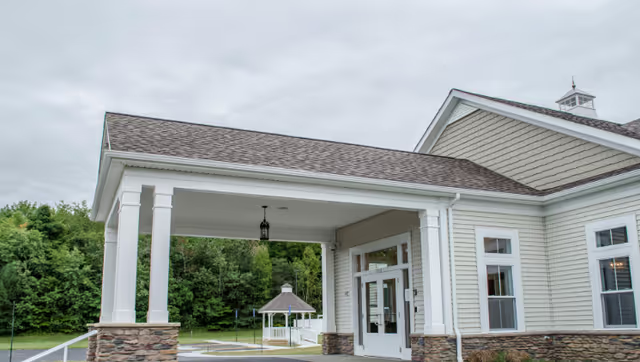
Facilities and amenities: The building, grounds, and communal spaces are often described positively: clean interiors, pleasant smells, scenic views from rooms, multiple seating areas, outdoor space, and an on-site salon. Room personalization (decor and small appliances) is allowed and appreciated. Counterbalancing these positives, there are operational concerns about housekeeping consistency and property management—lost or damaged personal items and inconsistent room cleanliness were raised. Reviewers also identified gaps in environmental safety and communication systems, such as lack of exterior camera coverage and limited in-room communication options.
Management and operational patterns: A pattern of management inaccessibility and weak complaint handling emerges in several accounts. Families report difficulty reaching leadership, delays in scheduling or communicating about care plans, and instances where administrative interactions felt adversarial (including concerns about billing and discharge pressure). Staffing-related explanations (low pay, caregiver exhaustion, turnover) are offered as contributing factors; some reviewers suggested that improved staffing levels and compensation could materially improve care consistency.
Notable risks and severity signals: A minority of comments raise serious concerns about clinical readiness and escalation (for example, delayed attention to acute needs or post-surgical care insufficiency). There are also mentions of infection-control visitation limits and the emotional impact of delayed responses on residents and families. Several accounts describe outcomes that prompted hospitalization or other escalation; families considering the facility should probe clinical protocols and emergency-response procedures.
Guidance for prospective families: Given the mix of strong amenities and recurring operational concerns, an in-person visit and targeted questions are recommended. Ask about current staffing ratios, average call-response times, medication-administration protocols, wound- and incontinence-care processes, laundry and lost-item policies, dementia-care accommodations, billing and discharge policies, and how management handles complaints and care-plan updates. Confirm the availability and scope of therapy services if recovery-level care is needed. Checking recent inspection reports and speaking directly with families of current residents can help clarify whether strengths or operational weaknesses are more dominant at the present time.