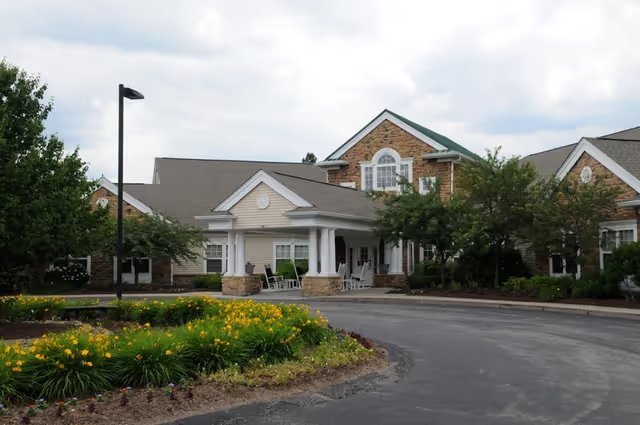
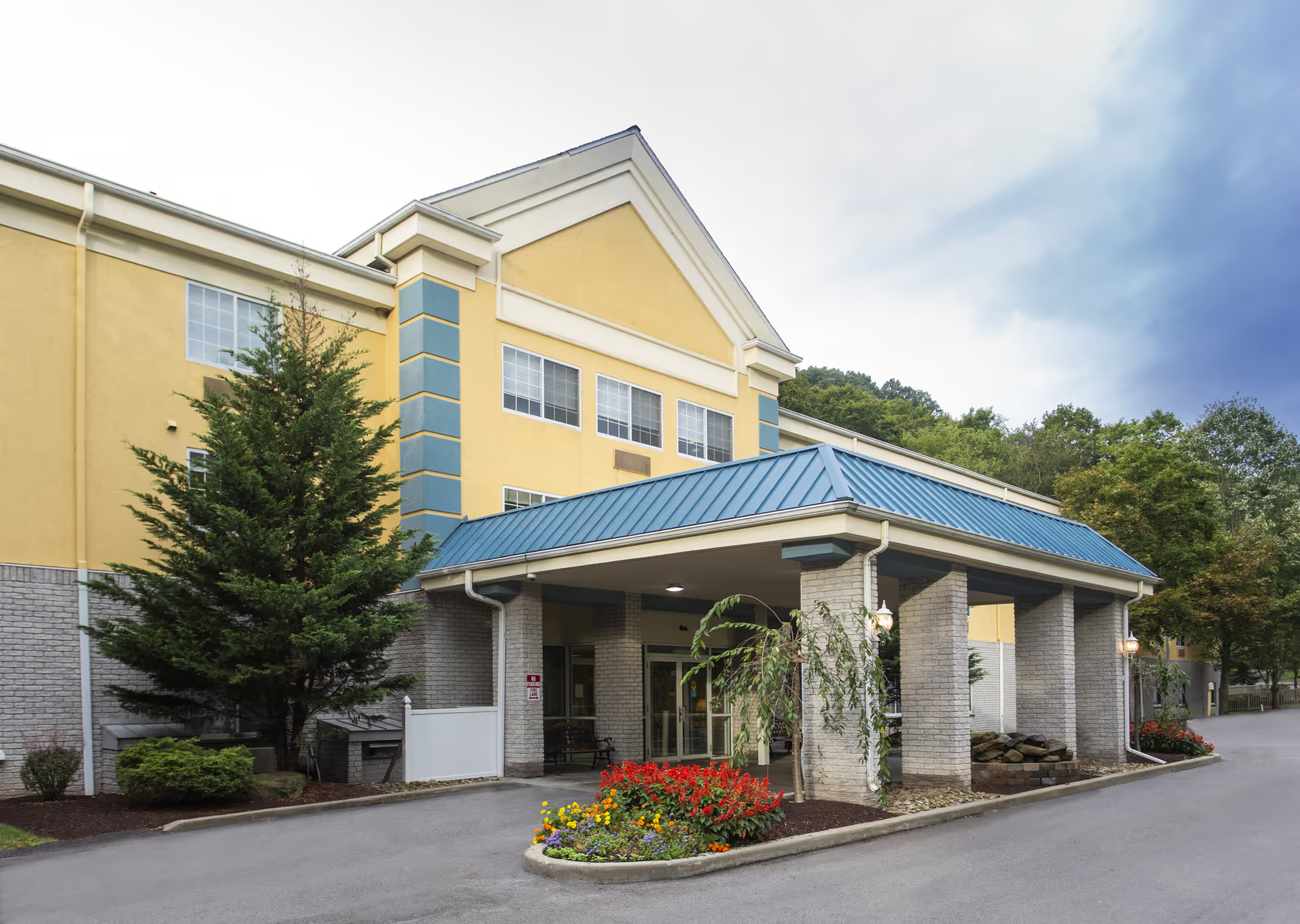
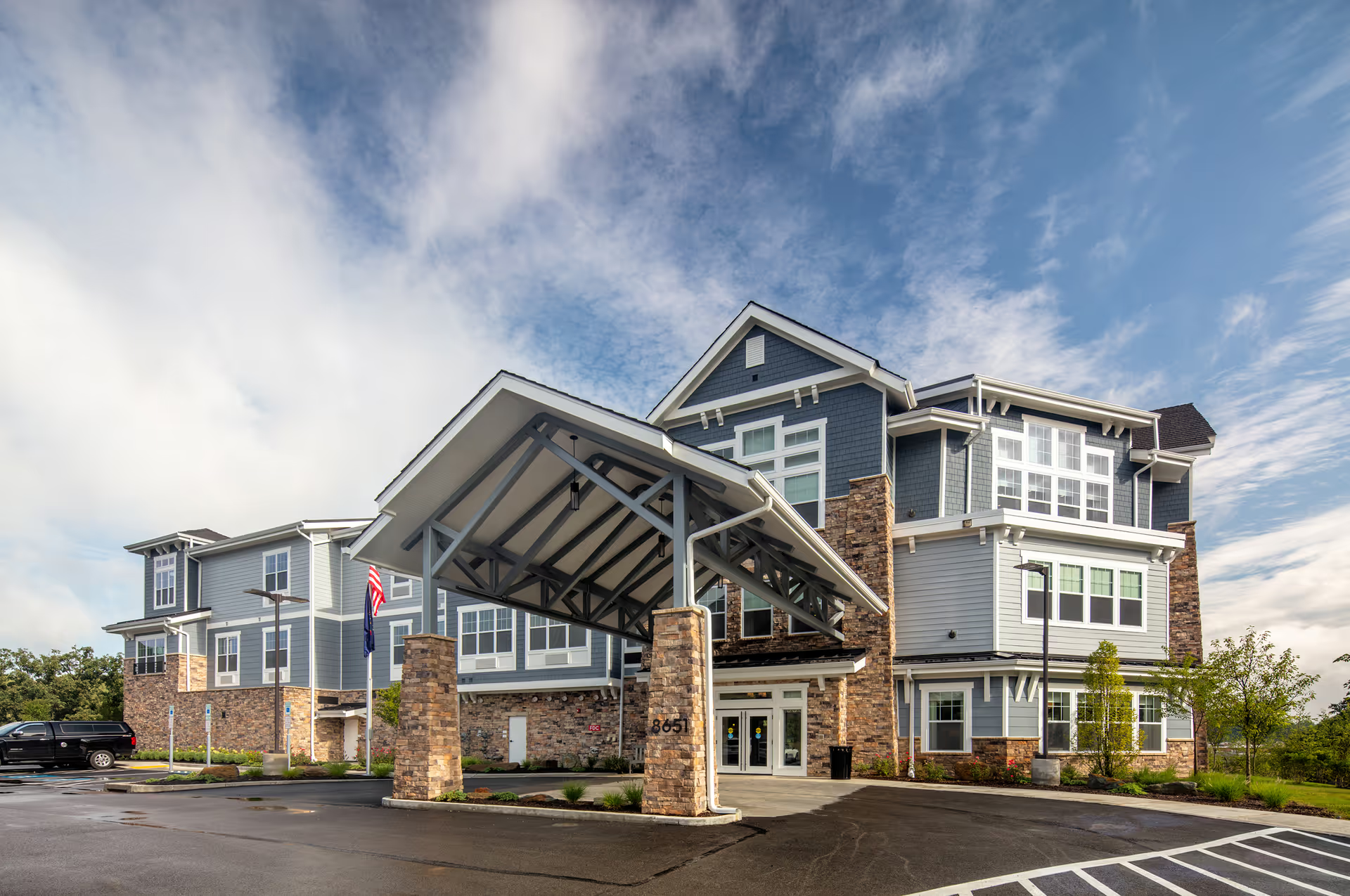
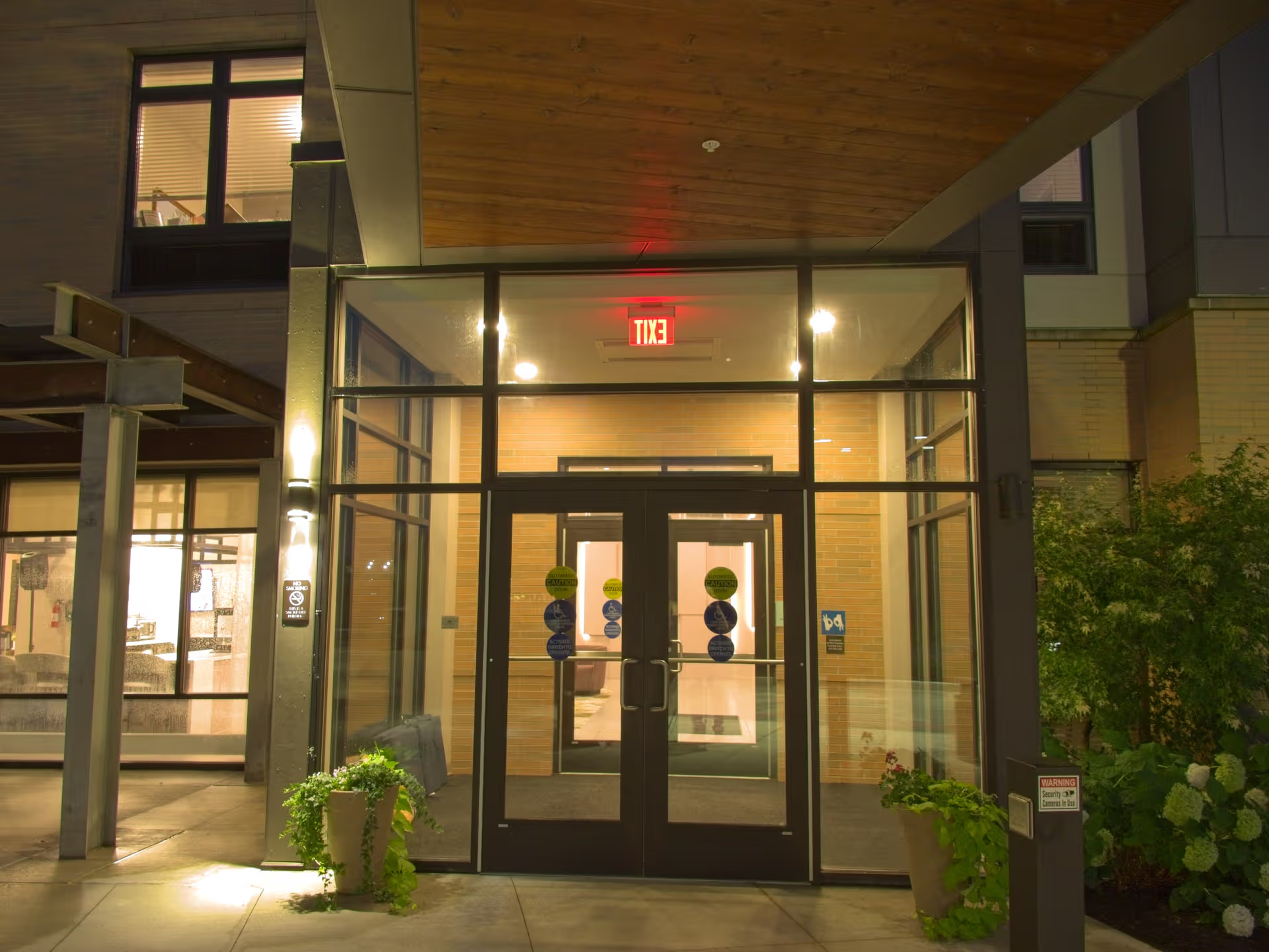
Harmony at Harts Run presents as a modern, well-equipped community with many physical strengths: newly built, clean apartments with contemporary finishes, multiple floor-plan options, and a range of on-site amenities (movie theater, salon, gym, game rooms, and landscaped common areas). Housekeeping and laundry services, on-site nursing and therapy, transportation/shuttle options, and a variety of social and dining spaces are repeatedly identified as facility strengths. Families and visitors frequently note friendly reception staff, engaging activities, themed family nights, and available levels of care including assisted living, memory care, and hospice.
Care-quality impressions are mixed. Positive accounts describe attentive nursing support, diligent med techs, strong onboarding and individualized attention, and staff who create a homelike atmosphere. However, a substantial body of feedback indicates operational gaps that affect clinical safety and continuity of care. These include inconsistent staffing and turnover, delays or lapses in medication administration and documentation, and weaknesses in incident response and wound-care follow-through. Several accounts relay fall-related incidents and delays in medical evaluation; collectively these suggest opportunities to strengthen fall prevention protocols, supervision for higher-acuity residents, and clinical oversight.
Dining and activities are a notable duality. Dining spaces and some culinary staff receive praise for presentation and occasional excellent meals and events, yet many observers cite inconsistent food quality, late or missed service (especially in higher-acuity units), and concerns about meal-plan pricing and extra charges. The activity program is broad — exercise classes, outings, volunteer musicians, and social events — but participation support is sometimes uneven: residents may not be escorted or assisted to activities consistently when staffing is constrained.
Facility operations and management show both strengths and friction points. Maintenance of a new building is generally good, and many routine requests are handled promptly, but reviewers also note intermittent electrical/plumbing issues, billing disputes, unclear charges (move-in fees, added incontinence costs, meal surcharges), and management turnover. Communication gaps include slow or absent follow-up, delays in document retrieval, and limited proactive family notification. These administrative and transparency issues compound clinical concerns when families seek timely answers about incidents, medication records, or contractual terms.
Taken together, the pattern is one of a high-potential community with substantial amenities and many dedicated staff members, but also with recurring operational weaknesses that merit scrutiny. Prospective residents and families would benefit from direct, specific questions during tours: staffing ratios by shift, written medication-administration and incident-response protocols, documentation of state inspections and corrective actions, details on all fees and contract terms, dining sample menus and meal coverage, and how the community supports activity participation for residents who need assistance. Asking for recent inspection reports and examples of how the community addressed prior clinical or administrative issues can help clarify whether the strengths consistently translate into safe, reliable day-to-day care.