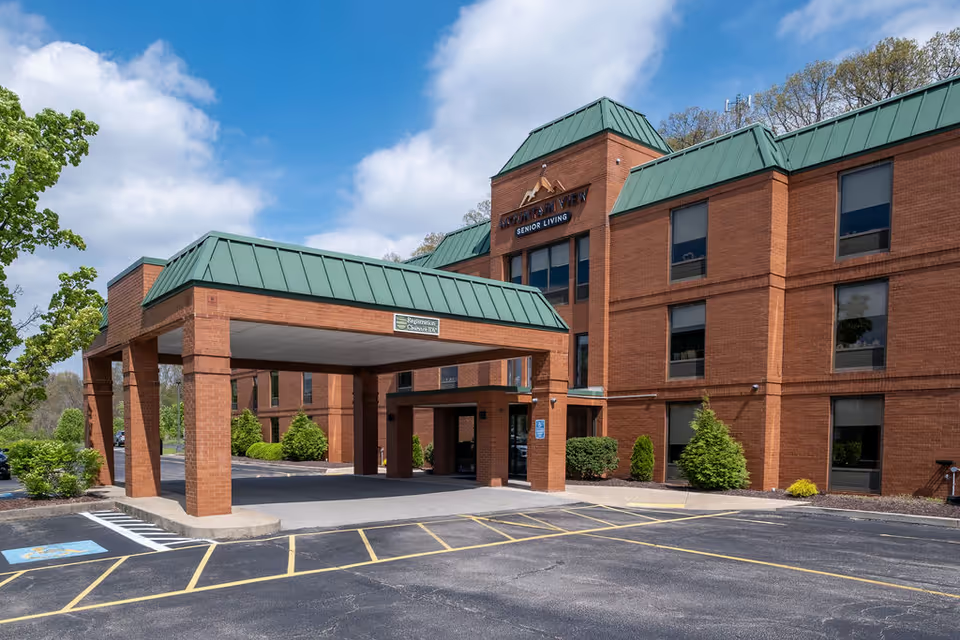
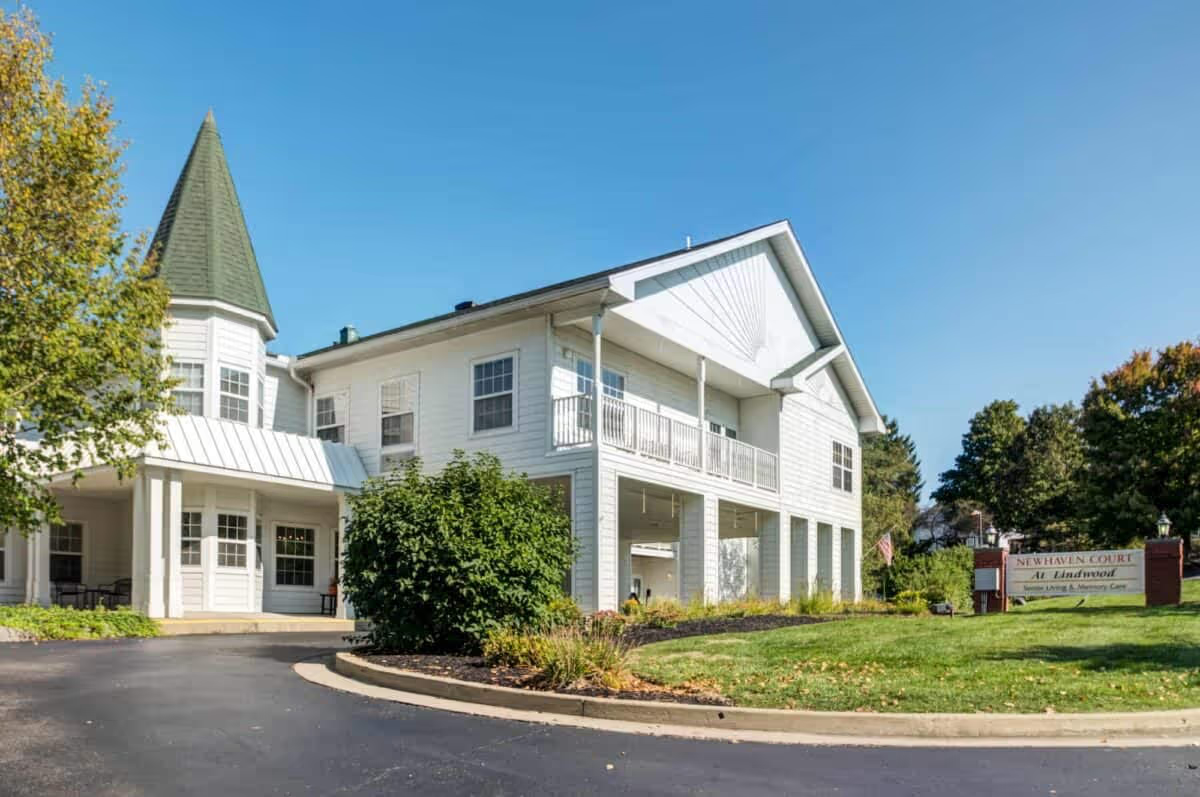
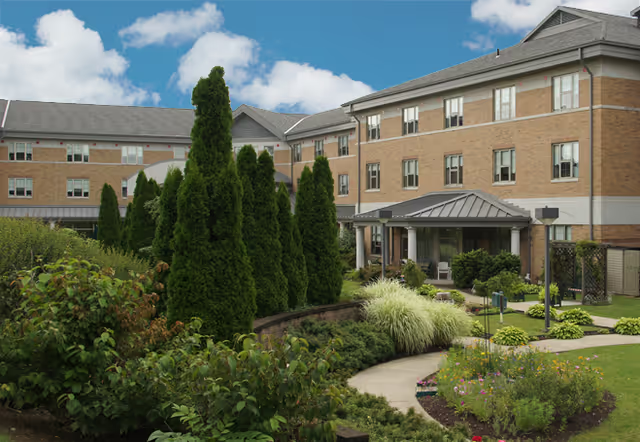
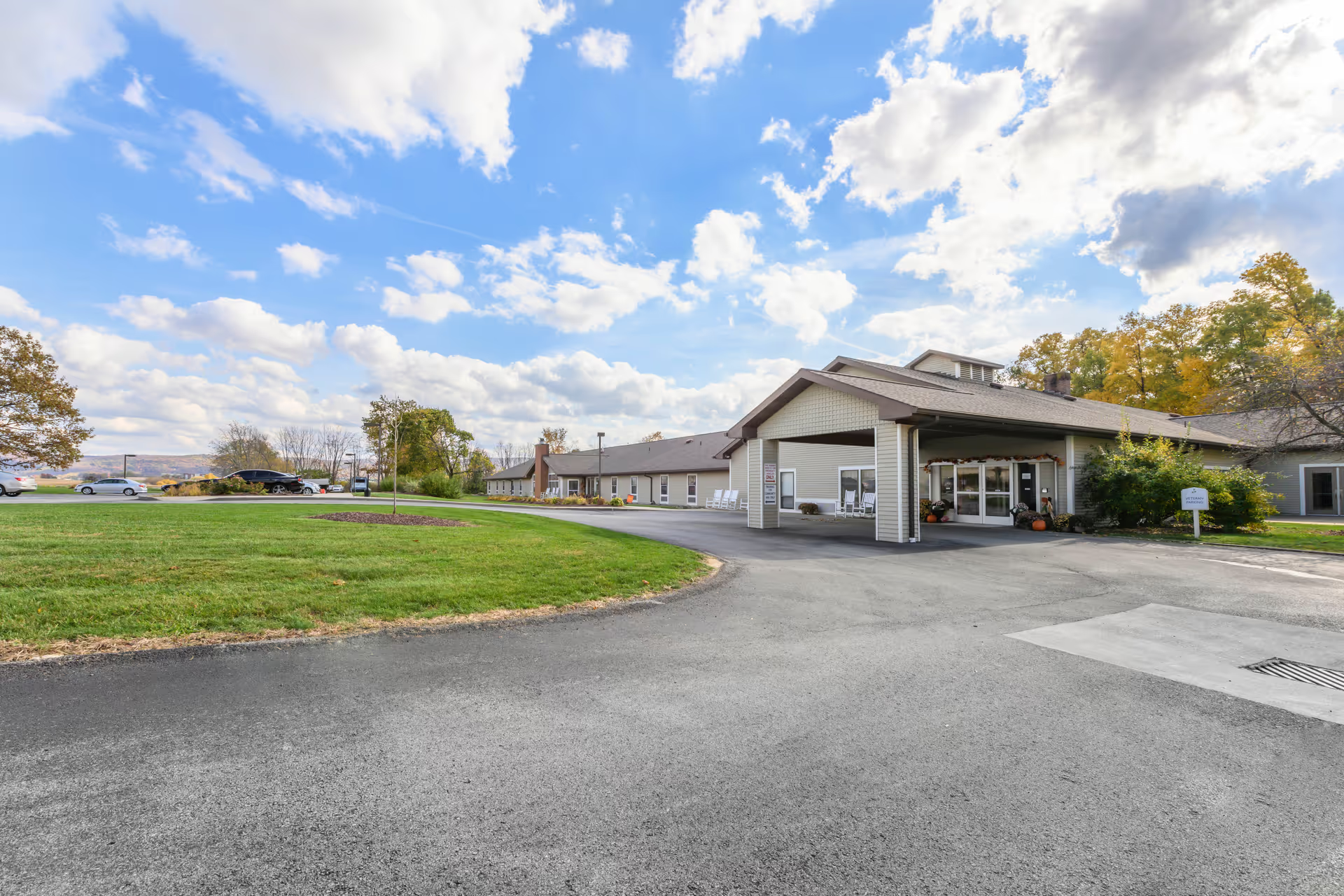
Oak Hill Rehabilitation and Healthcare Center elicits highly mixed impressions. Many families and patients describe positive short-term rehab experiences: therapists are frequently credited with meaningful mobility gains, the therapy gym and equipment receive favorable mentions, and several reviewers highlight attentive nursing and aide care that supports discharge home. The facility also earns praise for an engaging social program, pleasant gardens, a welcoming admissions process, and an interior that many find clean and well kept.
At the same time, a set of recurring operational weaknesses appears across reviews. Staffing and responsiveness are inconsistent: reviewers describe both compassionate, hands-on staff and occasions of delayed response to resident needs. Related concerns include inconsistent bathing and incontinence-care practices, variable wound and post-operative care, and gaps in medication administration and documentation. Several accounts point to problematic care-coordination decisions, particularly around escalation and hospital transfers, which families view as contributing to adverse outcomes. A small number of reviews include more serious allegations about paperwork handling and personal-property or financial mishandling; these are notable given their potential regulatory implications.
Dining and activity offerings tend to be a relative strength. Many reviewers find the meals presented attractively and praise dietary responsiveness to preferences; activity programming, community meals and special events are commonly described as contributing to a positive social atmosphere. Nevertheless, food quality is described inconsistently across different stay experiences.
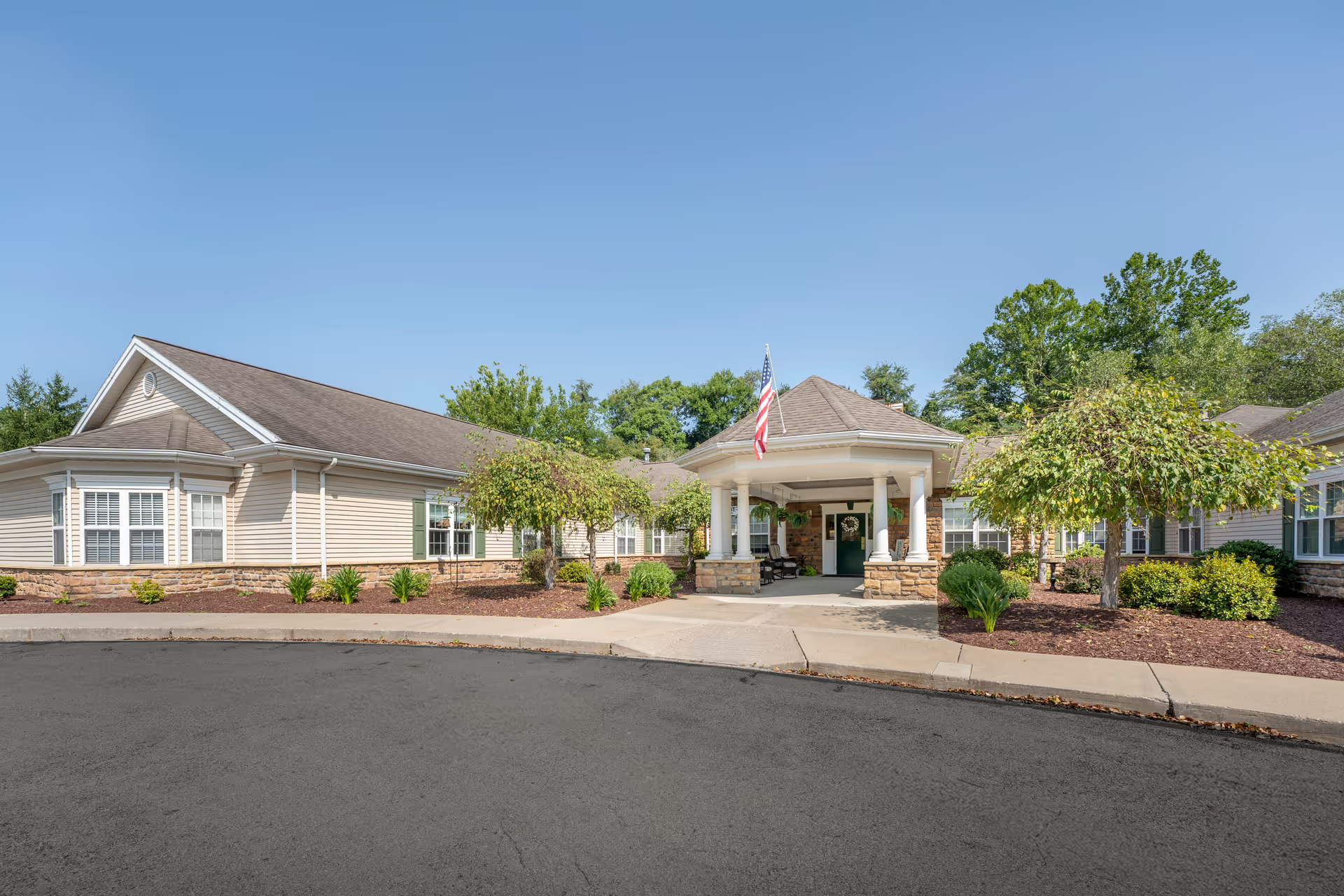
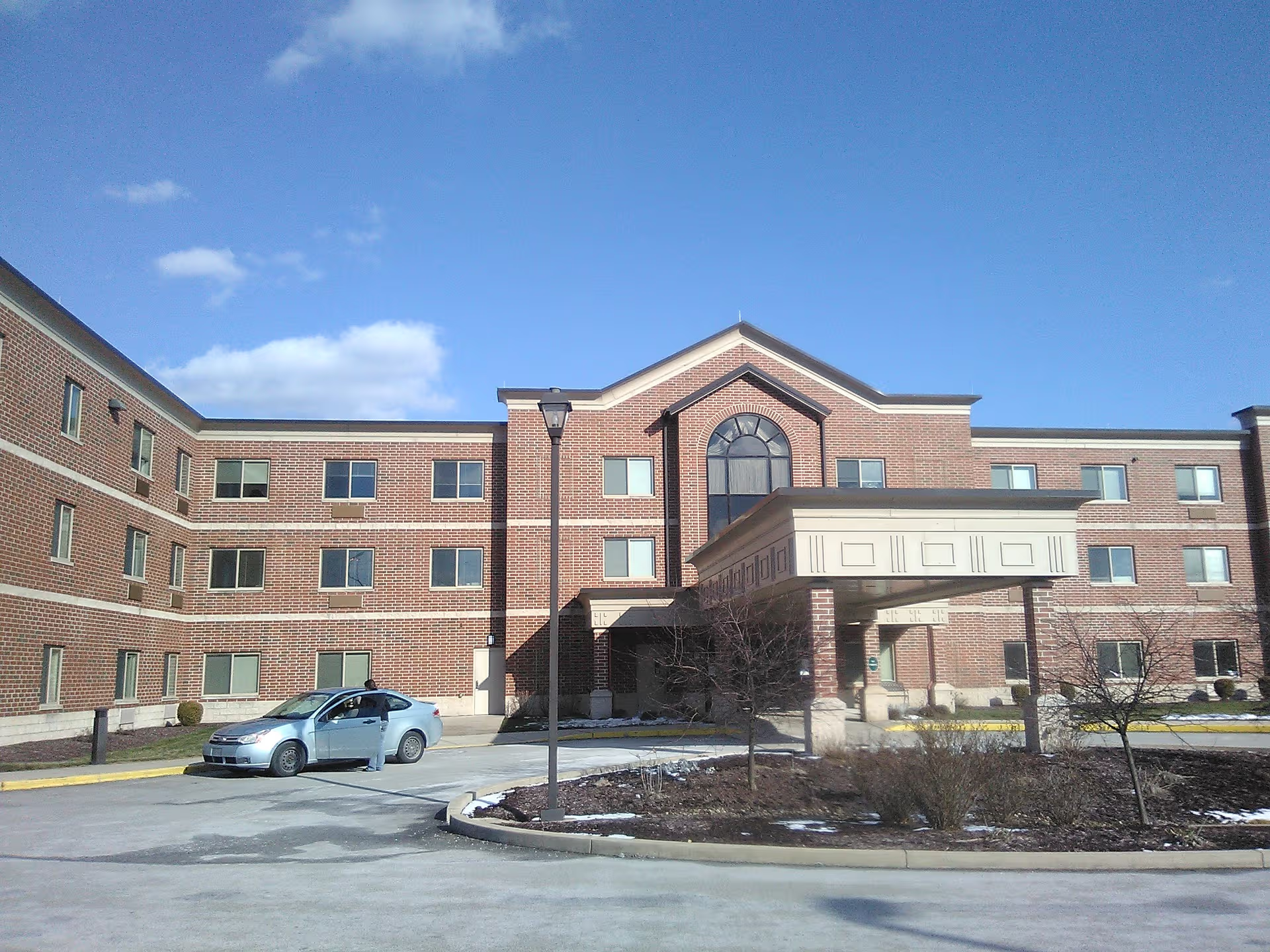
The physical plant is mixed. Positive comments emphasize neat rooms, a pleasant dining area, and well-maintained outdoor spaces. Conversely, other reviews cite odor-control and climate-control issues (including reliance on window air units), rooms that are small for wheelchair or walker navigation, and limited maintenance responsiveness after hours. These environmental factors interact with staffing variability to shape day-to-day resident comfort.
Management and communication receive both commendation and criticism. Some reviewers praise accessible leadership and administrators who address concerns; others report communication breakdowns, mishandled paperwork or billing, and insufficient follow-up after adverse events. Taken together, the pattern is one of variability: the facility can deliver strong rehabilitation outcomes and warm resident engagement, especially when staffing and leadership are functioning well, but there are documented operational gaps that increase risk for more medically complex or long-term residents.
For prospective residents and families: consider an in-person visit during several times of day, ask about current staffing ratios and wound-care protocols, clarify medication consent and documentation processes, verify personal-property and billing safeguards, and review recent state inspection or complaint history. Those seeking short-term rehab often report good outcomes; families placing higher-acuity or long-term residents should confirm how the facility handles clinical escalation, continuity of care, and after-hours maintenance/support. Overall, Oak Hill shows clear strengths in therapy and community life but also exhibits variability in clinical consistency and operational controls that merit careful assessment before placement.