Reviews of The Rehabilitation and Nursing Center at Greater Pittsburgh describe a facility with a clear clinical strength in rehabilitative services but notable variability in other operational areas. Therapy services—both physical and occupational—are repeatedly praised for their knowledge, diligence, and successful outcomes; many families credit the therapy teams with restoring mobility and enabling discharge home. Nursing aides also receive frequent positive mention for compassionate, hands-on care. At the same time, reviewers describe inconsistencies in overall clinical quality, with some families citing timely, attentive nursing and others noting delayed medication administration and gaps in basic responsiveness.
Staffing and shift-level variability emerge as a recurring operational pattern. Several accounts highlight strong daytime staff and therapy teams, while afternoon and night coverage is described as less consistent. This shift-to-shift variability is tied to slower call-bell responses, delays in assistance for residents, and perceived shortages of aides on busier shifts. Leadership and administrative communication also draw mixed comments: some families note proactive problem resolution and accessible communication, whereas others describe confusing discharge practices, POA conflicts, and a perceived emphasis on financial or throughput considerations that affect length-of-stay decisions.
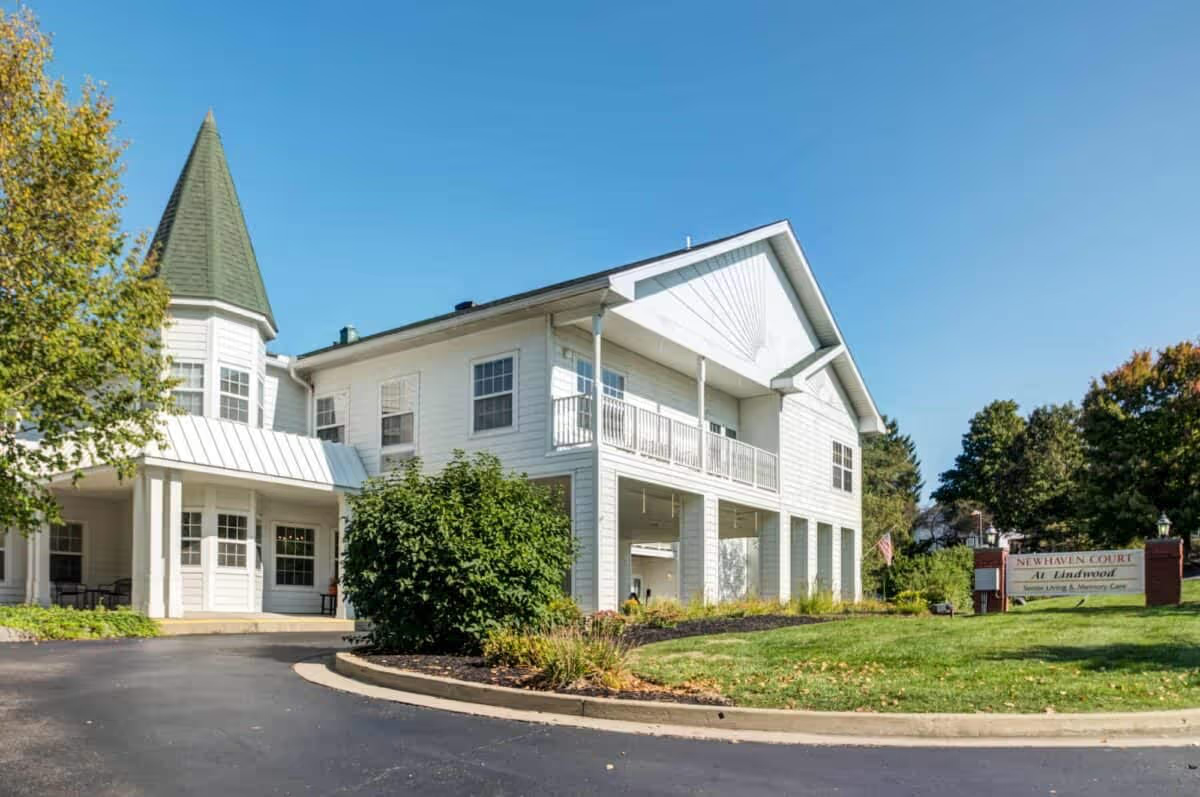
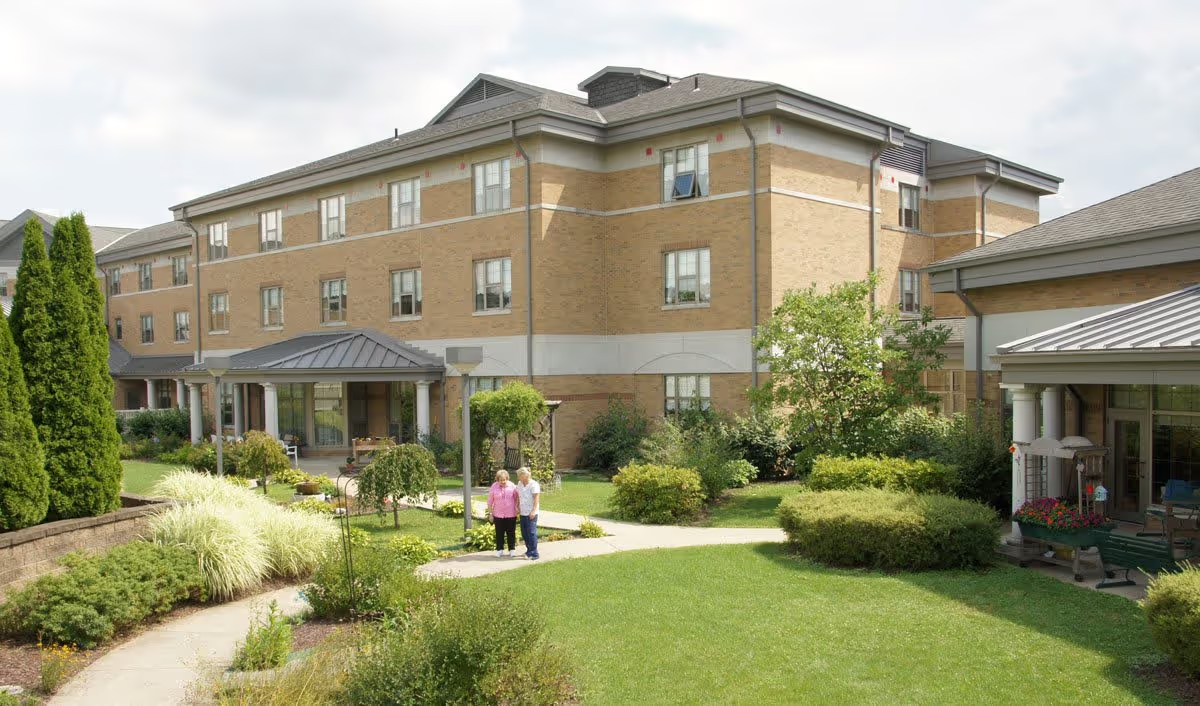
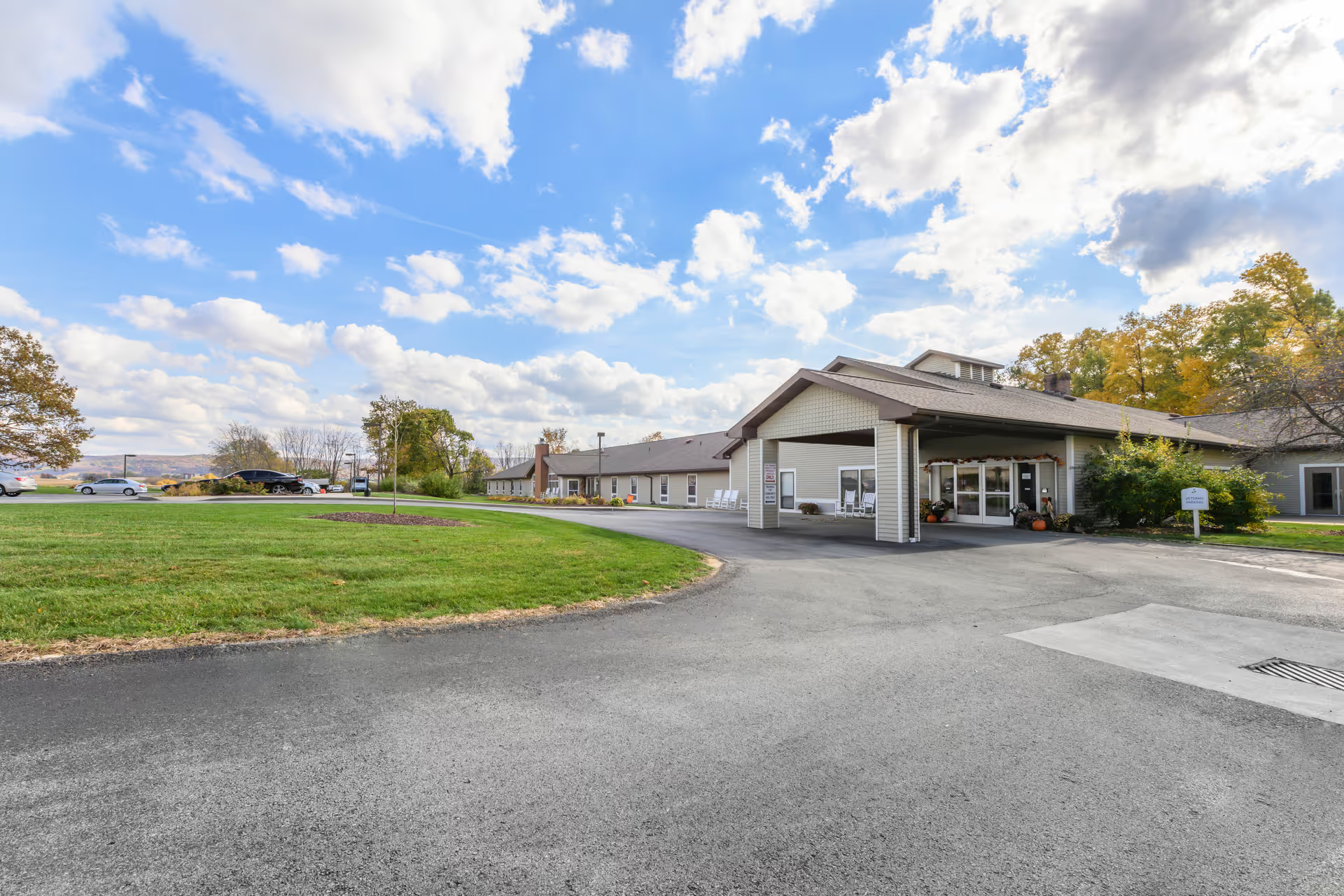
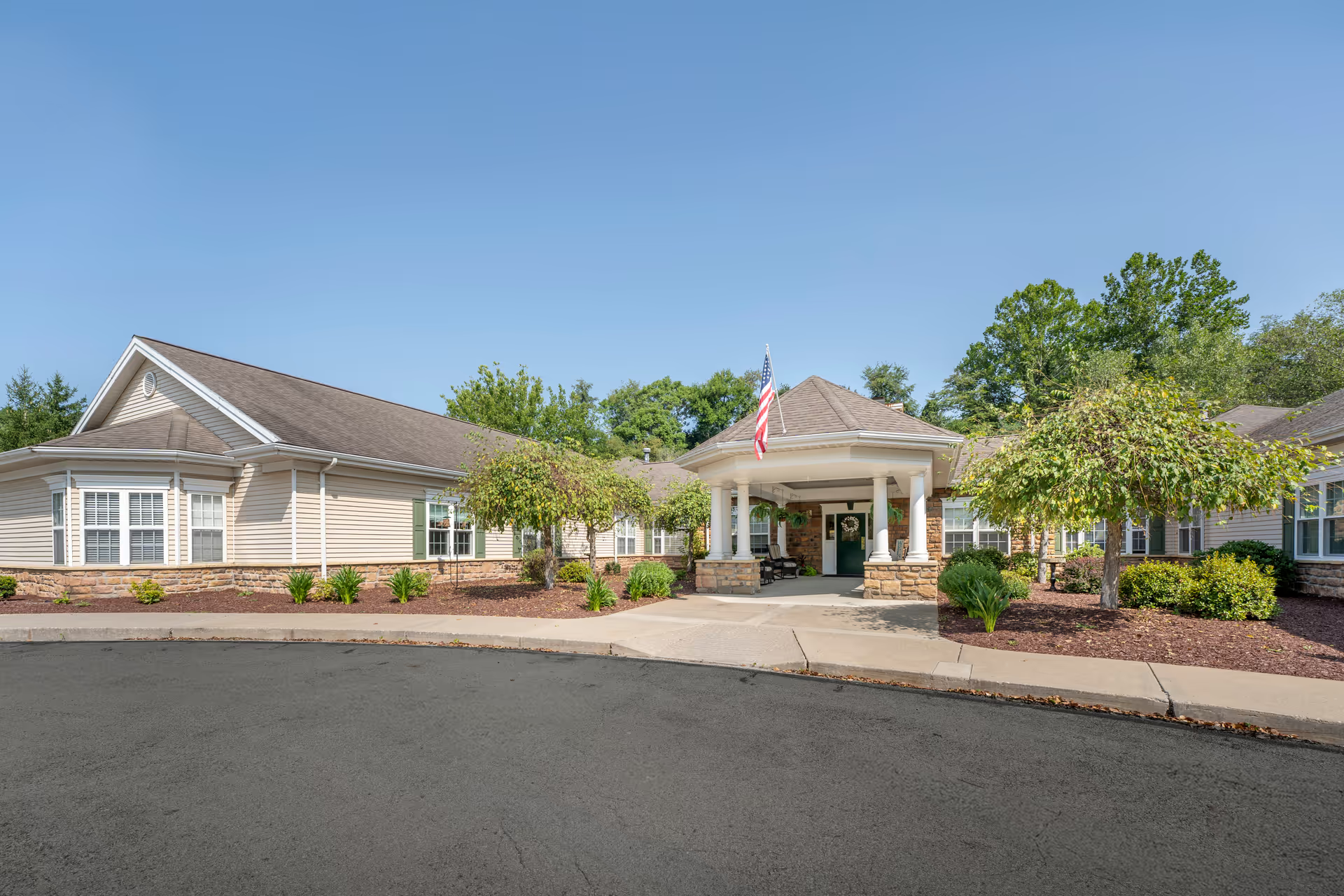
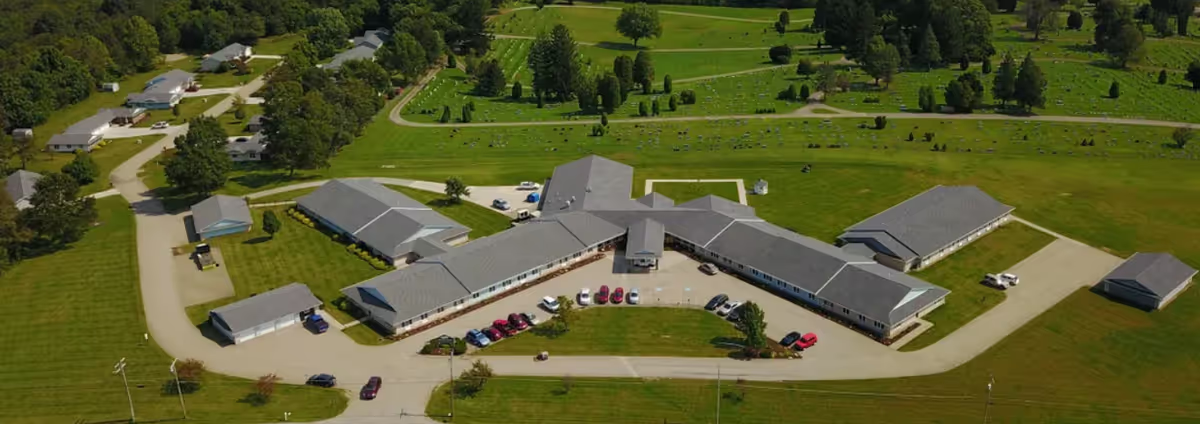
Dining, activities, and the social environment are other areas with mixed impressions. Many reviewers praise hot, chef-driven meal options and report enjoyable menu items; others experienced cold meals, inconsistent utensils, or variability in meal service. The facility's activity offerings are a consistent positive: multiple living rooms, outdoor spaces, bingo, prayer services, and pet/animal therapy (including therapy dogs and other animal visits) contribute to a socially engaging environment for residents. Grounds and exterior spaces are frequently described as attractive and family-friendly, supporting outdoor visits and exercise.
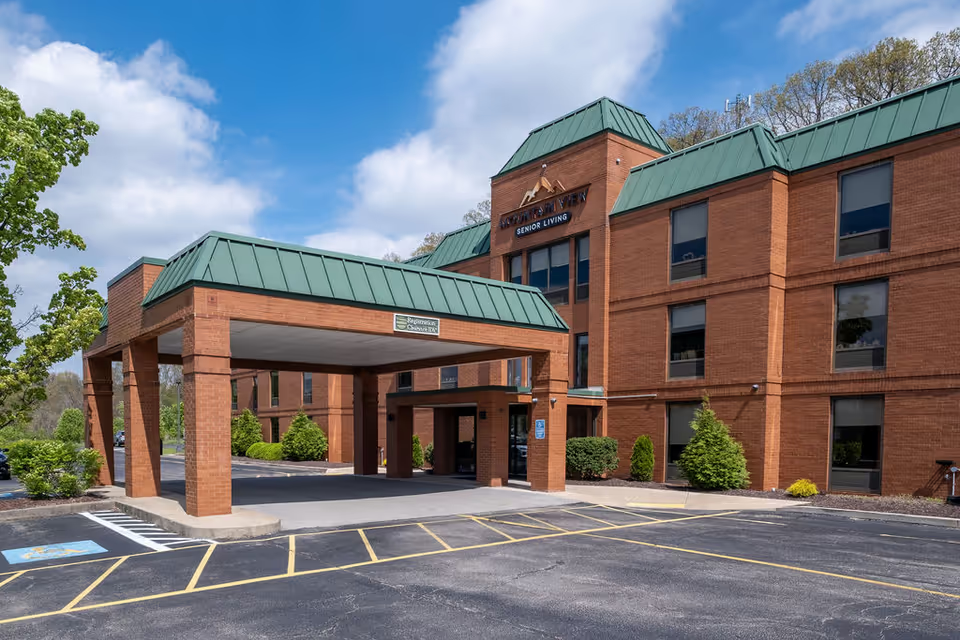
Facility condition and sanitation present a split picture. Several reviewers describe clean rooms, successful renovations, and well-maintained grounds; others note dated interior areas, uneven renovation progress, and specific sanitation or pest-control concerns in parts of the building. Safety-monitoring concerns are also cited in a few accounts—for example, alarm response and transfer-safety practices—which families should consider when evaluating fall-risk and supervision for higher-acuity residents.
Infection-control is an explicit area of concern in some accounts, including practices around isolation and PPE use during infectious events. Prospective residents and families should ask directly about current infection-prevention protocols, staffing ratios by shift, medication-administration safeguards, and discharge-planning processes. Overall, the center appears to deliver high-quality rehabilitation and benefits from many dedicated frontline caregivers, but operational inconsistencies—particularly around staffing, communication, infection-control, and selected maintenance areas—warrant careful, targeted inquiry during tours and conversations with leadership.