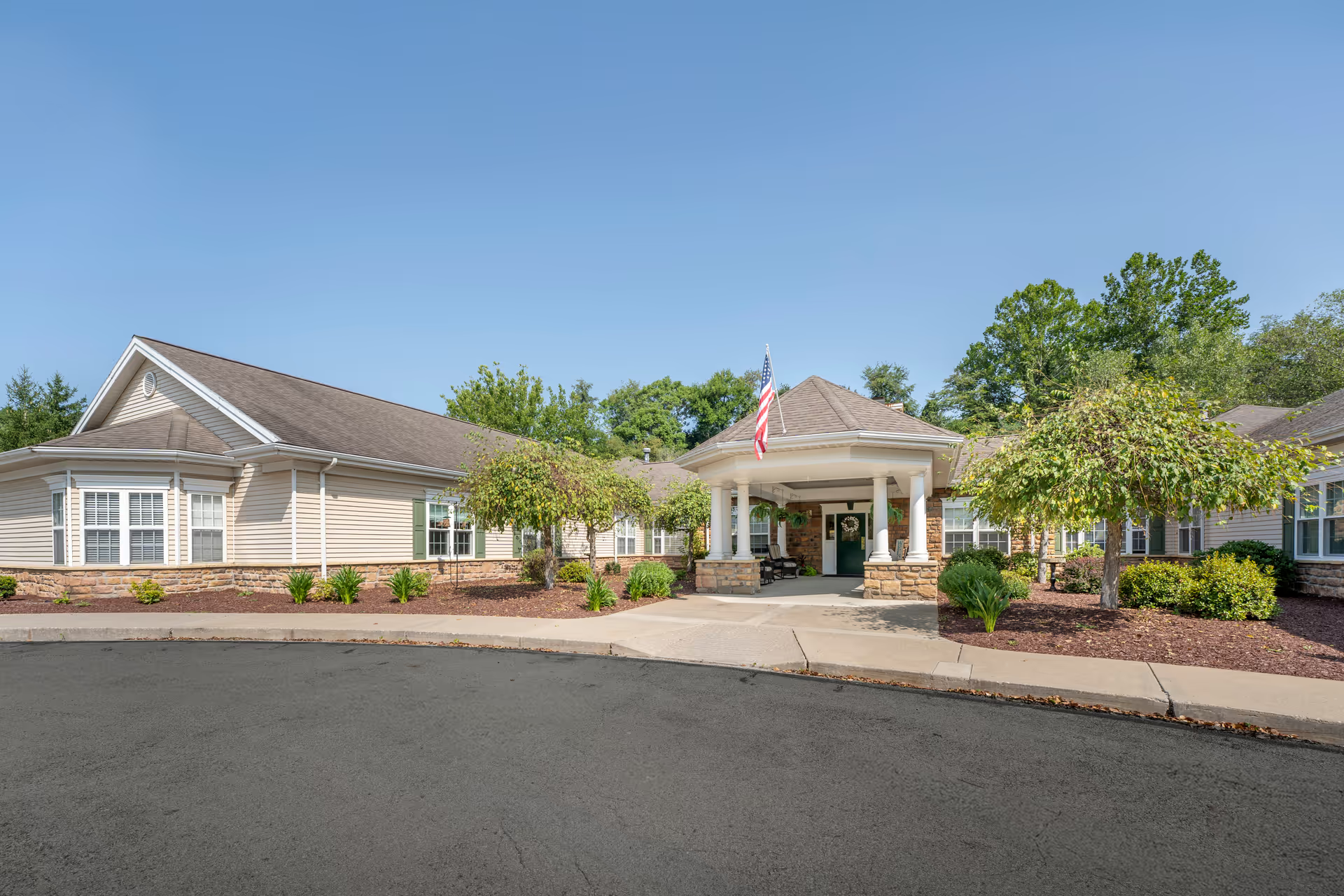
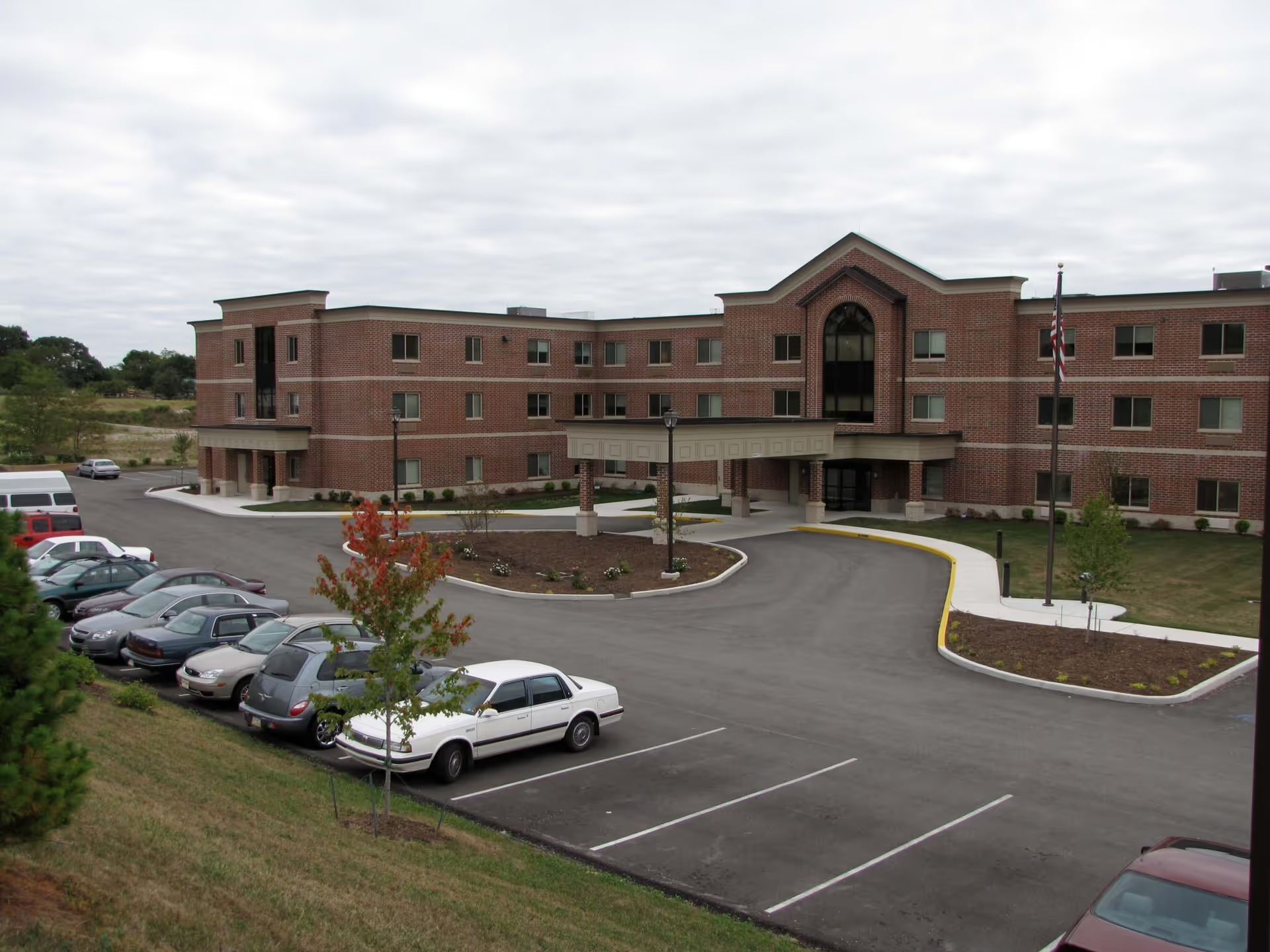
Reviews of St. Anne Home present a mixed but informative picture for prospective residents and families. Many reviewers emphasize the facility’s strengths: a consistently compassionate and attentive caregiving team, competent nursing and clinical staff, and a generally clean, bright, and well‑maintained campus with pleasant grounds and updated rooms. Short‑term rehabilitation and hospice teams receive positive mentions, and several families describe measurable clinical improvement. The admissions and front‑desk experience is frequently described as welcoming and increasingly streamlined, and the facility’s faith‑based offerings (daily Mass) are appreciated by religious families.
Care quality and staffing show a clear pattern of strengths and limitations. Praise centers on individualized, respectful interactions and good family communication; staff are often described as kind, professional, and responsive. At the same time, multiple accounts point to intermittent staffing shortages that can delay routine care or result in heavier reliance on available caregivers. Reviewers raise operational concerns about medication management and pain control practices, and there are recurring references to inconsistent follow‑up for wounds and catheter care. These clinical gaps are sometimes linked to emergency transfers or hospital visits, which suggests the facility may have room to strengthen clinical‑incident response protocols and on‑site medical oversight.
Dining, activities, and daily life are generally seen positively but unevenly implemented. Many families praise nutritious, appealing meals and small touches like beverage choices and piano music in the halls. However, there are also notes about inconsistent feeding assistance, limited options for special diets, and a lack of a visible standardized menu. Activity programming ranges from robust (bingo, art, music therapy, exercise classes) to minimal for some residents, with a few descriptions of daily Mass being the primary scheduled activity. This indicates activity access and variety can differ by unit or resident eligibility.
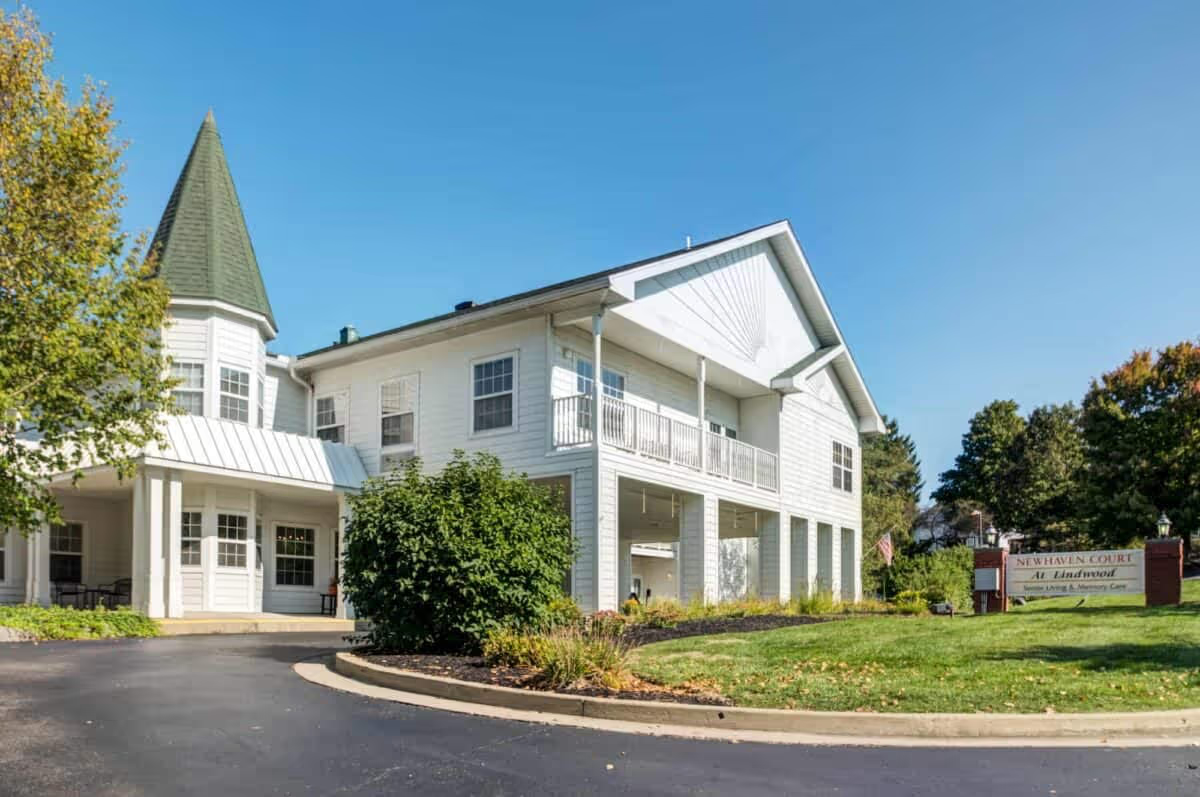
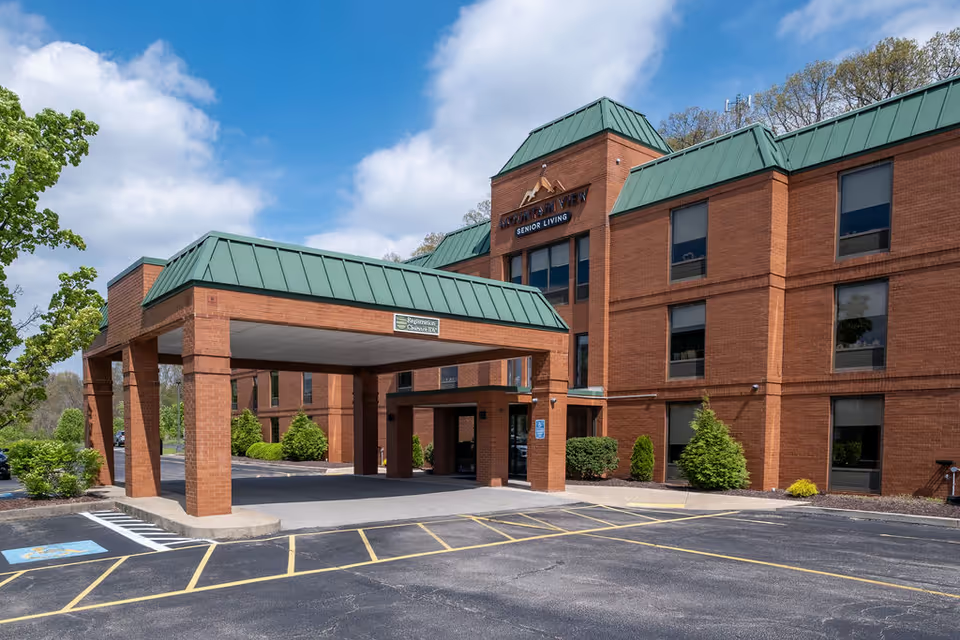
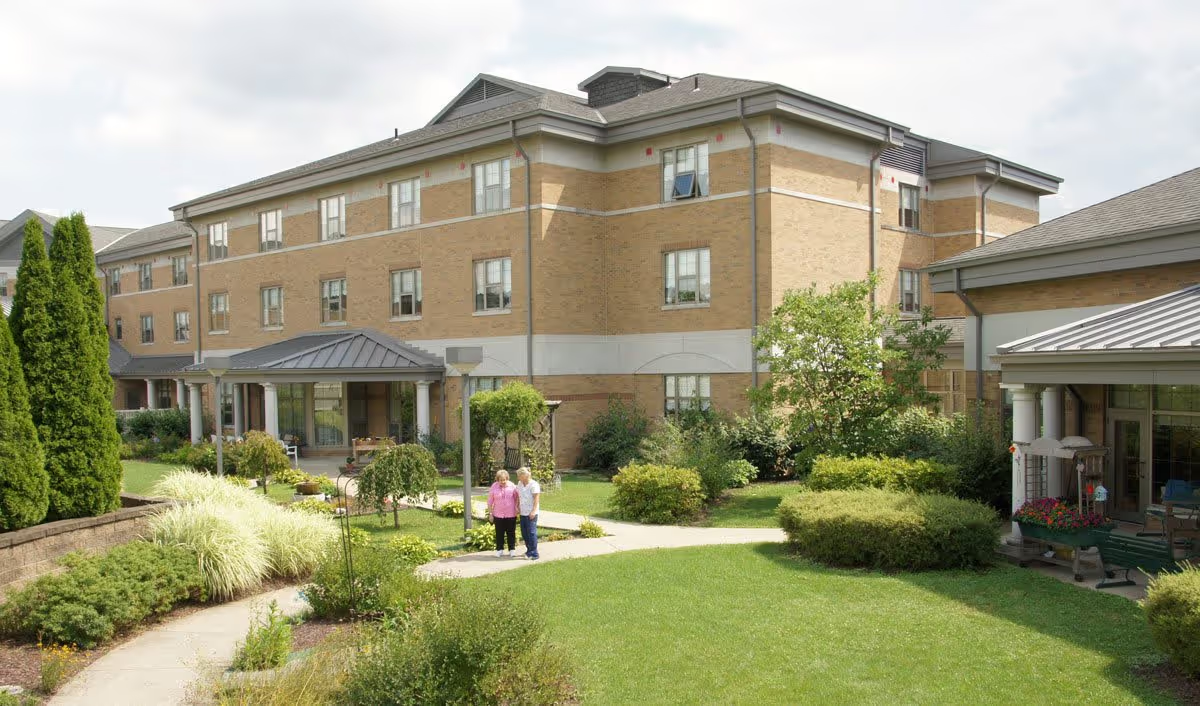
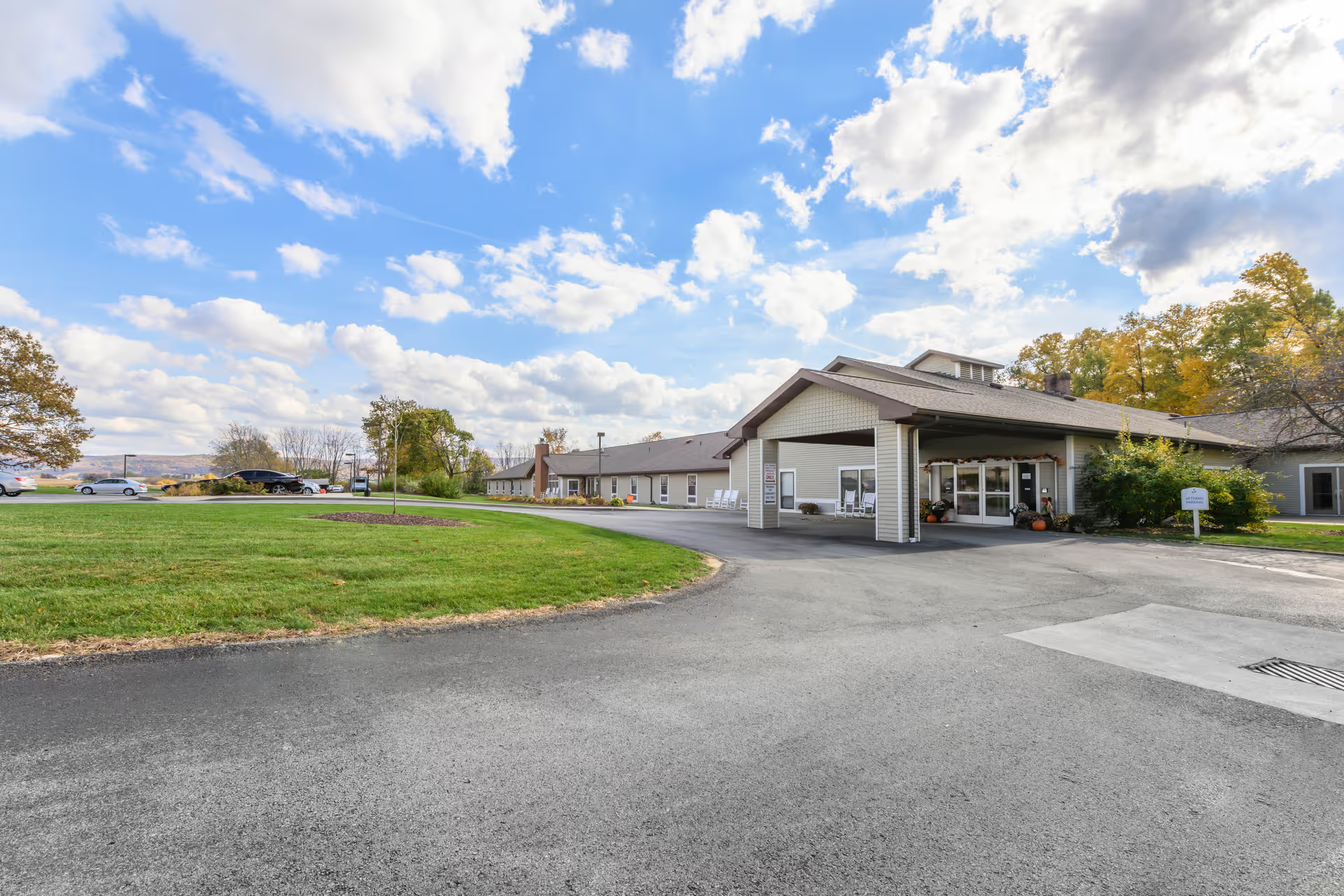
Facilities and operations are frequently cited as strong points: remodeled wings, clean rooms, courtyards, walking paths, and secure entry/exit procedures create a comfortable environment. At the same time, reviewers point to small room sizes, limited availability of private rooms, occasional elevator/access concerns, and episodic sanitation inconsistencies in some rooms. Management and administrative patterns are similarly mixed. Many families commend clear communication, responsiveness, and a caring culture; others raise concerns about placement transparency, billing practices, and administrative professionalism. There are also isolated allegations involving staff conduct and family disputes, which prospective families may want to inquire about directly.
Overall, St. Anne Home appears to deliver generally compassionate, faith‑based care in a clean, well‑maintained setting, with notable strengths in rehabilitation and family communication. The principal areas for due diligence are operational: confirm current staffing levels, ask for specifics about medication and pain‑management protocols, review wound and catheter‑care procedures, clarify physician coverage and emergency response practices, verify activity schedules and special‑diet accommodations, and confirm room availability and costs including Medicaid timelines. A focused tour that checks these points and conversations with care managers should help families assess fit and current operational performance.