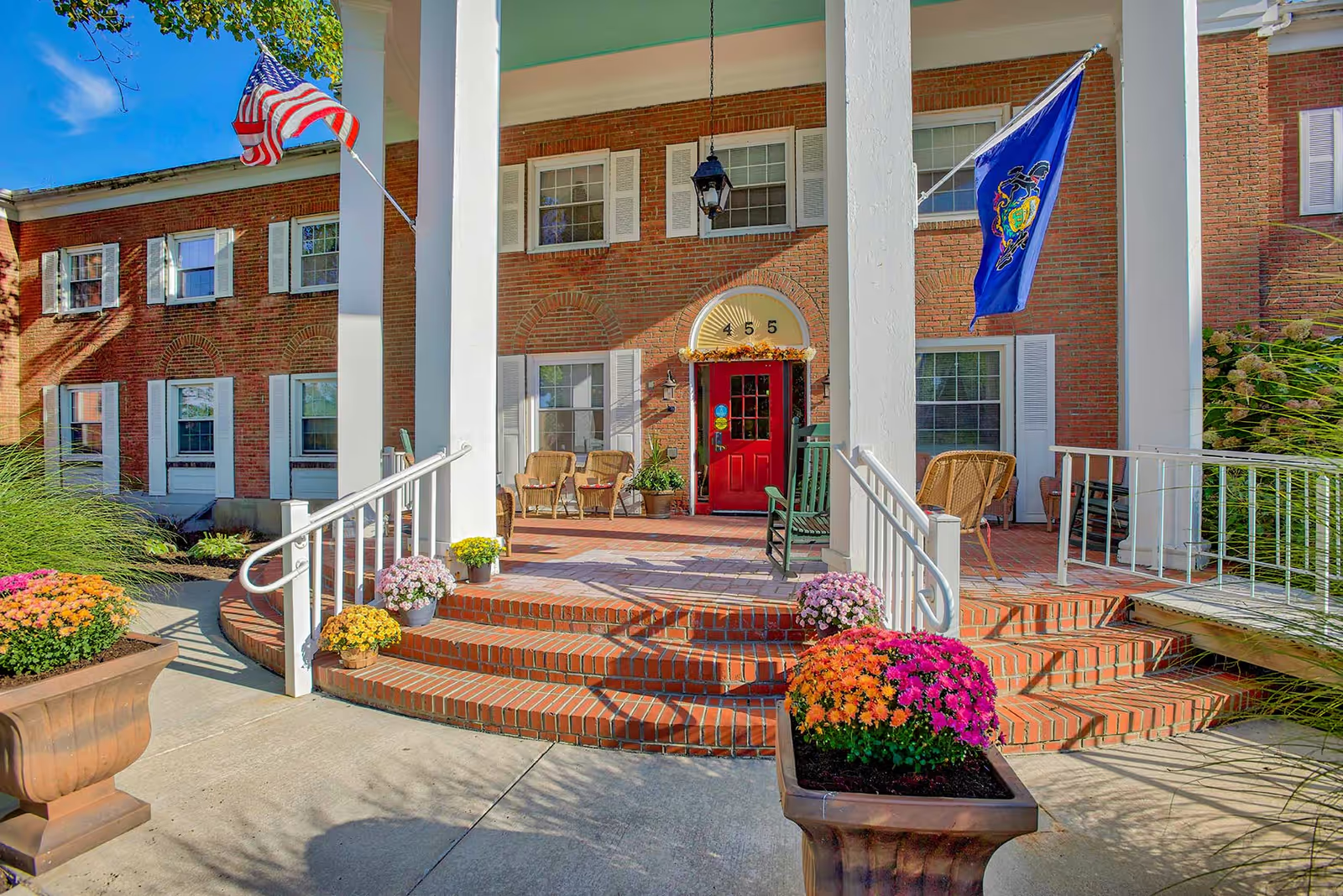
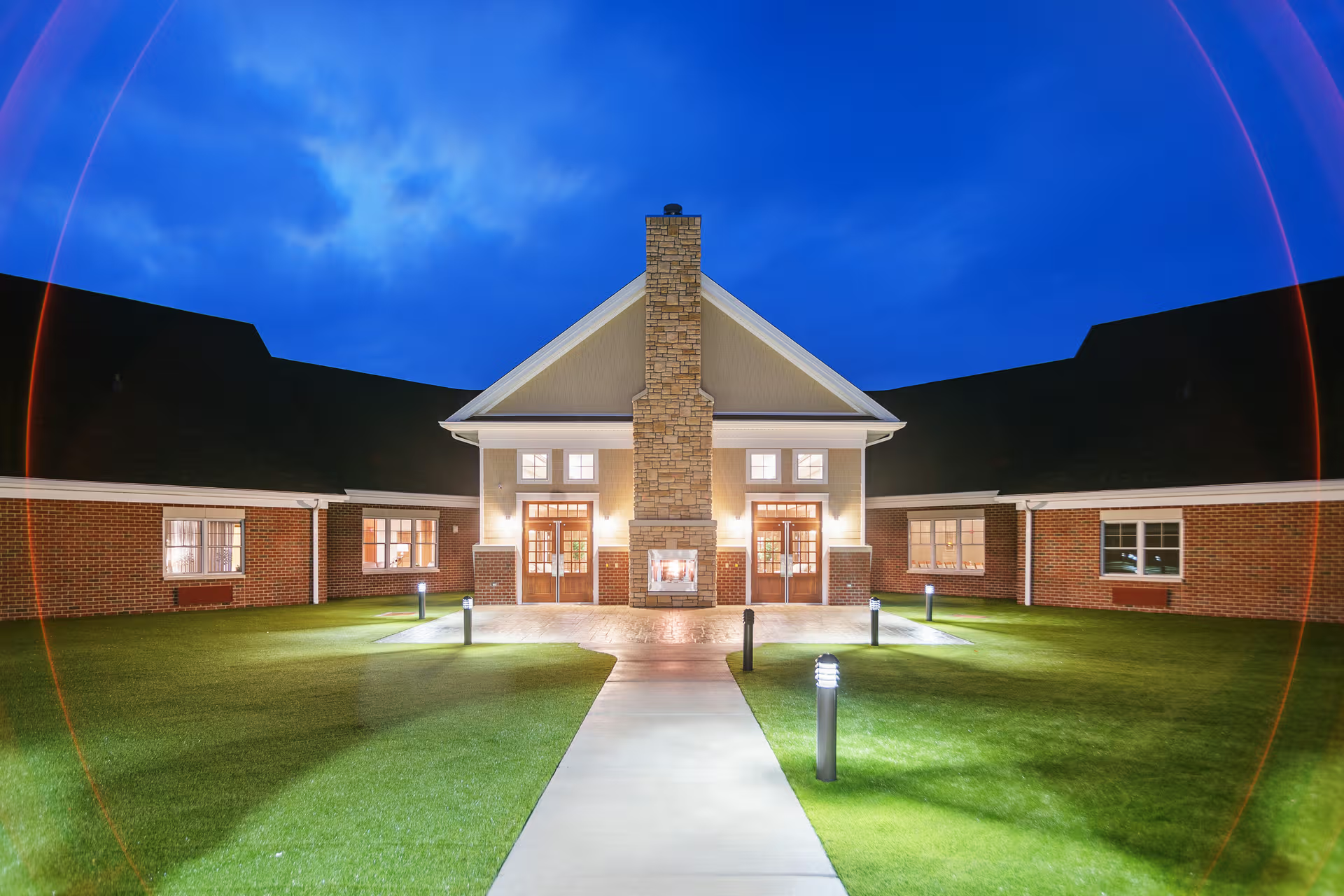
Feedback for this facility is highly mixed, with a clear pattern of polarized experiences. On one side, reviewers describe strong rehabilitation programs, effective physical and occupational therapy, skilled physicians, and dedicated aides and housekeeping staff that create a comfortable, homelike environment. Several reviewers praised successful therapy progress, attentive personal-care routines (including wound care), responsive maintenance, and pleasant common areas and design updates. These comments indicate that parts of the facility operate at a high standard for short-term rehab and some long-term residents.
Conversely, a substantial set of concerns centers on operational inconsistency and staffing. Multiple accounts point to variable staffing levels, an over-reliance on agency or overnight staff, and periods with little or no certified nursing assistant coverage. These staffing shortfalls are frequently linked to slow responses to nurse-call lights, delayed assistance for basic needs, and gaps in medication or medical-management practices. Families described inconsistent repositioning and incontinence-care protocols, which suggest a risk for pressure-related skin issues when staffing and supervision are inadequate.
Communication and administrative issues are another recurring theme. Several reviewers noted limited or inflexible visitation policies (including restrictions on overnight stays), difficulty reaching nursing staff by phone, and problems with family notification and coordination around significant events, including end-of-life care. Serious allegations surfaced concerning billing practices and handling of resident funds; those items merit direct inquiry and, where appropriate, documentation and investigation. There are also reports describing variable staff conduct and instances perceived as disrespectful or biased, which point to training and supervision gaps in professionalism and resident-family interaction.
Dining and facility conditions were described inconsistently. Some residents and families praised well-balanced menus and tasty meals, while others described poor food preparation and limited appeal of served items. Cleanliness and odor control were similarly mixed: several reviews complimented clean, odor-free areas and updated décor, while other comments raised sanitation concerns in specific rooms, bathrooms, or kitchens. Maintenance responsiveness was noted as a positive in some cases, but housekeeping and cleanliness standards appear uneven across units.
Notable patterns include the coexistence of high-performing clinical/therapy teams with systemic operational weaknesses—particularly around staffing stability, night coverage, communication, and administrative controls. For prospective residents and families, an on-site assessment that asks about current staffing ratios, night-shift coverage, call-response metrics, infection-control and repositioning protocols, visitation rules, and billing procedures will help clarify whether the unit they tour reflects the stronger or weaker experiences described in reviews. Additionally, families may wish to request documentation of therapy outcomes, staff turnover rates, and the facility’s process for addressing serious complaints or allegations.