Overall impression: Reviews convey a consistently positive experience with Armstrong Memory Care Assisted Living, with recurrent praise for interpersonal care, cleanliness, and the physical environment. Families emphasize compassionate interactions, attentive nursing and caregiving, and administrative responsiveness—particularly during heightened infection-control periods—contributing to an overall sense of safety and individualized attention.
Care and staff: Care quality and staff conduct are the most frequently highlighted strengths. Reviewers describe staff and leadership as warm, caring, and engaged; examples include administrators who de-escalated family concerns, directors who demonstrated personal involvement, and nurses who provided reliable clinical attention. Communication is portrayed as prompt and proactive: calls are answered quickly, and the facility adapted family contact methods during restricted-visitation periods (FaceTime and window visits). Reviewers also noted accommodations for end-of-life presence, indicating flexibility around family access when clinically appropriate.
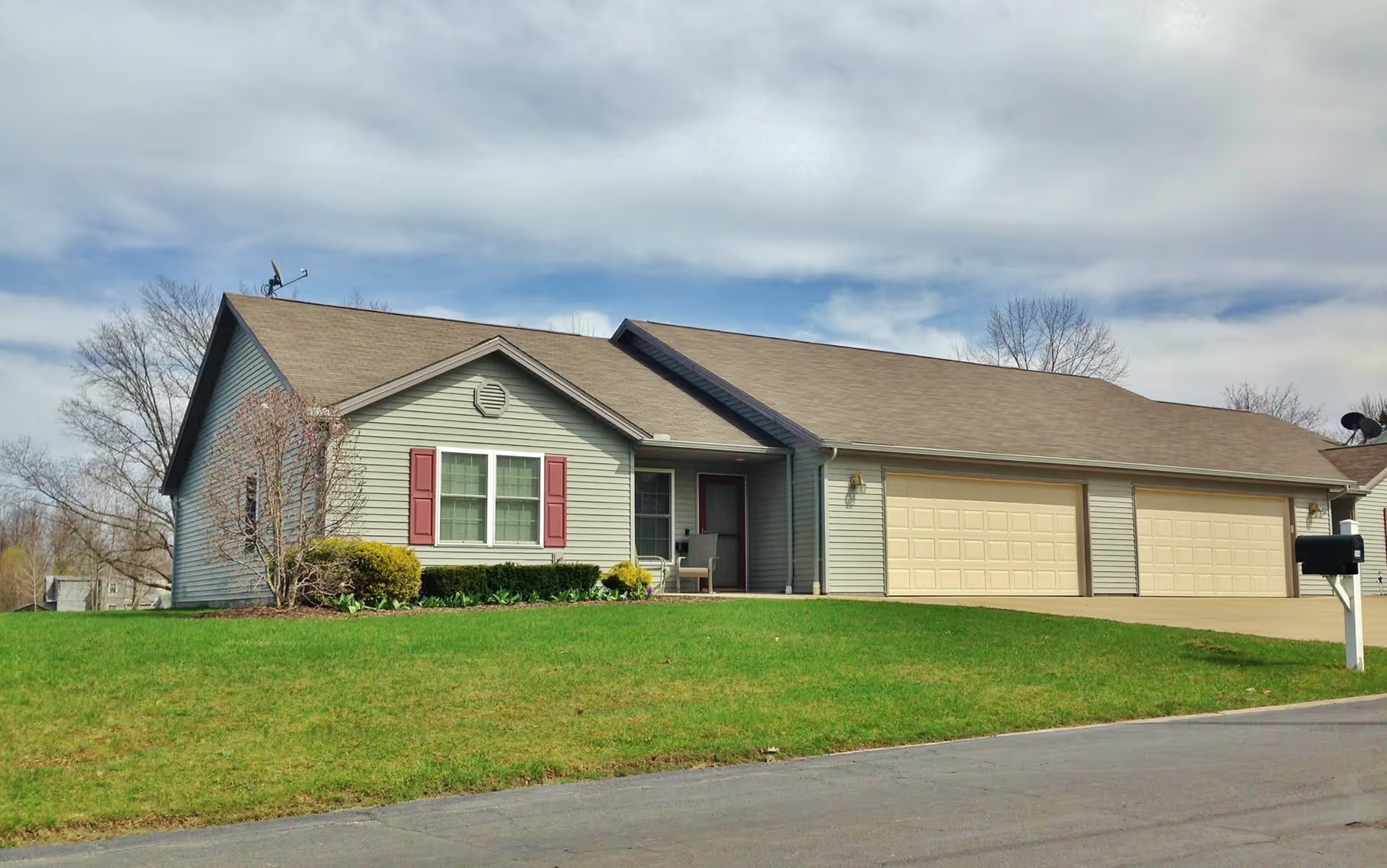
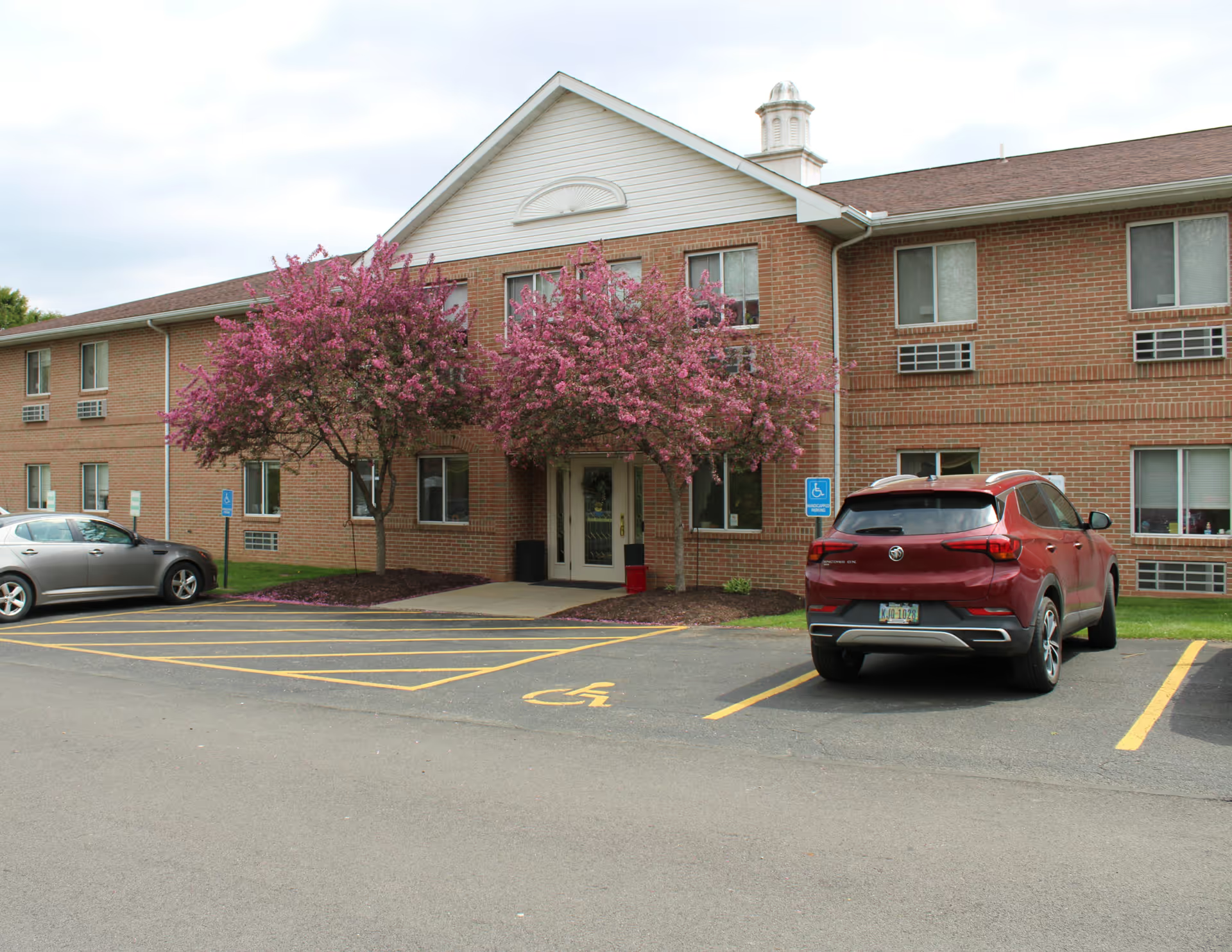
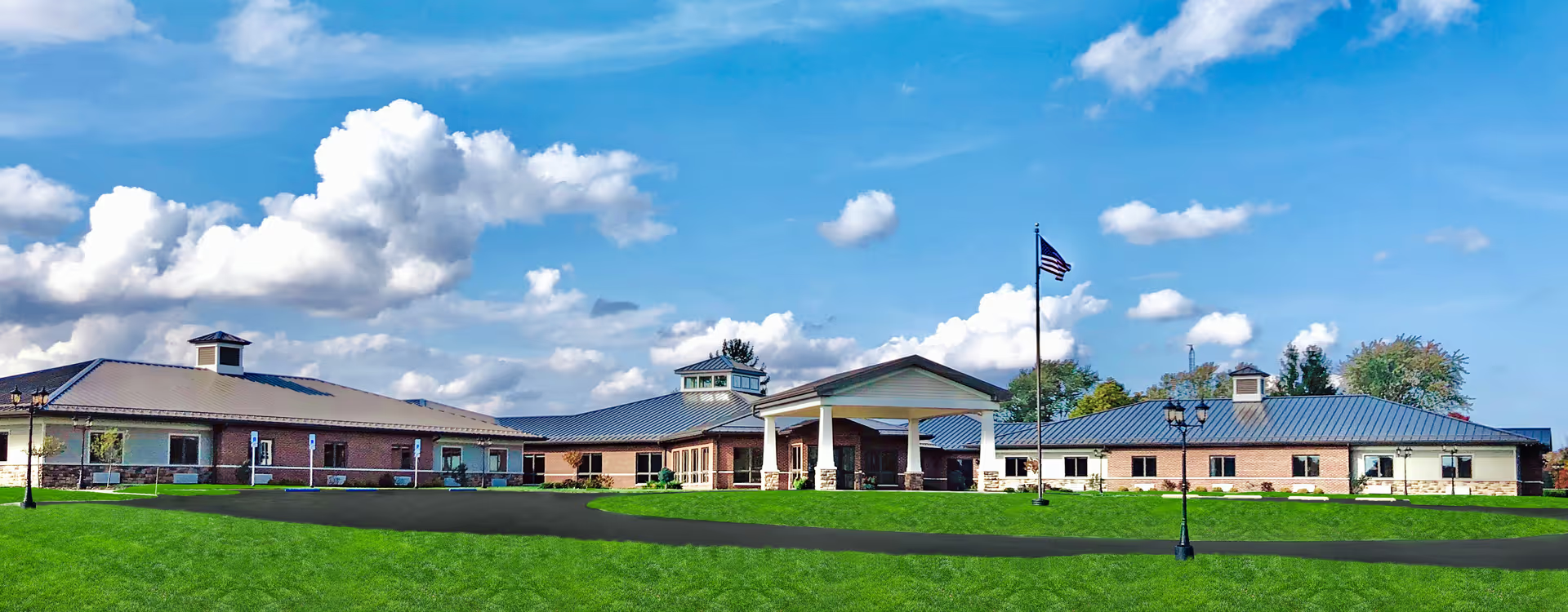
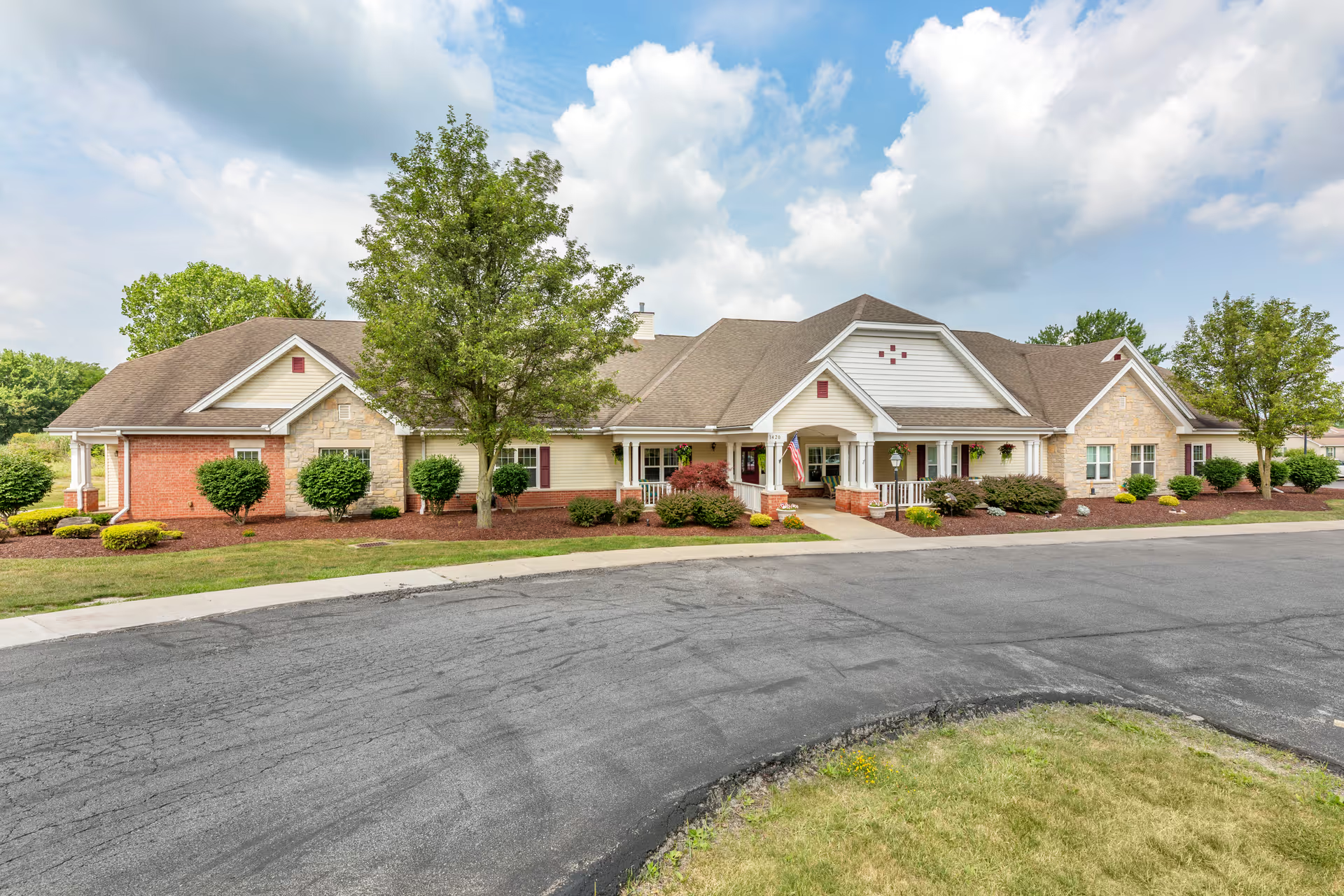
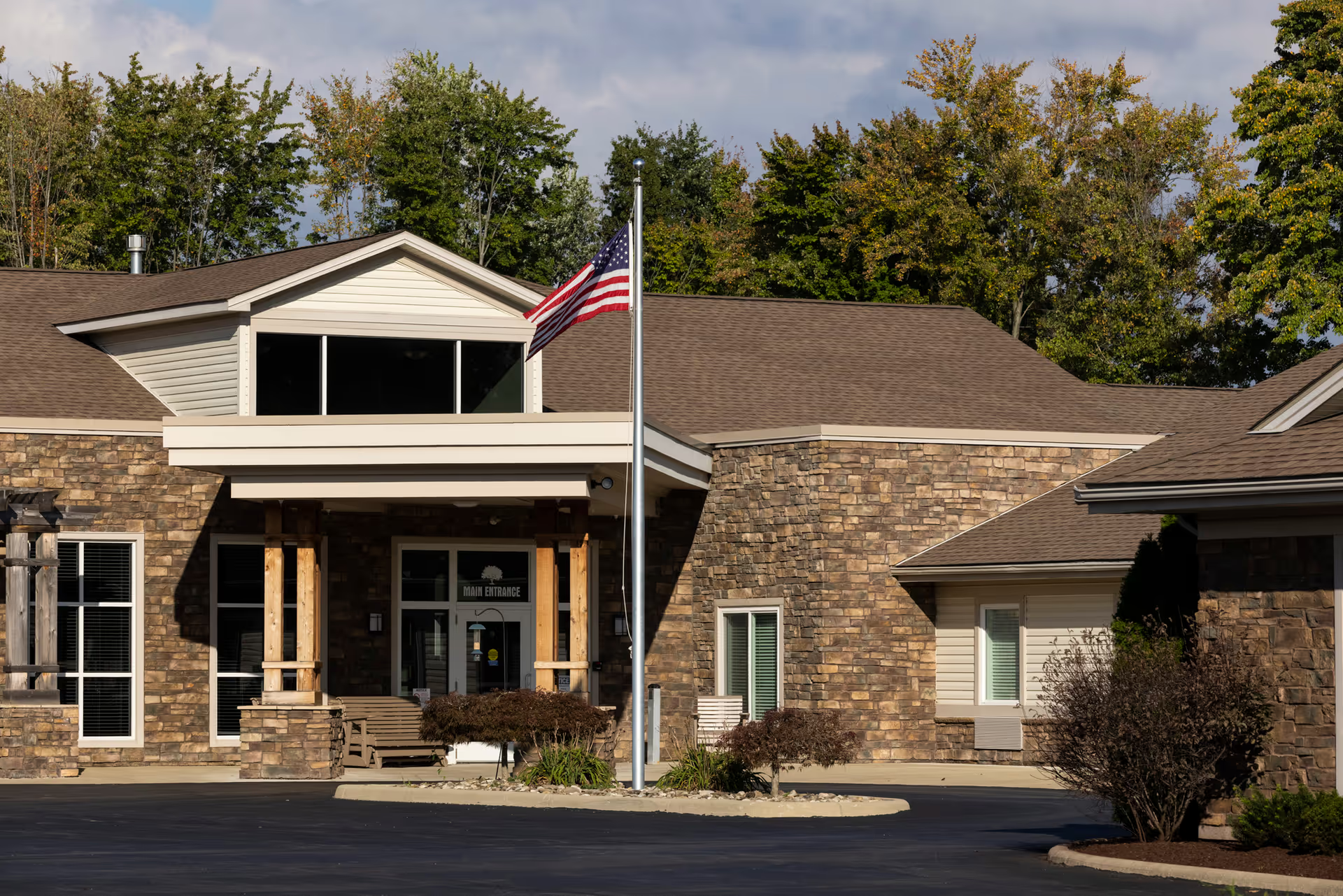
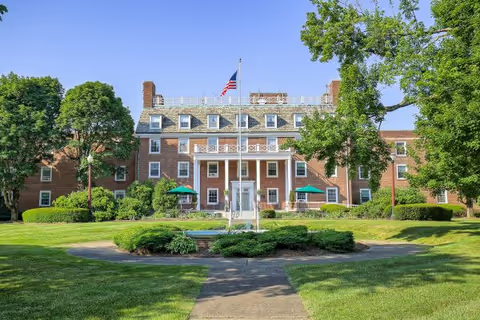
Facilities and living environment: The physical environment receives favorable comments. Rooms are described as spacious with the option to bring personal furniture and decorate, supporting a home-like atmosphere. The building and grounds are reported to be very clean and well maintained, with a pleasant courtyard that offers outdoor space for residents. Several reviews characterize the community as a ‘‘second family’’ or ‘‘home away from home,’’ reflecting both the physical setting and the social climate.
Activities and programming: Reviewers note a robust activity schedule and frequent programming, which contributes to resident engagement in a memory-care setting. While specific therapies and schedules are not enumerated in detail in the reviews provided, the general tenor is that activities are plentiful and contribute to resident quality of life.
Dining, clinical protocols, and operational visibility: The reviews supplied little specific information about dining quality, menu variety, or special-diet accommodations. Similarly, reviewers do not provide detailed accounts of staffing continuity, staff-to-resident ratios, or medication-management practices. These gaps suggest areas prospective families should verify directly with the facility: mealtime observation, dietary accommodations, staffing patterns, medication administration protocols, and documentation practices.
Management and notable patterns: Management involvement and prompt communication emerge as consistent positives; families describe leadership that is accessible and responsive. The facility appears to have effective infection-control adaptations and family-communication practices during restricted visitation periods. As with many memory-care communities, the dominant themes are relational and environmental: warm, engaged staff; clean, personalized living spaces; and active programming. Prospective residents and families would benefit from a tour focused on mealtime, staffing during different shifts, medication procedures, and examples of activity programming to confirm these strengths in person.