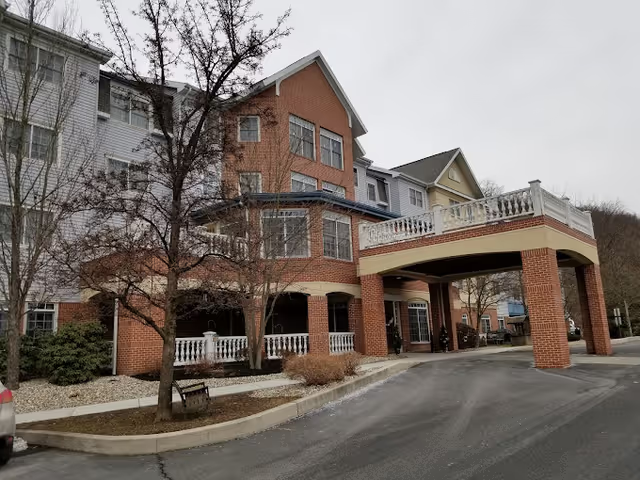
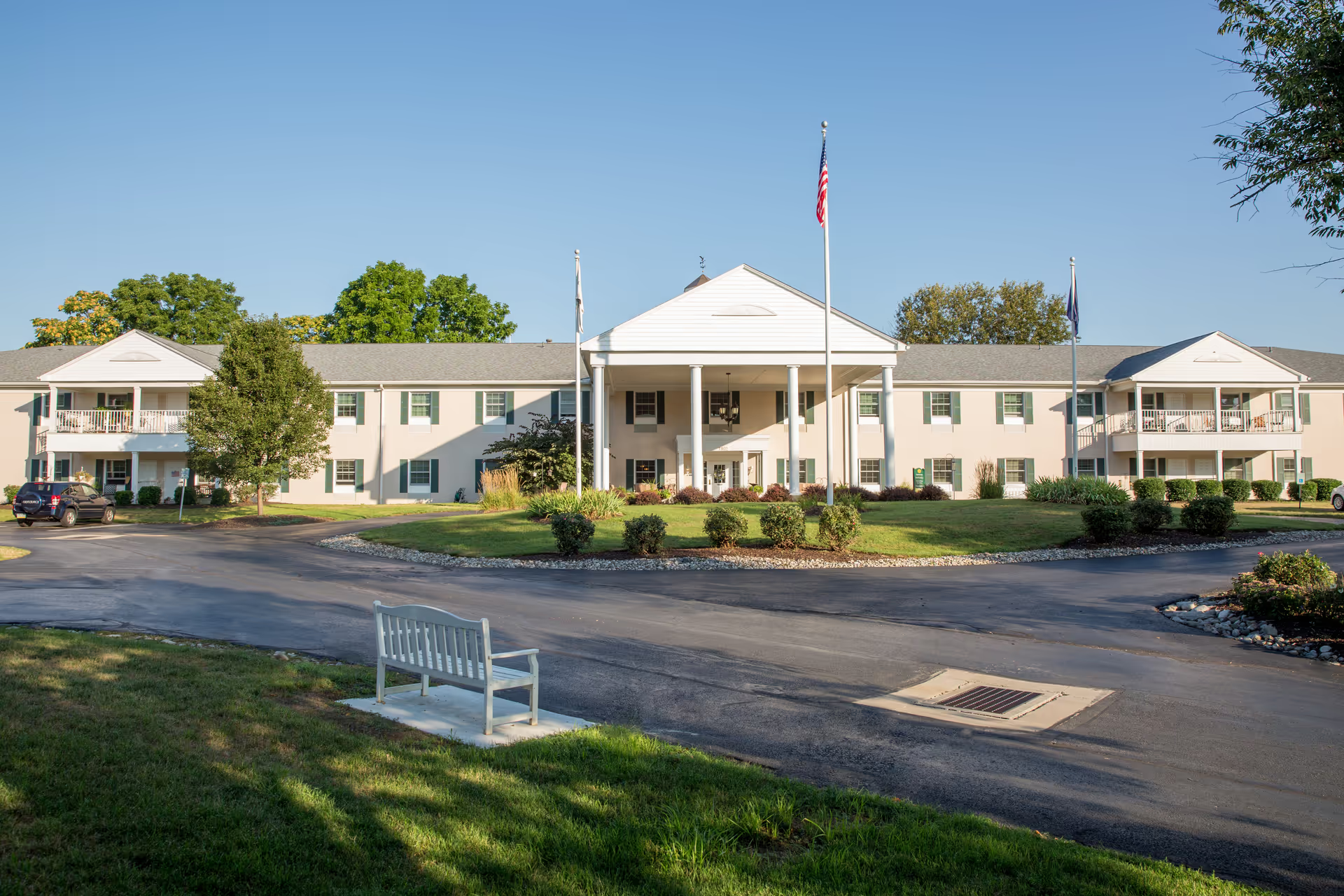
Laurel Center presents a mixed but identifiable pattern of strengths and operational weaknesses. Many reviewers praise the facility’s clinical teams—nurses, CNAs and rehabilitation therapists are frequently described as compassionate, professional, and effective, with particular strength noted in short-term rehab and the therapy department. Administrative and business-office staff receive regular commendation for responsiveness, and the center’s admissions kiosk and check-in process are cited as efficient. The setting and physical plant are also positive factors for many families: renovated rooms, clean interiors, and attractive grounds with farm and mountain views contribute to a calm, homelike atmosphere.
Care quality is generally characterized by attentive, patient-centered caregiving and strong teamwork on many units. Several accounts highlight round-the-clock attention, skilled respiratory and therapy support on the floor, and staff who communicate with families about progress. At the same time, there is a recurrent pattern of variability: staffing levels fluctuate, and when staffing is insufficient families report longer response times and missed or delayed tasks. Reports describe variability in the performance of direct-care aides, which suggests uneven consistency in front-line caregiving despite many examples of exemplary staff members.
Dining is an area of clear inconsistency. Some families describe pleasant meals and special touches, while others cite cold or poorly prepared items, missing components, limited dietary choices, and puree preparations that do not meet expectations. Activity programming and communal spaces are generally viewed positively, though limited in-room TV access or requirements to use common areas for television were noted as constraints for some residents.
Operational and communication issues are a notable theme. Multiple accounts point to problems with admissions paperwork, fax and medical-record transfers, and interdepartmental handoffs that can delay care or discharge. Clinical communication gaps include inconsistent scheduling of personal-care tasks (such as showers and wound dressing changes) and occasional delays in addressing clinical needs. Family-facing communications have strengths—several staff and business-office individuals are singled out for good updates—but weaknesses exist in telephone systems (poor call quality) and in the facility’s internal coordination.
Facility maintenance and sanitation produce mixed impressions. Housekeeping, laundry, and many public areas are routinely praised for cleanliness, and routine pest-control services are in place. However, isolated sanitation and pest-control concerns, along with reports of variable room maintenance and some outdated rooms, indicate uneven facility upkeep. There are also a small number of more serious allegations related to licensing or regulatory processes that prospective families may wish to clarify directly with the facility and state oversight agencies.
In summary, Laurel Center appears to offer strong clinical rehabilitation services, a caring core of nursing and therapy staff, responsive administrative personnel, and a pleasant physical environment for many residents. Offsetting these strengths are recurring operational issues—most notably inconsistent staffing, variable meal quality, gaps in clinical and administrative communication, and occasional sanitation/maintenance variability—that can affect the resident experience. Prospective residents and families should weigh the facility’s clinical and environmental positives against these operational patterns and consider specific questions about staffing levels, dietary accommodations, wound-care scheduling, and record-transfer procedures during tours and admissions discussions.