Holiday Manor at Oakridge presents as a largely well-appointed independent‑living community with several enduring strengths alongside operational inconsistencies that prospective residents and families should evaluate.
Staff and care: Many reviewers emphasize staff kindness, helpfulness, and strong front‑line management. Resident directors and on-site teams are frequently described as personable and proactive, with staff praised for going beyond routine duties. At the same time, reviewers document recurring staffing shortages and turnover that appear to affect service continuity; these workforce constraints have been associated with delayed services, inconsistent housekeeping, and occasional gaps in supervision for residents with higher clinical needs. Families considering the community should clarify current staffing levels, shift coverage, and protocols for residents who require more intensive supervision or dementia-specific supports.
Dining and nutrition: The facility offers restaurant‑style dining with table service, menus, and three meals daily included in many price plans. Activities around food (tastings, themed events) and accommodating table service are recurring positives. However, quality and menu variety are cited as inconsistent: examples include overcooked or high‑sodium choices, limited fresh produce, and constrained breakfast options or meal times that may not suit all routines. Prospective residents should request recent menus, sample meals when possible, and discuss dietary accommodations for conditions such as diabetes and renal needs.
Activities and lifestyle: A strong social program is a clear strength. The community supports a broad calendar of events (live music, classes, outings, games, exercise programs), on‑site entertainment, and robust resident engagement. Reviewers consistently report an active social environment and plentiful opportunities for connection, which contributes positively to quality of life for many residents.
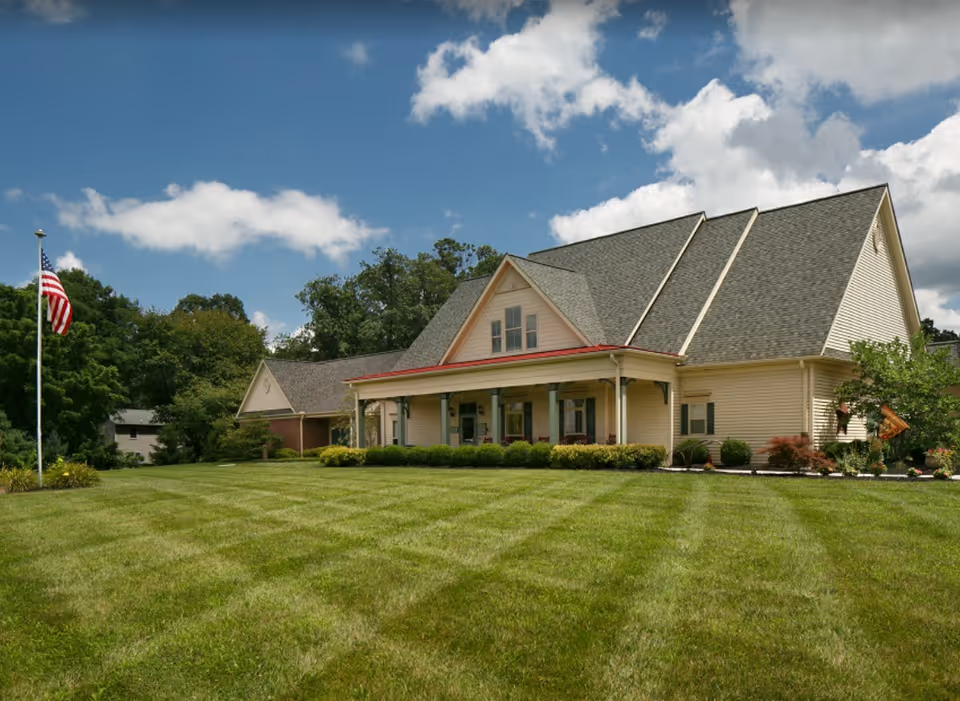
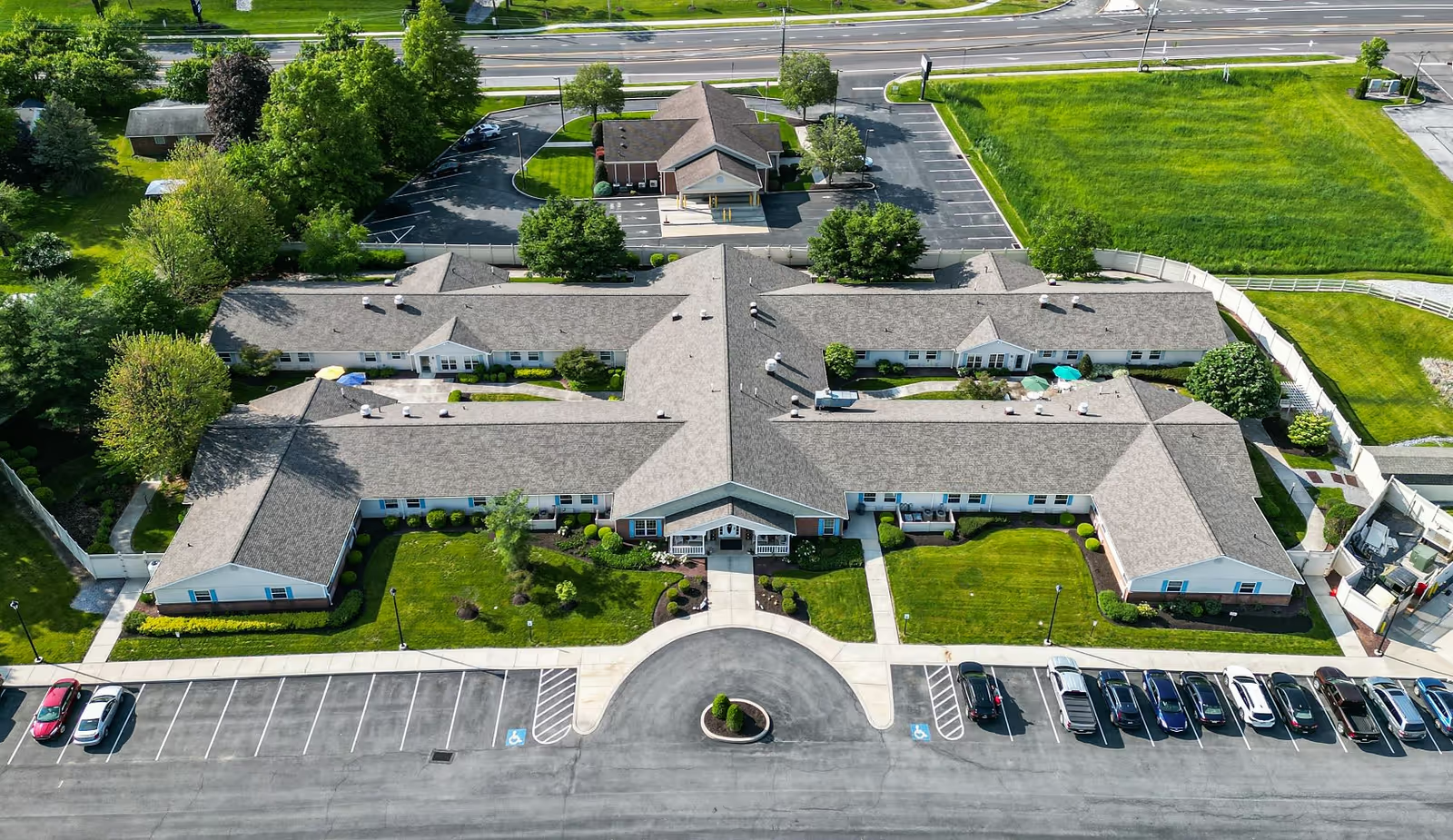
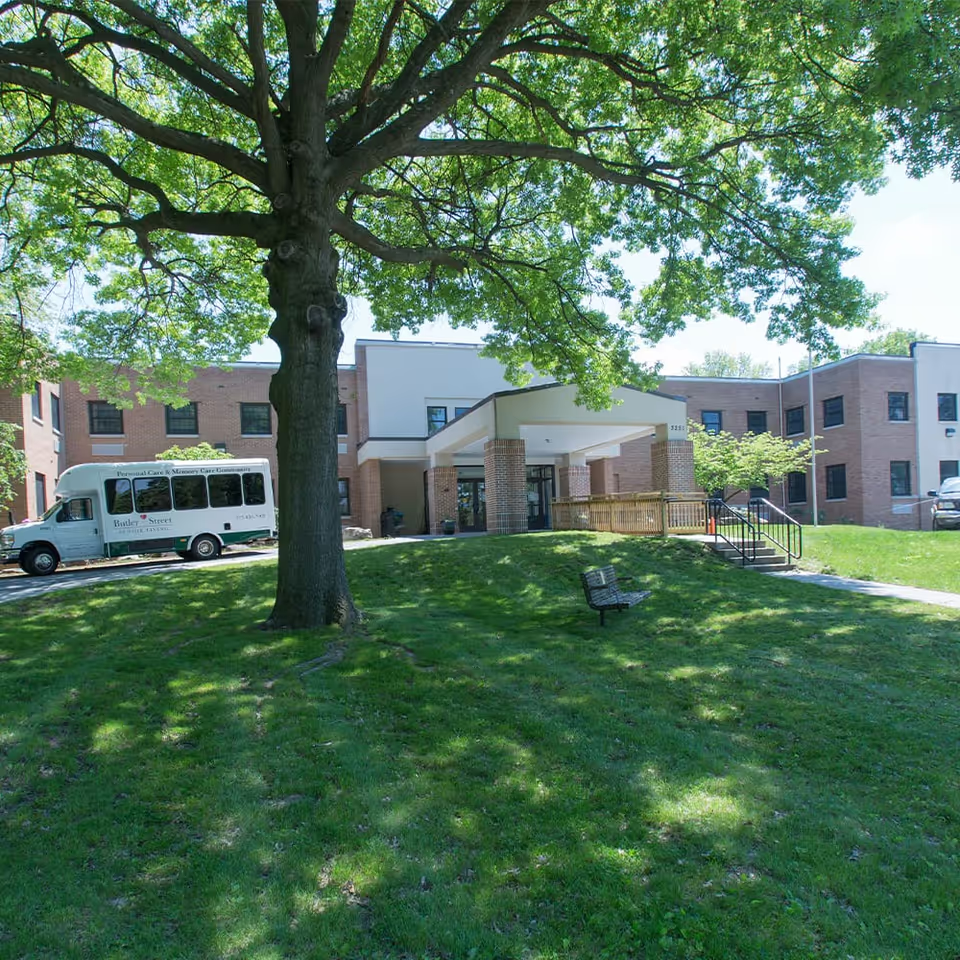
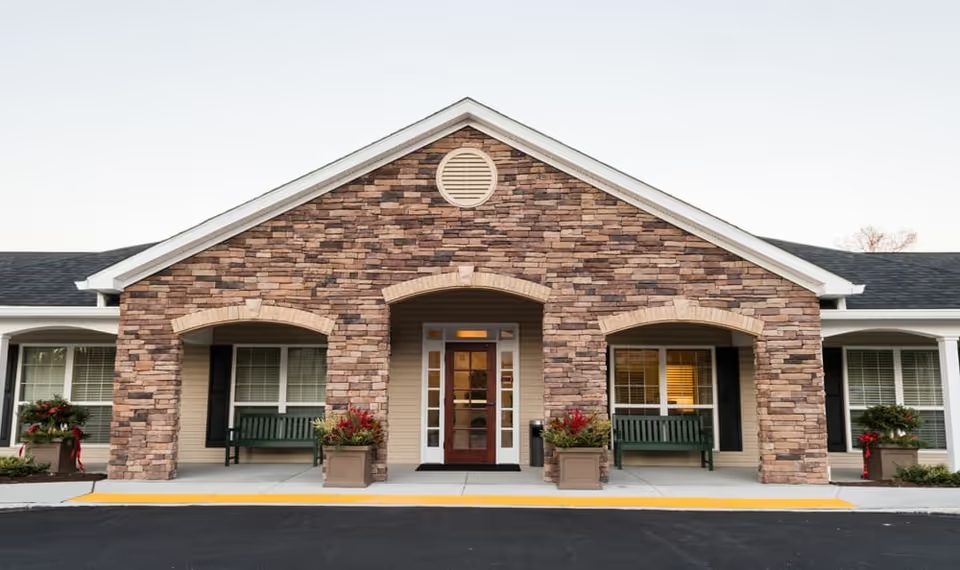
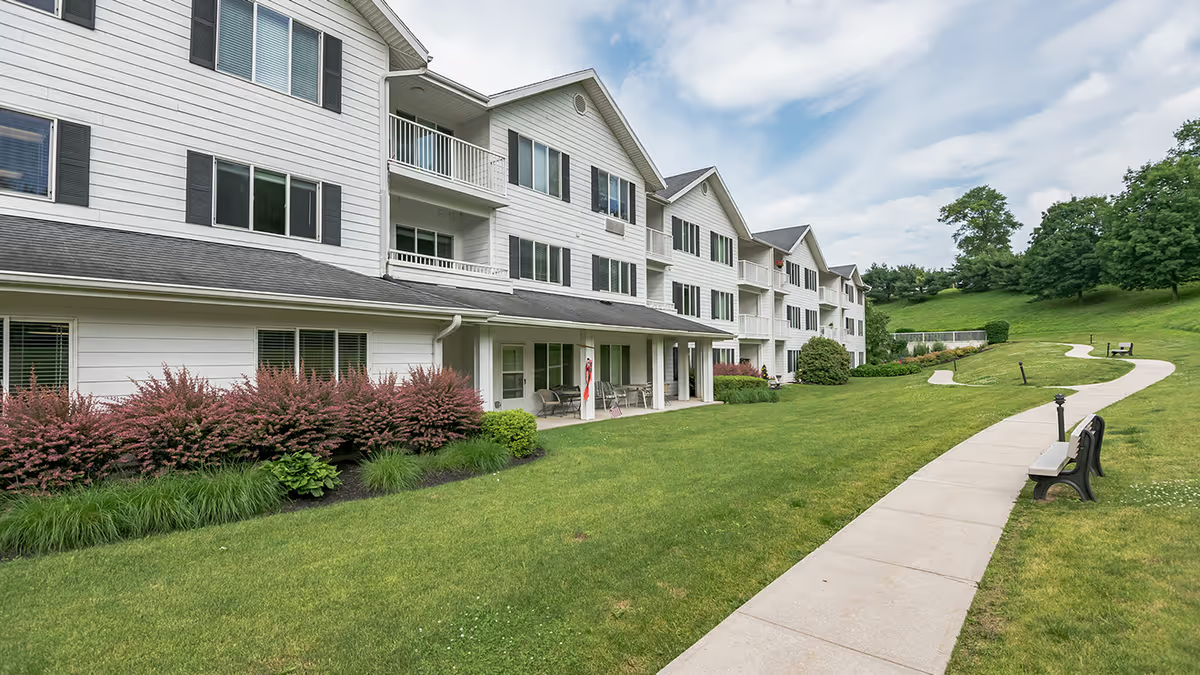
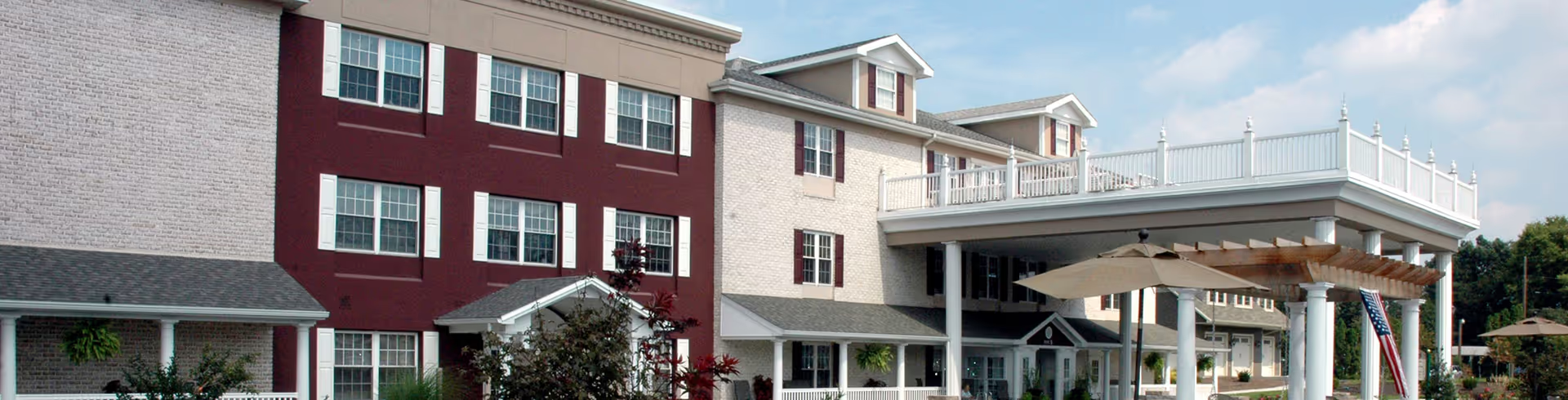
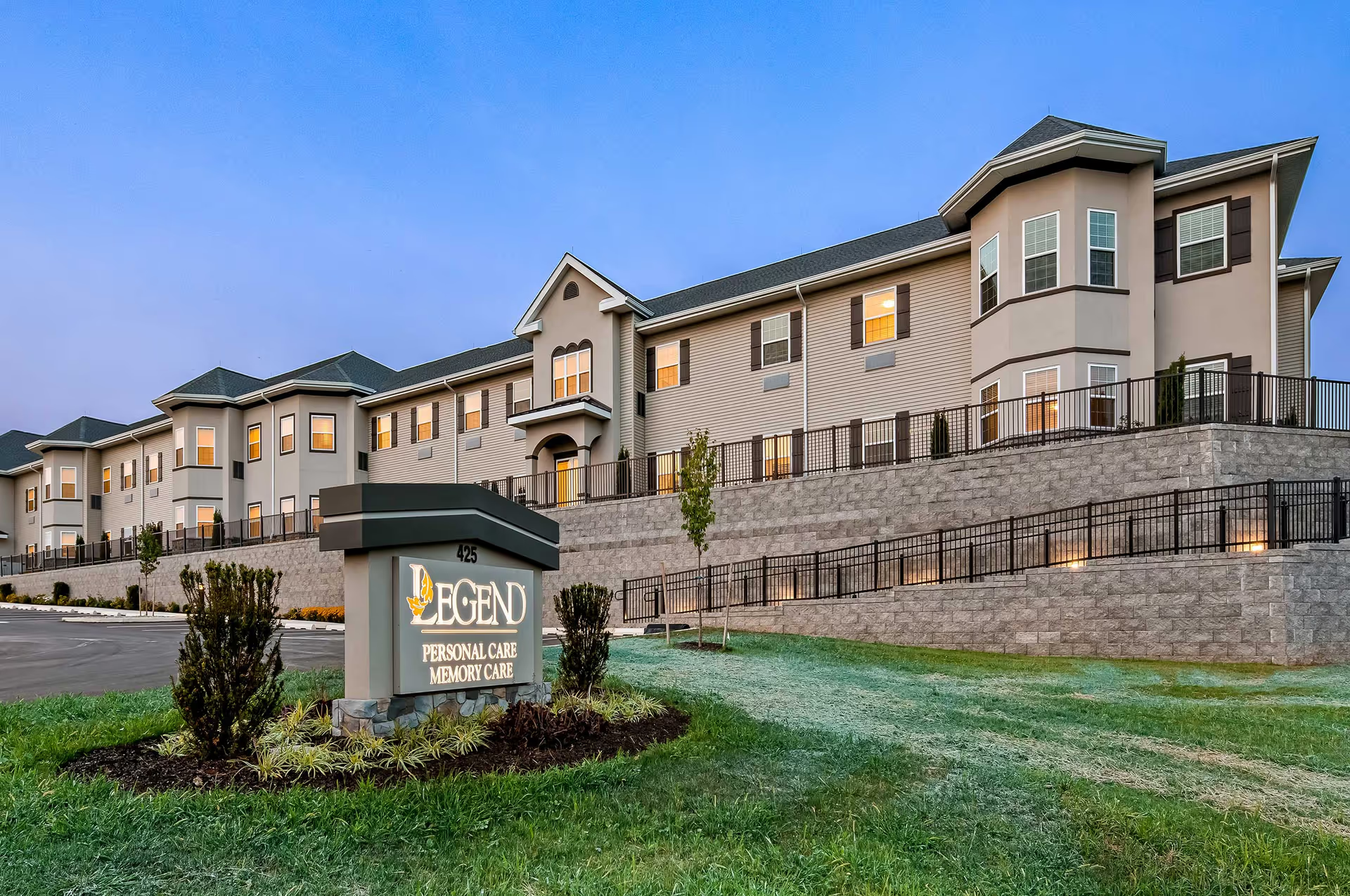
Facilities and amenities: Physical plant features include a mix of recently refreshed public spaces and older areas awaiting renovation. Apartments are generally described as well‑designed, with ample storage, kitchenettes, and private outdoor space in many units. On‑site services such as a salon, therapy visits, podiatry, library, game room, and exercise facilities are commonly available. Conversely, there are repeated observations about aging carpeting, deferred upgrades, and spotty cleanliness or odor control in certain corridors and common areas. Accessibility constraints (limited accessible parking, only one small elevator in some locations, and a transport van without a lift) have been noted as operational limitations for mobility‑impaired residents.
Management, contracts, and financial issues: Local management receives frequent praise for responsiveness and resident rapport. Nevertheless, reviewers also describe inconsistent follow‑through from regional leadership, rent increases without evident reinvestment, and cases where promised renovations or concessions were not completed. There is at least one serious allegation concerning misleading coverage and placement expectations; families should therefore review contracts carefully, verify all financial and coverage representations in writing, and ask about arbitration, deposits, and refund policies.
Notable patterns and advice for prospective residents: The overall impression is mixed but leans positive for independent residents seeking active social programming, included meals, and many on‑site amenities. The primary risk areas are operational: variable food quality, sanitation control in some common areas, staffing stability, deferred maintenance, and limited clinical supports for residents with moderate to advanced care needs. Before committing, visitors should schedule multiple visits (including during mealtimes and different days/times), request recent staffing ratios and turnover data, clarify emergency and fall‑response protocols, confirm housekeeping and linen schedules, and obtain explicit written details about billing, refunds, and promised capital projects. Doing so will help match expectations to the community's current operational realities.