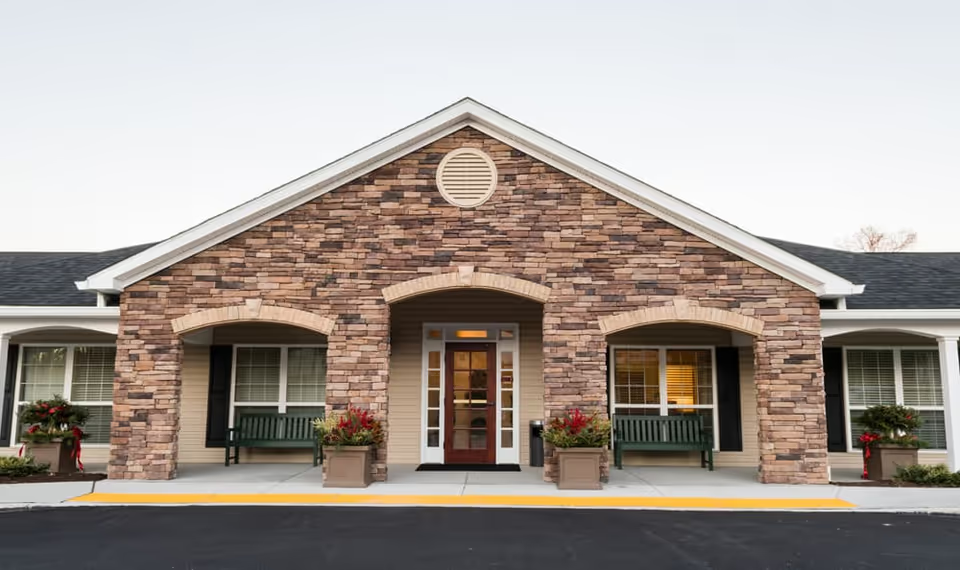
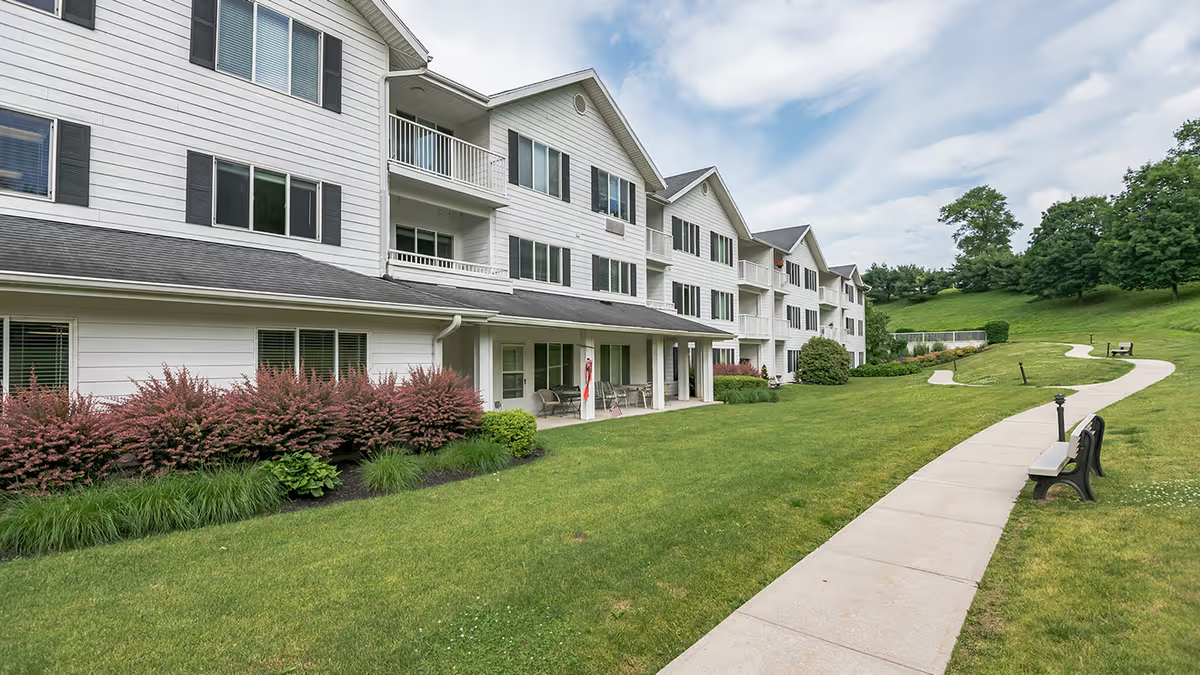
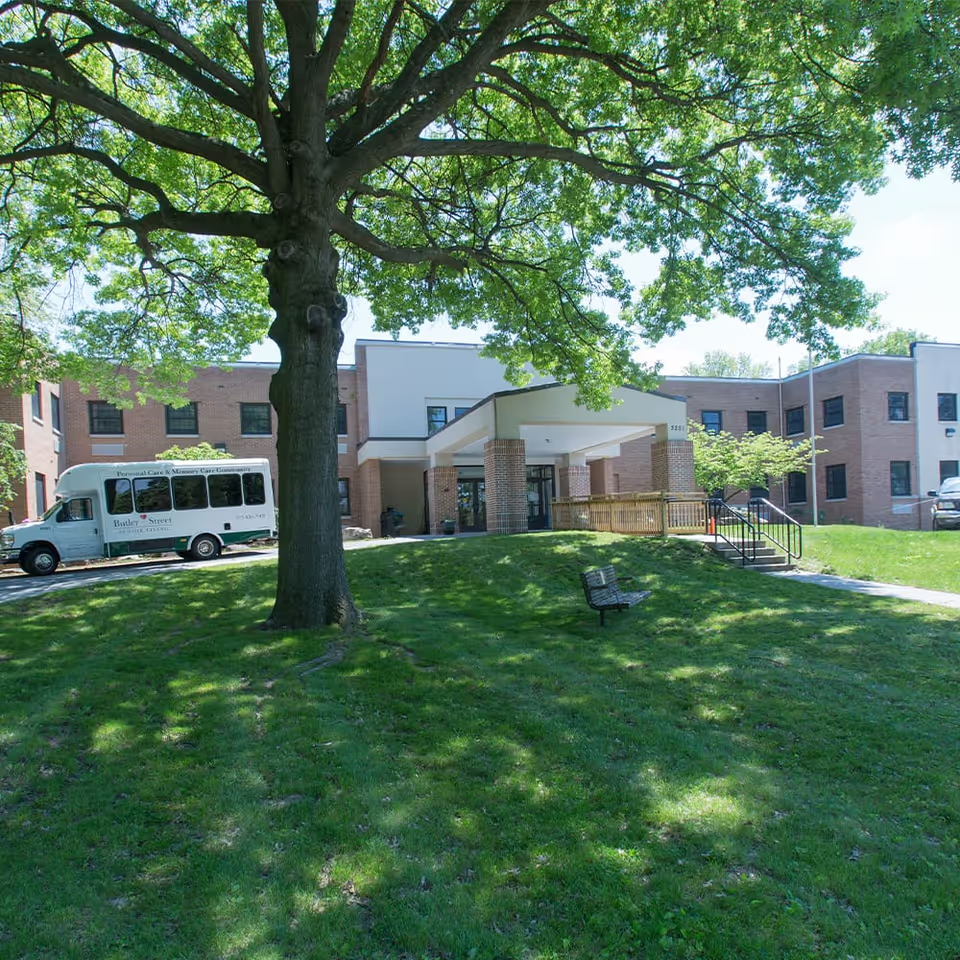
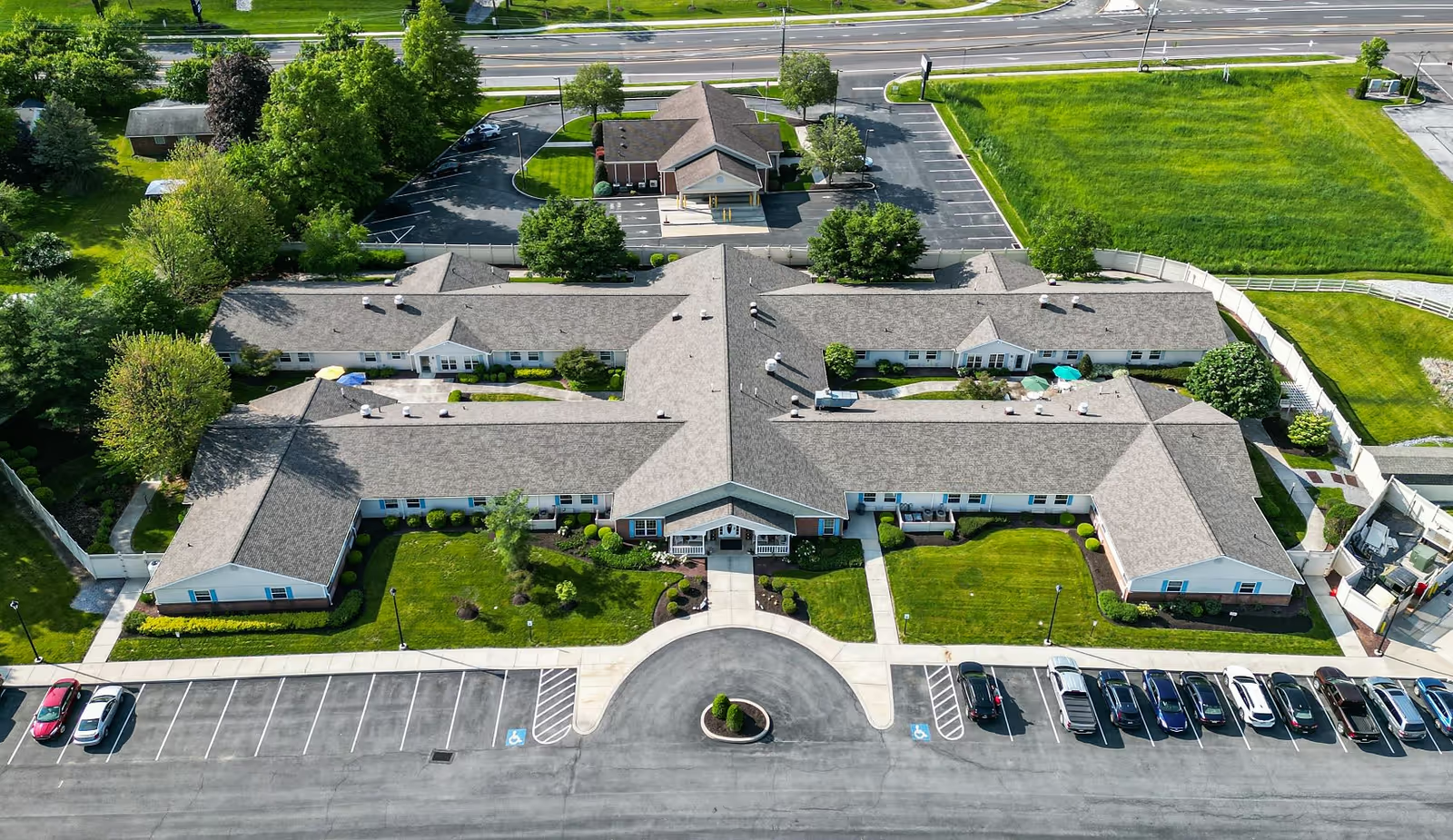
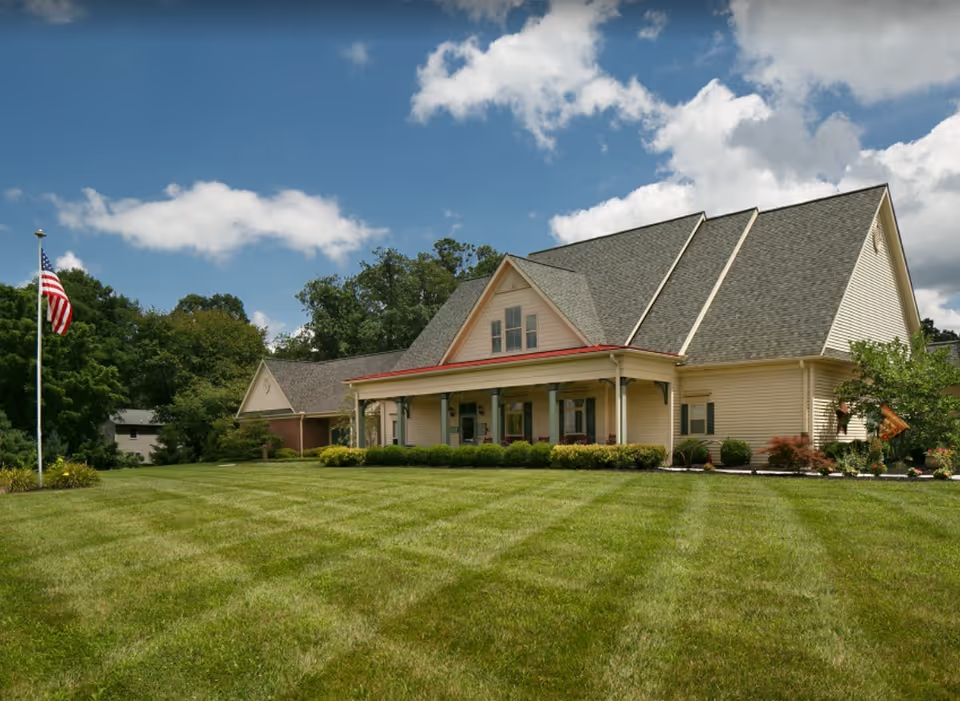
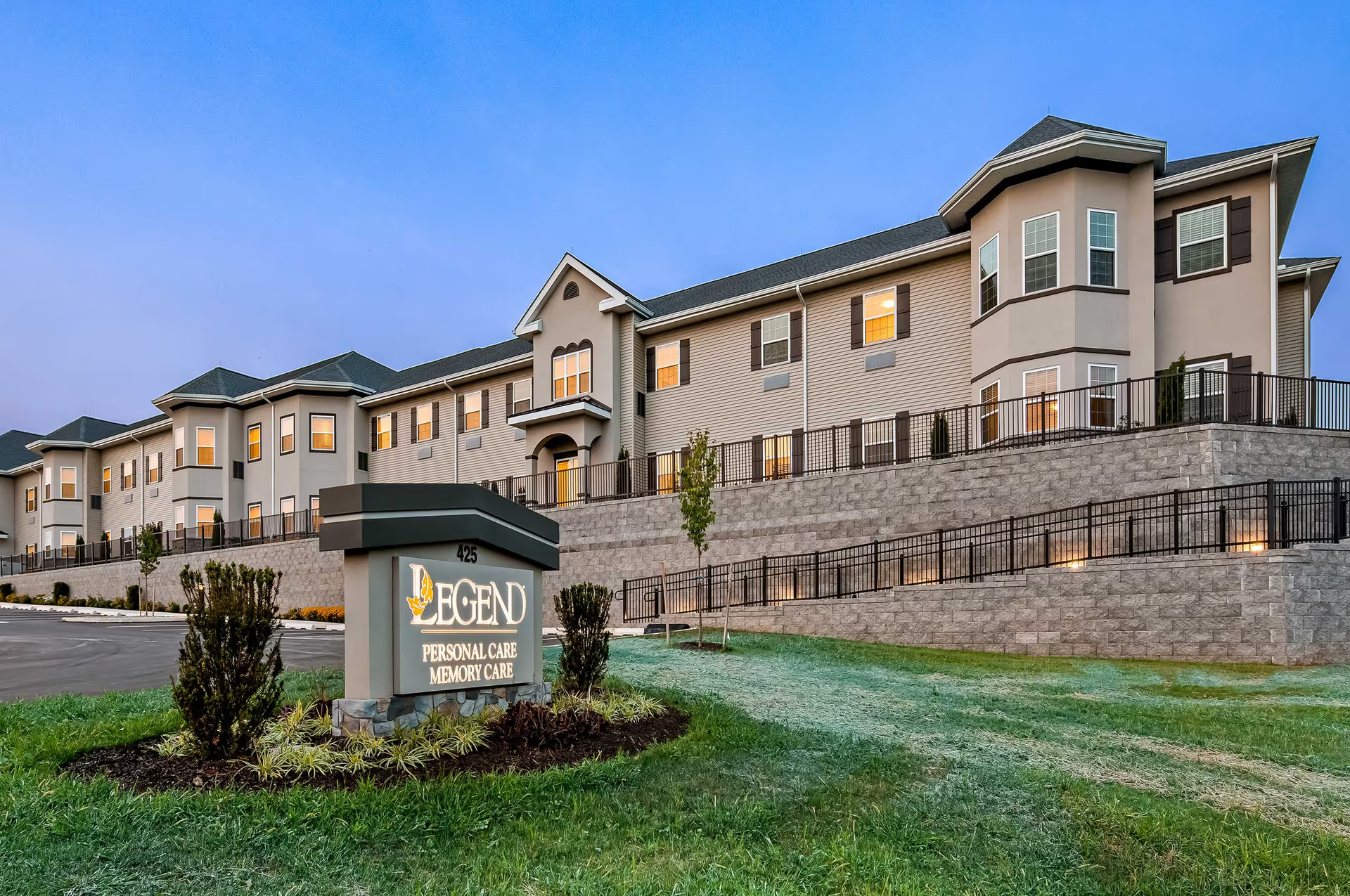
The reviews for Spring Creek present a strongly mixed picture: many families and visitors praise individual staff members, therapy teams, and short-term rehabilitation outcomes, while others describe recurring operational problems that affect resident experience and safety. Strengths most consistently referenced include committed nursing and aide staff, effective physical and occupational therapy, helpful reception personnel, and pleasant communal spaces such as an outdoor courtyard. Several reviewers credited specific therapists and activity staff with meaningful functional gains, and some units were described as clean, well-run, and welcoming.
Care quality appears uneven across shifts and units. Positive accounts describe attentive, compassionate care and successful recovery programs. Contrasting accounts identify persistent delays responding to call lights and assistance requests, missed or late medications, and concerns about transfer technique and pressure-injury prevention. These patterns suggest variability in day-to-day clinical reliability that families should monitor closely. A subset of reviews also described subsequent rehospitalizations or rapid clinical decline after discharge, indicating potential gaps in discharge planning or post-acute oversight.
Staffing and communication emerged as central themes. Many reviewers highlighted individual staff who were professional, kind, and effective; at the same time, others reported understaffing, frequent reliance on agency staff, and inconsistent behavior or tone from some employees. Family communication and front-desk responsiveness were frequently identified as areas needing improvement — examples include difficulty reaching staff by phone, voicemail systems that are full, and slow or unclear responses to family inquiries. Social-work and case-management responsiveness was also described as variable: some families experienced proactive support, while others reported unresponsiveness during critical transitions.
Dining and activity offerings are inconsistent. Multiple reviews note meal-temperature issues, incorrect orders, limited portions, and variable food quality; however, some reviewers appreciated reasonable meal service and dining support. Activity programming was praised on certain units with an engaged activities director and holiday events, but other accounts describe few activities or limited resident engagement, exacerbated at times by infection-control restrictions.
Facility condition and environmental management vary by area. Several reviews commend clean, well-kept common spaces and rooms, yet numerous accounts raise sanitation and odor concerns, pest-control issues, HVAC or temperature problems, worn furniture, and maintenance backlogs. These environmental inconsistencies can affect comfort and perceived safety and appear to track with staffing and housekeeping resources.
Management and operational practices show signs of fluctuation. Reviews reference billing and personal-property issues, occasional demands to alter satisfaction ratings, and delays or inaccuracies in discharge paperwork. There are also mentions of leadership changes and efforts by new management to address problems; prospective families may wish to inquire about recent quality-improvement actions and oversight. A small number of reviews referenced alleged serious incidents and regulatory scrutiny; those accounts warrant direct inquiry with facility leadership and state oversight agencies for context and resolution status.
Notable patterns for prospective residents and families: the facility can deliver strong rehabilitative care and compassionate individual attention, but experience appears highly dependent on staffing levels, unit assignment, and shift. Before placement, families should ask about current staffing ratios, on-site physician coverage, infection-control protocols, pest-control measures, and housekeeping schedules. Regular in-person or virtual check-ins, clear documentation of medication timing and wound/prevention plans, and an agreed communication plan with a named care coordinator can help mitigate operational variability. Overall, Spring Creek offers tangible strengths in therapy and some staff teams, but it also demonstrates recurring operational weaknesses that require active family advocacy and managerial follow-through to ensure consistent care quality.