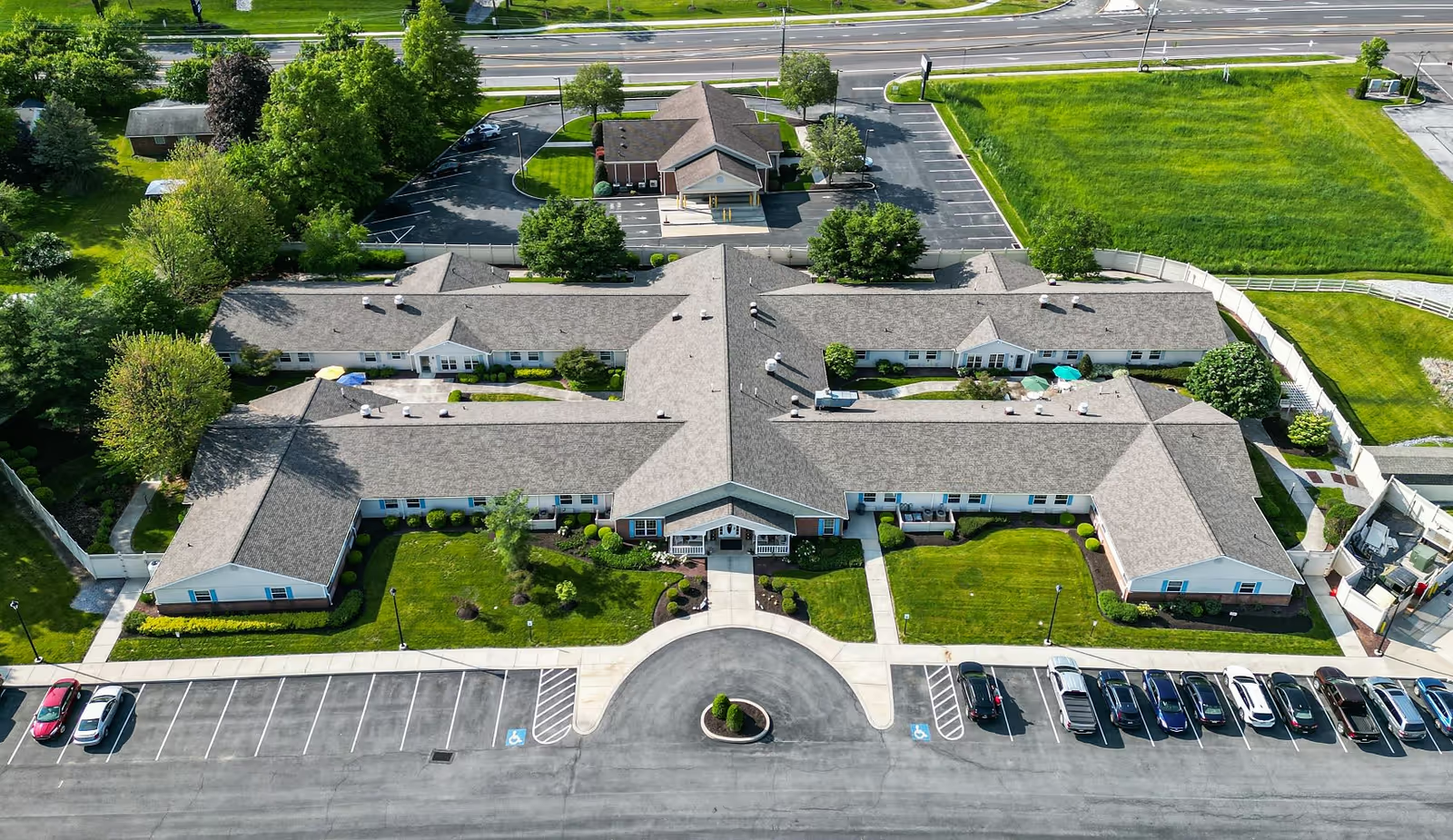
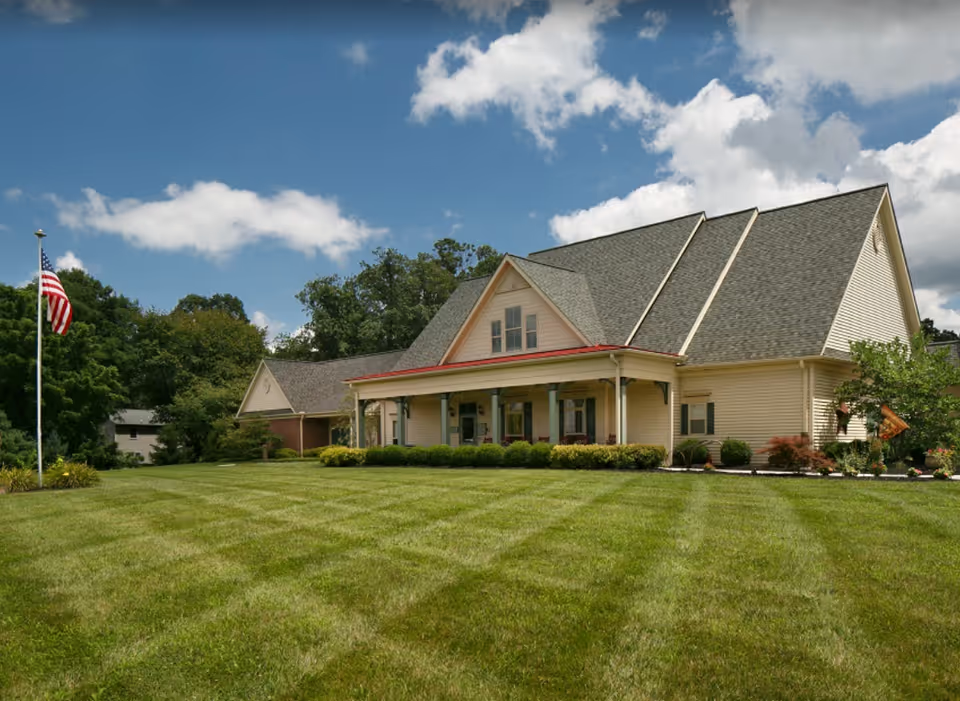
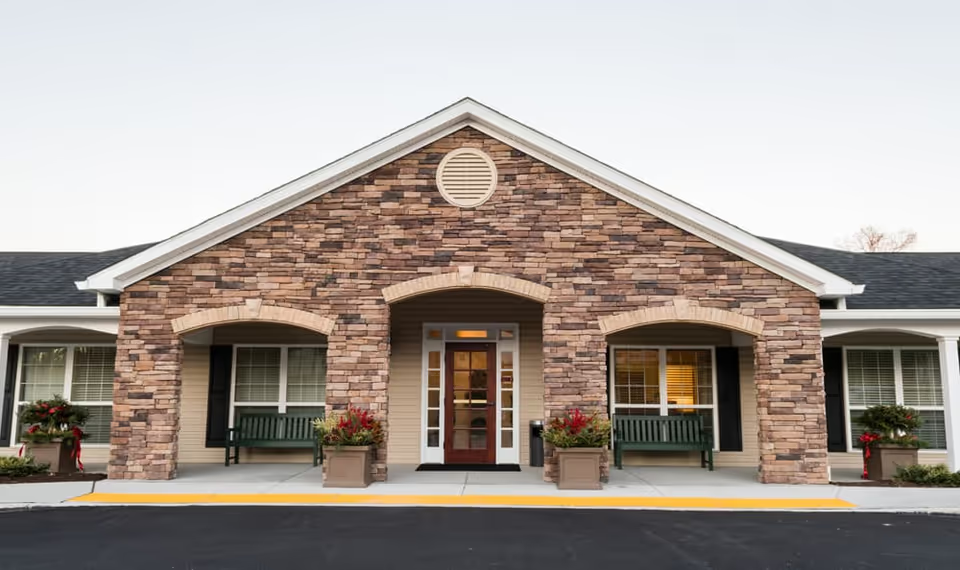
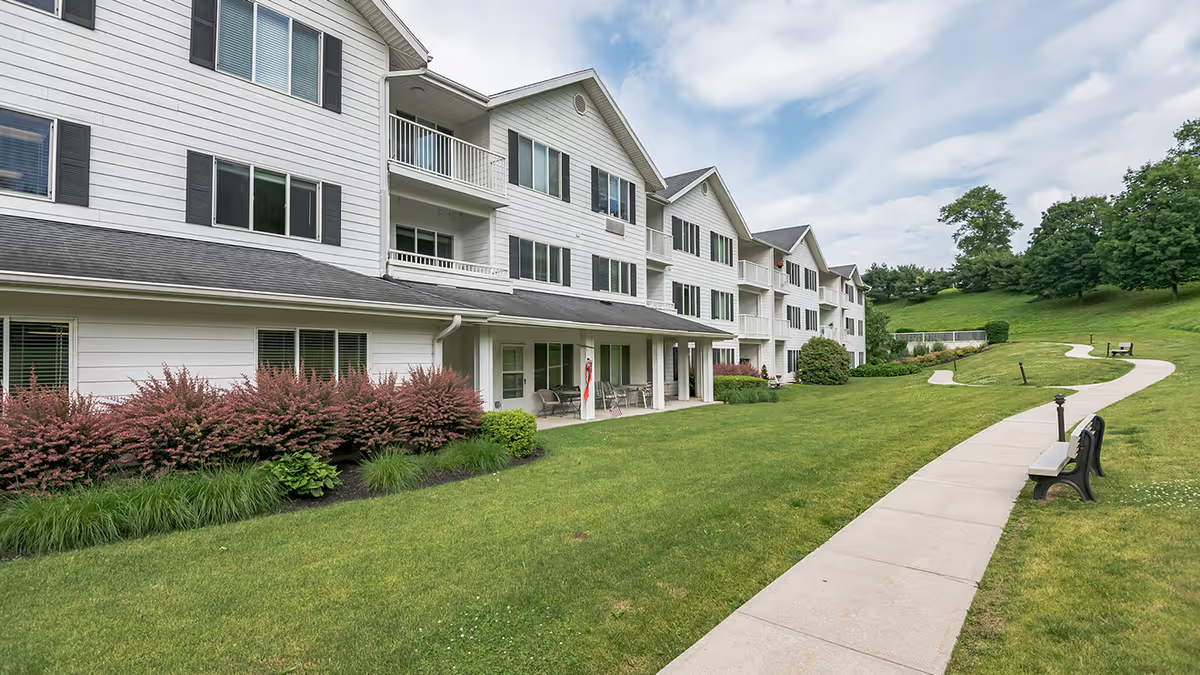
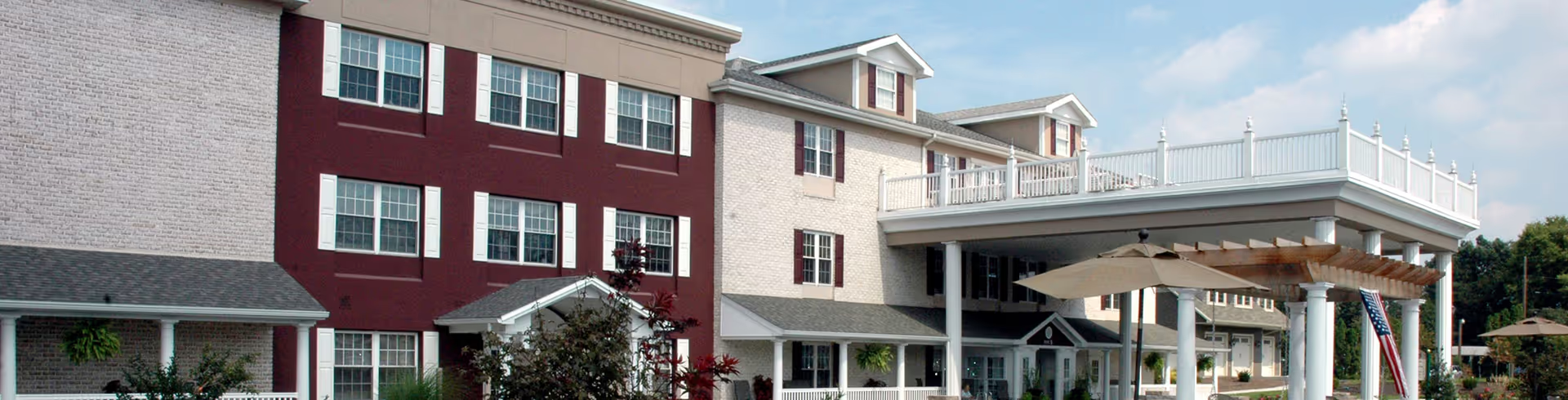
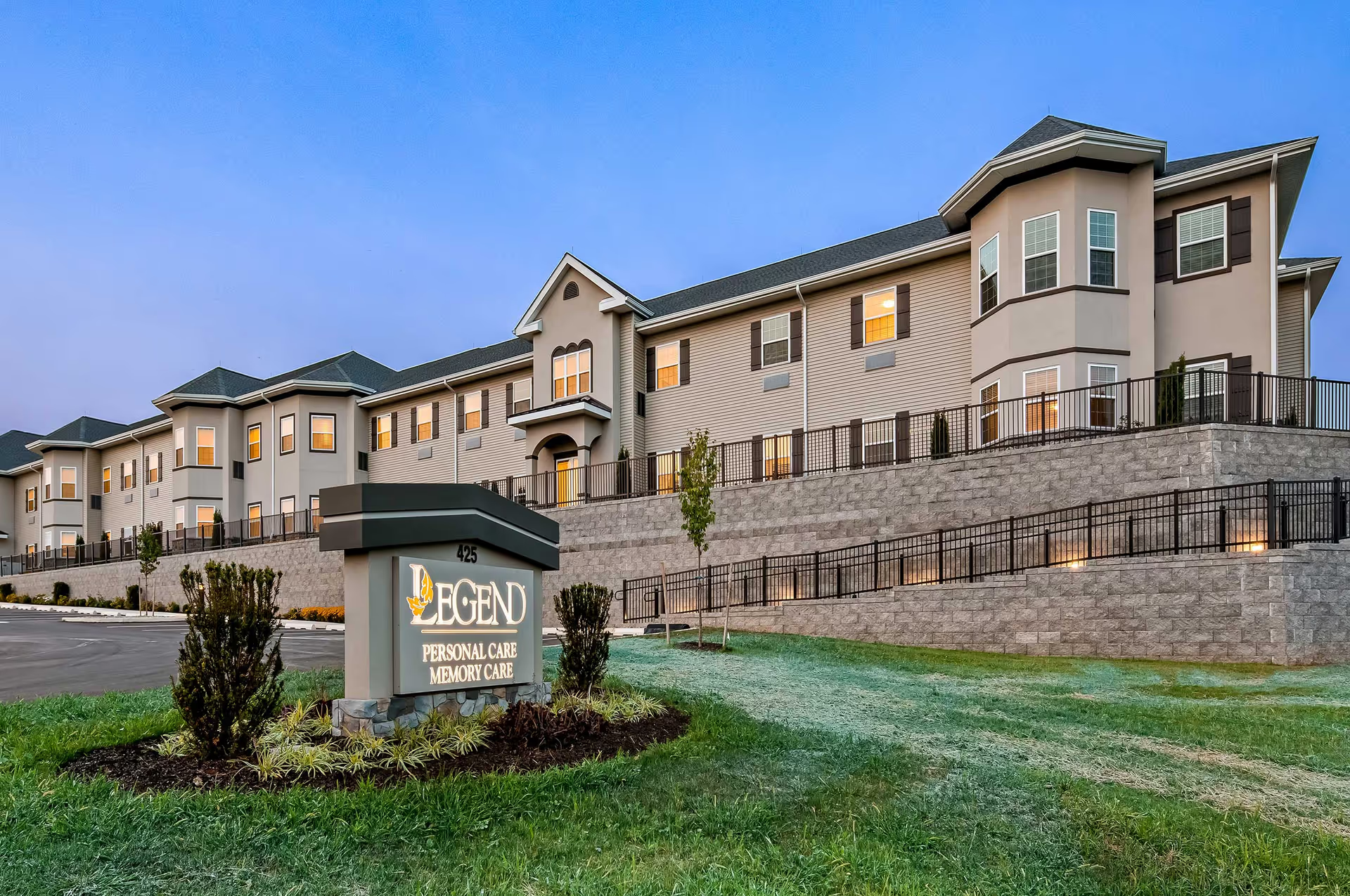
The Gardens at Blue Ridge elicits strongly mixed impressions. Many families and patients praise the rehabilitation program, individual therapists, and certain caregiving staff for clinical competence, compassion, and attentiveness. Admissions and rehabilitation administrators are frequently named as helpful, and several reviewers described thoughtful discharge planning, good therapy outcomes, and staff who advocate effectively for residents. The facility’s one-floor layout, sunny common areas, onsite salon services, and organized activities and outings are also cited as positives that support residents’ social and emotional well-being.
At the same time, a consistent pattern of operational weaknesses appears across reviews. Staffing instability and turnover are recurring concerns that reviewers link to delays in responding to calls, inconsistent personal-care routines (including missed bathing and repositioning for immobile residents), and variable assistance during meals. Multiple accounts point to failures in timely assistance with toileting and dressing needs — characterized here as incontinence-care delays — and to missed or skipped care activities that families found distressing. Medication coordination and clinical communication between nurses, therapists, and medical providers were described as inconsistent; reviewers noted occasional contradictory guidance about medications that were later resolved but suggest opportunities for stronger coordination and protocols.
Dining and nutrition receive mixed assessments: some reviewers praised the food and dining staff, while others described a decline in meal quality, an increase in pre-prepared items, missed meals, and gaps in meeting diabetic dietary needs. Activities programming and social offerings such as gardening and local trips were appreciated where maintained, but several accounts describe uneven activity schedules and variable upkeep of the rehab room and common spaces.
Facility condition and maintenance are also mixed. Interior public areas are sometimes described as pleasant and well-kept, yet multiple reviewers raised concerns about exterior disrepair (rusted piping, weather-damaged siding) and intermittent cleanliness and odor issues in certain areas. Housekeeping was praised in some units but criticized in others, indicating inconsistency in environmental services. Communication systems were frequently criticized: families reported difficulty reaching staff by phone, unanswered calls, language-barrier issues, and uneven information flow from leadership.
Management and leadership emerge as a driver of variability. Some reviews describe a positive turnaround under new nursing leadership and improvements in maintenance and staff morale; others allege poor leadership decisions, censorship, or intimidation, and there are references to serious complaints that families felt escalated beyond the facility (these are described here as allegations). The net picture is one of a facility with clear caregiving strengths at the individual level — particularly in therapy and among certain CNAs and admissions staff — combined with systemic operational gaps in staffing stability, communication, personal-care consistency, and facility maintenance.
For prospective residents and families: arrange focused questions about current staffing ratios and turnover, medication-administration protocols, schedules for bathing/repositioning and incontinence care, diabetic meal planning, and how clinical communication is documented and escalated. Request a tour of the specific unit and common areas you’ll use, meet key therapy and nursing staff, confirm a named contact for ongoing communication, and inquire about recent leadership tenure and any corrective action plans for maintenance and housekeeping. These steps can help clarify whether the facility’s strong individual caregivers are supported by reliable operational systems for consistent resident care.