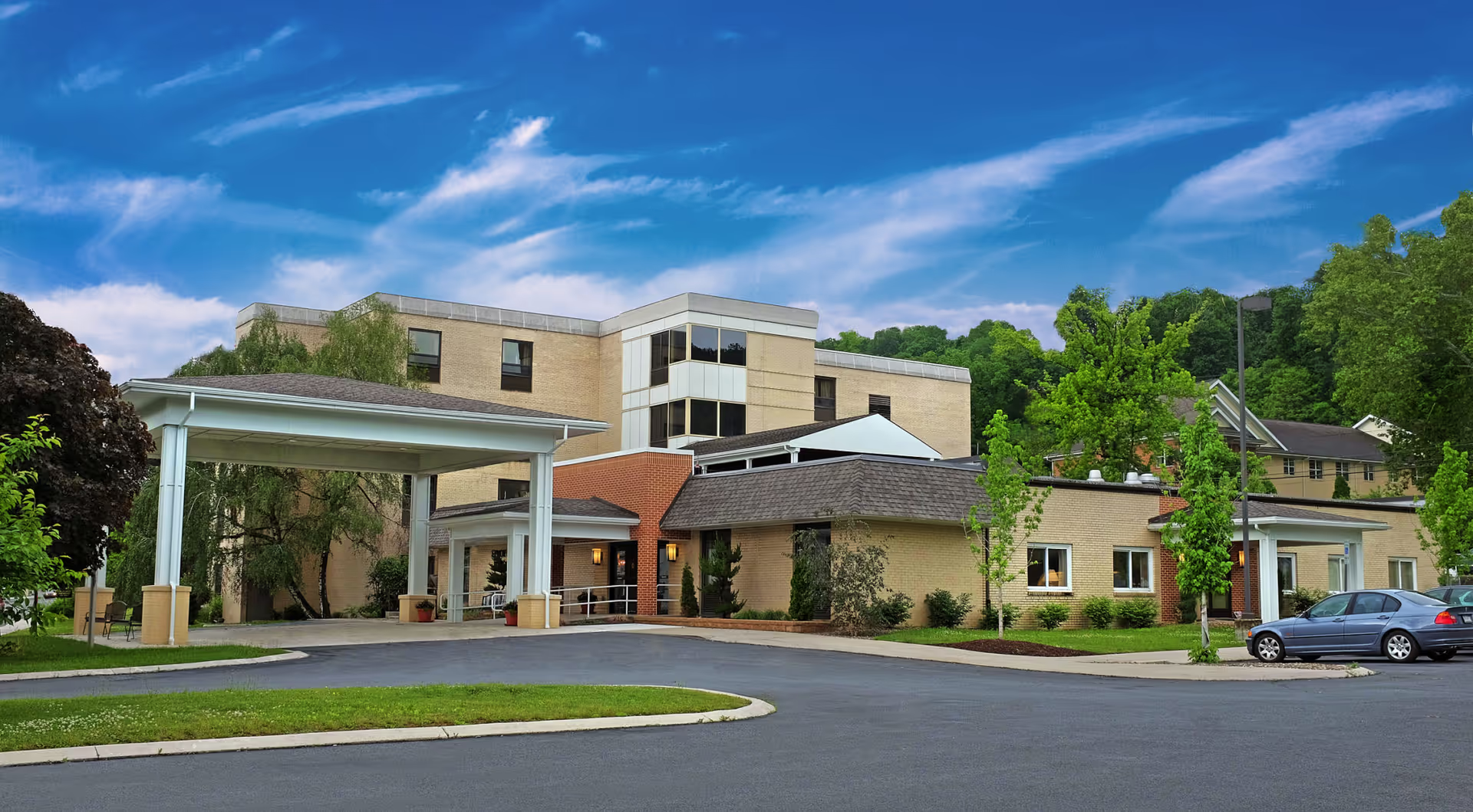
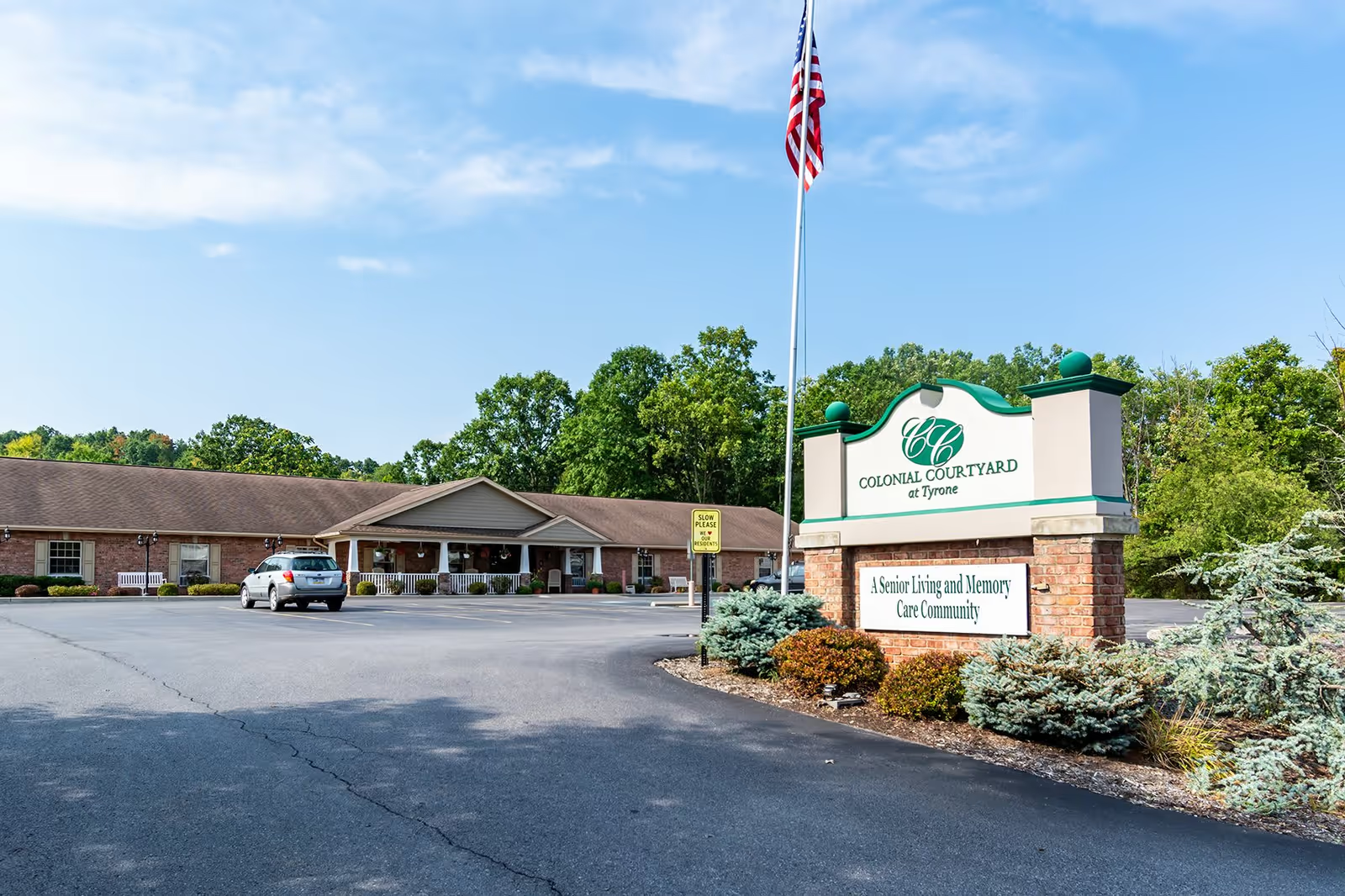
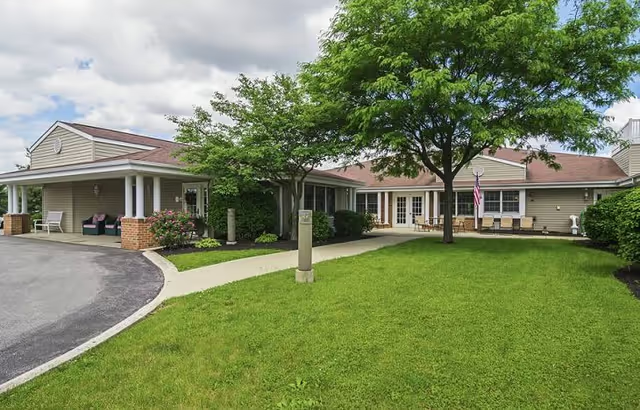
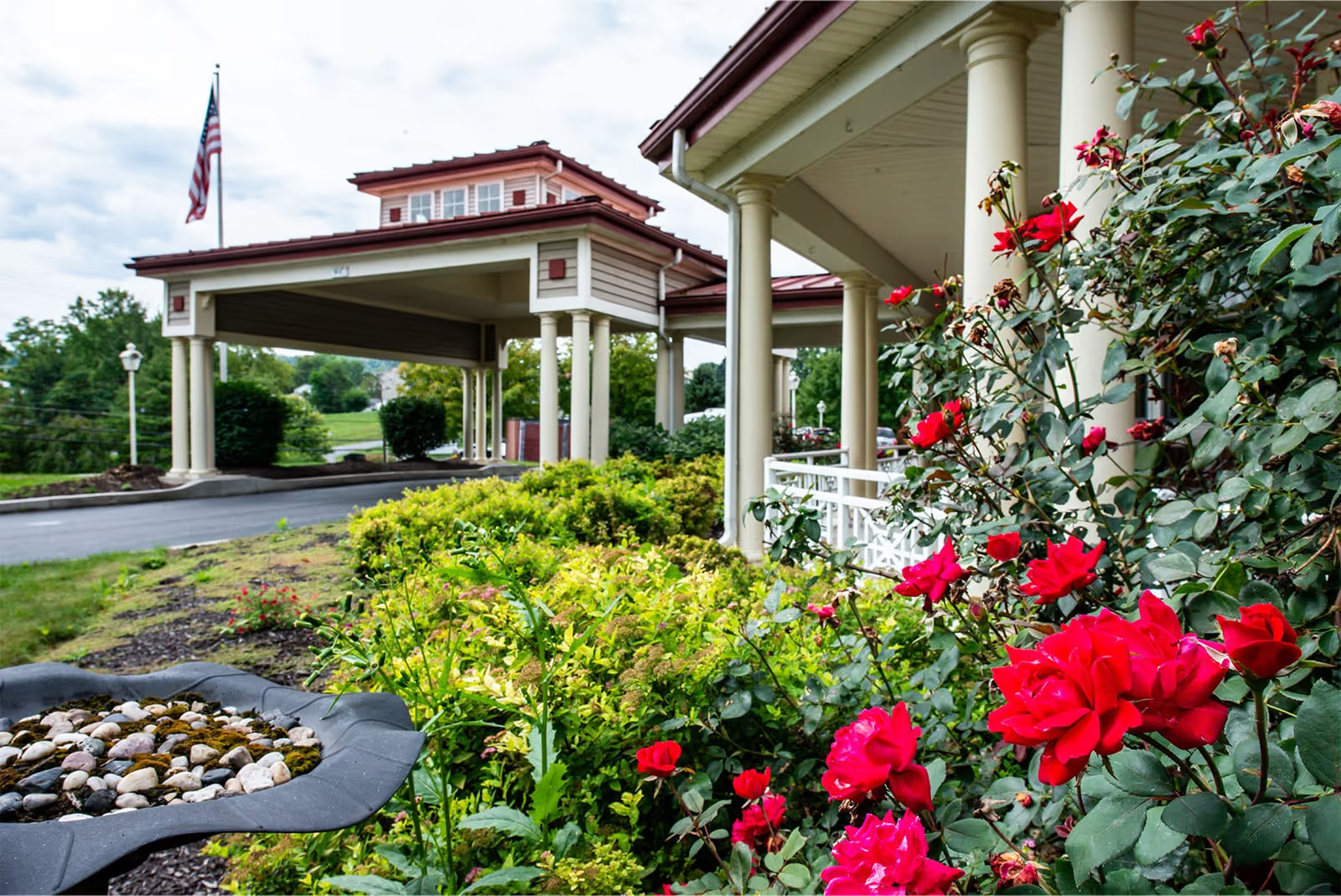
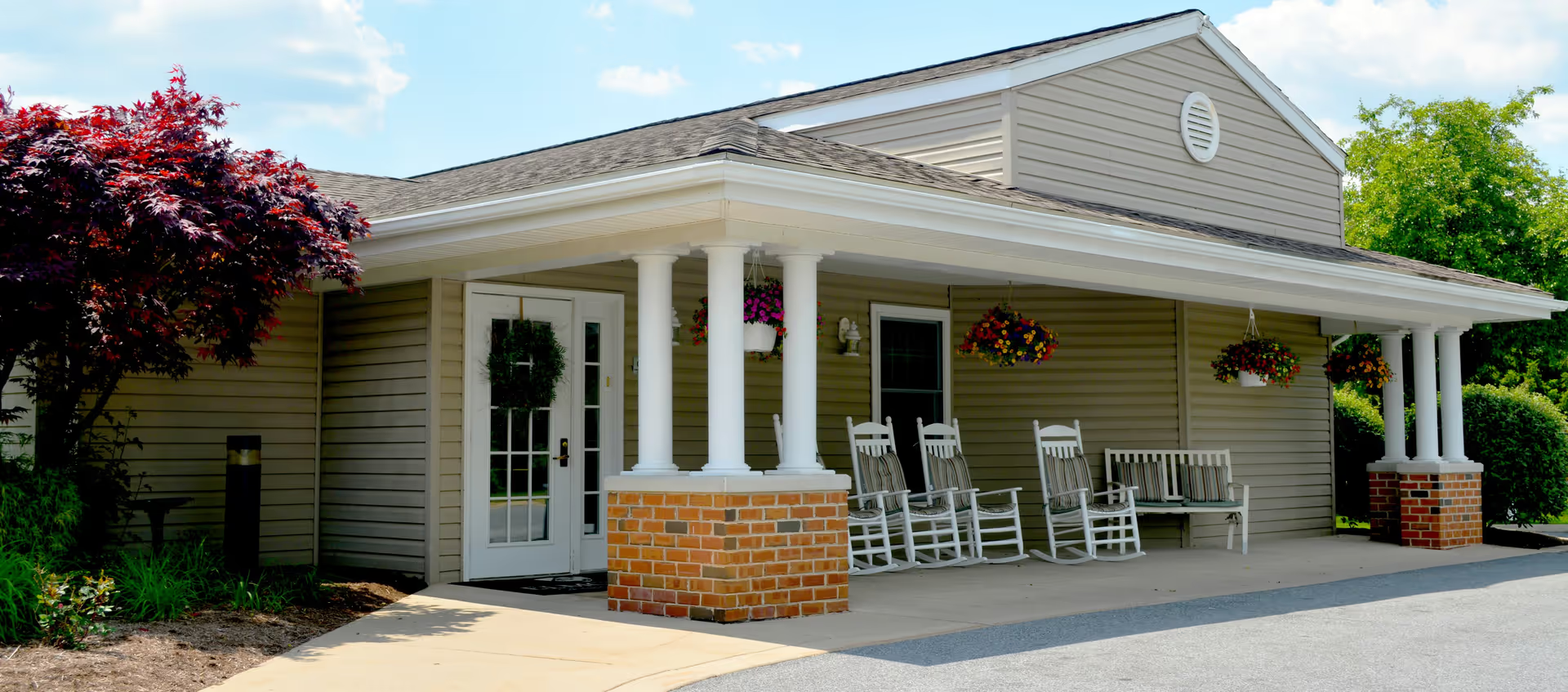
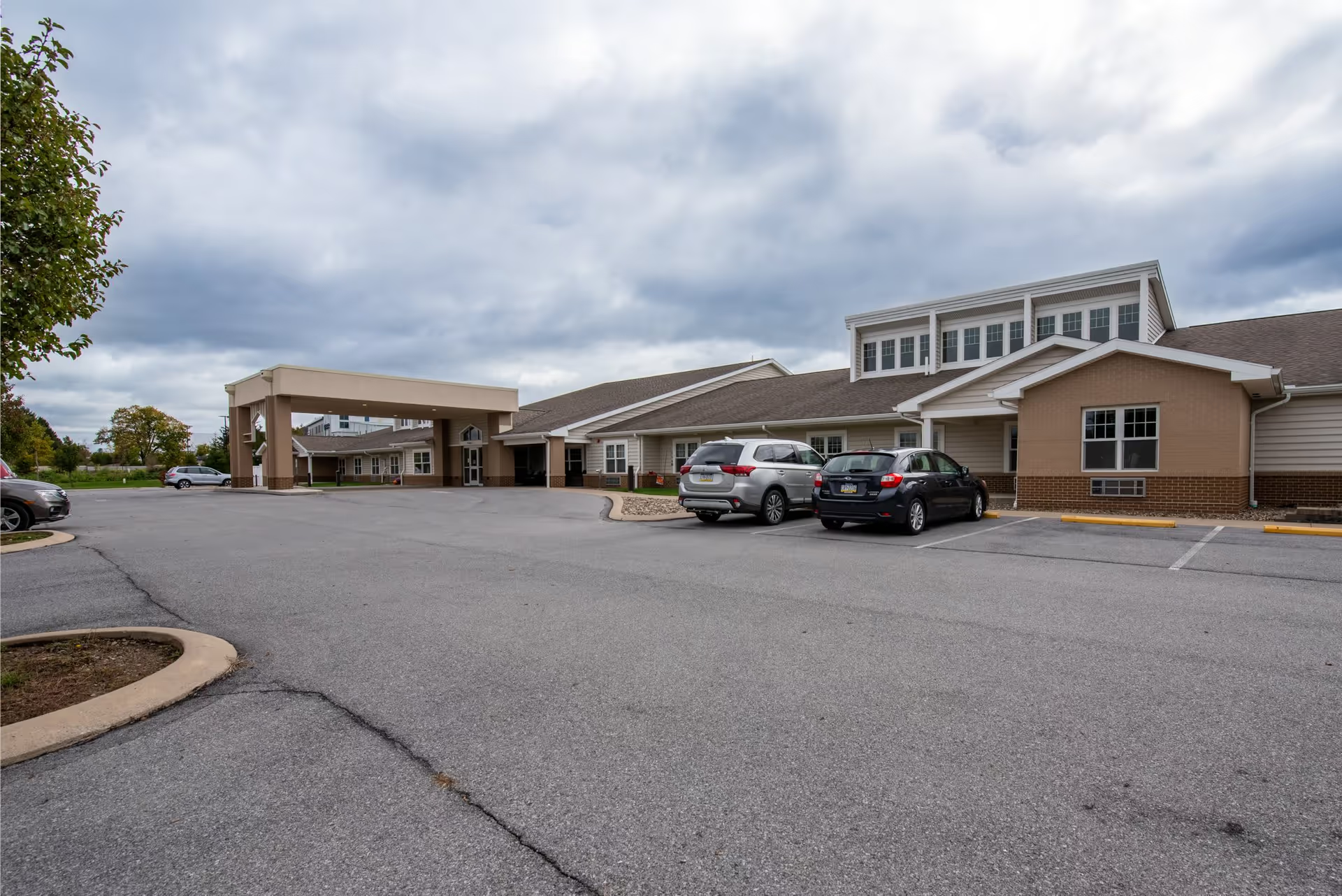
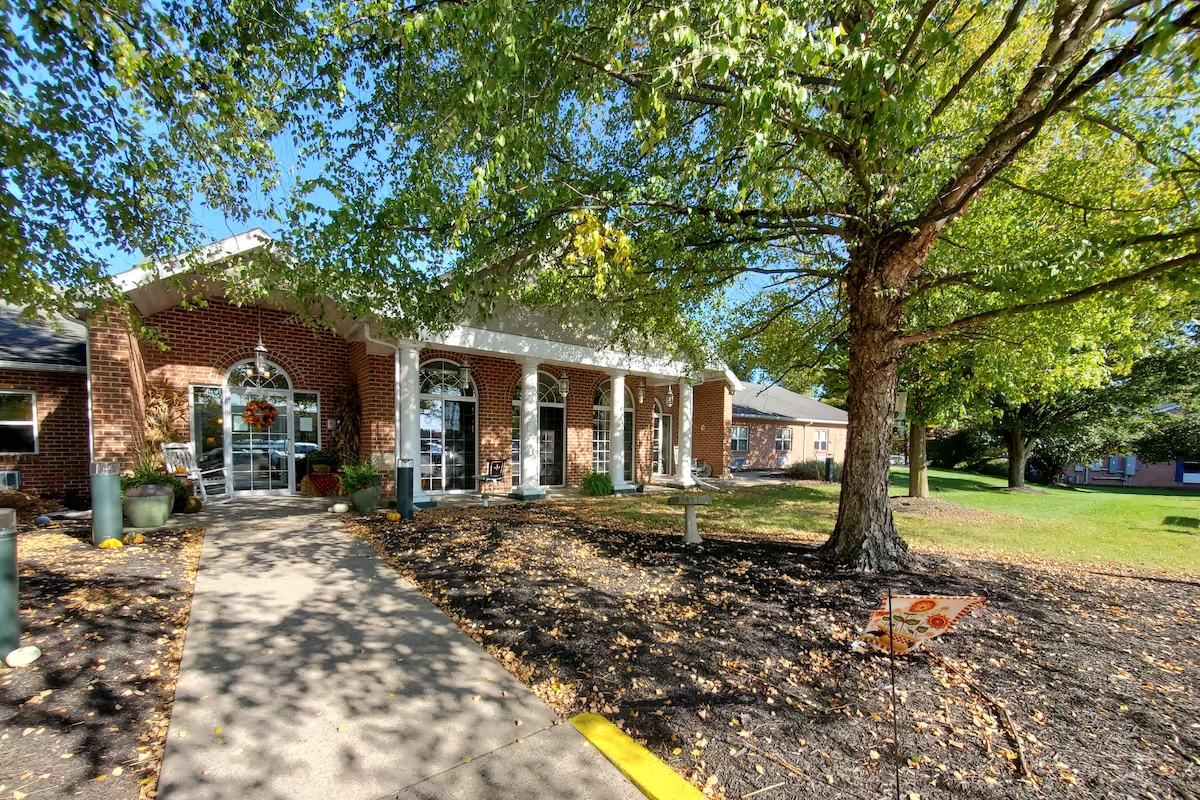
Reviews describe a facility with notable strengths alongside recurring operational weaknesses. Many families and visitors praised the direct-care staff for being warm, welcoming and attentive; several accounts highlight positive rehabilitation outcomes where therapy teams supported fast recoveries and engaging therapy sessions. The setting is described as small and intimate with recent room updates and active renovation work, an on-site gym/therapy area, and convenient linkage to hospital emergency services — all factors that can be appealing for prospective residents seeking a community feel and accessible clinical support.
Clinical care and care coordination show a mixed picture. Positive examples of effective therapy and responsive bedside care coexist with significant concerns about medication-administration processes, end-of-life coordination, and infection-control or quarantine management. There are multiple references to interruptions in specialty services (for example, podiatry and consistent physical therapy), and instances where families experienced difficulty obtaining physician contact, timely medication delivery, or coherent care-plan communication. These patterns suggest variability in clinical reliability that families should clarify during intake.
Staffing and conduct receive both praise and criticism. Reviewers frequently commend individual caregivers and therapy staff for compassion and clear communication; however, there are repeated comments about inconsistent staffing levels, supervision gaps, and occasions when staff performed nonclinical tasks (laundry, kitchen duties) that may detract from direct care time. Several reviews raise concerns about communication tone and responsiveness from particular staff or administrative channels. These contrasting impressions indicate that interpersonal experience may depend heavily on specific shifts, teams, or managers on duty.
Dining, activities, and resident life present similarly mixed impressions. The community atmosphere is often described as family-like and comforting, and activity/therapy programming has been a positive for rehabilitation-focused residents. At the same time, reviewers noted inconsistent meal quality and occasional delays in food service. Recreational infrastructure is modest — a small gym and limited communal seating — and visitor seating capacity and hallway congestion were mentioned as practical constraints for families.
Facility condition and amenities are uneven. Some rooms and corridors have been updated, but other areas show maintenance and infrastructure issues, including peeling paint and aging elements. Resident entertainment systems and internet access have been unreliable according to several accounts, and there have been reports of misplaced personal items and laundry-management problems. Those items point to process and logistical gaps that affect daily life and resident dignity.
Administrative and management patterns are a significant theme. Positive interactions with certain managers were noted, and some families reported clear, helpful admission experiences. At the same time, reviews describe inconsistent billing practices, unclear informed-consent and care-plan communications, limited transparency on public-facing channels, and barriers when families sought transfers or external clinical contacts. These administrative irregularities are operational traits that prospective families should address directly.
Guidance for prospective residents and families: an in-person tour and detailed, documented questioning are advisable. Ask about current staffing ratios and supervision practices by shift, medication-administration policies and audit procedures, infection-control protocols and quarantine plans, continuity of physical and specialty therapies, property and laundry controls, billing procedures and dispute resolution, internet/TV reliability, and visitor-space accommodations. Also request recent maintenance logs and examples of how the facility handled complex care transitions or end-of-life planning. Balancing the facility’s strengths in compassionate caregiving and rehabilitation with the documented operational gaps will help determine whether it is an appropriate fit for a given resident’s clinical and social needs.