Overall impressions indicate a facility with substantive strengths in clinical care and rehabilitation alongside operational inconsistencies that affect the resident experience. Feedback consistently praises the registered nursing team and therapy staff for compassionate, competent, and prompt clinical care; post-operative and wound care were specifically noted as attentive. Rehabilitation and activity programming receive strong positive comments, with features such as physical therapy, diabetic exercise, walking programs, a beauty shop, and a library contributing to engagement and functional recovery.
Staffing quality appears mixed. Many accounts highlight committed RNs, helpful desk/concierge personnel, and individual caregivers who go above and beyond. At the same time, there are recurring concerns about variability in aide performance and the conduct of agency staff, which contributes to uneven day-to-day experiences. Relatedly, reviewers describe gaps in communication and family coordination—examples include delayed or unclear updates from social-work and administrative teams and occasions when rounds or checks during acute events were perceived as delayed.
Dining and nutrition are another area of mixed feedback. Several notes emphasize good food and appropriate meal services, while other feedback points to small portions, limited meal planning, and administrative or paperwork delays that affected meal delivery. Prospective residents should expect variable meal experiences and consider asking about portion sizes, therapeutic menus, and meal-order processes during a tour.
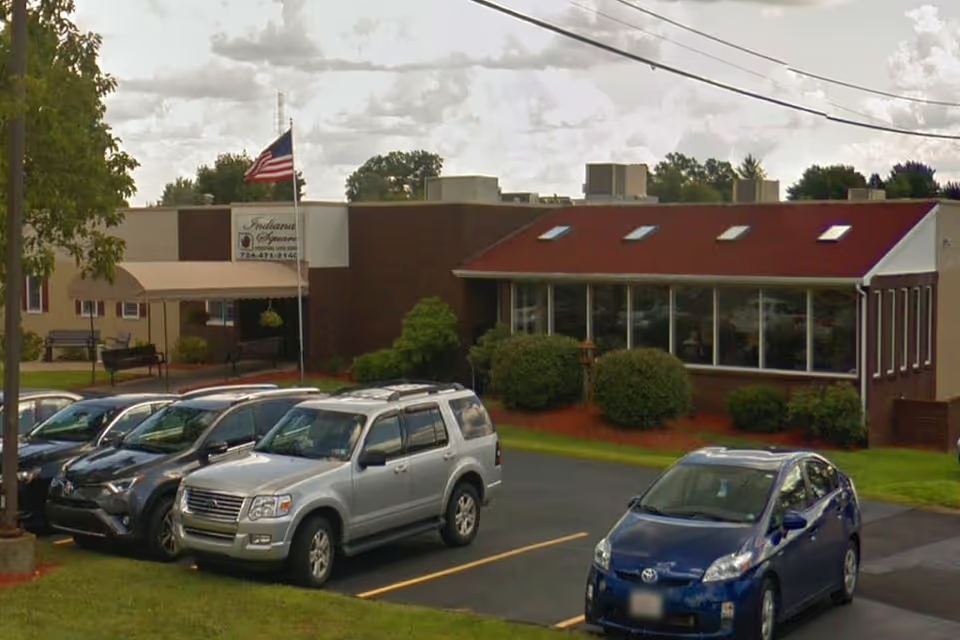
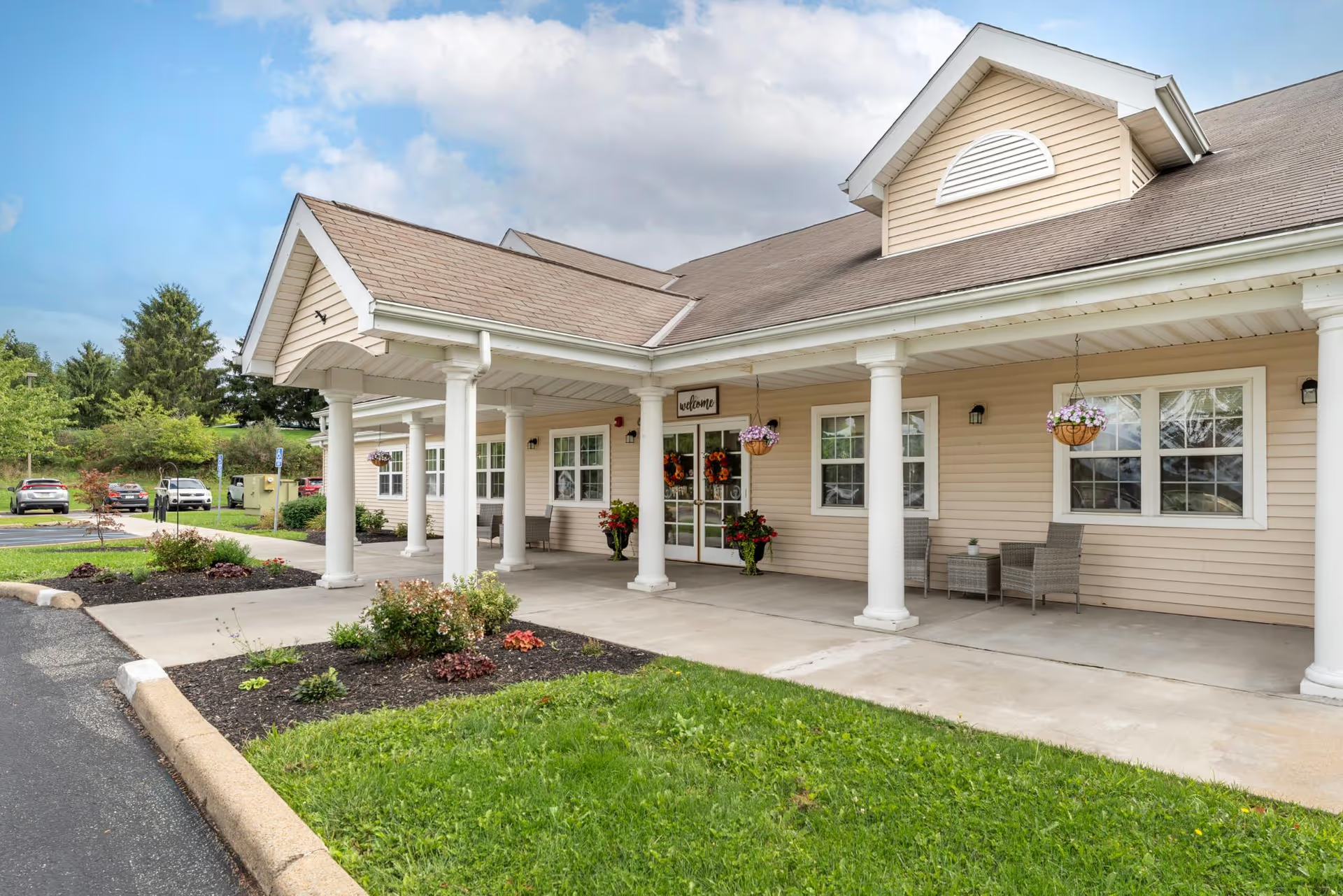
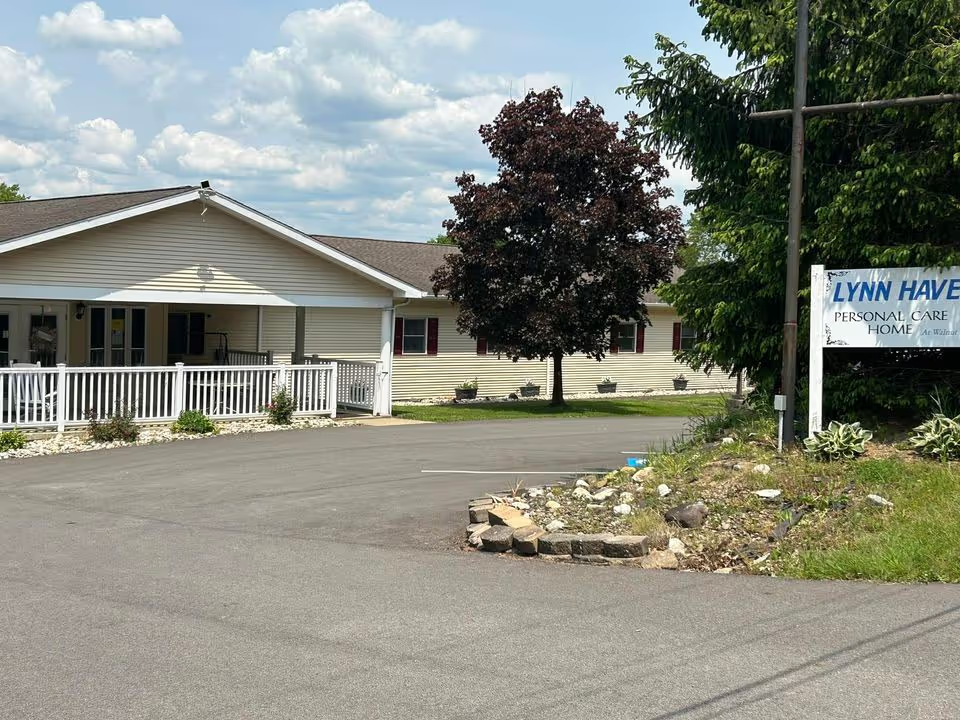
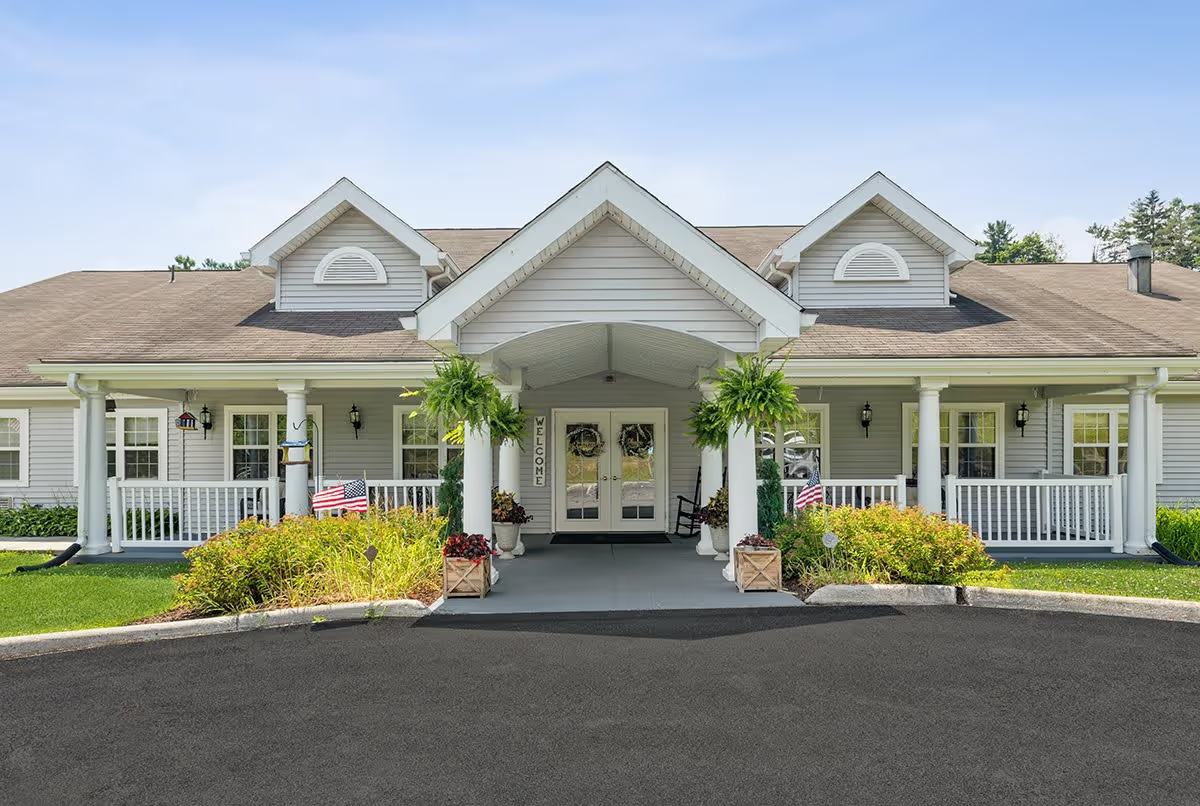
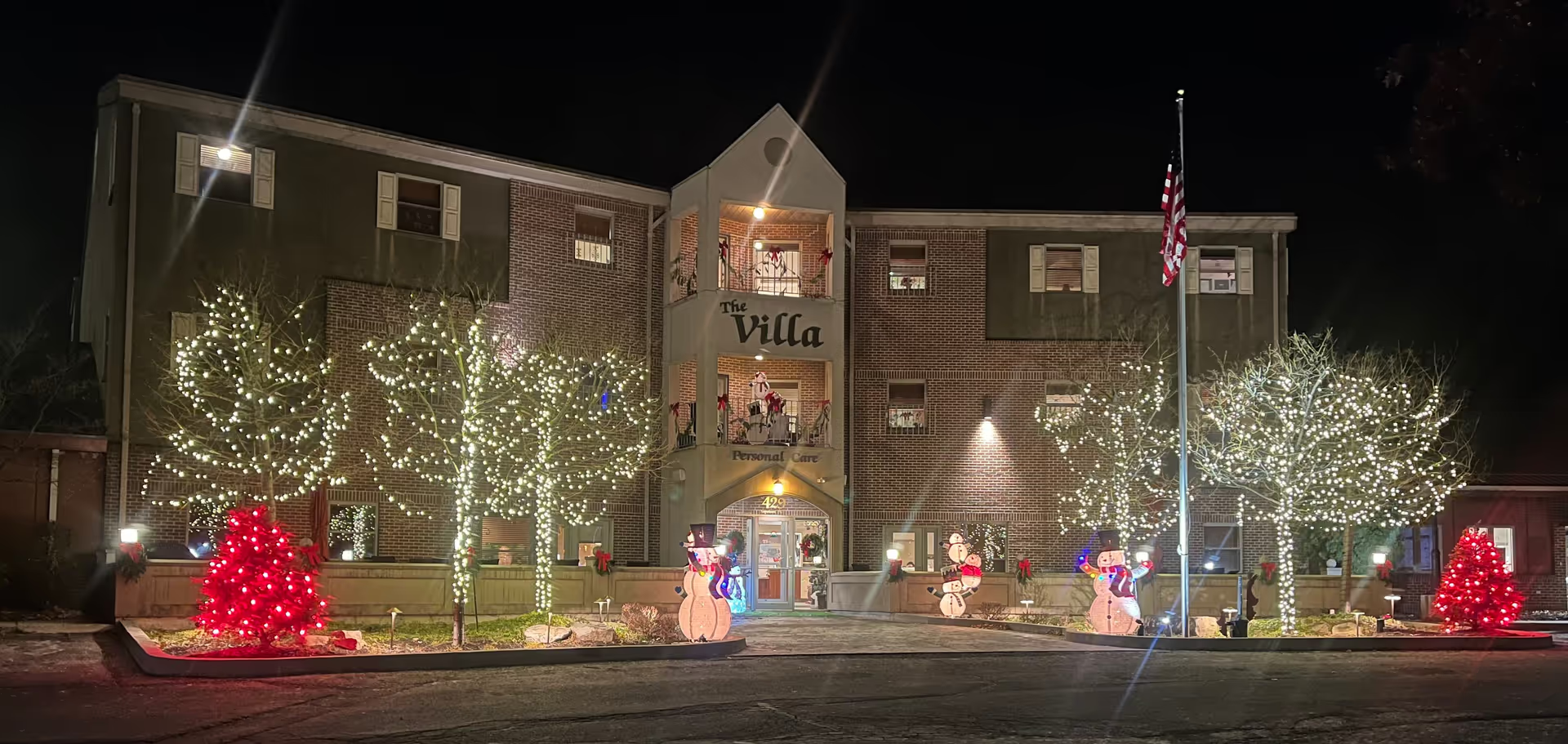
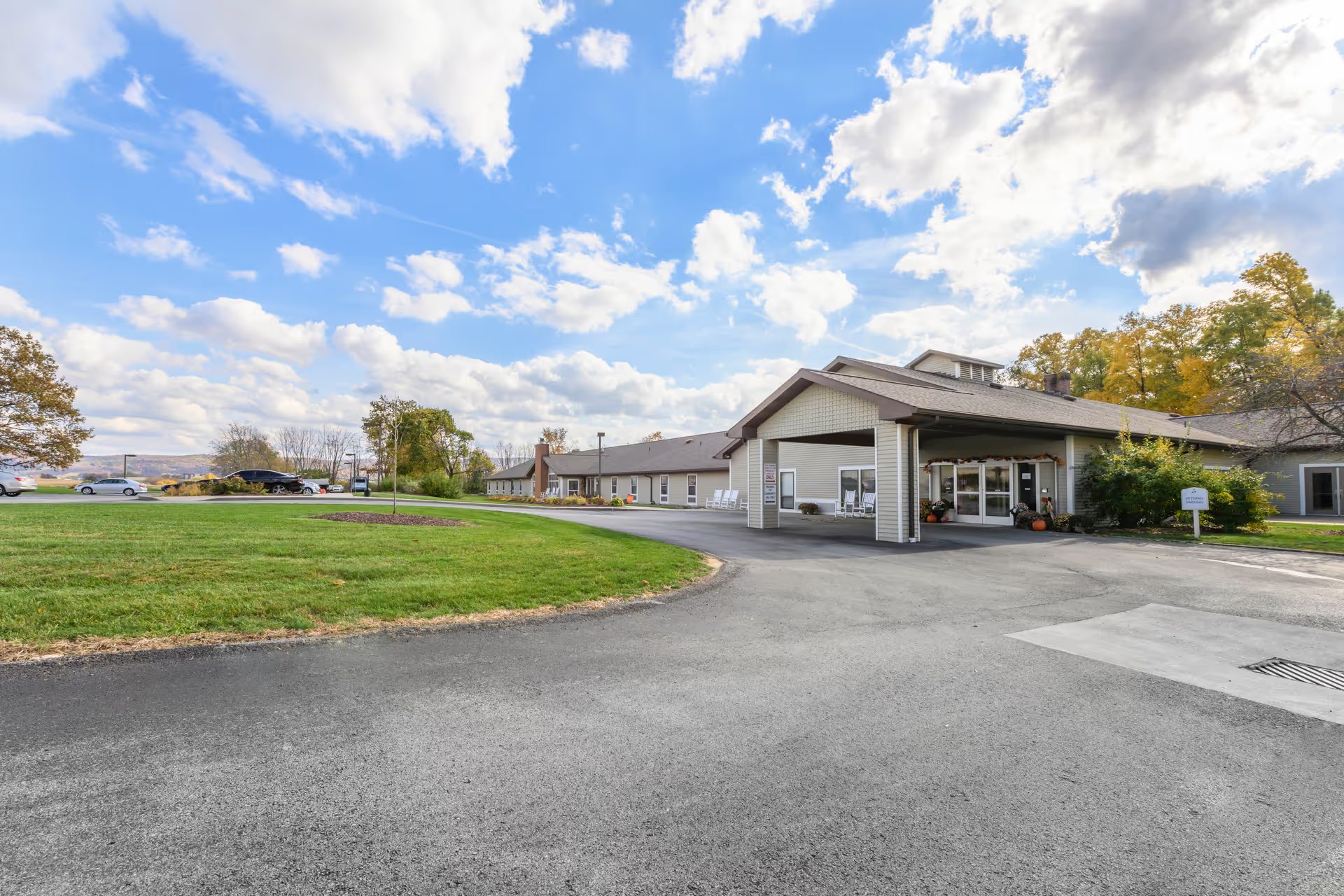
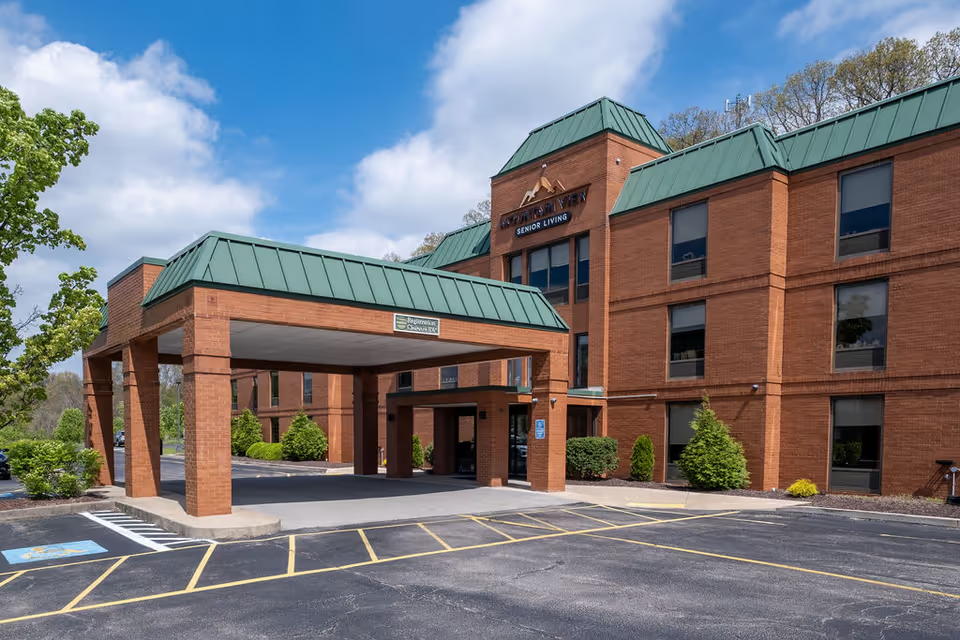
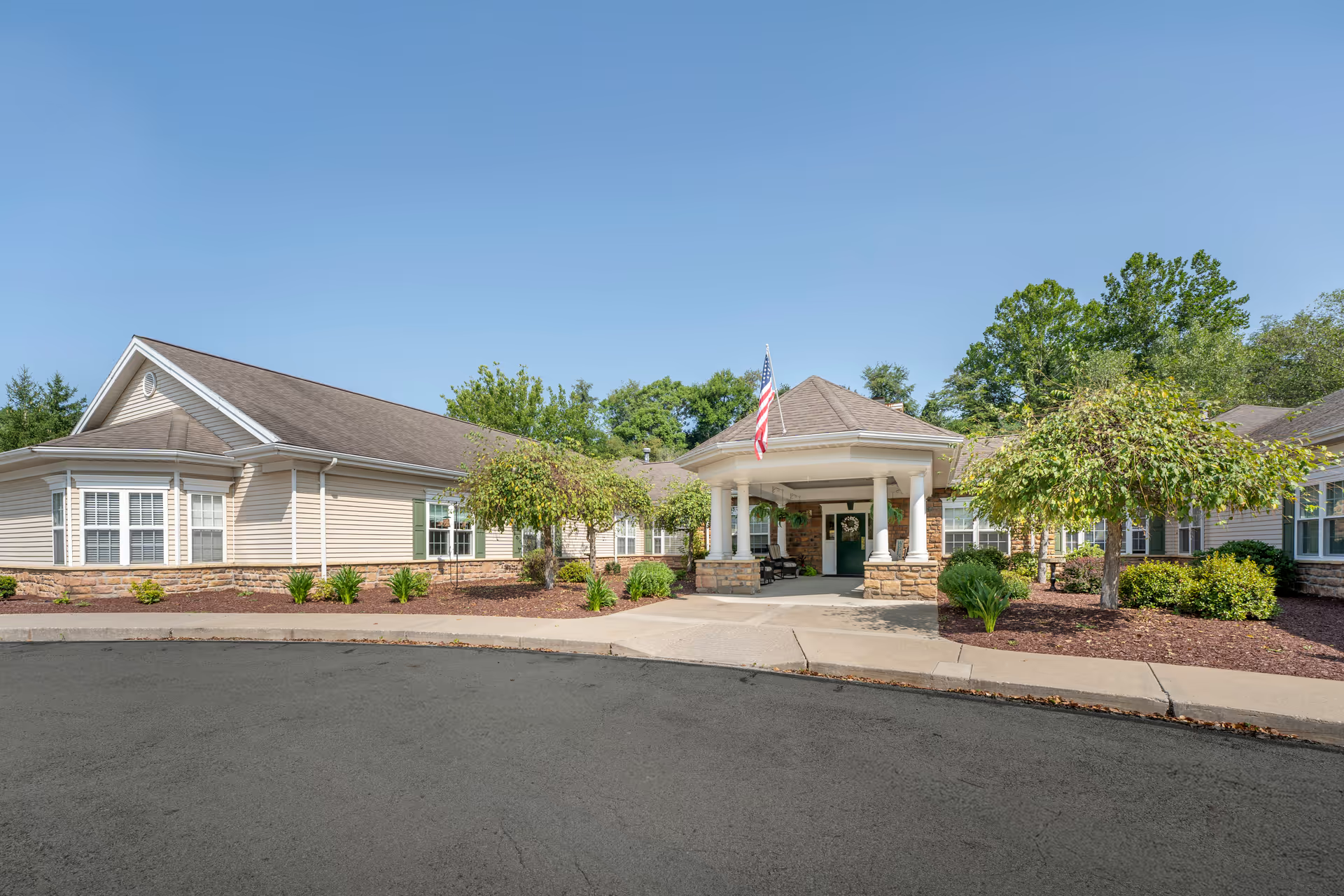
Facility and amenity observations are likewise mixed. The campus is described as generally clean, secure, and well-managed, and many residents appreciate the environment and available amenities. However, reviewers also note maintenance items that need attention—outdated furniture, scuffed or dirty walls that need repainting or repair, and the absence of visitor seating in some rooms. Personal-care scheduling was raised as a concern by some families (for example, limited shower frequency), indicating that routine care practices may not align with every resident’s expectations.
Management and administrative performance shows strengths and weaknesses. Individual staff members receive praise for helpfulness and personalized resident interaction, yet administrative processes such as meal paperwork, documentation, and coordination between departments show inconsistency. The overall cost level was characterized as above average by at least one commentator, paired with the expectation of correspondingly high service standards.
Notable patterns: strong clinical and rehabilitative capabilities combined with variability in ancillary care (aides/agency staff), dining consistency, and facility maintenance. For prospective residents and families, recommended tour questions include staffing mixes (in-house vs. agency), average shower and personal-care schedules, examples of how acute-response and rounding are managed, dining menus and portion policies, and plans for ongoing maintenance or room furnishings. This balanced view indicates a facility that delivers high-quality clinical care for many residents while leaving room for improvement in operational consistency and upkeep.