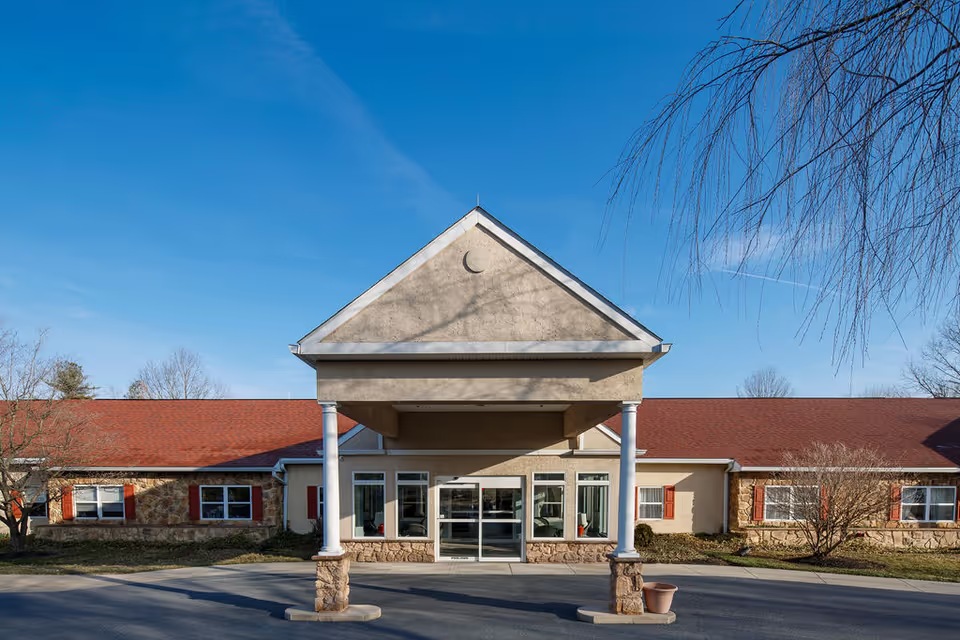
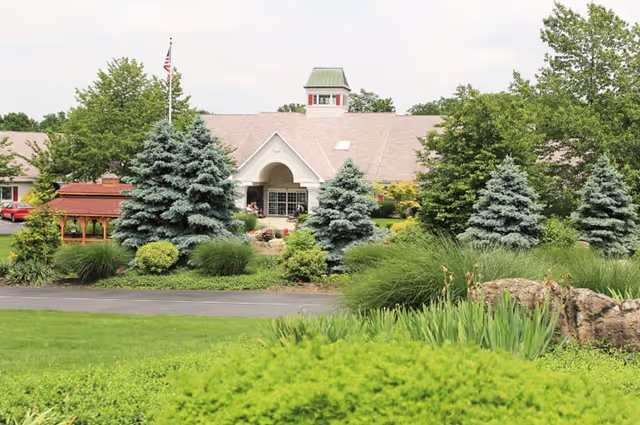
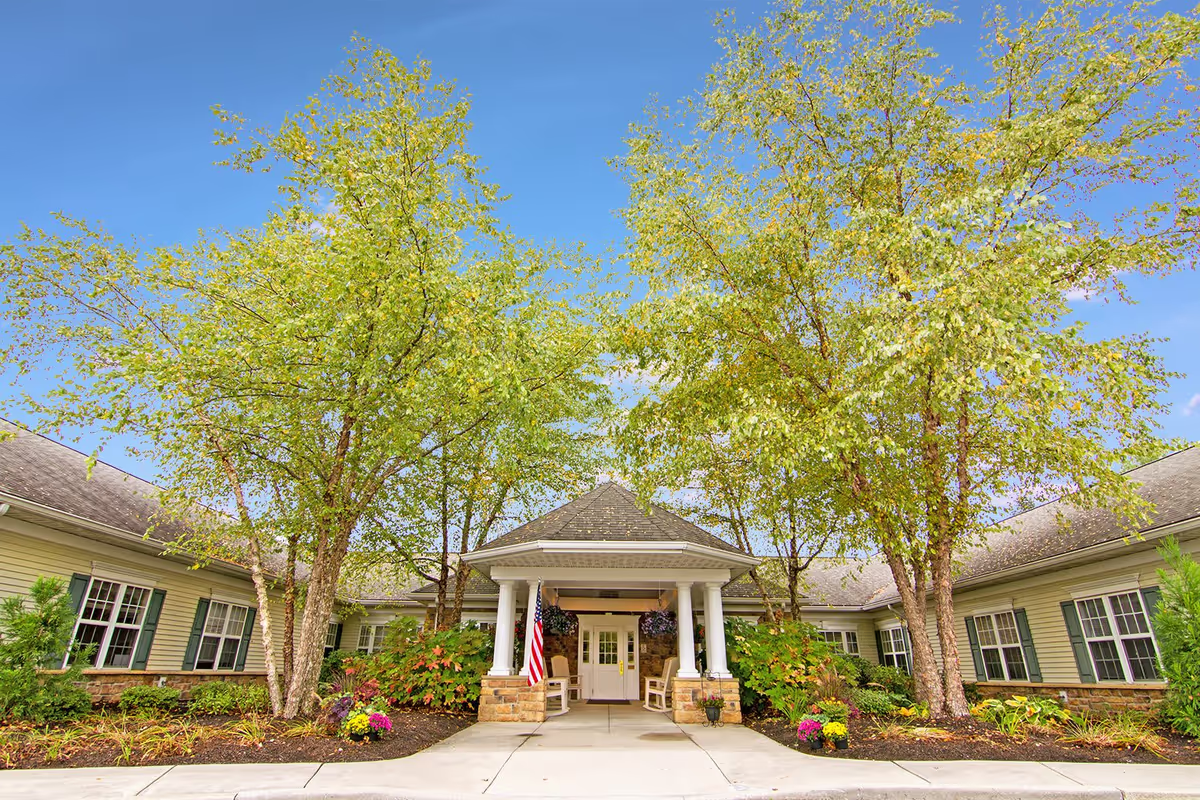
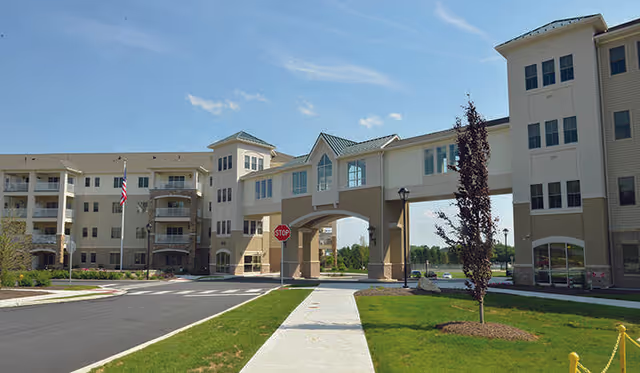
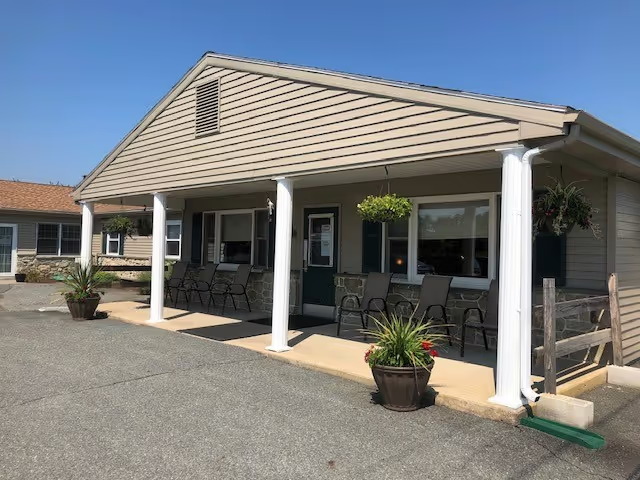
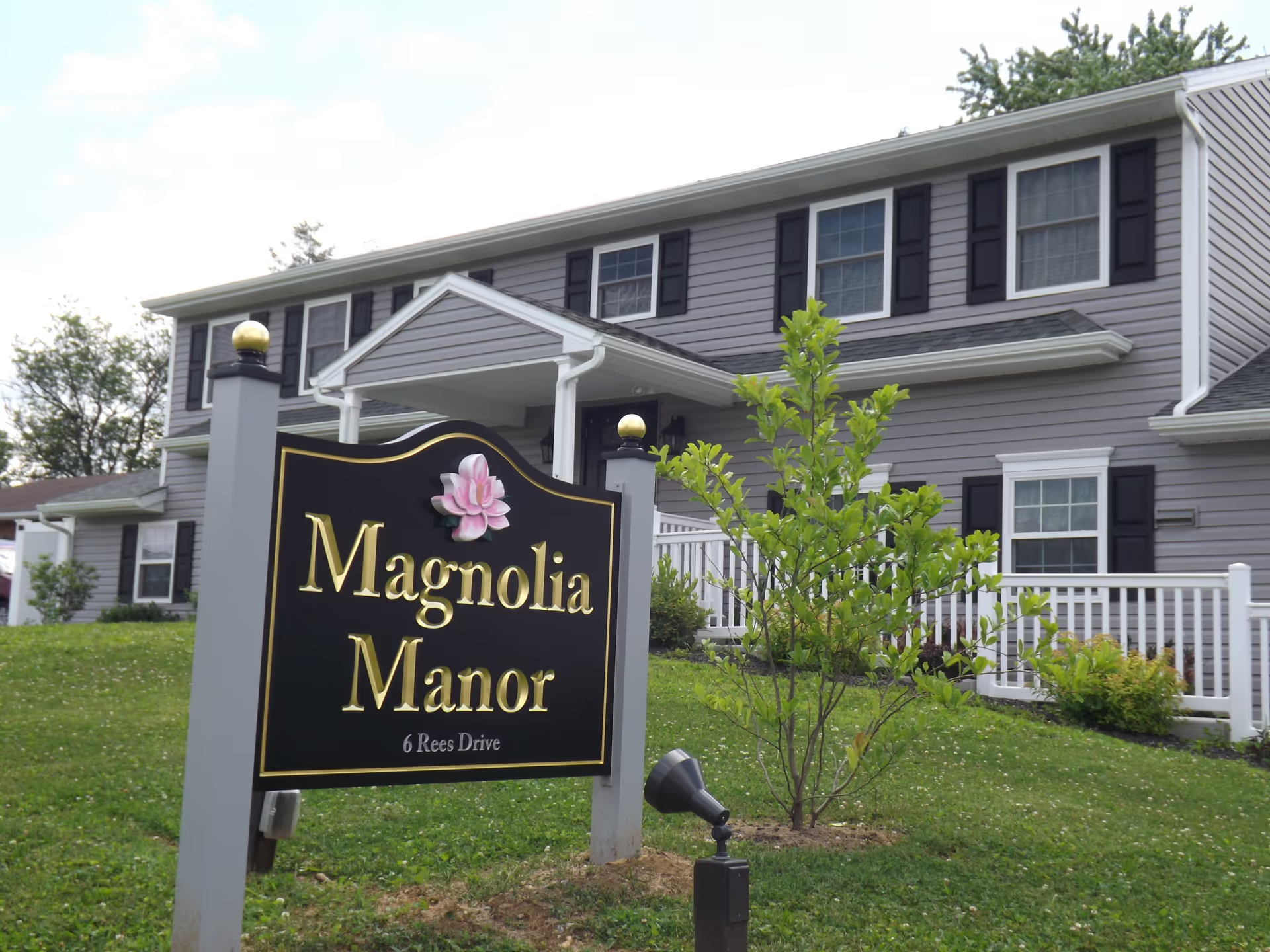
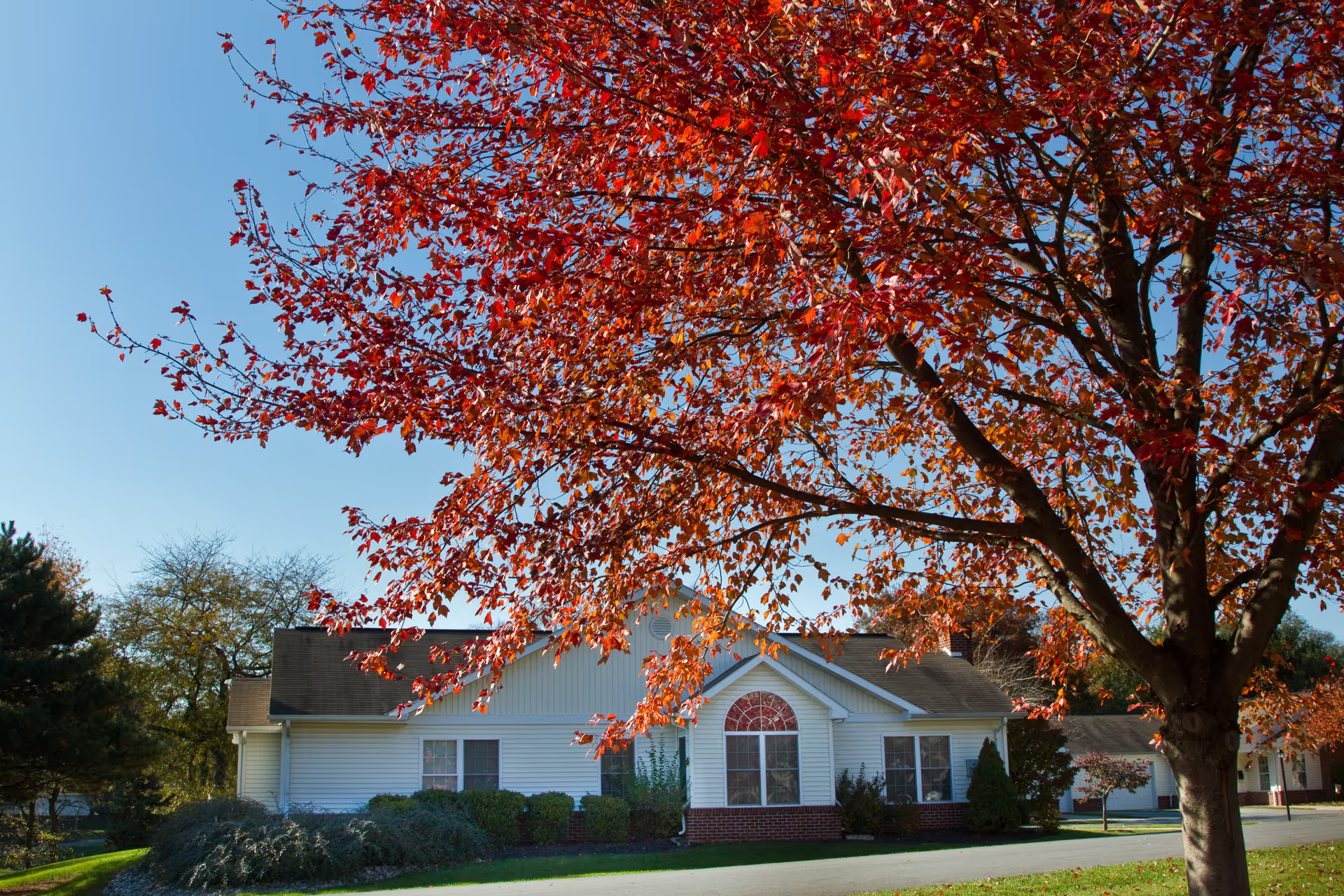
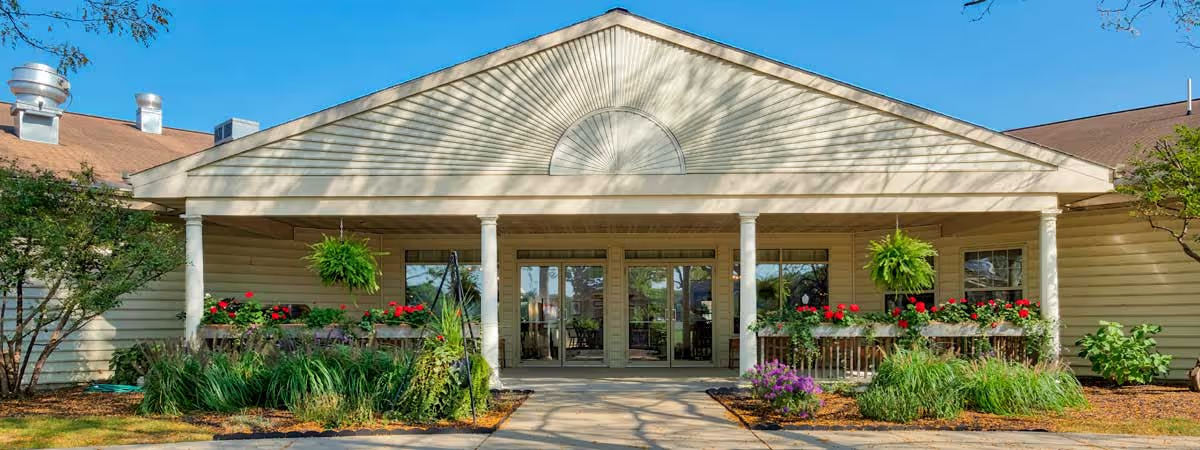
Homestead Village presents a mixed but clear pattern: the campus and community amenities are frequently praised while several operational and clinical concerns recur. The grounds and public spaces are described as attractive and well maintained, with varied housing choices ranging from renovated apartments to cottages, duplexes and farmstead homes. Memory-support units emphasize a home-like environment with private rooms and in-unit cooking/dining areas. Recreational programming is broad — swimming, musical and spiritual activities, trips, lectures and an active therapy department (including a therapeutic pool) are regularly highlighted. Many families and residents commend a family-style culture, compassionate direct-care staff, strong rehabilitation services, and made-to-order dining options at times noted as above average.
Care quality and staffing show a bifurcated picture. Several accounts praise individual caregivers, therapists, and aides for dedication and responsiveness; clinical and therapy services are a cited strength for rehabilitation and short-term stays. At the same time, a consistent theme is constrained staffing in skilled-nursing and personal-care areas, which reviewers link to slower response times, uneven care continuity, and concerns about clinical follow-up after incidents such as falls. A small subset of reviews raises serious, individual incident-level concerns; these are not presented as a systematic pattern across the entire campus but should prompt specific questions about incident-response protocols and family notification practices during a tour.
Dining and hospitality receive mixed feedback. Many reviewers applaud menu variety, made-to-order items, and a strong cafeteria program; others describe periods of declining meal quality or variability when some food services are outsourced. Housekeeping and public-area maintenance generally receive positive remarks, though reviewers note variability in unit condition between older and newly renovated buildings. Accessibility issues that matter for daily life — limited on-campus transportation options, lack of sidewalks in parts of the campus, and some signage/wayfinding problems — are mentioned and may affect residents who depend on program buses or pedestrian access.
Management and admissions communication show both responsiveness and inconsistency. Several families report management that acts on feedback and implements improvements quickly; conversely, there are repeated notes about unclear move-in costs, undisclosed or ambiguously explained extra-care fees, inconsistent tour information, and front-desk responsiveness that varies by shift. The facility has a mandatory cognitive-screening policy and a waitlist/entry restriction structure that some prospects found limiting. Financial assistance and visitor housing are available and have been positively cited.
What to ask and verify on a visit: current skilled-staffing ratios and weekend coverage; written post-fall and incident-response protocols and family-notification procedures; specifics on how higher-acuity or extra-care services are arranged and billed; recent examples of food-service contracts and sample menus; transportation schedules and pedestrian routing on campus; and the condition differences among unit types. Overall, Homestead Village offers strong communal amenities, active programming, and capable therapy/rehab services, but prospective residents and families should seek clear, current answers about staffing, clinical follow-up, pricing transparency, and day-to-day service consistency before committing.