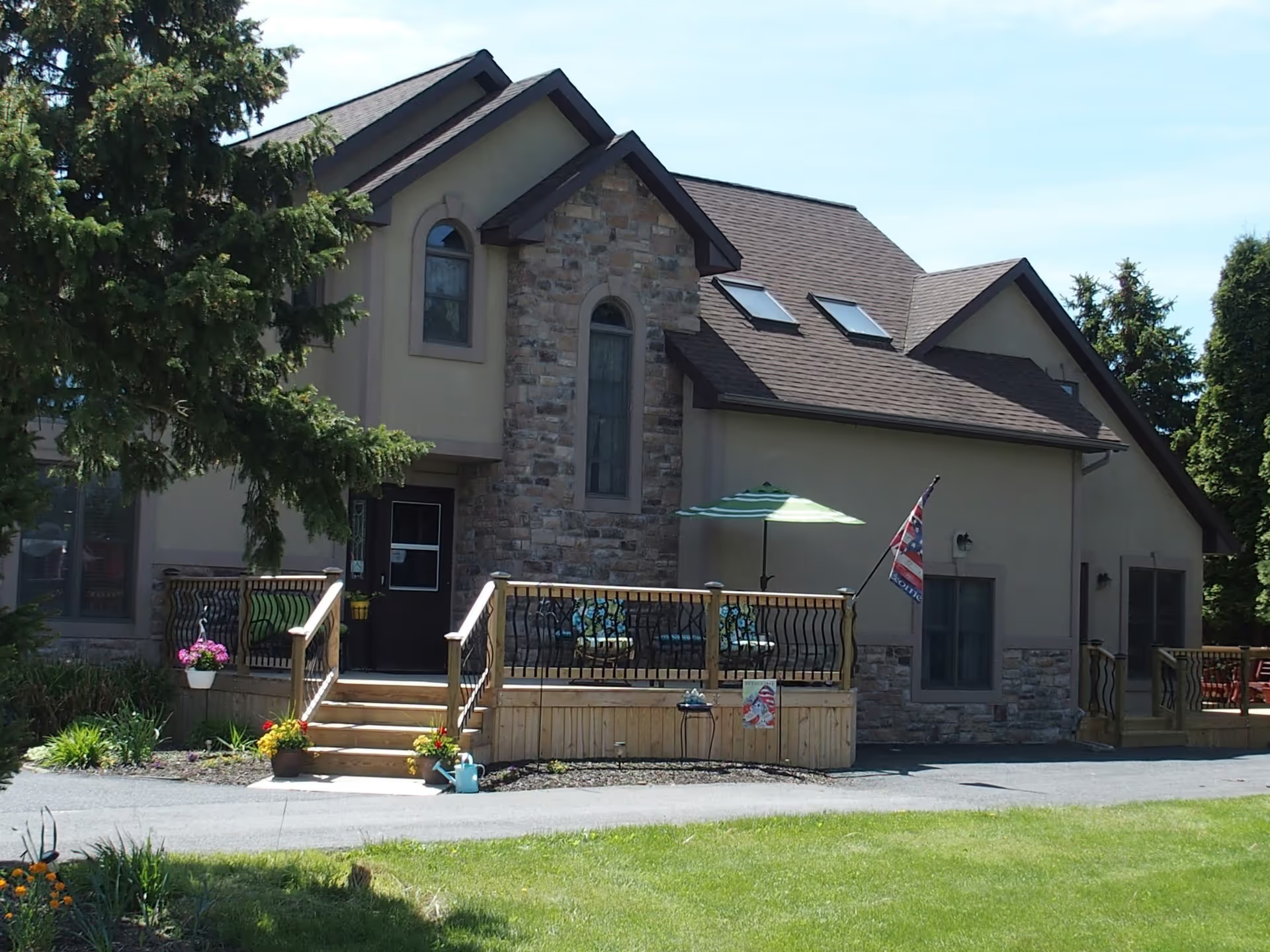
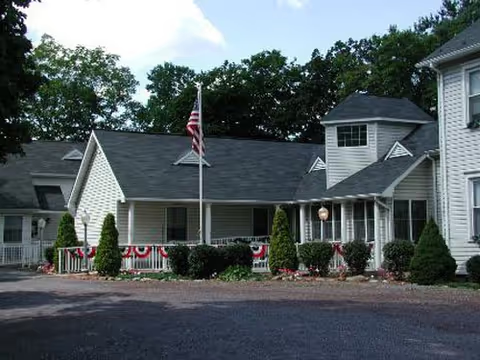
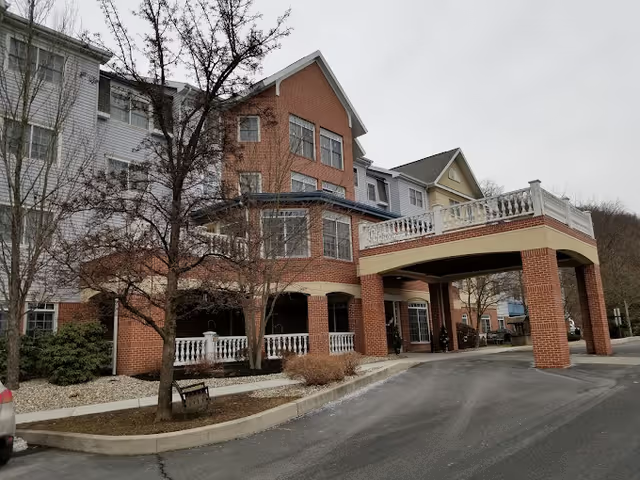
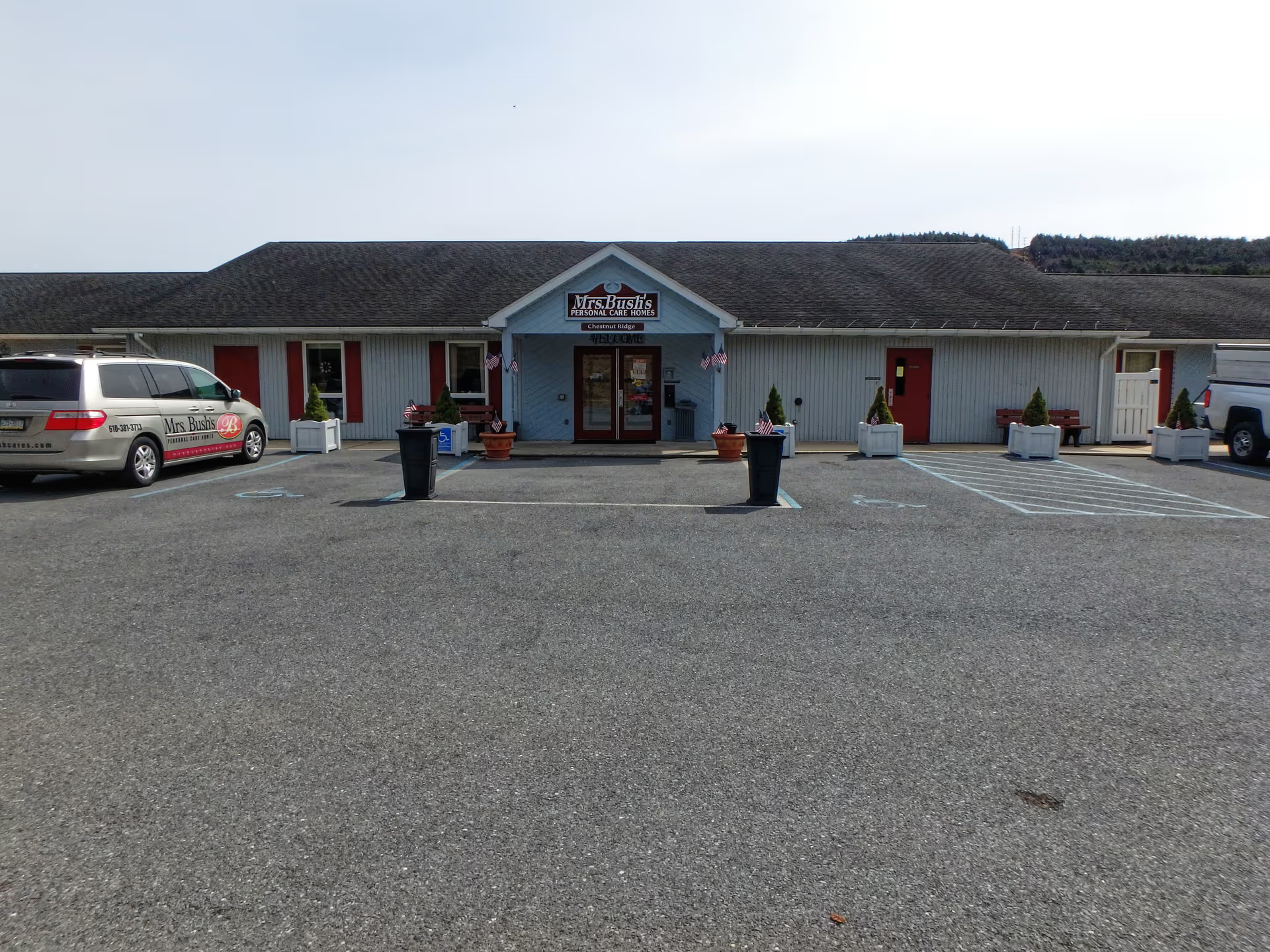
The available reviews for Edgemont Lodge Assisted Living present a mixed picture. Several comments emphasize positive interpersonal aspects of care — staff are described as attentive, friendly, and respectful — and other remarks highlight a clean, attractive presentation of the facility. At the same time, there are strong, opposing comments about sanitation and building condition, and at least one indication that the location may be closed or no longer operating.
Care and staff: Reports of attentive and respectful staff suggest that day-to-day caregiver interactions can be a strength; families who praised the community referenced positive staff–resident rapport and an overall sense that staff were responsive. However, the presence of critical comments about maintenance and cleanliness introduces uncertainty about consistency of care environment and oversight. Prospective families should confirm current staffing levels, turnover rates, and examples of recent staff training when evaluating care quality.
Dining and activities: The review summaries do not provide specific information about dining quality, menu variety, or activity programming. Because these are important components of daily life in assisted living, visitors should request sample menus, activity calendars, and speak with residents or families about participation levels and satisfaction during an in-person visit.
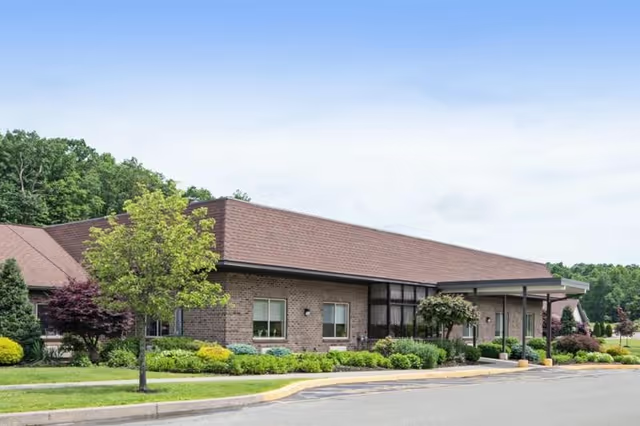
Facilities and maintenance: The facility is described as an older building. Some impressions are that it is nicely presented and well maintained, while others note disrepair and sanitation concerns. This pattern suggests variability over time or between areas of the property. Inspecting multiple resident rooms, common areas, and service spaces during a tour — and asking for documentation of recent maintenance work or capital improvements — will help establish the current physical condition.
Management and notable patterns: The juxtaposition of positive staff comments with serious facility-condition concerns, along with a mention of closure, points to inconsistent operational oversight. That may reflect recent changes in management, ownership, or funding. Prospective residents should verify the facility’s current operating status, review recent inspection reports or citations from the state regulator, and ask about contingency plans for relocation or continuity of care in the event of closure.
Recommendations: Given the mixed signals, an in-person visit is essential. Ask for up-to-date inspection records, staffing ratios and turnover information, examples of maintenance and cleaning schedules, activity and dining details, and written plans that address continuity of care. Contacting the state long-term care ombudsman or regulator for recent inspection findings may also provide objective context for decision-making.