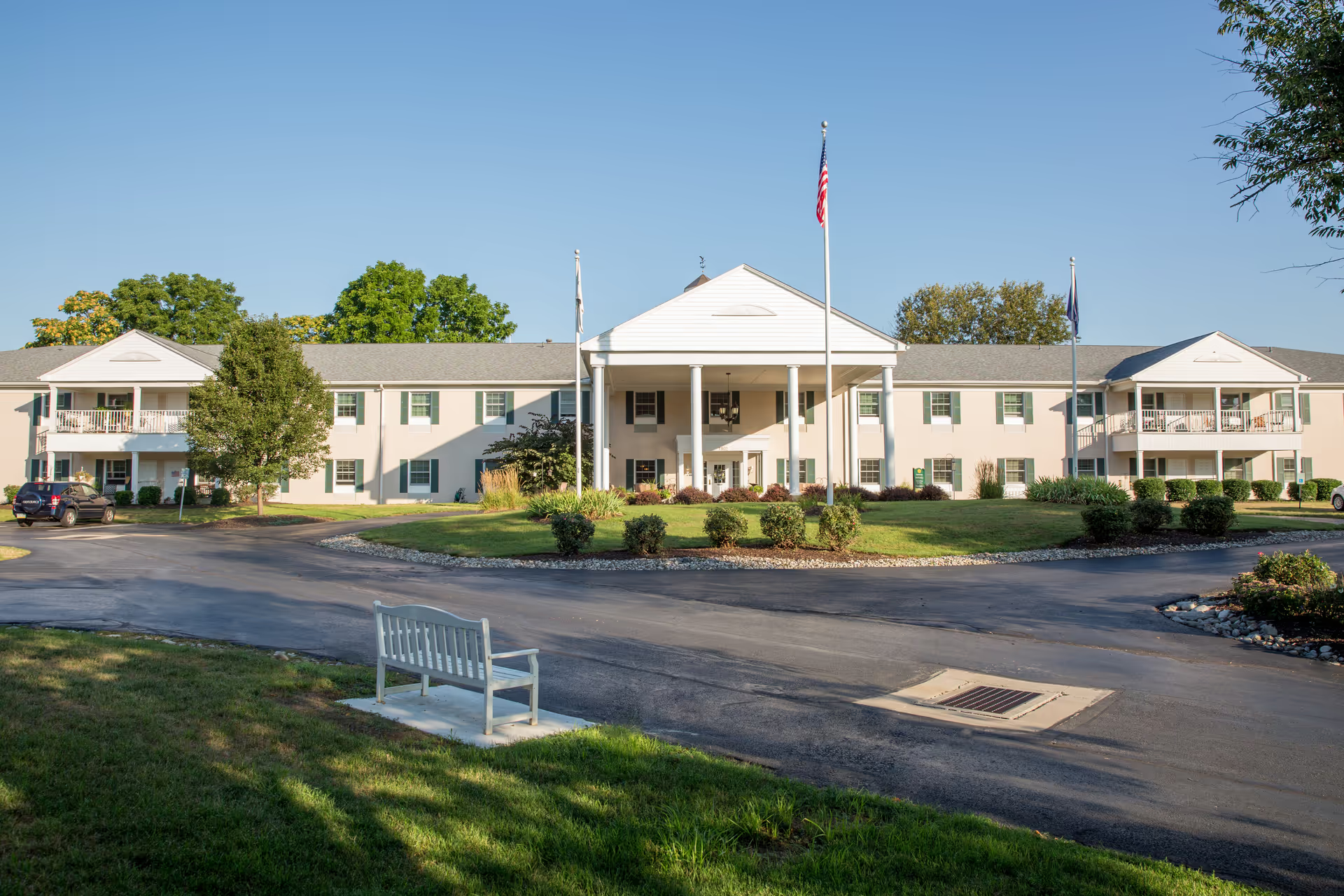
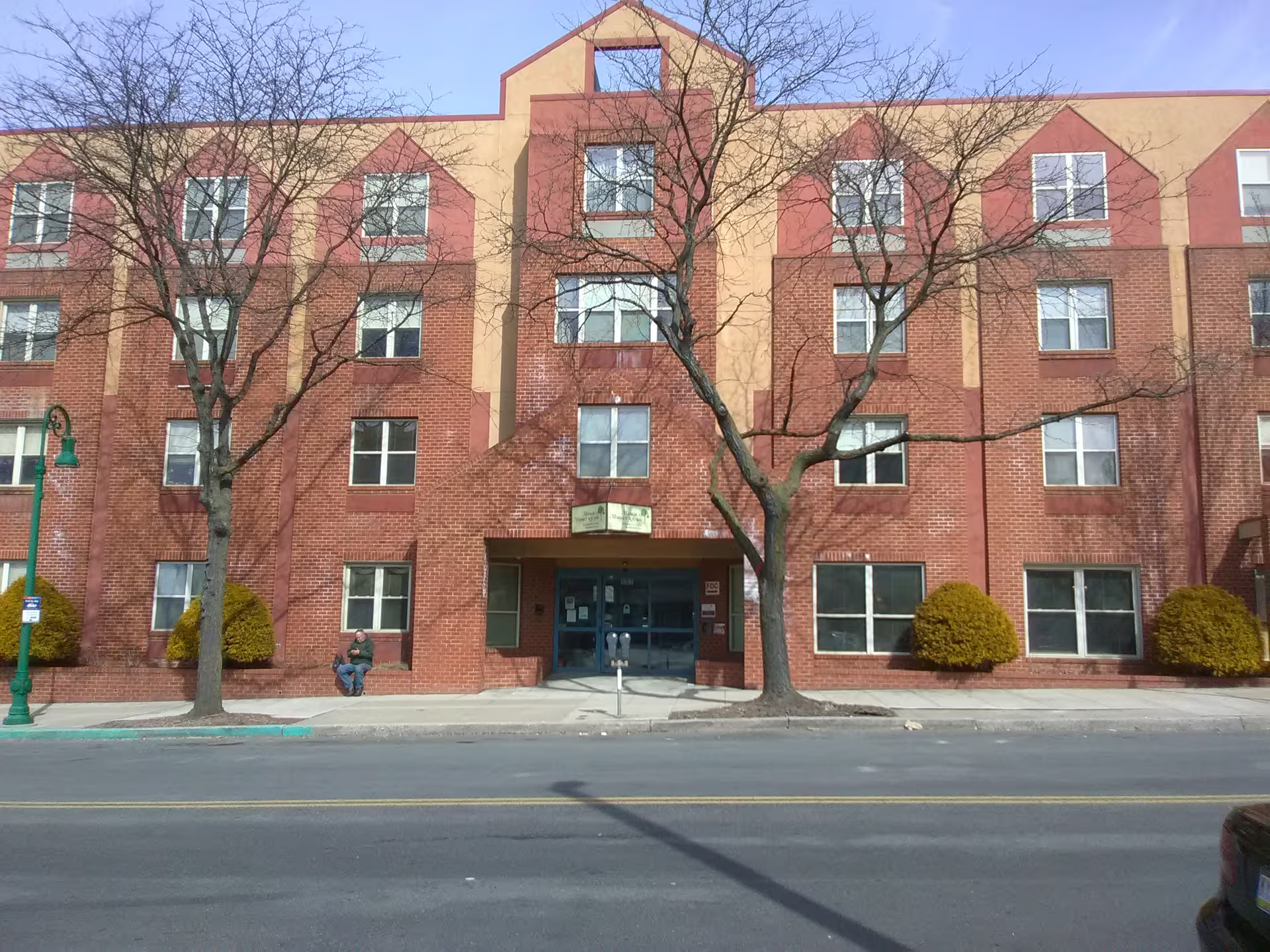
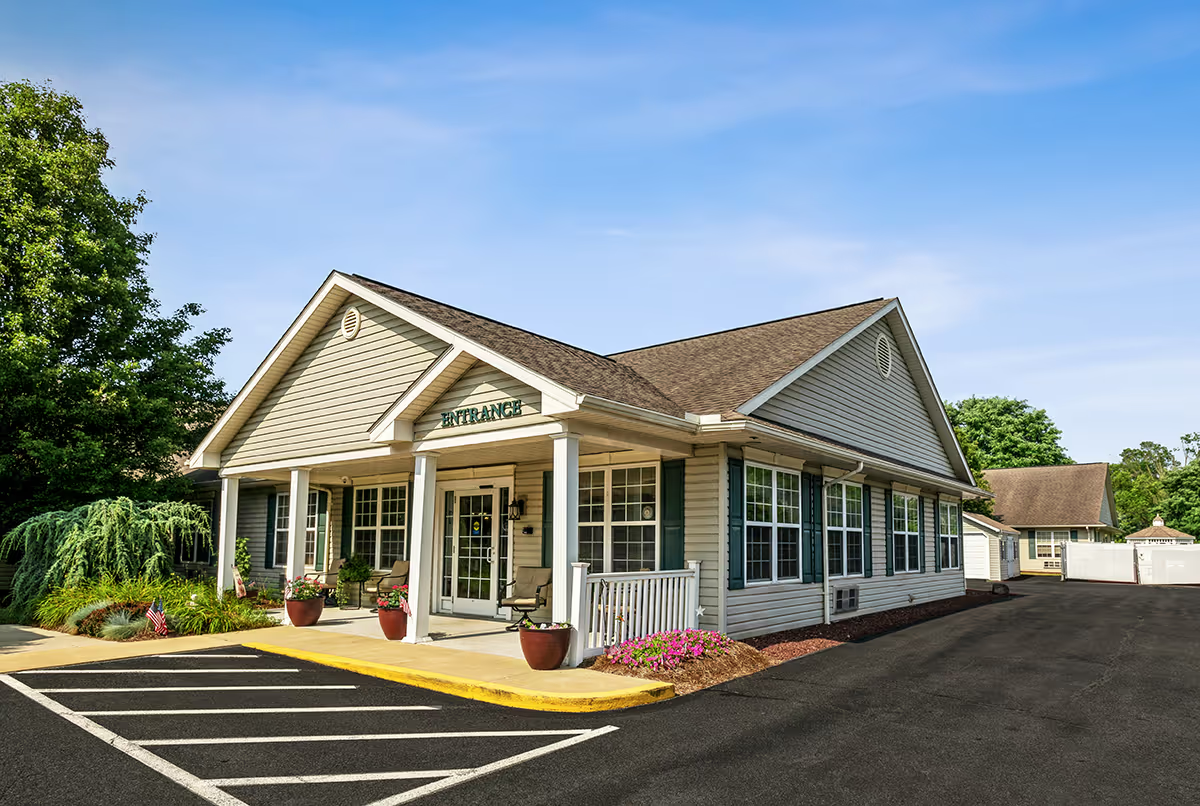
Reviews of Berks Heim Nursing Home present a mixed but patternable picture. Many families and residents praise the facility’s caring bedside staff, strong rehabilitation services, and active programming, while others raise operational concerns that affect day-to-day experience. The facility’s physical plant and grounds are frequently described positively — clean, attractive, and well maintained, with pleasant outdoor space and on-site amenities such as a beauty shop and garden. Several accounts emphasize effective interdisciplinary coordination (therapists, dietitian, social worker, and financial staff) and good short-term rehab outcomes.
Care quality and staff performance are central themes with divergent reports. Numerous reviewers describe attentive, compassionate nurses and aides who provide thorough, 24/7 care, clear communication with families, and support that improves residents’ mood and function, particularly in the memory-care unit. At the same time, there are recurring operational concerns: inconsistent staffing levels and high resident-to-staff ratios contribute to staff feeling overworked, and reviewers describe variability in individual staff conduct and responsiveness. Some families reported delays in notifications about clinical changes and instances that raised concerns about end-of-life communication and clinical follow-up.
Dining and activities receive mixed feedback. A consistent strength is the availability of varied social and recreational programming — Bingo, religious services, puzzles, outings, and other engagement opportunities — which families value. However, meal quality is described inconsistently: some reviews characterize the food as good and appropriately customized for diets, while others describe unsatisfactory meal textures and limited variety. These mixed impressions point to variability in dining execution across shifts or units.
Facility maintenance and daily operations show both positives and weaknesses. Multiple accounts praise overall cleanliness and room condition, but other reports cite sanitation and housekeeping inconsistencies in particular units or at particular times. Practical operational concerns also appear around laundry and personal-item handling, intermittent transport/logistics issues, and front-desk/visitor-entry friction that can complicate family visits. A few reviewers referenced historical constraints in infection-control resources and PPE availability during high-demand periods; this has been raised as a past concern rather than a uniformly current condition.
Management and oversight issues are a notable pattern. Some reviewers describe strong clinical oversight and low turnover in certain teams, while others identify variable physician performance, administrative communication that can feel impersonal, and workplace-morale problems that affect staff behavior. Financial cost is raised by several reviewers as high relative to expectations, even when care quality is otherwise acceptable.
Takeaway: Berks Heim demonstrates clear strengths in its rehabilitative services, engaged activities program, and many instances of compassionate, skilled caregiving within a well-kept campus. Prospective residents and families should weigh those strengths against patterns of inconsistent staffing, variability in dining and housekeeping execution, and occasional lapses in communication and clinical responsiveness. An on-site visit, targeted questions about staffing ratios, clinical handoffs, laundry processes, and family-notification protocols, and conversations with both clinical and administrative leaders can help validate current performance for an individual’s needs.