The reviews present a mixed picture of Greenwood Village Lewistown. Many families and former residents praise the facility’s rehabilitation services, particular therapists, and a number of compassionate frontline caregivers. At the same time, there are frequent concerns about the operational consistency of clinical care, responsiveness, and housekeeping. Prospective residents and families should weigh strong functional-rehabilitation offerings against reports of uneven day-to-day nursing and support-service performance.
Care quality: The facility’s physical and occupational therapy teams are repeatedly cited as a strength; reviewers credit therapy staff with measurable mobility gains and timely follow-up. Conversely, there are recurrent concerns about clinical coordination (care plans, physician consultation, and documentation), inconsistent wound and infection management, and delayed attention to changing clinical needs. Several accounts describe serious clinical complications resulting in hospitalization; these underline the importance of confirming current clinical protocols, staffing ratios, and wound‑care processes during a tour.
Staff and professionalism: Many caregivers and specific staff members receive positive mention for compassion, dignity, and responsiveness. However, reviewers also describe variable staff professionalism, communication tone, and attentiveness. Short staffing and high workload are commonly cited as contributors to delayed assistance, missed or late medication administration, and inconsistent performance during weekends or shift changes. Front‑desk and reception staff are often noted positively, which some families found reassuring.
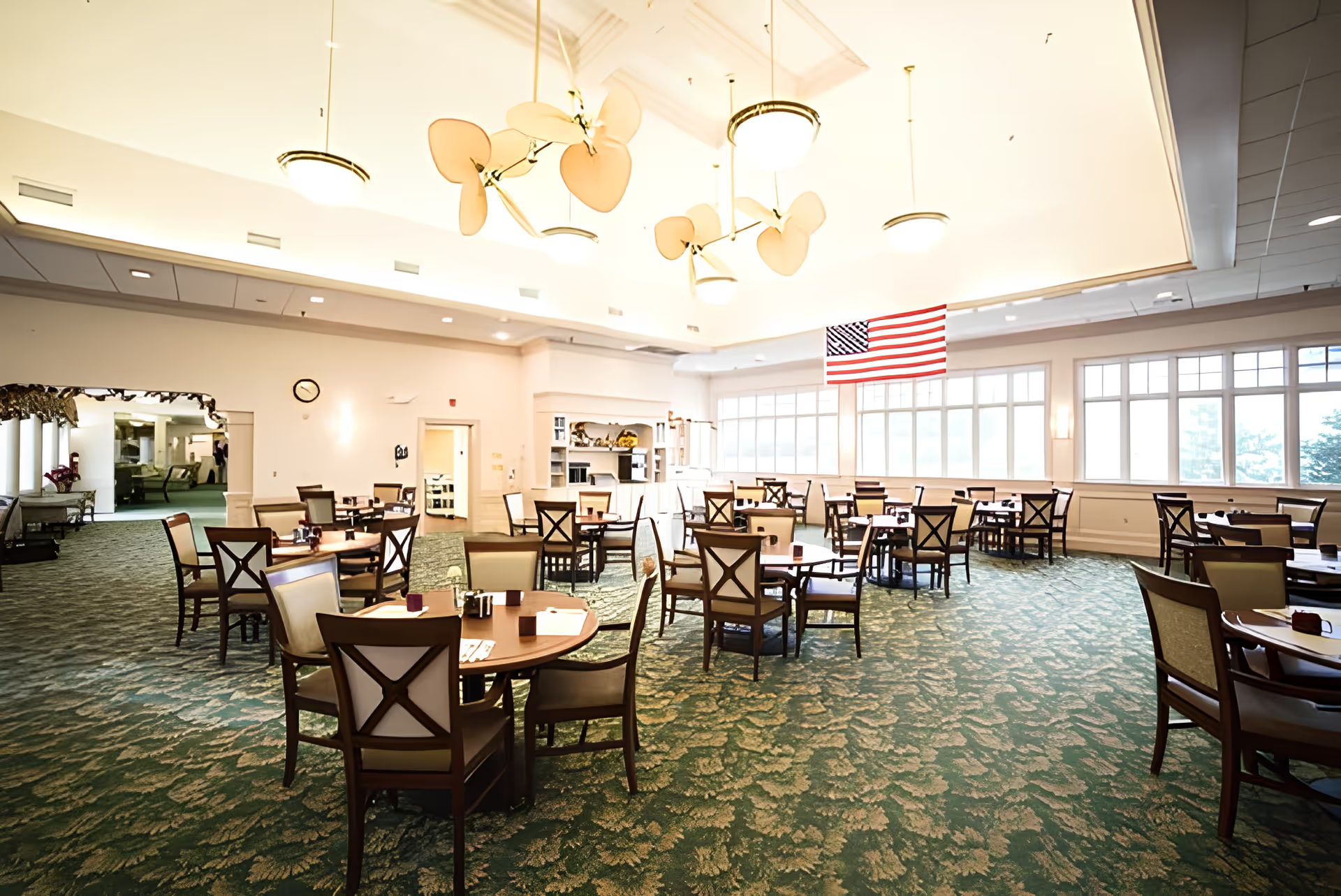
Dining and activities: Meal quality is often described positively, and some reviewers said dining staff provided good support. At the same time, there are operational complaints such as late meal service, food placement issues in corridors, and inconsistent timing. Activity programming appears uneven — some residents experienced meaningful engagement and social contact, while others reported minimal encouragement to participate and limited exercise or stimulation, especially on units with fewer dedicated activity staff.
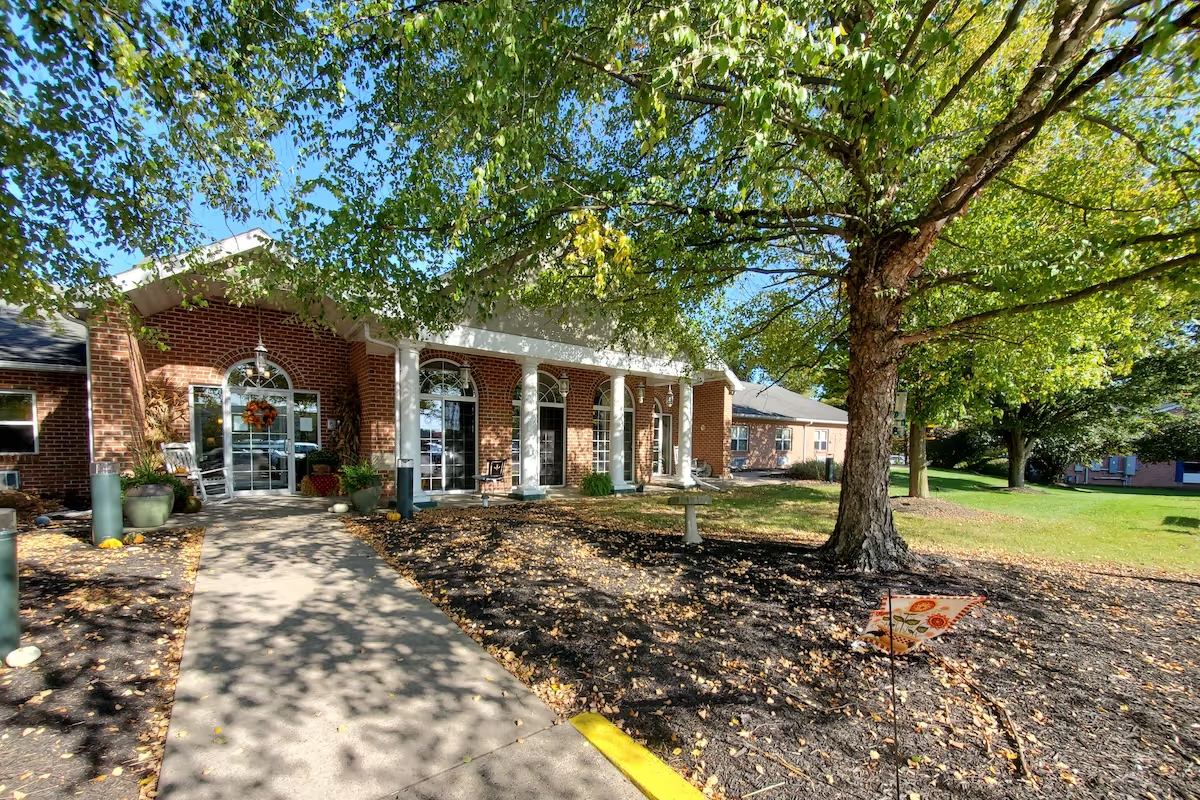
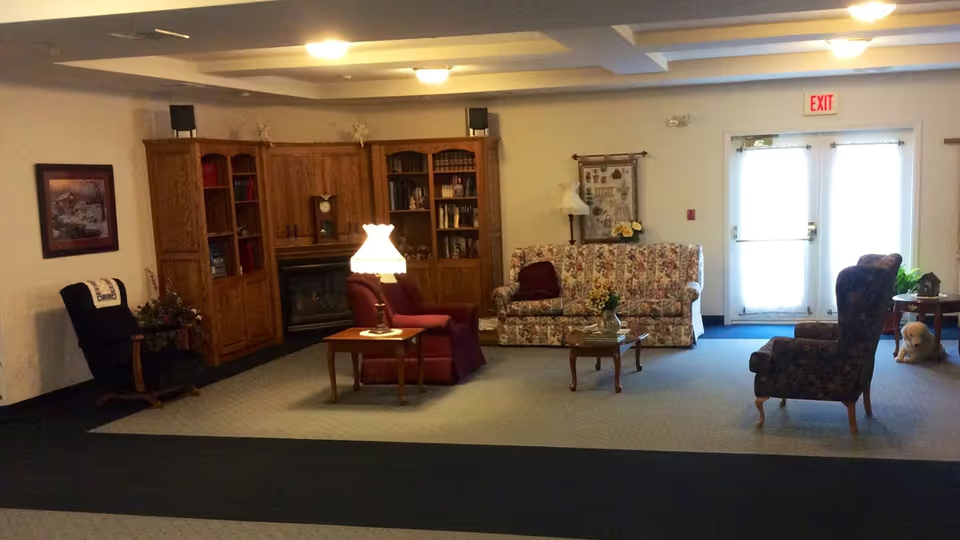
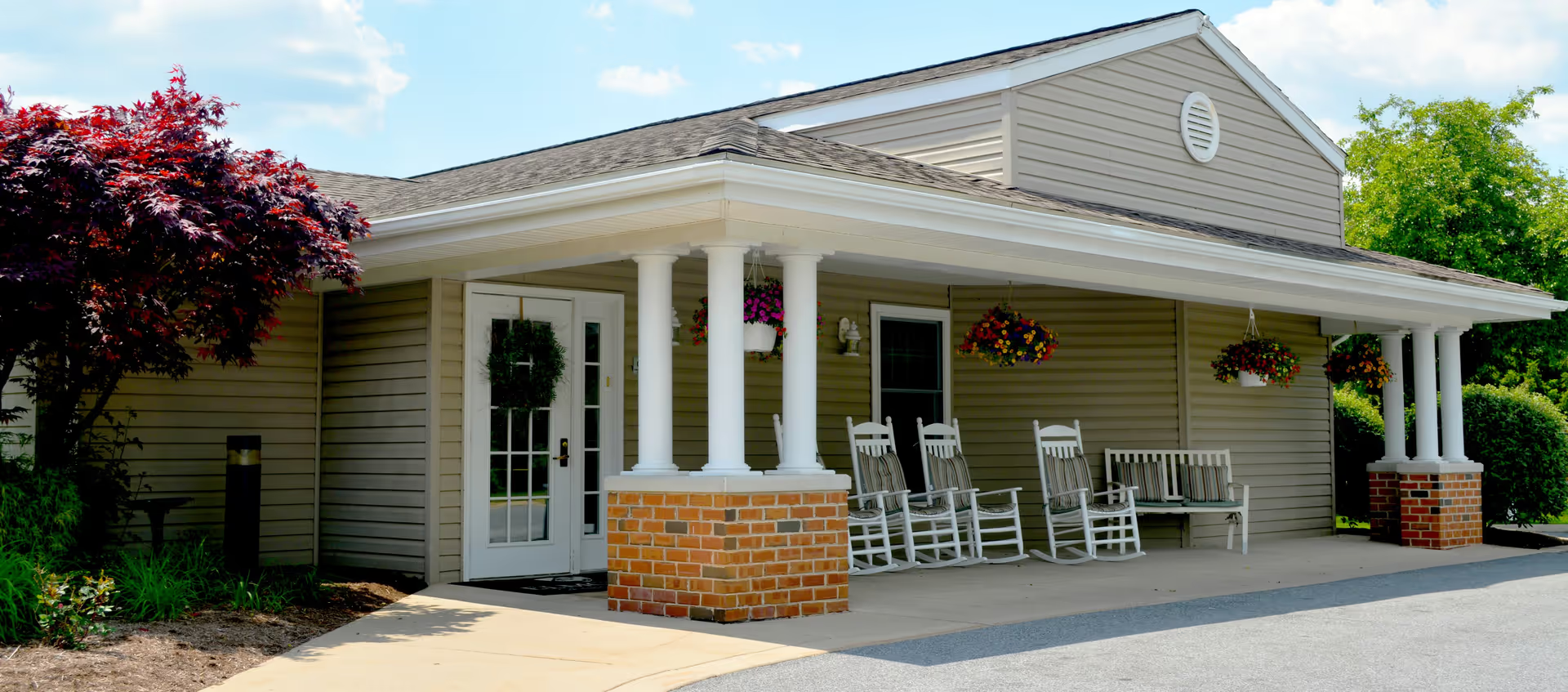
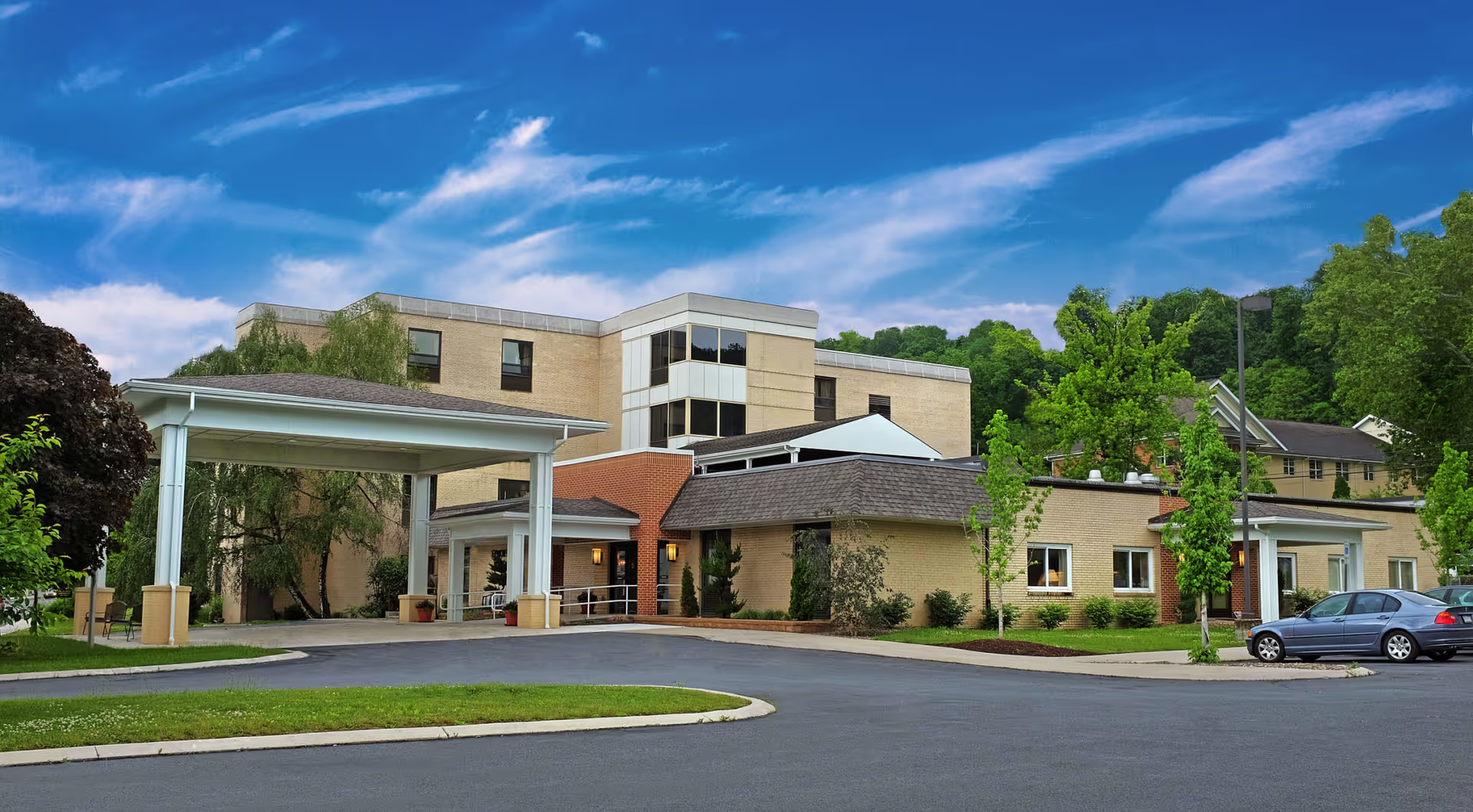
Facilities and housekeeping: Many reviewers described the facility as clean, organized, and quiet, and praised specific nursing supervisors and therapists. Counterbalancing that, there are reports of inconsistent housekeeping coverage (notably on weekends) and localized sanitation concerns in certain areas or shifts. Prospective visitors should inspect both resident rooms and common areas and ask about routine housekeeping schedules and weekend staffing.
Management, communication, and transitions: Family communication experiences vary: some families praised clear, proactive updates from therapists and nursing, while others encountered poor follow‑through from management, delayed discharge coordination, and billing/estate handling issues. A few reviewers escalated concerns to regulatory authorities. Given the variability described, families are advised to ask for written care plans, medication administration procedures, weekend staffing levels, and a clear point of contact for escalation.
Notable patterns and recommendation: The dominant pattern is one of strong rehabilitation capability and several highly committed staff members set against inconsistent operational reliability across nursing, housekeeping, and care coordination. If considering this facility, prioritize an in-person assessment focused on current staffing ratios, wound-care practices, medication management protocols, weekend coverage, activity staffing, and the facility’s process for communicating clinical changes to families. For residents with complex clinical needs, confirm physician involvement, care-plan oversight, and escalation procedures before placement.