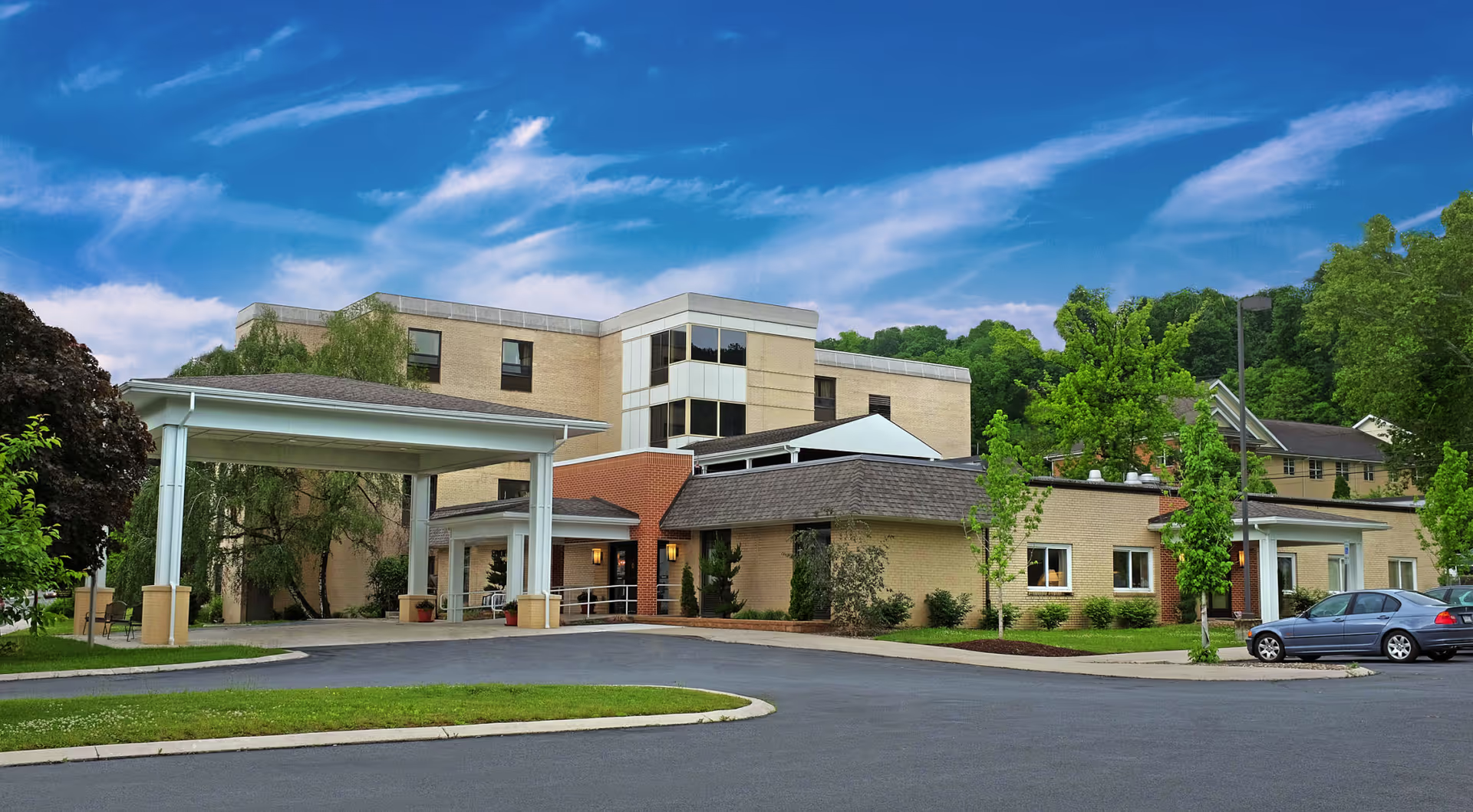
Overall, the reviews portray William Penn Nursing and Rehabilitation as a clean, welcoming facility with many positive accounts of attentive care. Families describe residents as comfortable, safe, and well cared for, including people receiving long-term care and those admitted for rehabilitation, wound care, or IV antibiotic therapy. Reviewers also praise staff for explaining medications and paperwork, helping residents settle in, and supporting recovery. Several accounts describe staff as compassionate and responsive, though a smaller set raises concerns about staff interactions and consistency.
Communication experiences are mixed. Some families say they receive prompt updates when care changes, can call with questions, and have concerns addressed quickly. Others describe difficulty reaching staff by phone, limited communication, or unprofessional interactions in particular areas or shifts. One reviewer also expressed concern about administrative oversight. These contrasting accounts suggest that communication and service may vary, so families may want to ask how to reach the appropriate staff member and what response times to expect. A few reviews also mention possible staffing pressure, particularly during certain shifts.
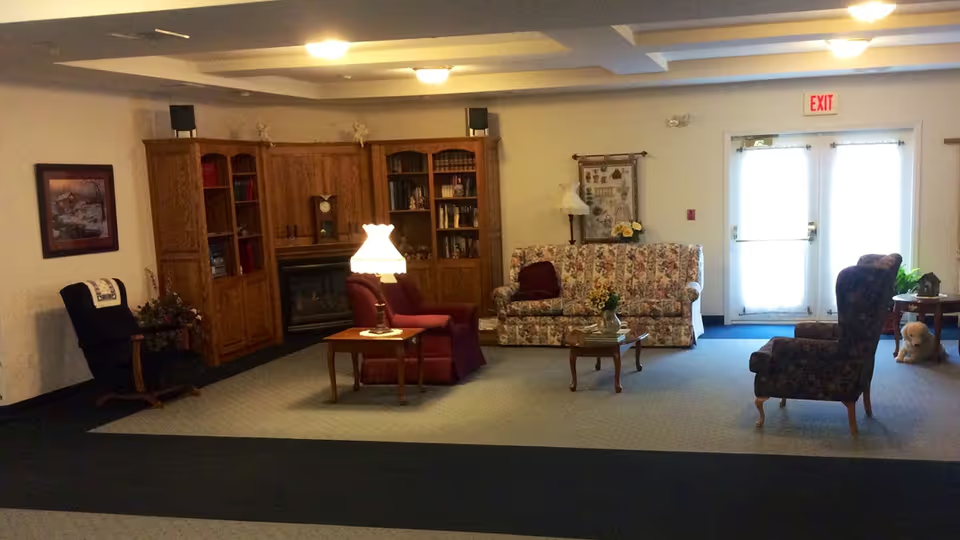
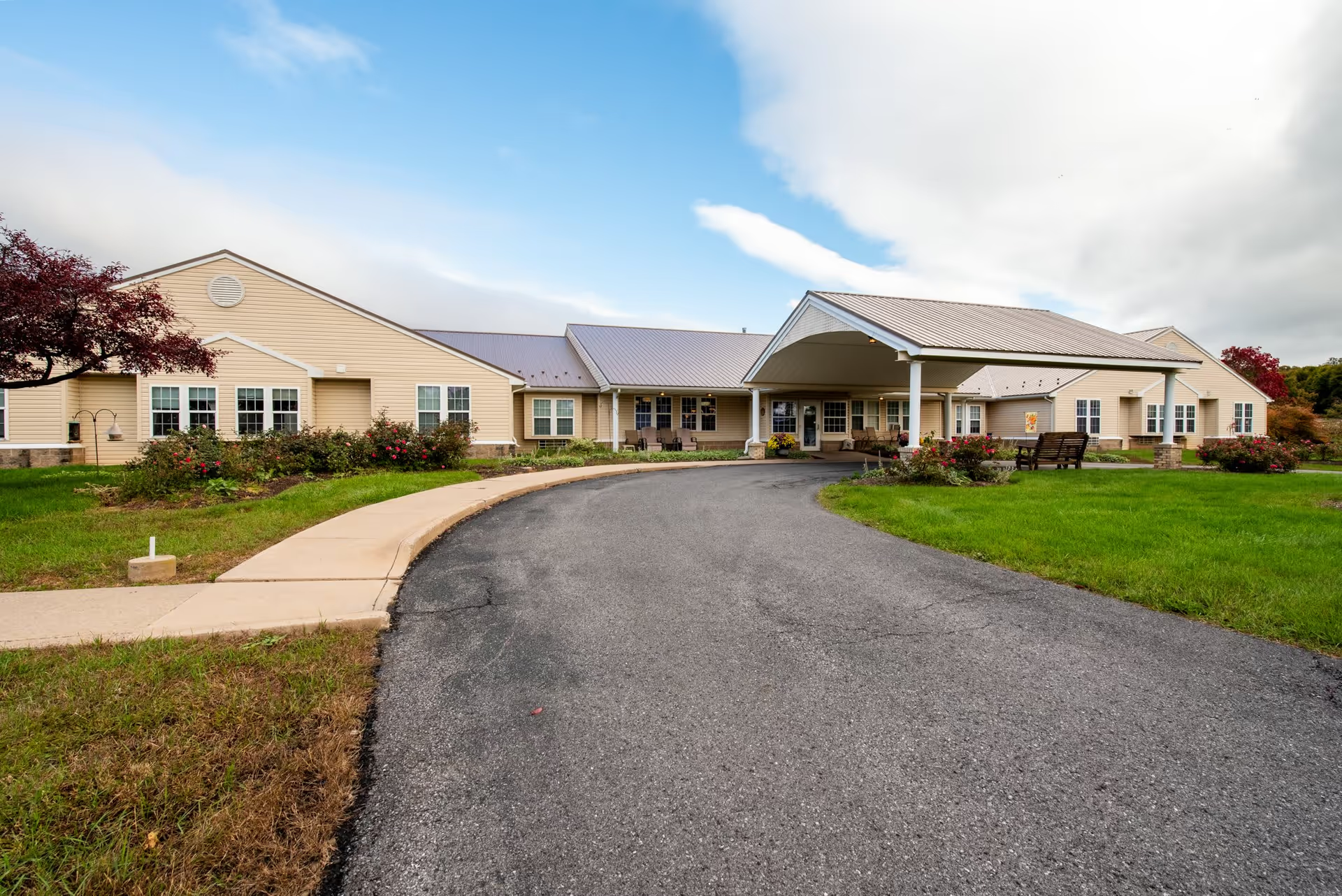
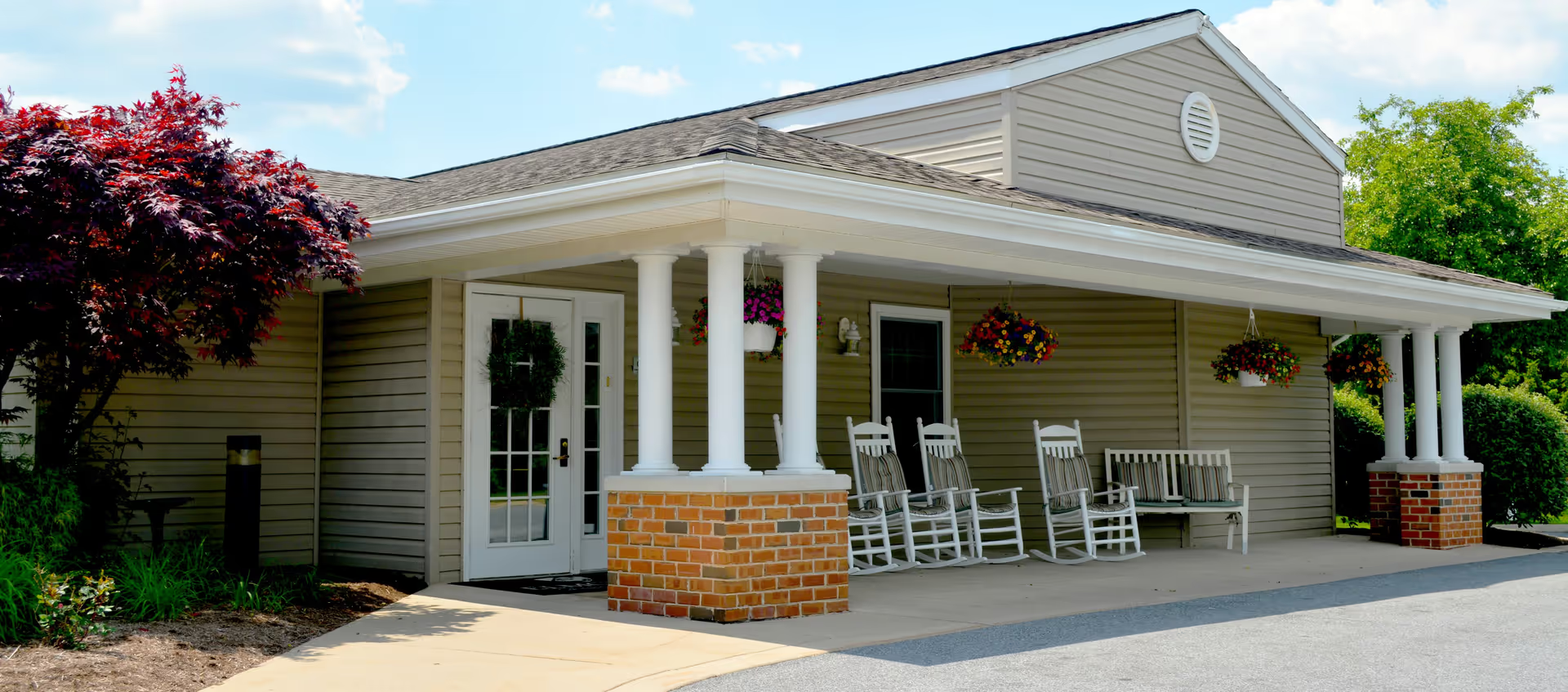
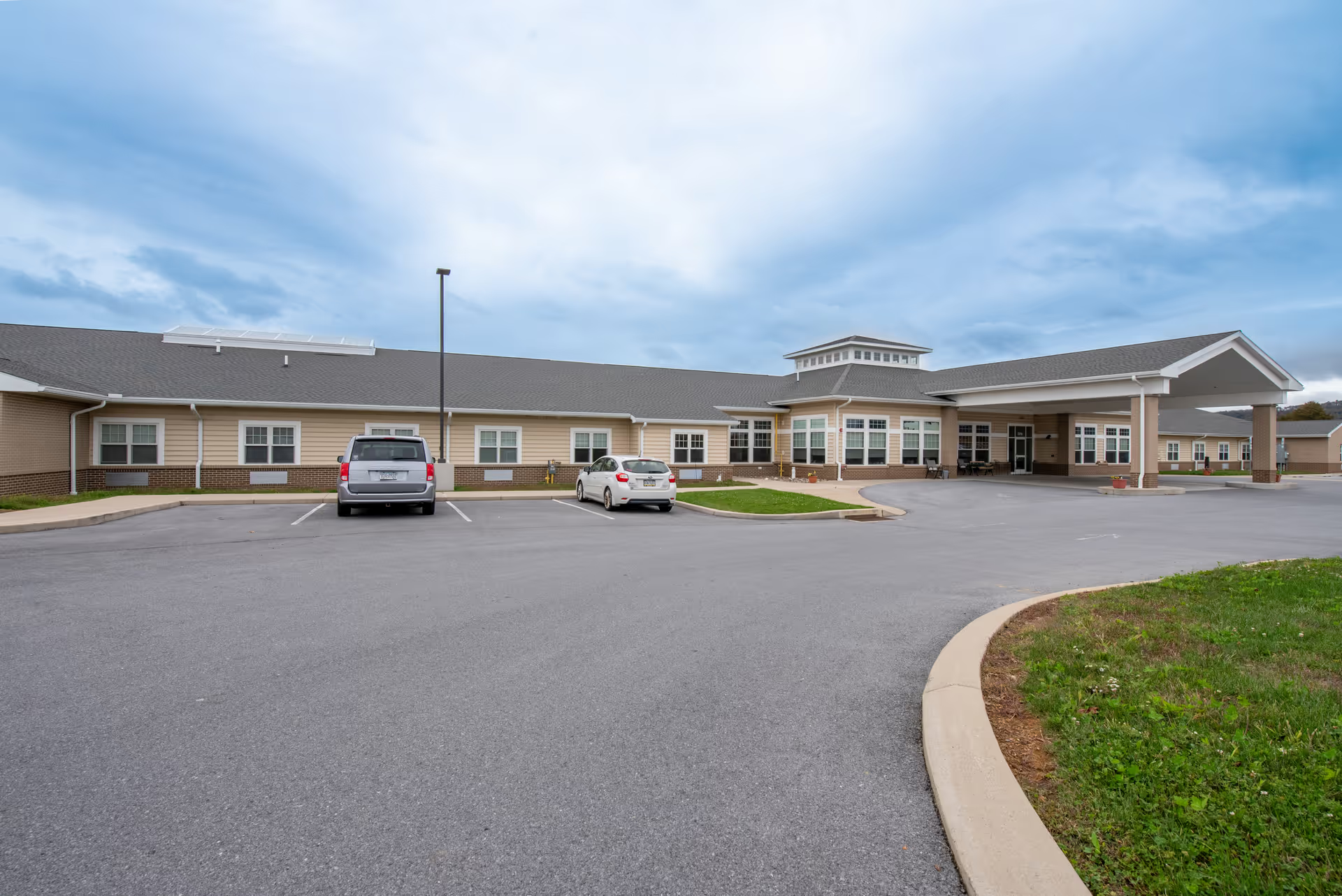
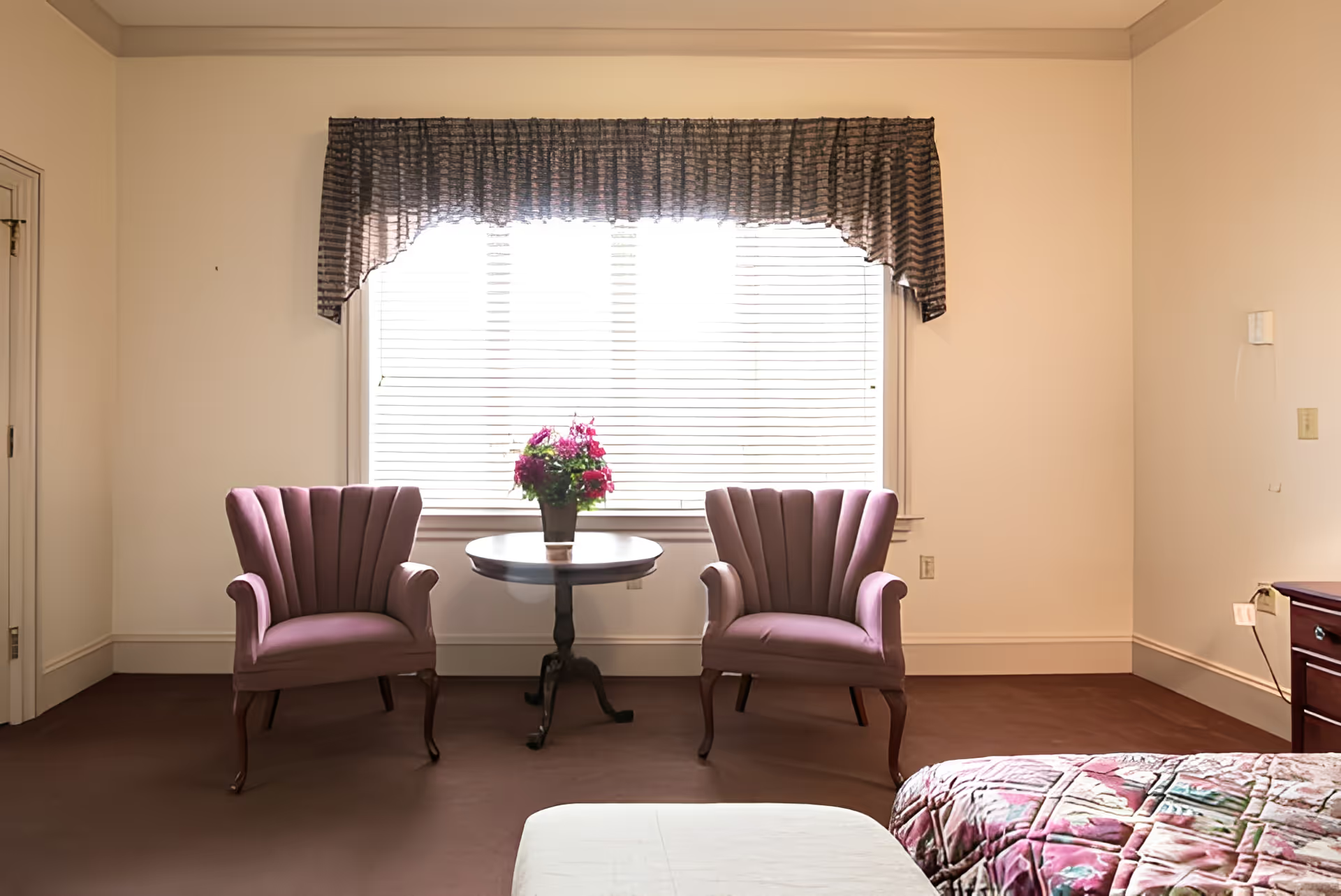
Cleanliness and the physical environment are consistent strengths in the feedback. Visitors commonly describe the facility and resident rooms as clean, orderly, and pleasant, with a cheerful atmosphere, garden courtyard, and spaces for activities. Reviewers also note helpful visitor check-in and staff assistance with directions. One visitor found a shared room somewhat small. Dining feedback is mixed: some families praise meals, while another describes the food as bland and repetitive; a later review reports improvement after a chef change. Activities are mentioned positively, although the reviews provide limited detail about their frequency or range.
Many visitors, family members, current or former residents, and care professionals offer favorable impressions, including praise for rehabilitation services and the welcoming atmosphere. There are also individual accounts of distress related to staff interactions and resident-to-resident dynamics. Taken together, the feedback is strongly positive overall but points to areas families may wish to explore directly: communication procedures, staffing across shifts, how concerns are handled, room arrangements, and current dining options.