Reviews present a mix of positive experiences and significant operational concerns. Many families and residents praised the facility's rehabilitative capabilities and direct care: physical, occupational, and speech therapy are cited as strengths, and numerous accounts describe effective short-term rehab outcomes. Nursing and caregiving staff receive frequent recognition for compassionate, attentive interactions, supportive end-of-life care, and routine housekeeping. Admissions and administrative staff are also noted for facilitating transitions and resolving billing or insurance issues.
At the same time, a consistent pattern of operational weaknesses emerges. Staffing levels and staff continuity are described as inconsistent, which reviewers link to long call-bell response times, delays in medication and pain management, and periods when residents were left waiting for assistance. Several accounts describe variability in staff conduct and communication tone; while many caregivers were described as kind and professional, others were described as disengaged or disrespectful, producing a mixed experience depending on shift and personnel. There are also specific safety-related concerns that point to gaps in training and protocols for transfers and mobility assistance.
Infection-control practices and clinical oversight are another area of concern. Some families reported inconsistent use of personal protective equipment and limited precautionary measures during contagious outbreaks, and broader comments suggest gaps in clinical oversight and proactive care planning. These operational weaknesses were sometimes framed as consequences of management or resource constraints, with families perceiving that administrative priorities and oversight did not always sustain consistent bedside care.
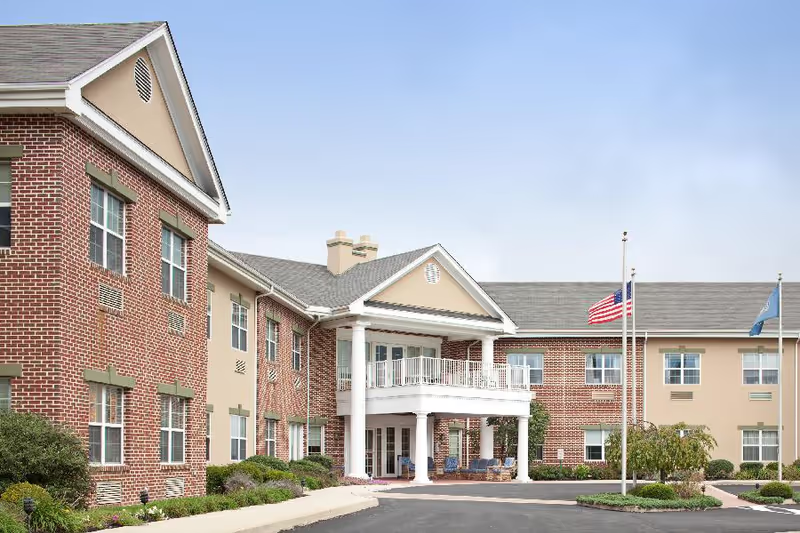
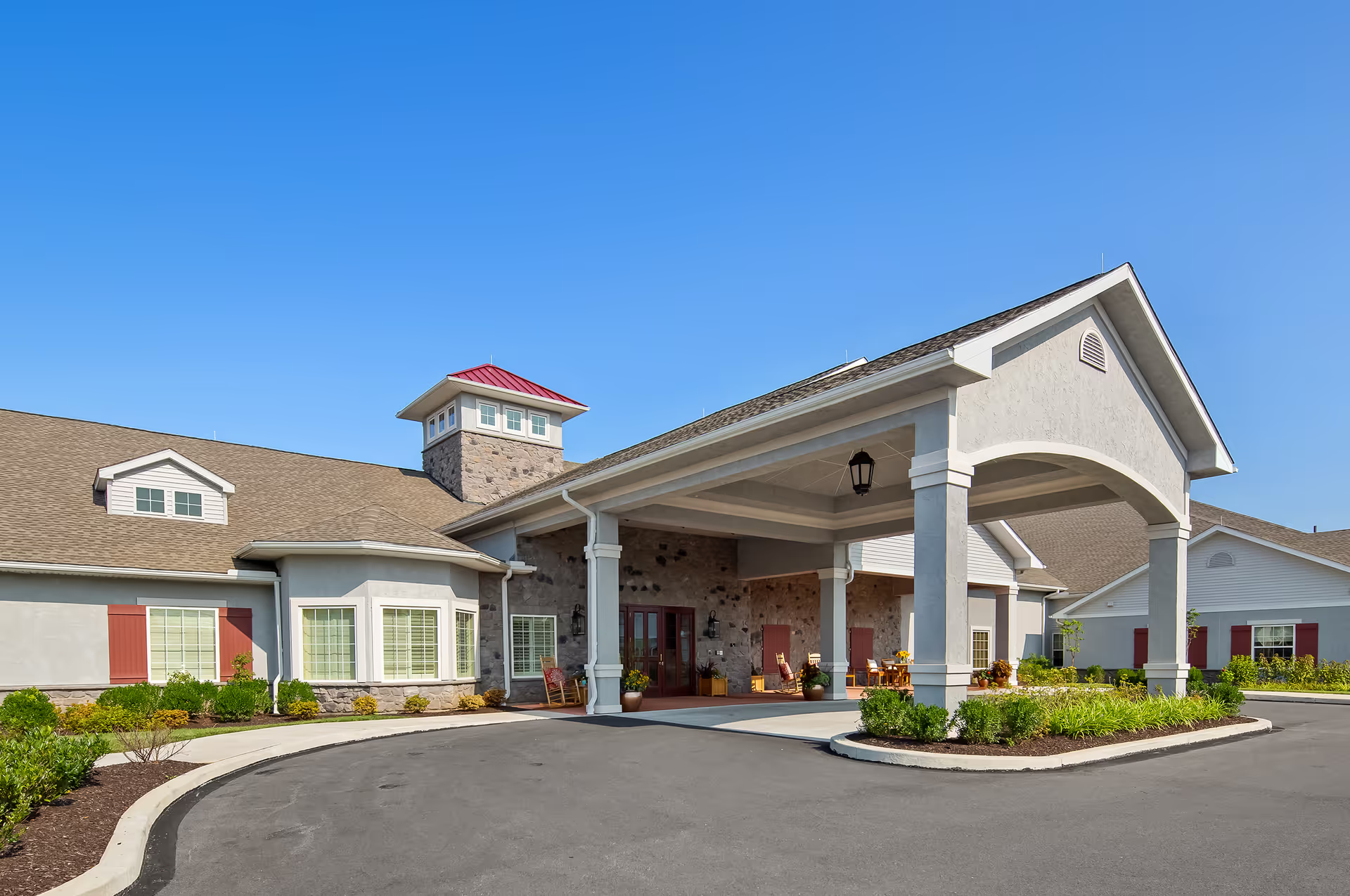
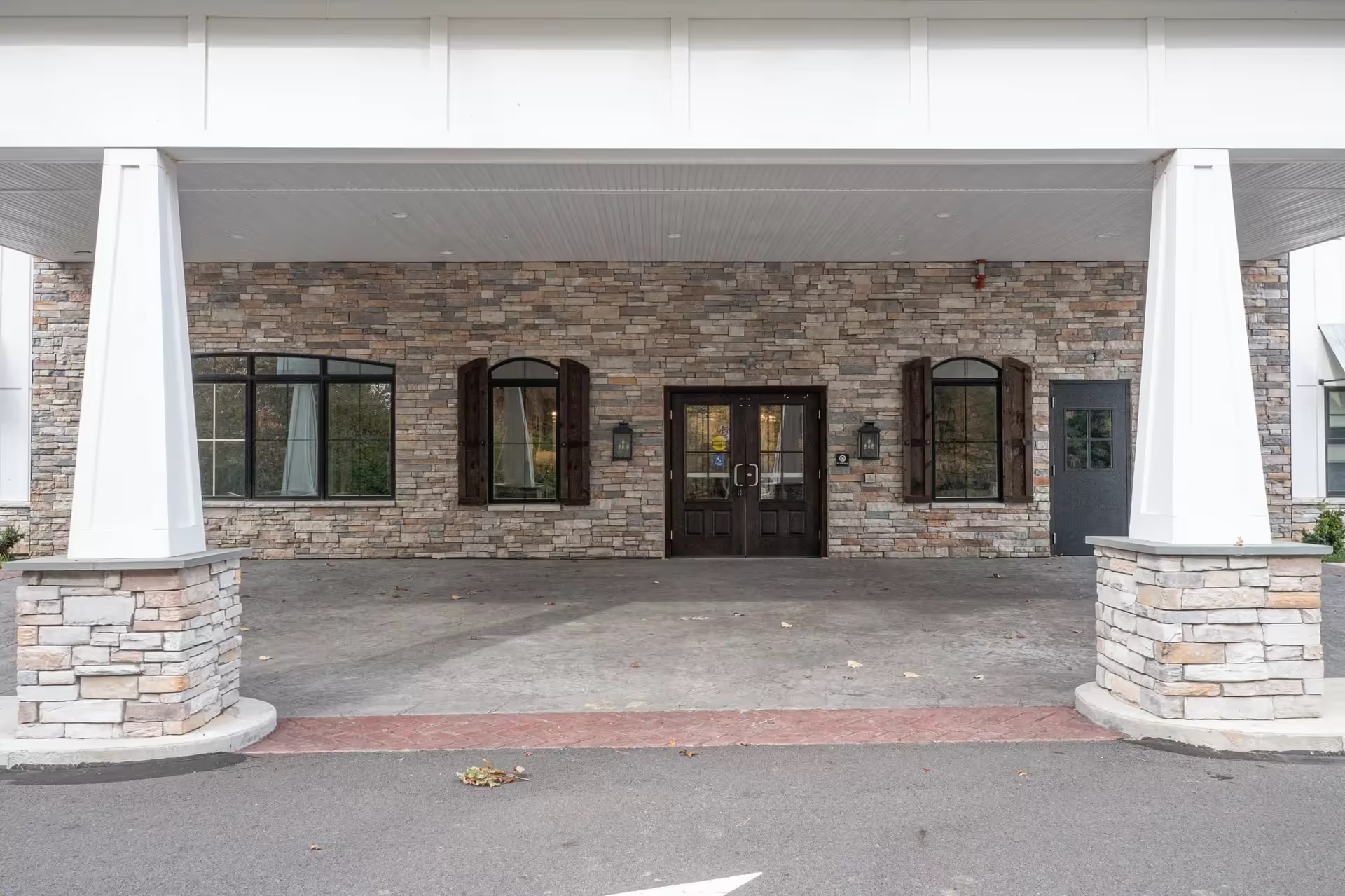
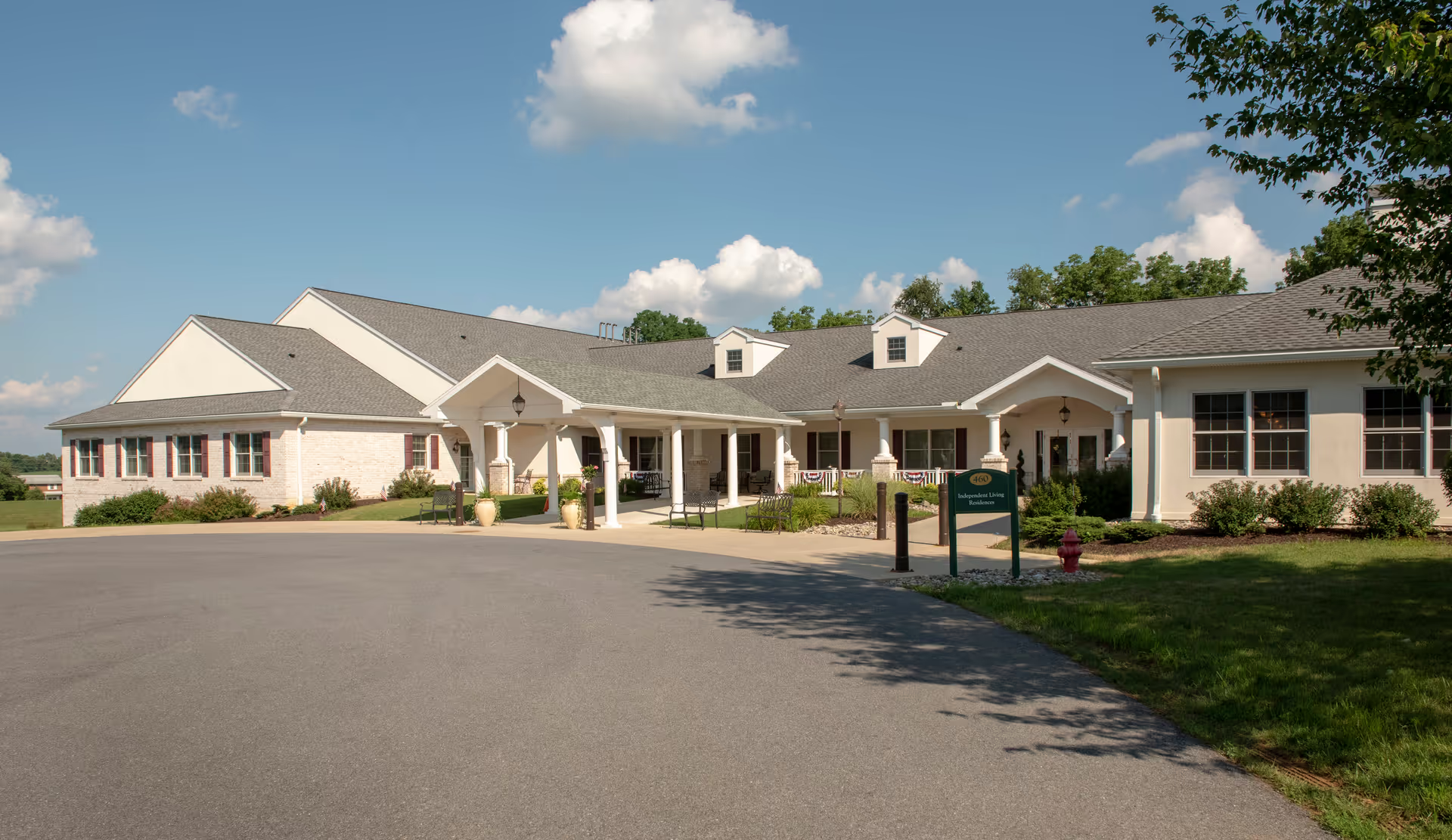
Dining, activities, and facilities elicit mixed feedback. Many reviewers described meals that were flavorful and adapted to resident preferences, good table service, and well-managed dining areas; others noted inconsistencies in freshness and a reliance on prepared/canned items. Activity programming and social engagement were praised in some accounts but described as limited or inconsistent in others. The physical plant is characterized as clean and orderly in common areas, with daily housekeeping, but reviewers also described an aging, somewhat cramped building with small rooms and dated decor.
Overall, the facility appears to deliver strong rehabilitative services and benefits from many caring frontline staff, while also showing operational vulnerabilities that affect consistency of care. Prospective residents and families should weigh the strengths in therapy and individual caregiver relationships against concerns about staffing stability, timely clinical response, transfer safety practices, infection-control consistency, and the need for infrastructure updates. A focused visit that assesses current staffing levels, response-time expectations, transfer protocols, infection-control policies, and family communication practices is advisable before making a placement decision.