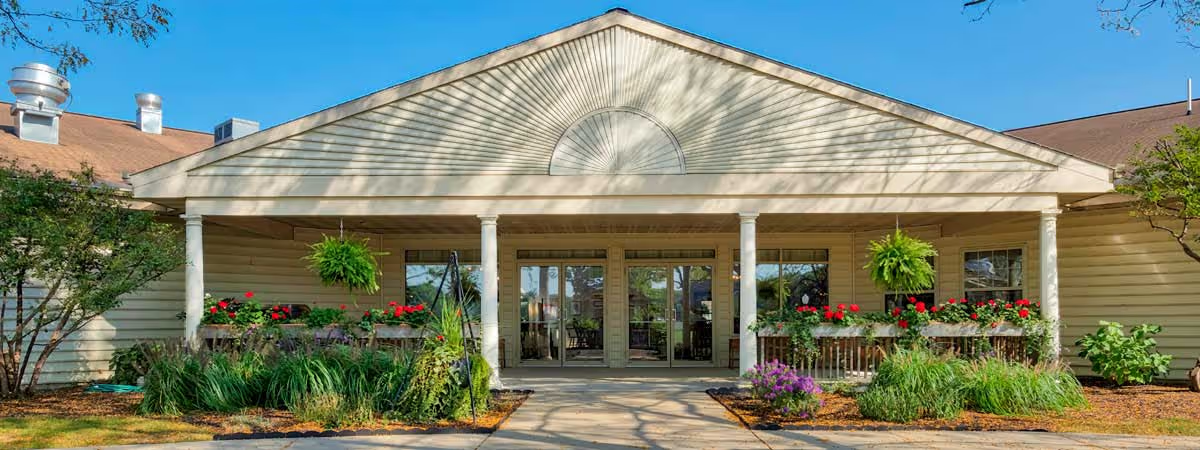
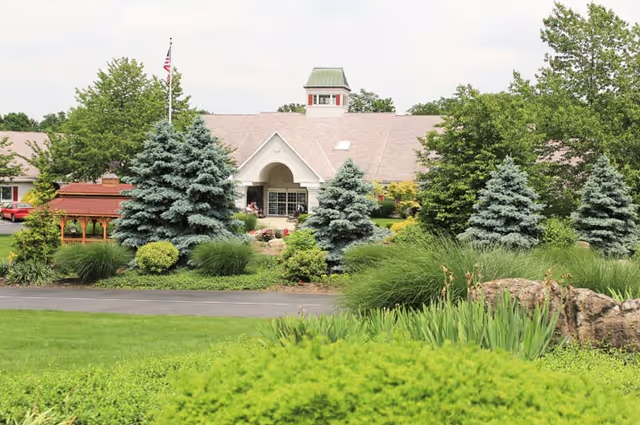
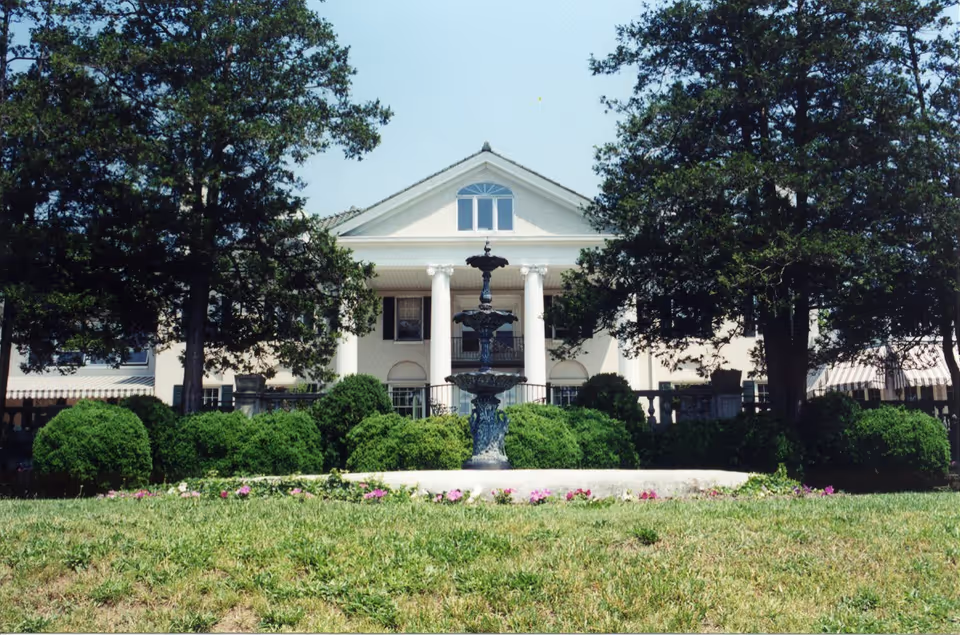
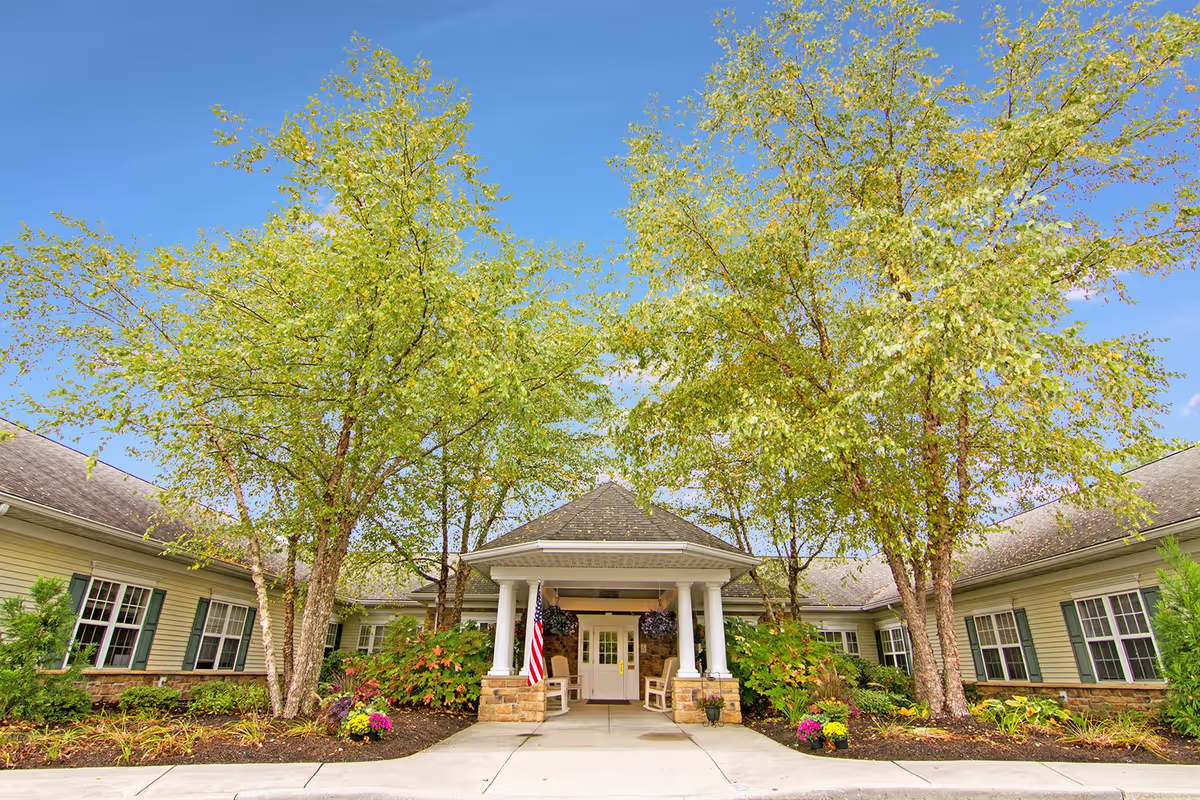
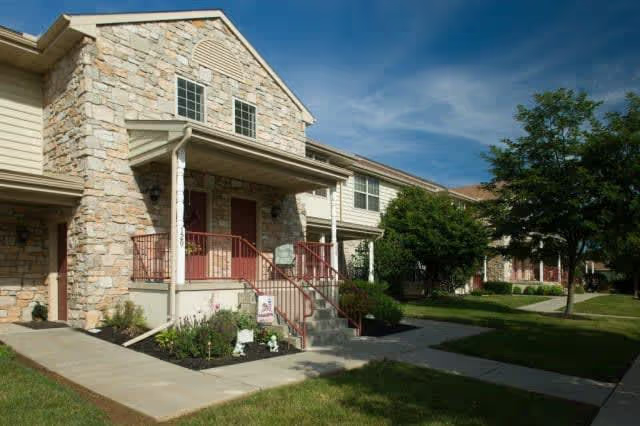
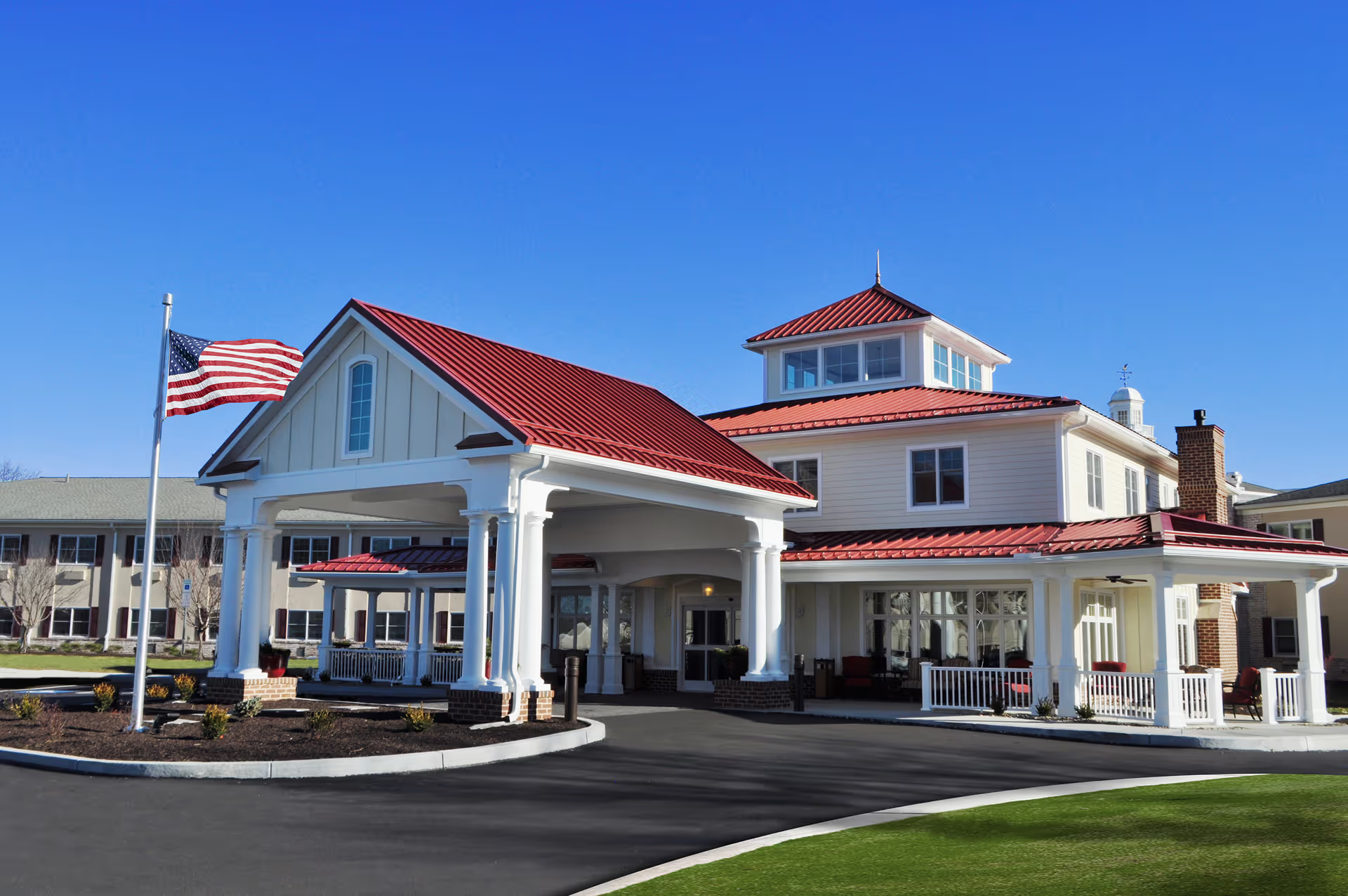
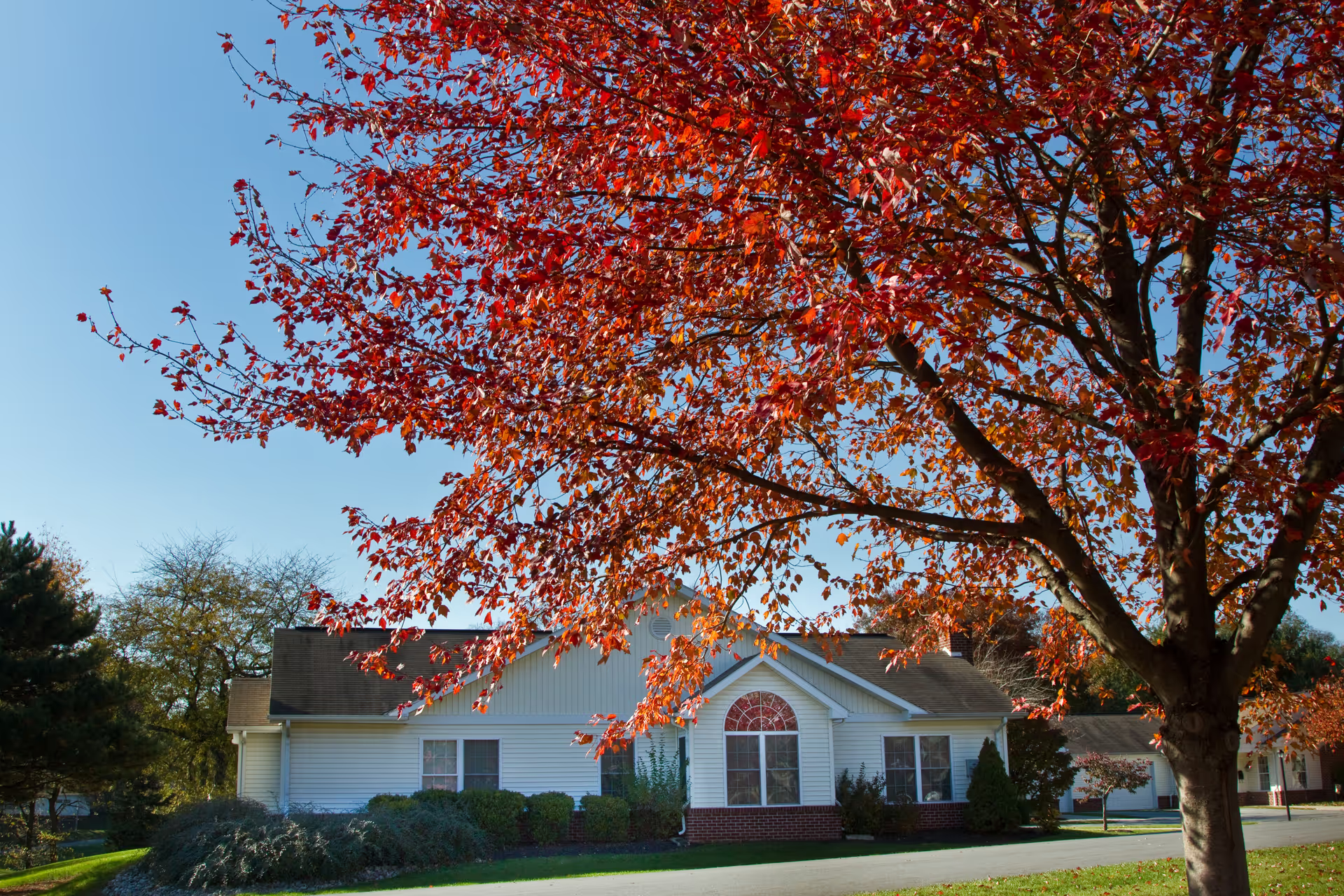
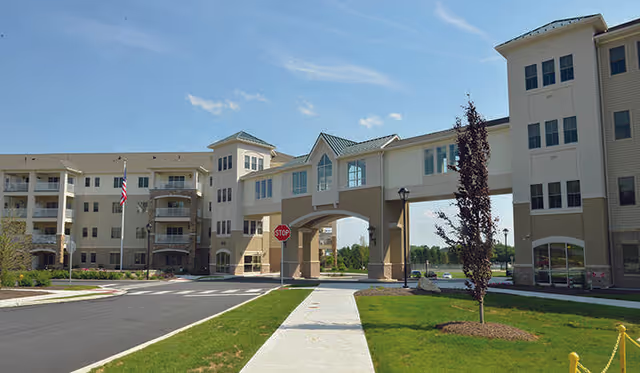
Mt. Hope Nazarene Retirement Community is described by many families as a small, rural, faith-oriented setting with a strong sense of community. Positive accounts emphasize compassionate, attentive caregivers who provide personalized attention, visit residents during illness, and participate in worship and community life. The facility is noted for a quiet, comfortable atmosphere, a family-like culture, and acceptance of Medicare and Medicaid—characteristics that make it accessible to lower-income seniors.
Care quality and staffing are the most consistently praised elements. Reviewers highlight staff teamwork, responsiveness, and a willingness to 'move mountains' to help residents. Maintenance and housekeeping receive favorable comments, and the facility is commonly described as clean and well-kept. At the same time, one or more strongly negative accounts raise concerns about administrative decision-making and continuity of care; these accounts suggest a potential mismatch between frontline caregiving and higher-level operational practices.
Dining and activities are frequently cited as strengths. Multiple comments reference excellent food prepared by capable cooks, as well as a range of activities and an active church presence that contributes to residents' social and spiritual life. The integration of pastoral support is a recurring positive, and staff attendance at services is commonly mentioned as part of the community fabric.
However, several reviewers indicate areas of operational risk to consider. There are reports pointing to inconsistent management or leadership stability and to an aging physical plant in need of ongoing maintenance. A notable concern concerns the facility's capacity to manage progressive dementia and other higher-acuity needs; some accounts imply limitations in long-term dementia care and in how resident transitions or discharges are handled. Families should therefore verify the facility's dementia care capabilities, discharge and transition policies, staffing levels for higher-acuity needs, and communication practices.
In summary, Mt. Hope appears to offer warm, personalized caregiving, strong spiritual life, good dining, and affordability within a small-community model. Prospective residents and families should balance these strengths against operational considerations—particularly management consistency, infrastructure condition, and the facility's ability to support residents with escalating clinical needs—by touring the site, asking about staff training and ratios, and clarifying discharge and care-continuity procedures.