Embassy of Park Avenue elicits a mixed but consistent pattern: many families and patients praise the facility’s rehabilitation strengths, its therapy team and gym, and the observable teamwork among nurses and therapists, while a separate set of concerns centers on operational consistency — particularly staffing, dining, and management responsiveness.
Care and staff: Numerous accounts highlight compassionate, knowledgeable nurses and aides and successful short-term rehab outcomes. The therapy program — including an extensive gym and rehabilitative activities — is frequently cited as a core strength and a reason residents return home safely. At the same time, there is a recurring pattern of inconsistent staffing levels, high turnover, and variable professionalism. These operational issues are associated with reports of delays in responding to resident needs, weekend care continuity gaps, and an uneven resident experience depending on staff on duty. Some reviewers also described workplace-culture problems that they believe affect morale and care consistency.
Dining and dietary services: Dining is a prominent area of concern. Reported issues include cold or late meals, portions perceived as insufficient, discrepancies between posted menus and delivered meals, and limited availability of condiments or accompaniments. A few comments indicated the kitchen or dietary coordination has improved over time, but unreliable meal service and communication about menus appear to be recurring operational weaknesses that families should verify during a visit.
Activities and therapy: Activity programming and therapy are clear strengths. Residents and families commonly describe engaging exercises, therapy dogs, and staff who are invested in rehabilitation goals. The facility’s therapy resources and staff commitment are often credited with timely and successful discharges to home.
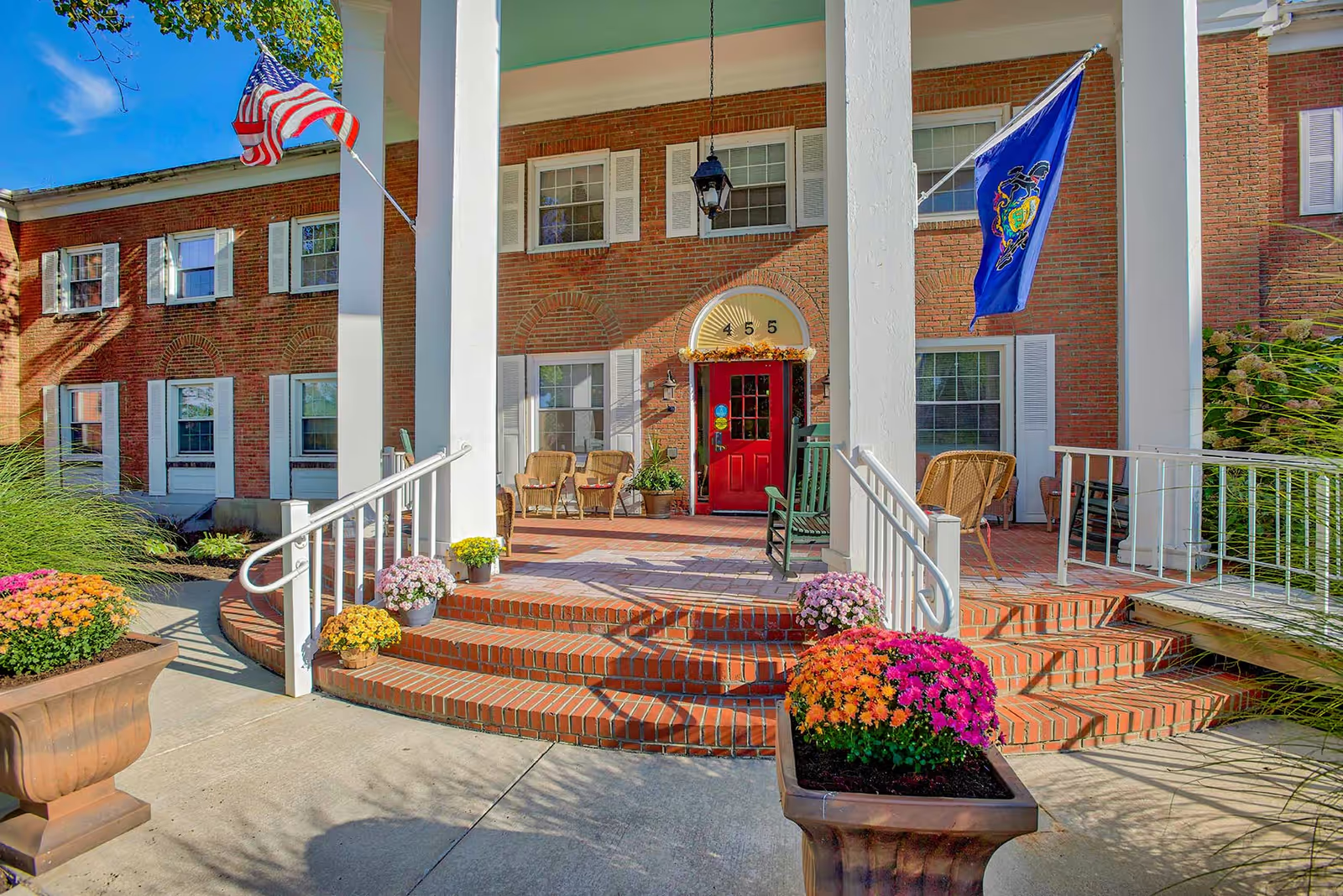
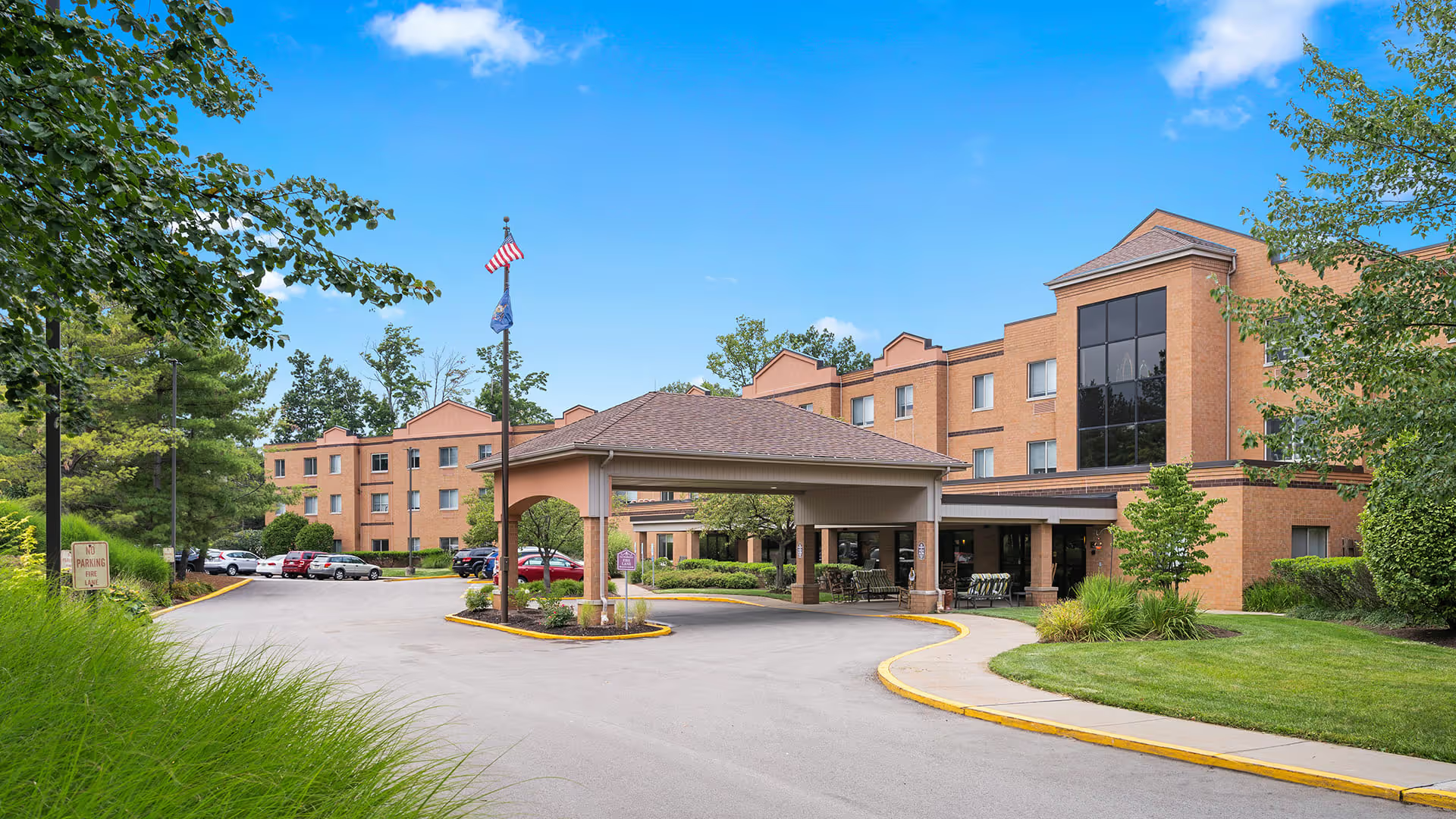
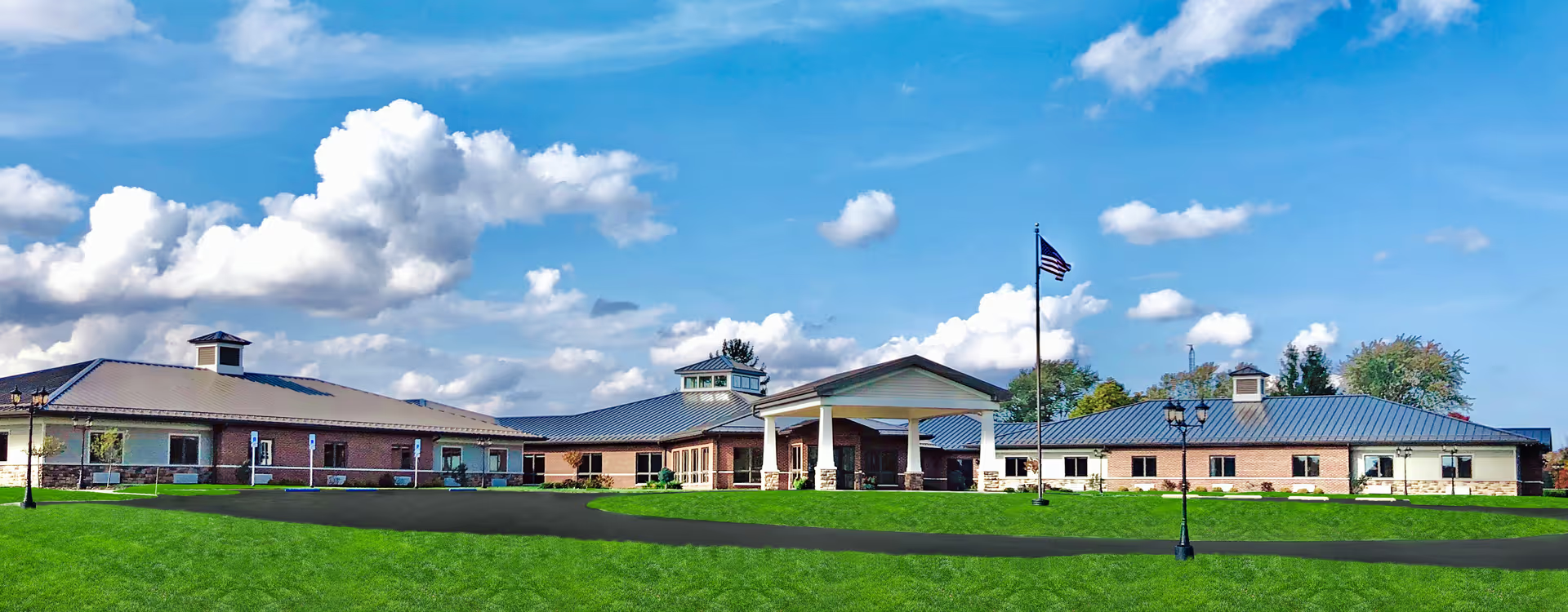
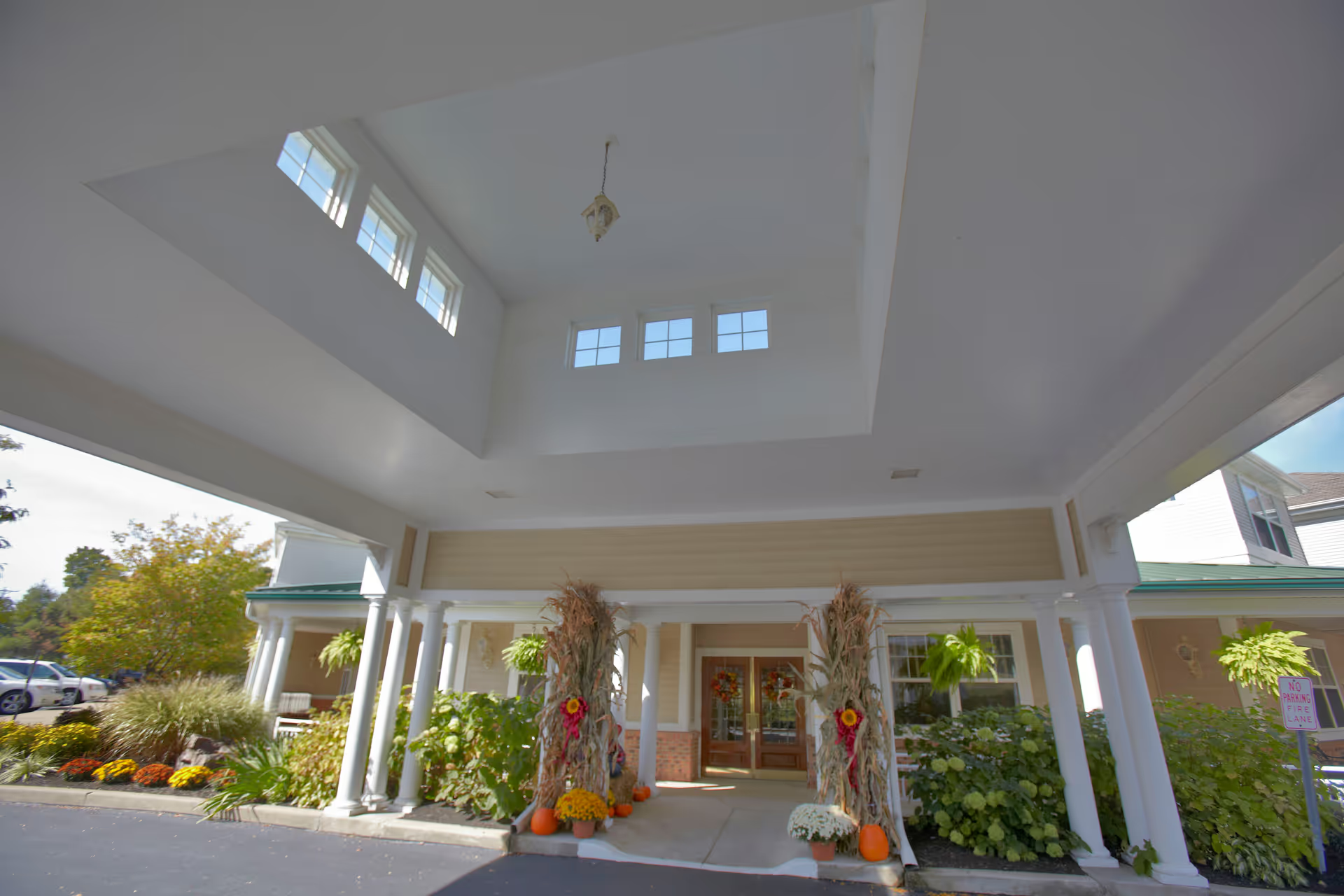
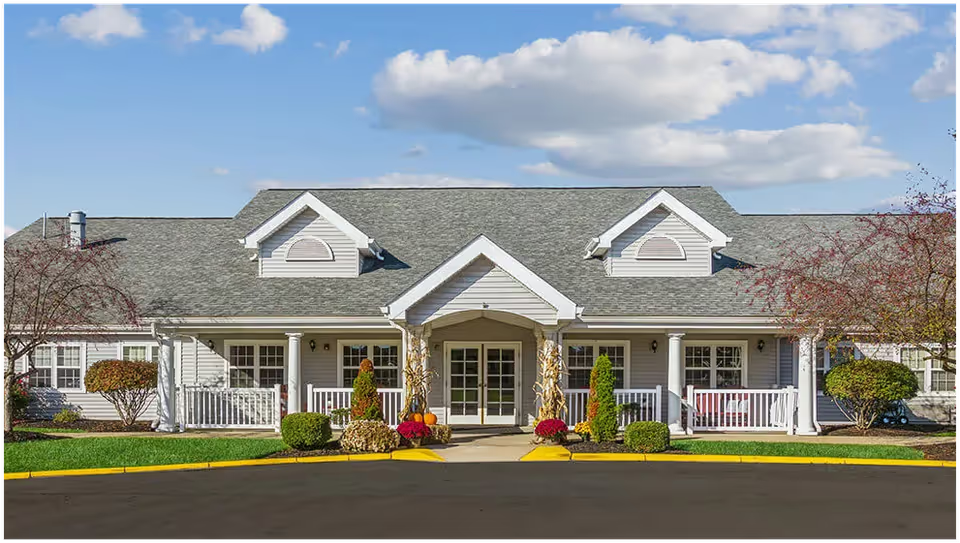
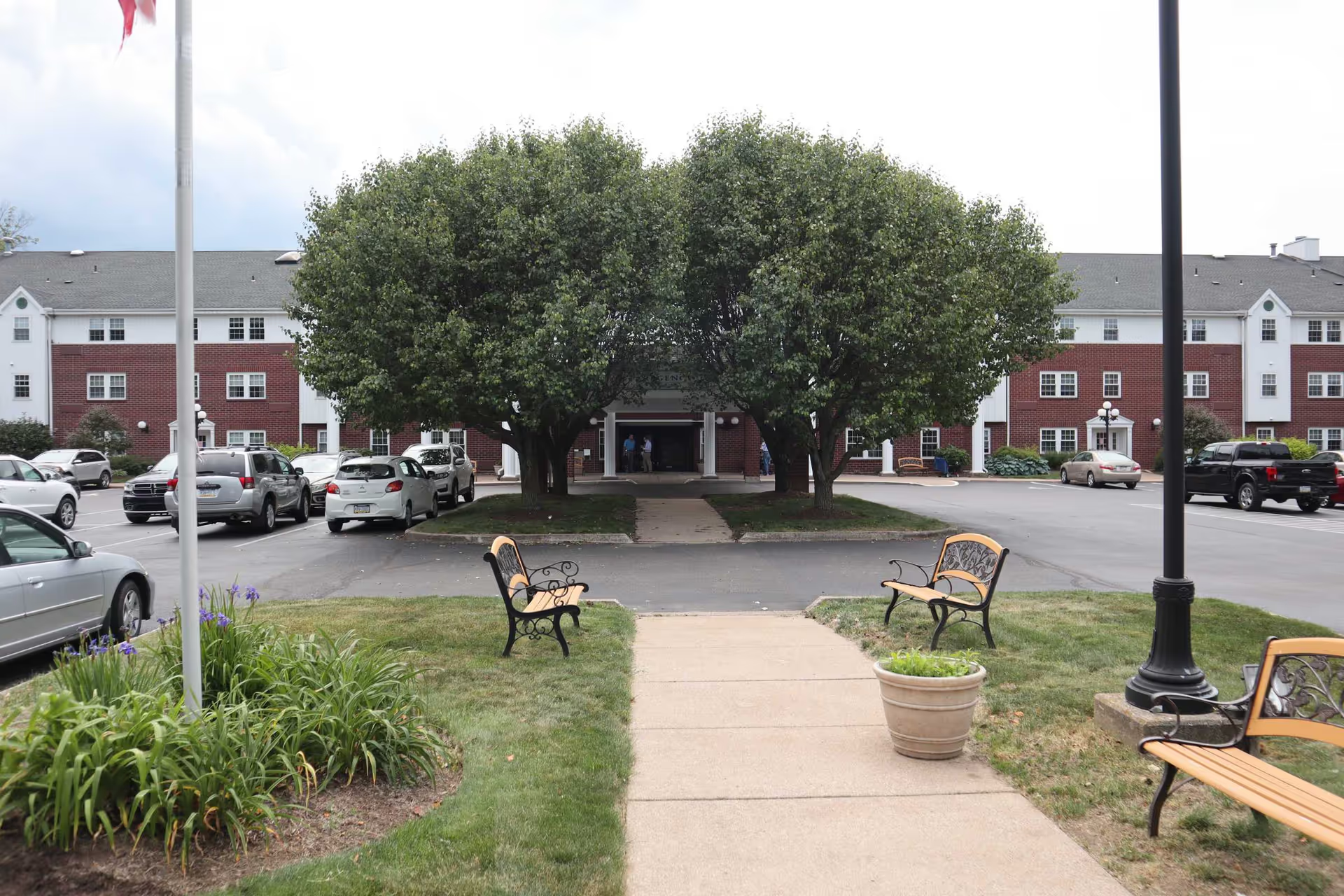
Facilities and cleanliness: Many reviewers describe the physical plant as attractive, clean, and well maintained; these qualities support a comfortable environment for rehabilitation and long-term care. However, isolated sanitation and organizational concerns were raised for some units, and a few individuals expressed that service quality declined after a change in ownership. These contrasting impressions suggest variability in housekeeping and unit-level oversight.
Management, communication, and clinical oversight: Communication with families is described as clear and helpful in many instances, particularly during end-of-life care and discharge planning. Nonetheless, several accounts point to ineffective management responsiveness when problems arise, difficulties completing timely discharges or prescription reconciliations, and specific concerns about physician availability and clinical decision-making. One reviewer named a physician and expressed distrust about diagnostic competence; this should be treated as an allegation requiring independent verification. Prospective families should inquire about physician coverage, medication-reconciliation processes, and how the facility handles escalation of clinical concerns.
Notable patterns and recommendations: The dominant pattern is a split between strong rehabilitative capability and uneven day-to-day operations. If you are considering this facility, prioritize an in-person visit during different shifts (including weekends), ask for current staffing ratios, observe a mealtime, request examples of recent quality metrics or inspection reports, and review the facility’s processes for dietary management, medication reconciliation, and discharge coordination. These checks will help determine whether the facility’s clinical strengths are supported by consistent operational practices for the level of care you require.