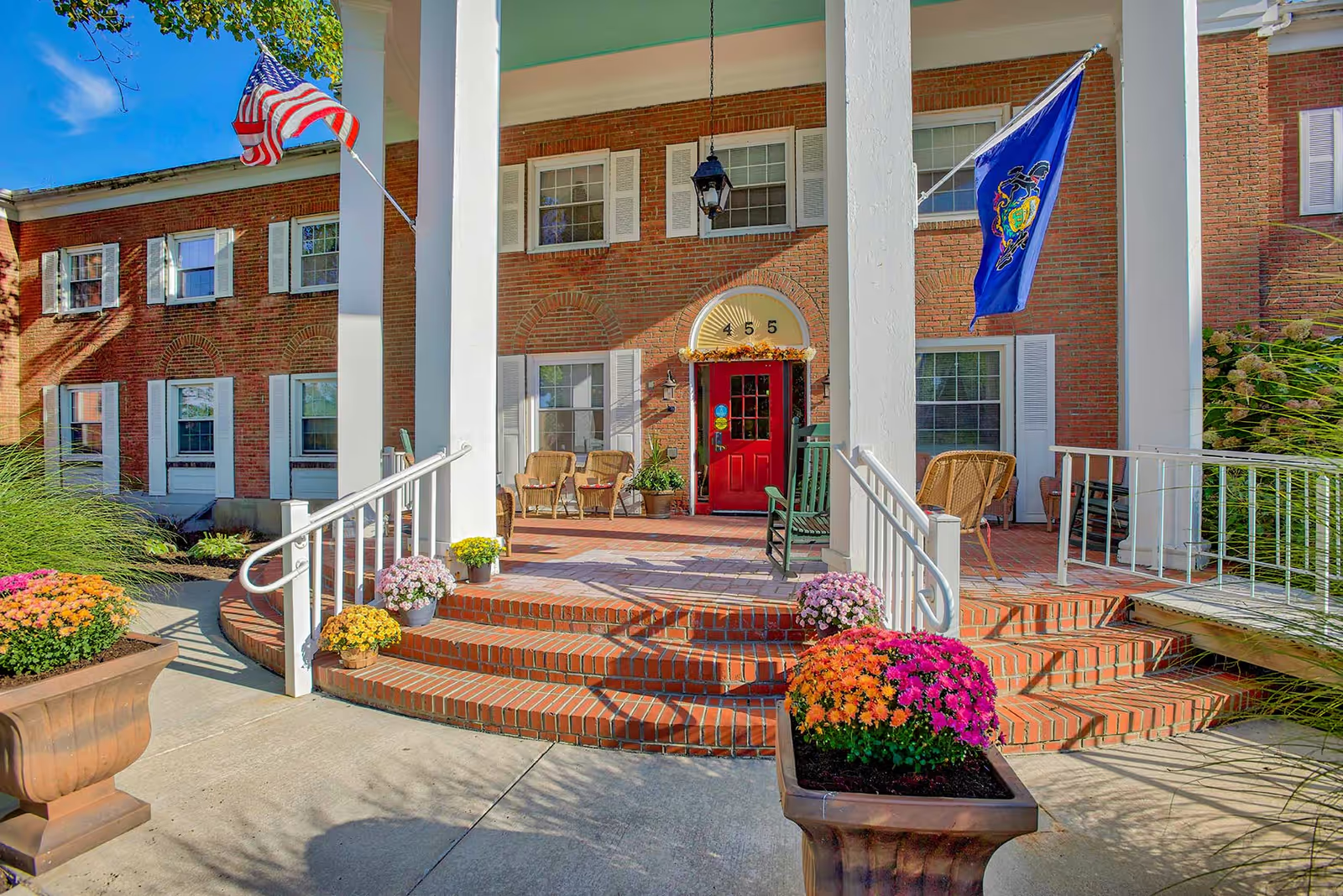
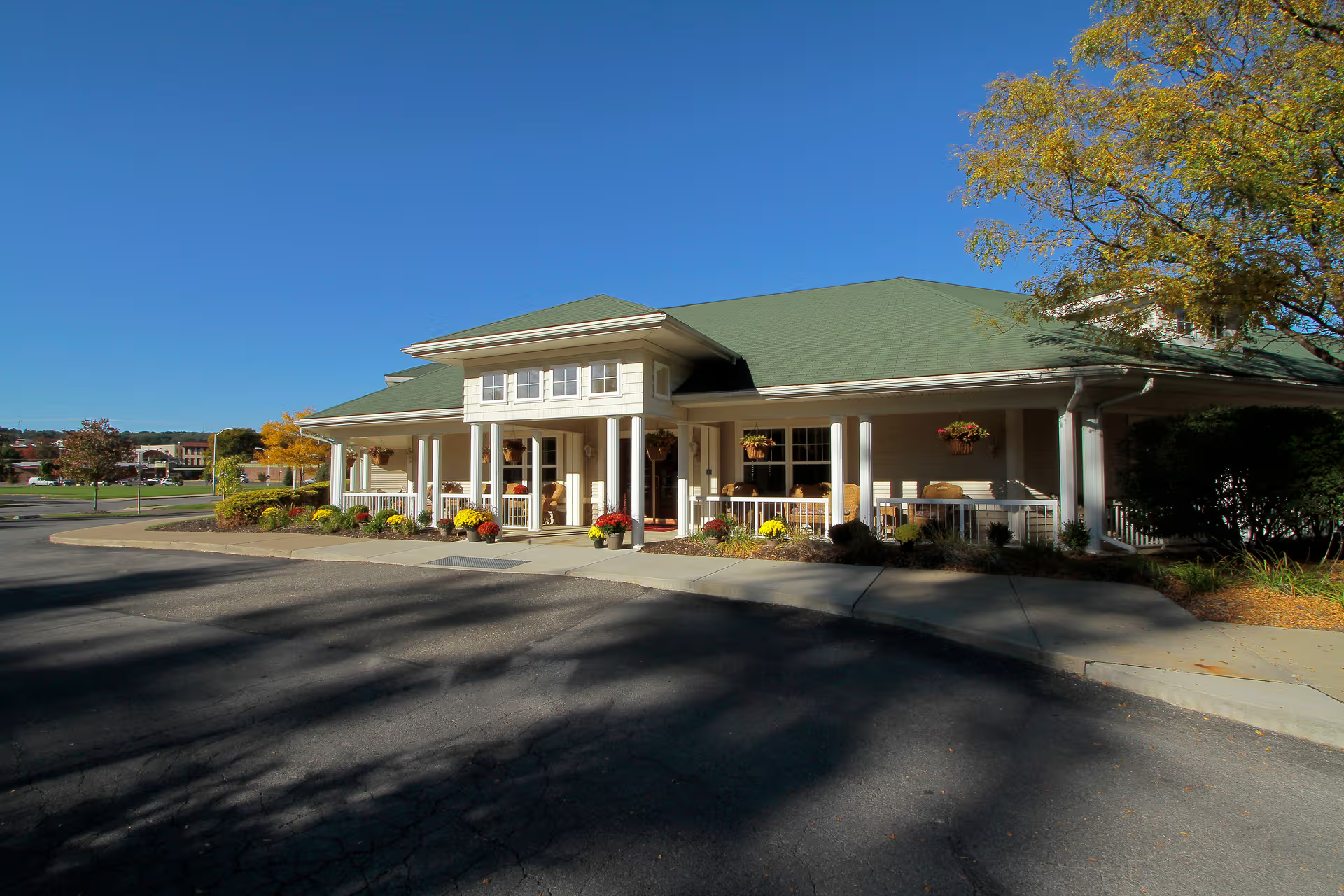
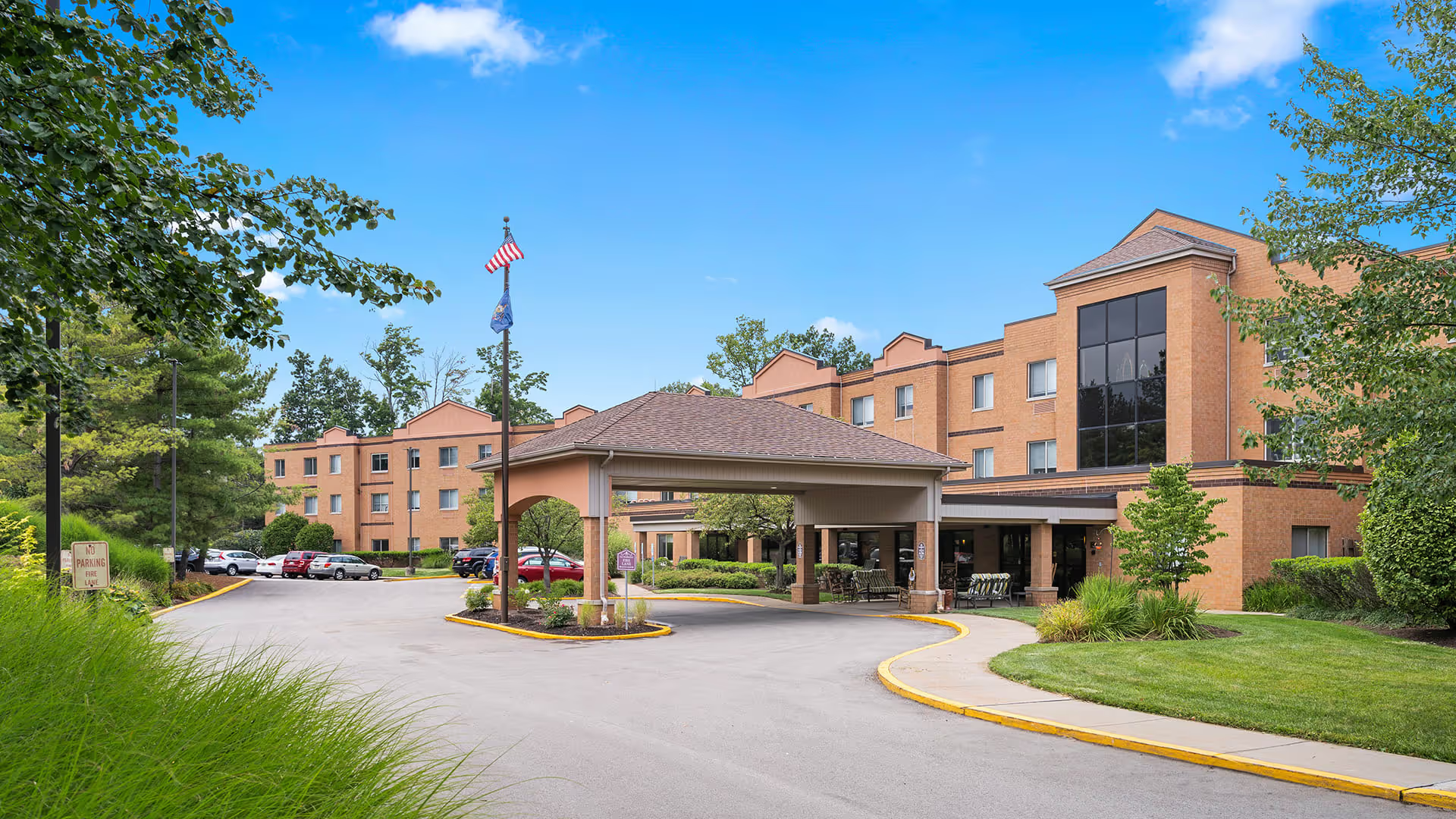
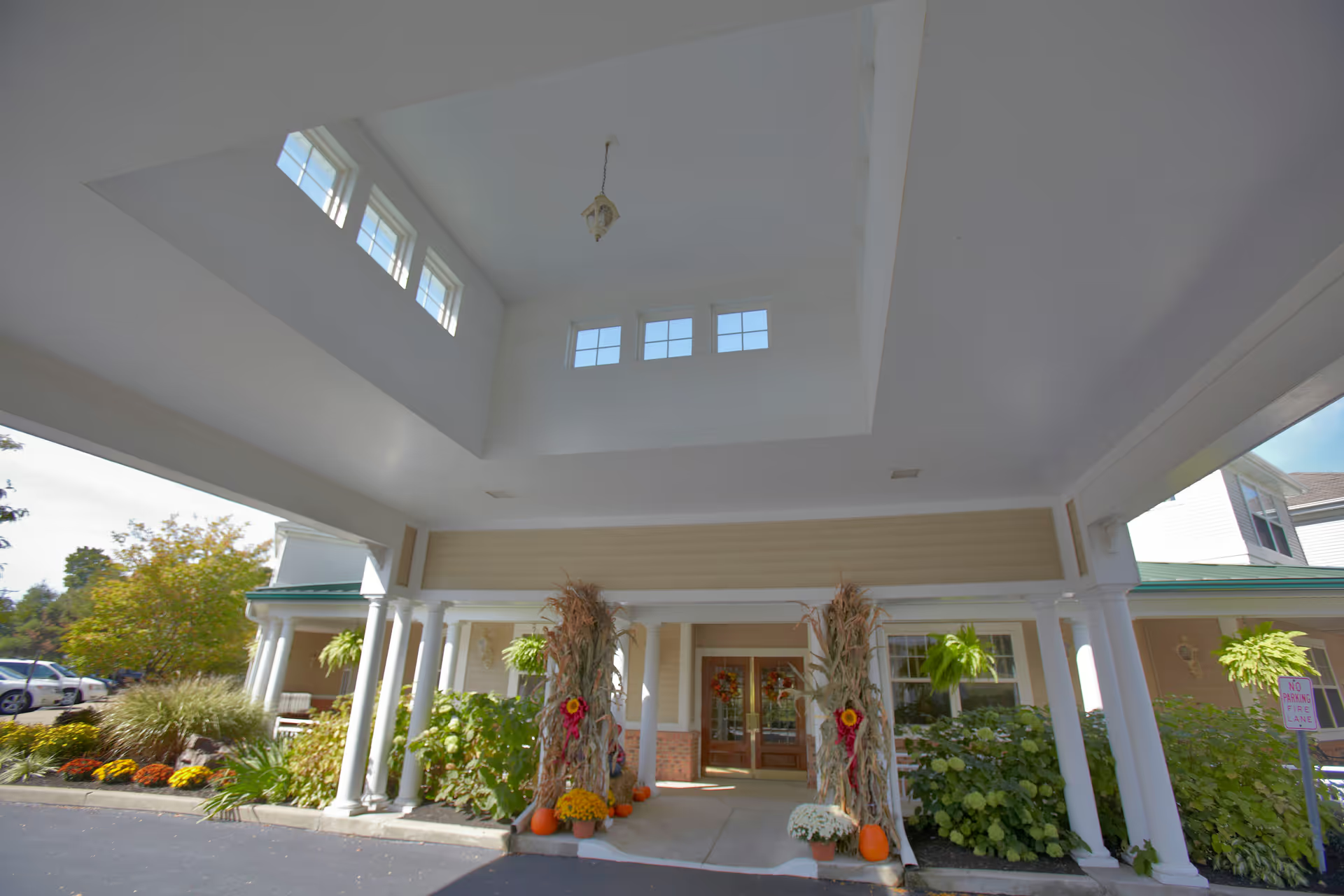
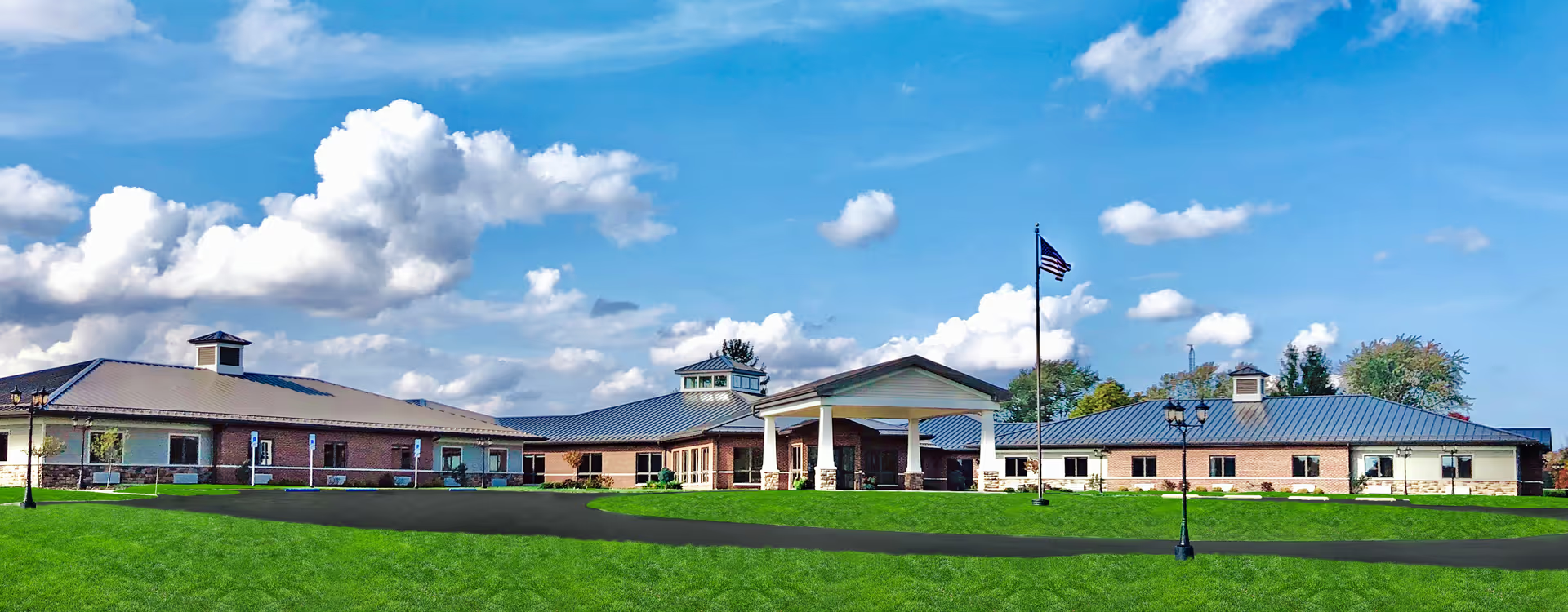
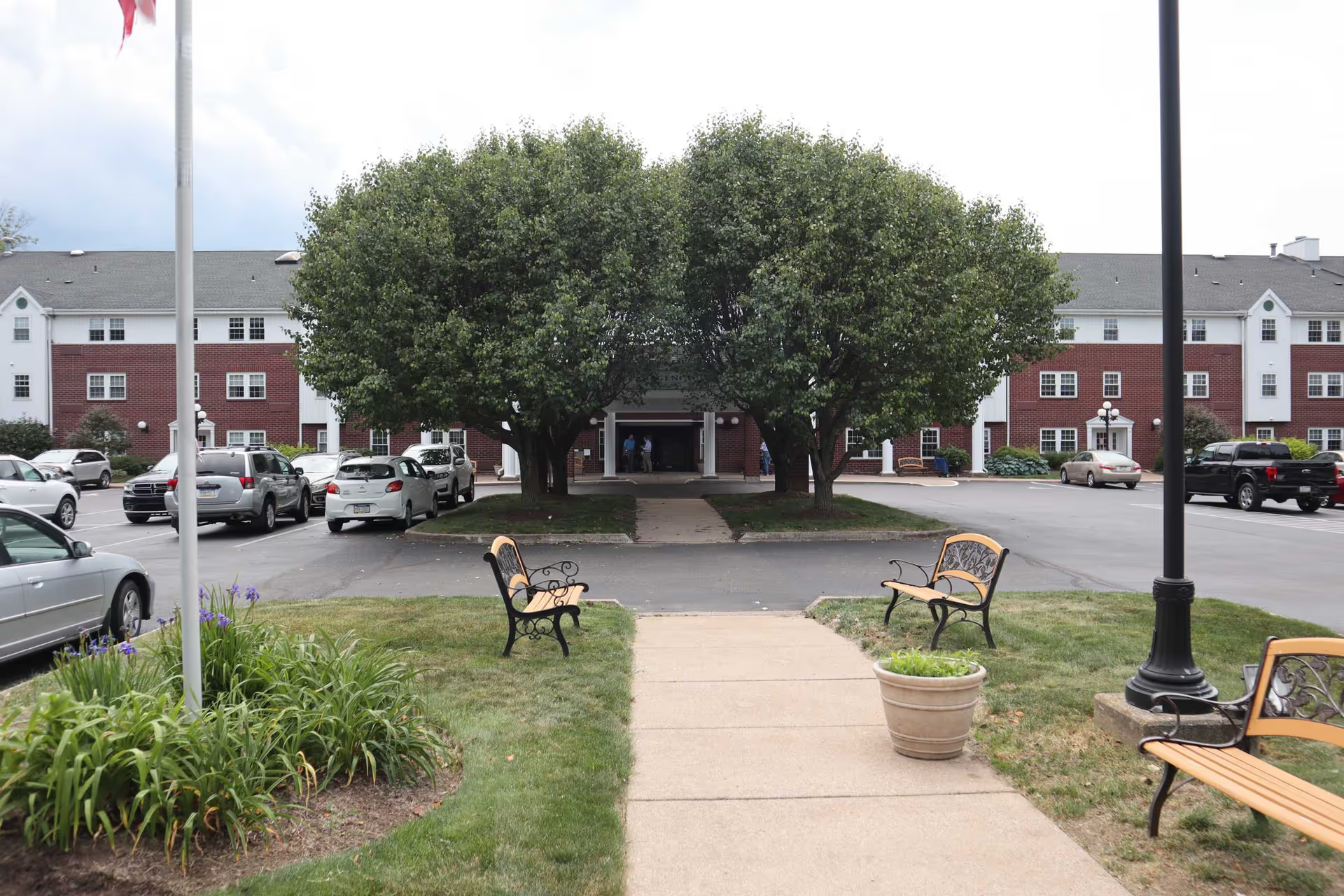
Overall impression: Wesbury United Methodist presents as a well-resourced senior living community with a broad continuum of care, from independent apartments through hospice. Many reviewers highlighted strengths in staffing, on-site services, and amenities: attentive nurses and caregivers, friendly volunteers, on-site rehabilitation, social activities, a chapel, salon, gift shop, gardens, pet-friendly policies, and guest accommodations for visiting family. The facility is frequently described as clean and well-kept, with roomy private and shared living options and a generally pleasant grounds and communal spaces.
Care and staff: Reviews describe a largely compassionate and professional caregiving team, with attentive nurses, CNAs, and volunteers who often go beyond basic duties. Families noted helpful hospice support and good coordination during rehabilitative phases. At the same time, there are recurring concerns about inconsistency: several reviewers reported variable clinical outcomes for residents with higher acuity or dementia and described occasions when responsiveness or the tone of staff communication fell short of expectations. Communication transparency with families is a specific operational area of concern, with at least one reviewer citing documentation discrepancies and pursuing a formal complaint and regulatory review.
Dining and activities: Dining is a clear strength for many residents: food is frequently described as fresh, tasty, and affordable (including grab-and-go and daily specials). A number of reviewers said they grew to enjoy the menu over time. Activity offerings appear robust — scheduled programs, trips, and outdoor gardening opportunities receive positive mention — though activity availability tailored to residents with cognitive impairment may be more limited in some units.
Facilities and maintenance: The campus offers useful on-site amenities and appears clean and well-maintained in general. Reviewers appreciated large rooms and private-bath options, as well as community spaces. However, some accounts describe variability in room maintenance (paint, bathroom corrosion, wall marks) and occasional service issues such as cold food service areas or inconsistent maintenance follow-through. The facility’s scale and some higher-care areas were characterized by a more institutional rather than homelike atmosphere by some observers.
Management, documentation, and notable patterns: A minority of reviewers raised serious concerns about documentation practices and communication transparency; one reviewer described filing a formal complaint with the state Department of Health and noted subsequent scrutiny. Other operational gaps mentioned include delays in end-of-life transition logistics (for example, handling of personal items) and intermittent responsiveness during critical events. These appear to be isolated but significant enough that prospective residents and families should verify current practices.
Advice for prospective residents/families: The overall balance of reviews indicates strong social programming, reliable rehabilitation and hospice support, and generally positive day-to-day caregiving. At the same time, there are identifiable patterns around communication, documentation, and variable performance in dementia/high-acuity care and maintenance. Families considering Wesbury would be prudent to: ask about recent state inspection reports, review the facility’s protocols for family communication and incident documentation, confirm dementia-care programming and staff training, and tour the specific care unit to assess atmosphere and maintenance standards.