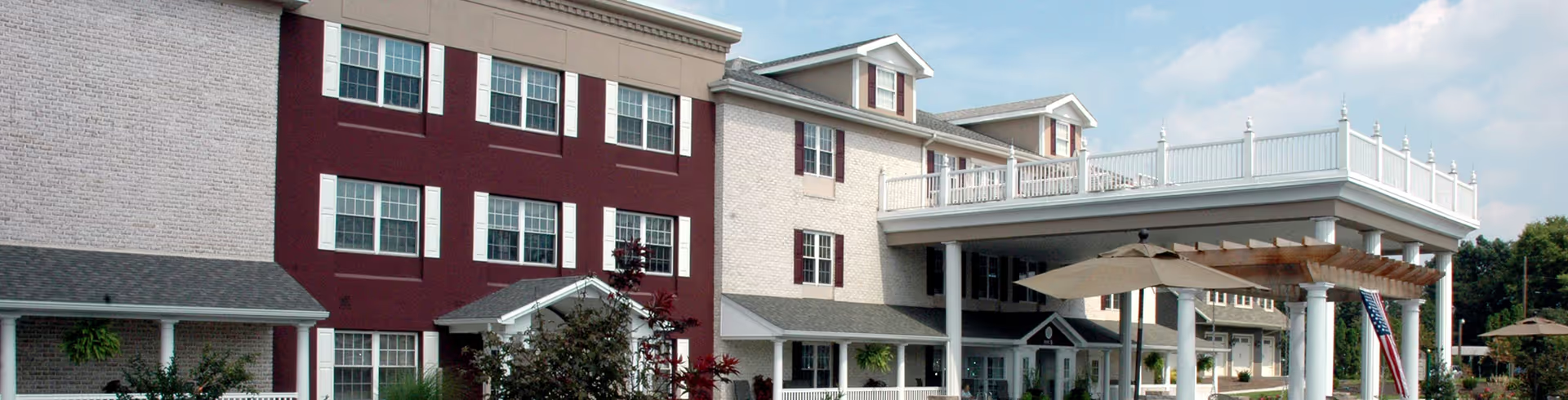
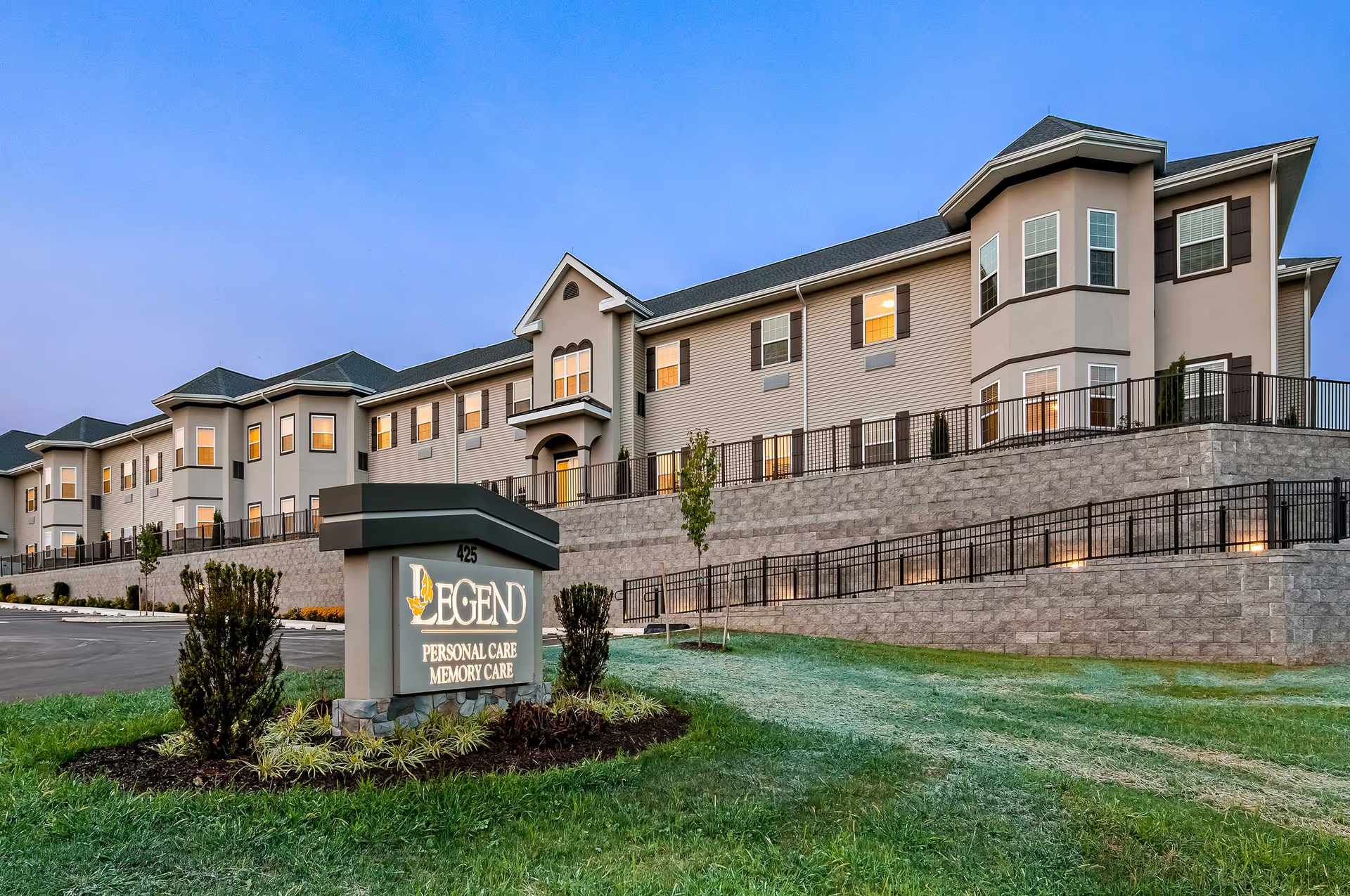
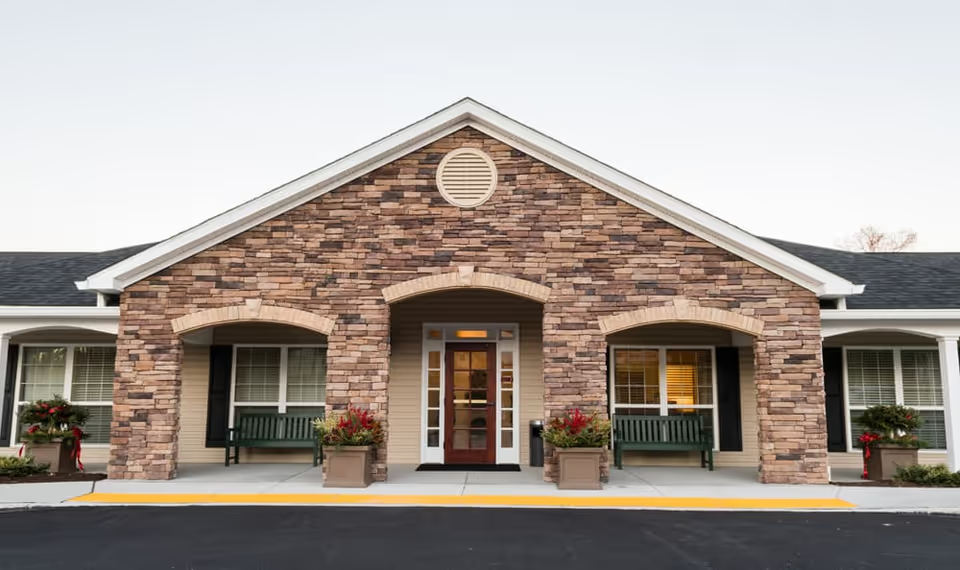
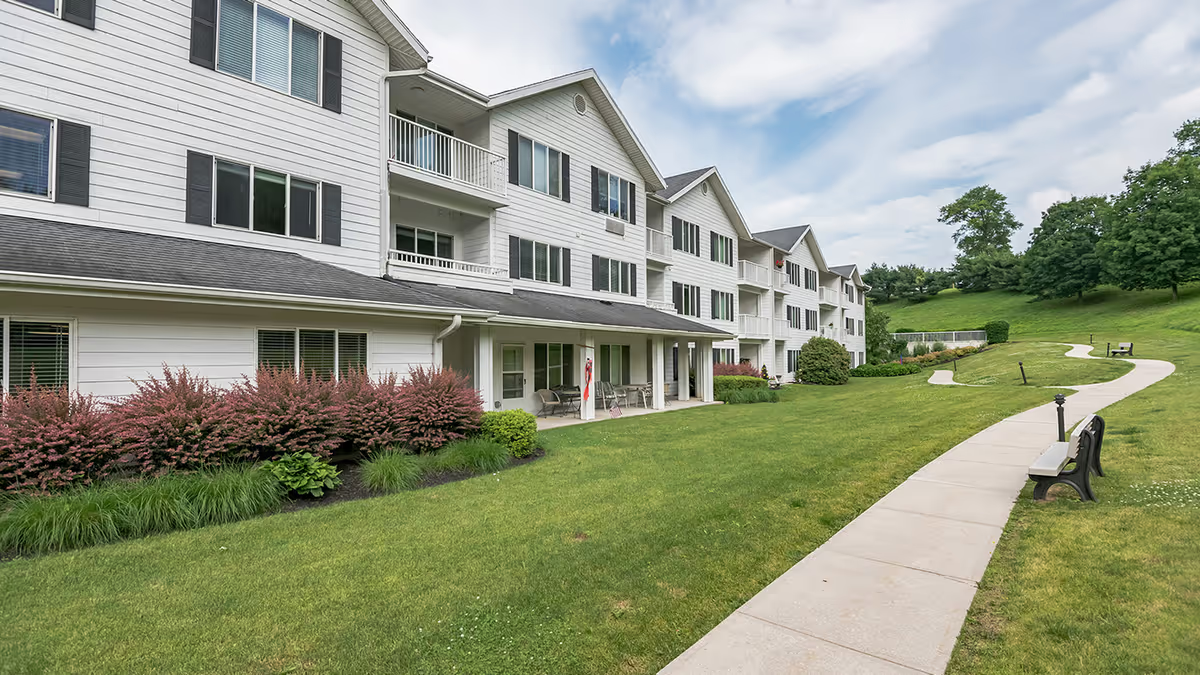
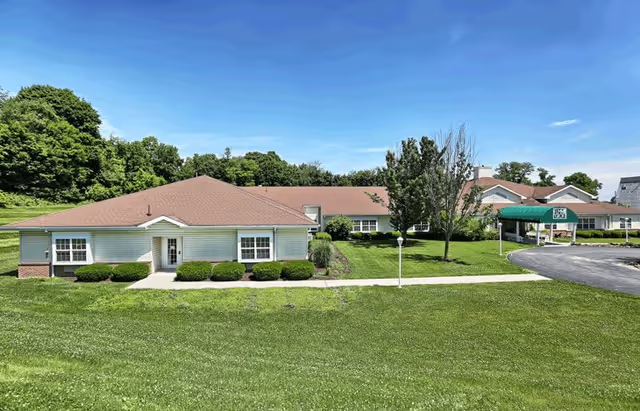
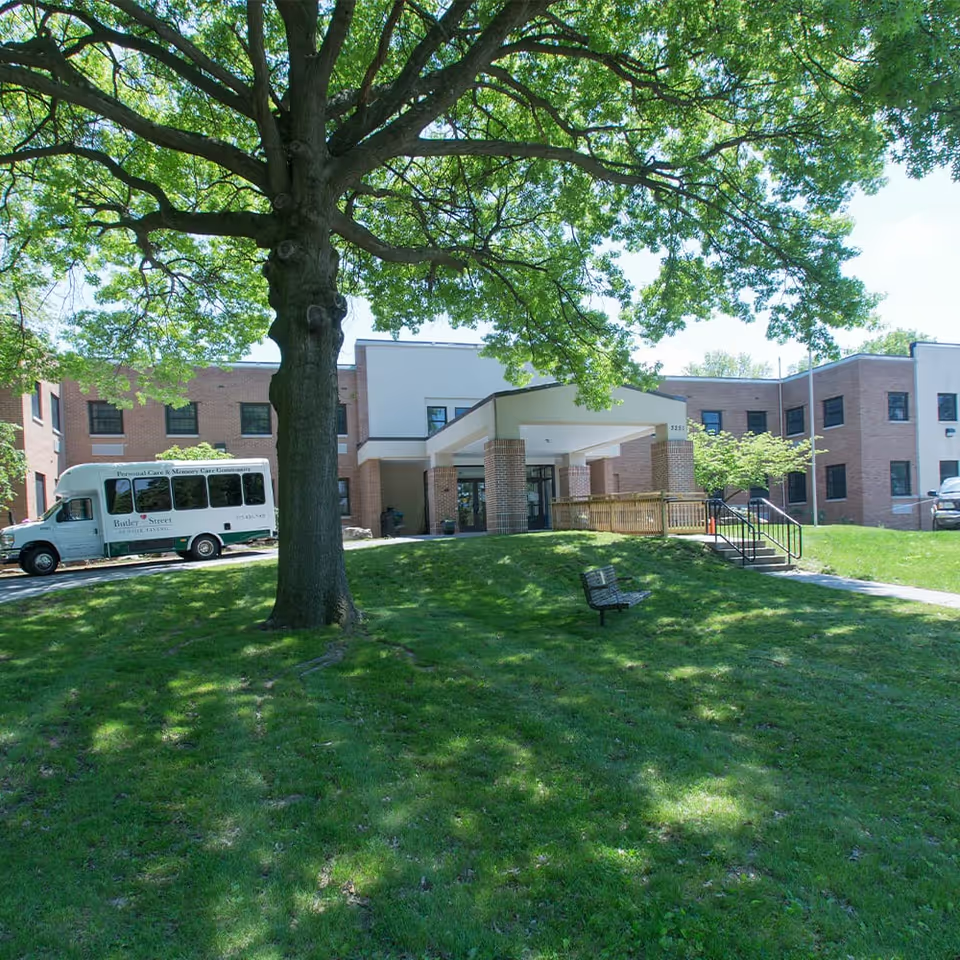
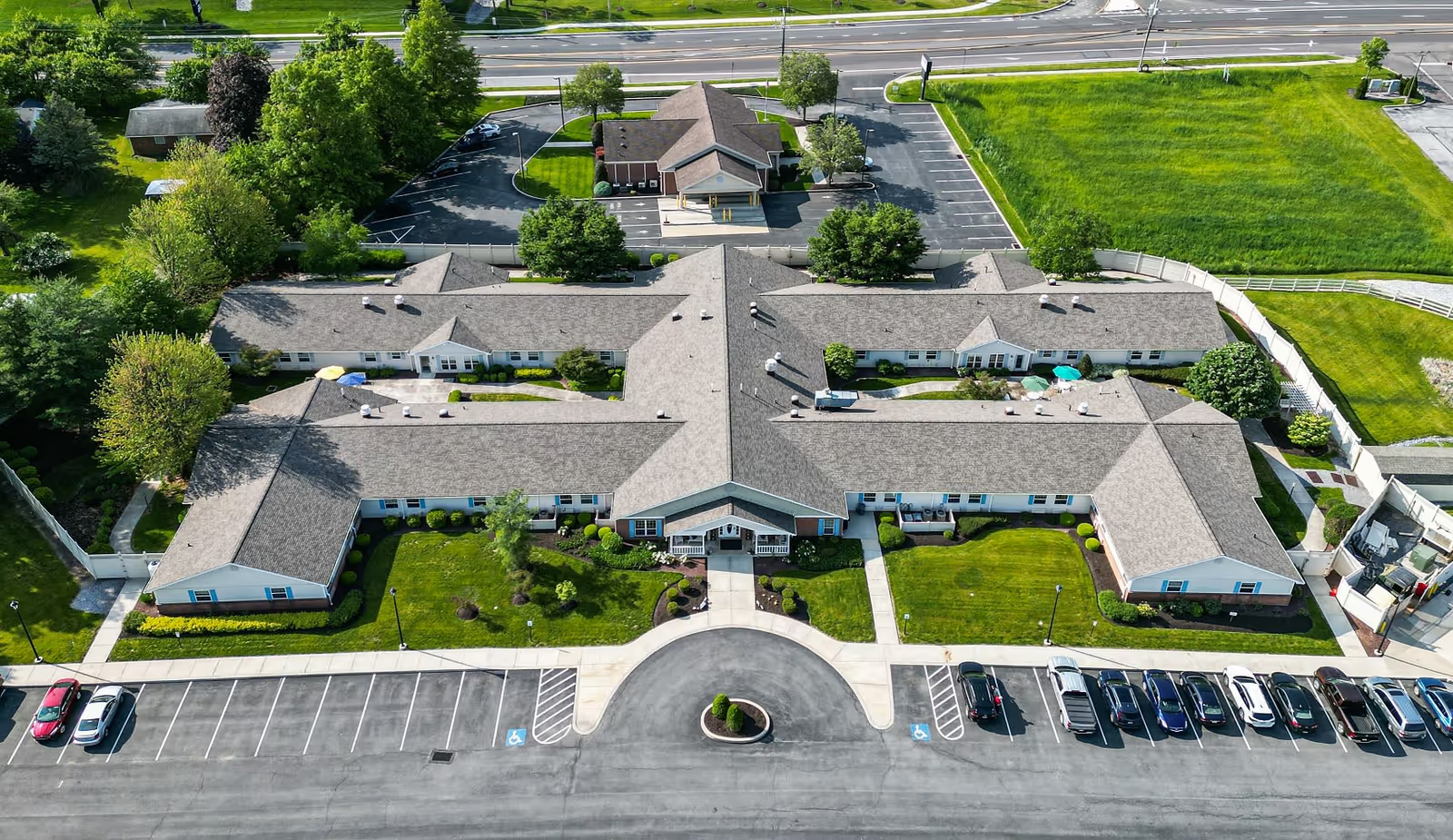
Bethany Village presents as a large, well-resourced continuing-care community with broad appeal for independent and higher-acuity residents. Strengths repeatedly noted across feedback include attractive, well-kept grounds; a variety of housing types and apartment floorplans (newer units described as spacious and customizable); and a high level of on-campus amenities such as multiple dining venues, a fitness/wellness center with pool and hot tub, salon and pharmacy, library and music programs, and regular cultural and recreational events. The campus offers integrated clinical resources — on-site medical staff, rehab services, and a skilled-nursing unit — which many families view as a meaningful part of the value proposition for long-term planning.
Staff and care are frequently described in positive terms: reviewers highlight helpful, caring associates, prompt medication and rehab services, effective infection-control practices during COVID, and an engaged activities staff. The social environment and volunteer opportunities are consistently cited as important strengths; many residents report a strong sense of community, frequent opportunities for socialization (clubs, classes, live music, and outings), and supportive peer relationships. Transportation services (shuttles and off-campus trips) and 24/7 security contribute to convenience and family peace of mind.
Dining and activities are central to the resident experience. Multiple dining options, casual cafes, and a roster of activities from arts and crafts to fitness classes and competitive events draw positive comments about food quality and opportunities for engagement. The activity program is extensive and diverse, supporting both active and less-mobile residents. On-site cultural assets (piano, concerts) and organized outings further support an active lifestyle.
Operational and facility-level concerns appear with some frequency and are important to consider. Cost structure and contract terms are a recurring theme: entrance/buy-in fees and ongoing monthly costs are described as high, and reviewers identify complex or sometimes changing contract and billing practices that can create confusion. Administrative friction described includes limited payment options and occasional billing disputes. Physical-plant issues are uneven: newer building sections are praised, while older independent-living units are described as dated. Specific facility-level problems include variability in temperature control on upper floors, occasional maintenance issues (for example, leaking windows in activity spaces), constrained parking design, and street noise affecting some residences.
Social and clinical patterns vary by unit and level of care. Some reviewers note a warm, home-like atmosphere with active staff interaction; others describe an institutional or clinical ambience in certain assisted-living areas and less frequent casual interaction between residents and staff. A small number of serious clinical concerns were raised by families, including dissatisfaction with end-of-life care and clinical responsiveness; these are significant issues but appear isolated relative to the overall pattern of positive care-related comments. Prospective residents should therefore query transitional-care practices, emergency communication protocols, and family notification procedures when evaluating placement.
In sum, Bethany Village offers a comprehensive, well-appointed campus with robust amenities, medical continuity options, and an active social life that many residents and families value highly. Important trade-offs include the community's cost and contract complexity, variability between older and newer units, and some operational inconsistencies in administration, maintenance, and the tone of assisted-living areas. Prospective residents should prioritize a site visit focused on the specific apartment type and building, review contract and billing terms in detail, and ask targeted questions about clinical transitions, temperature control, and payment policies before committing.