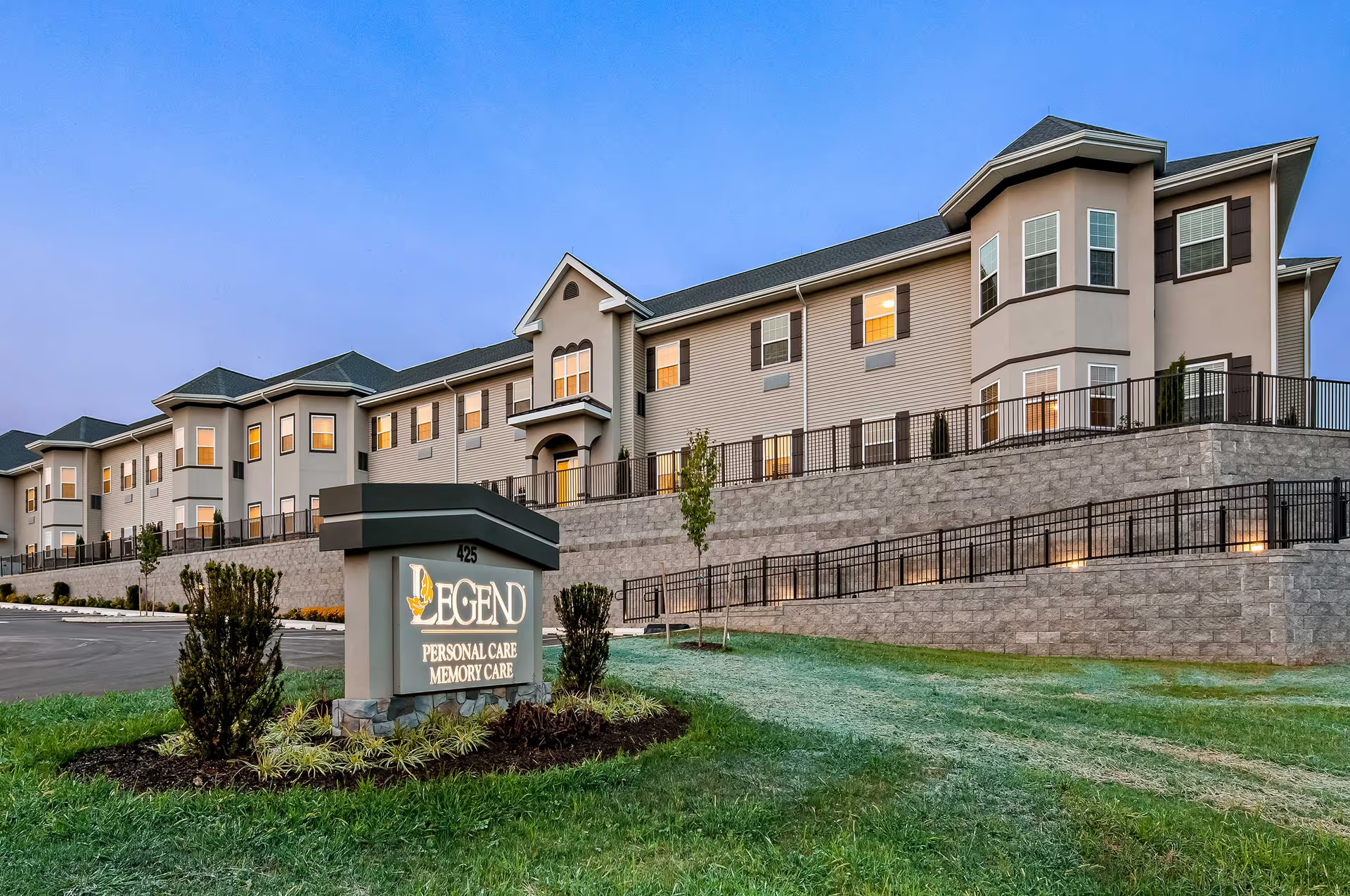
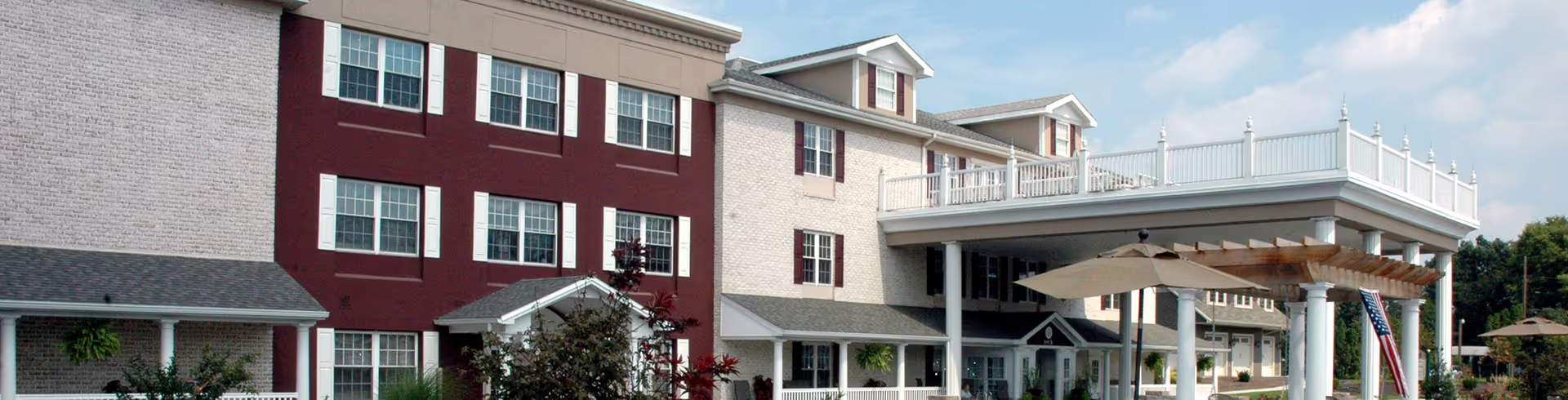
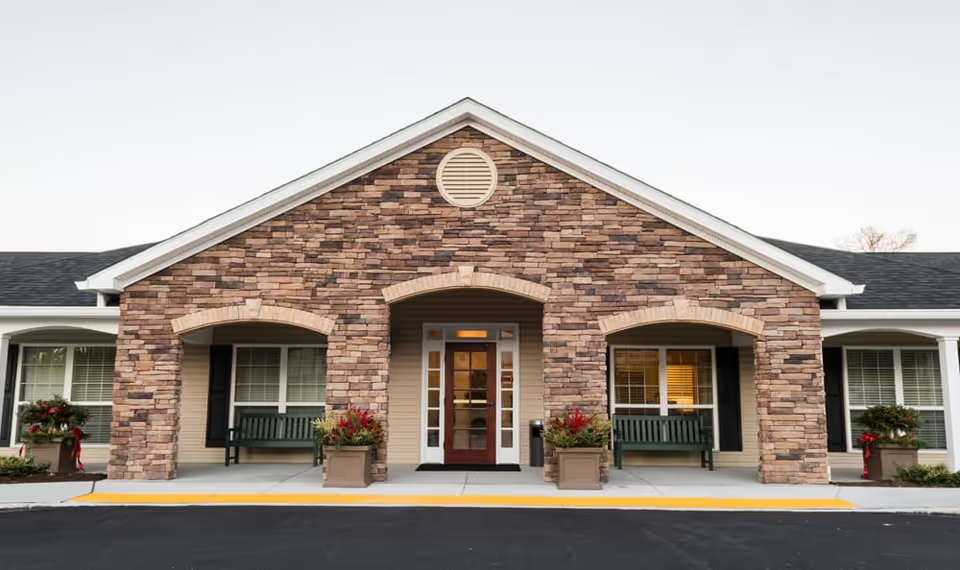
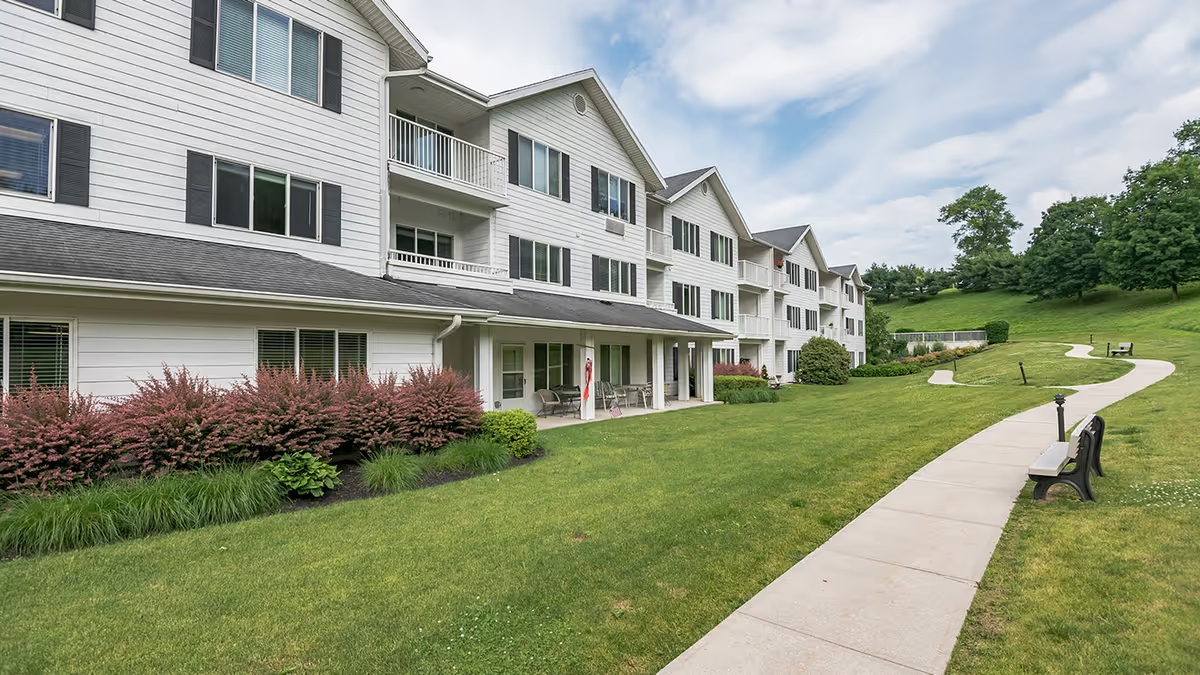
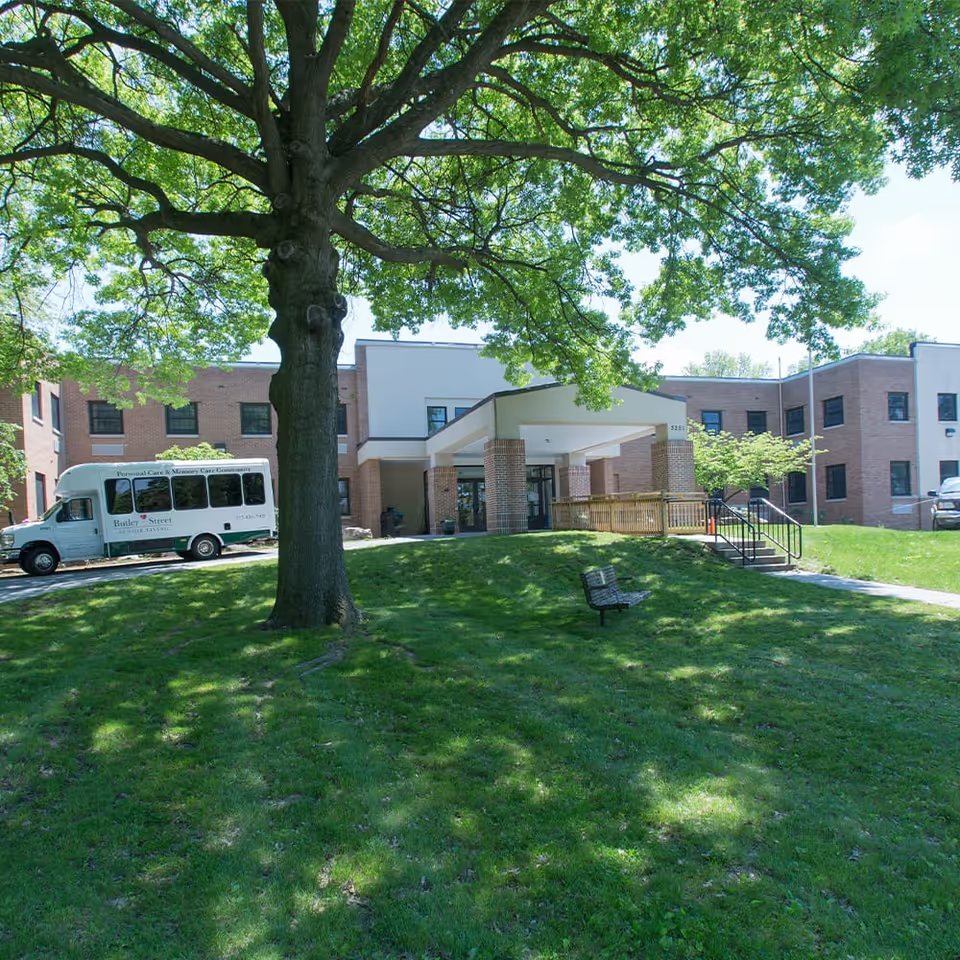
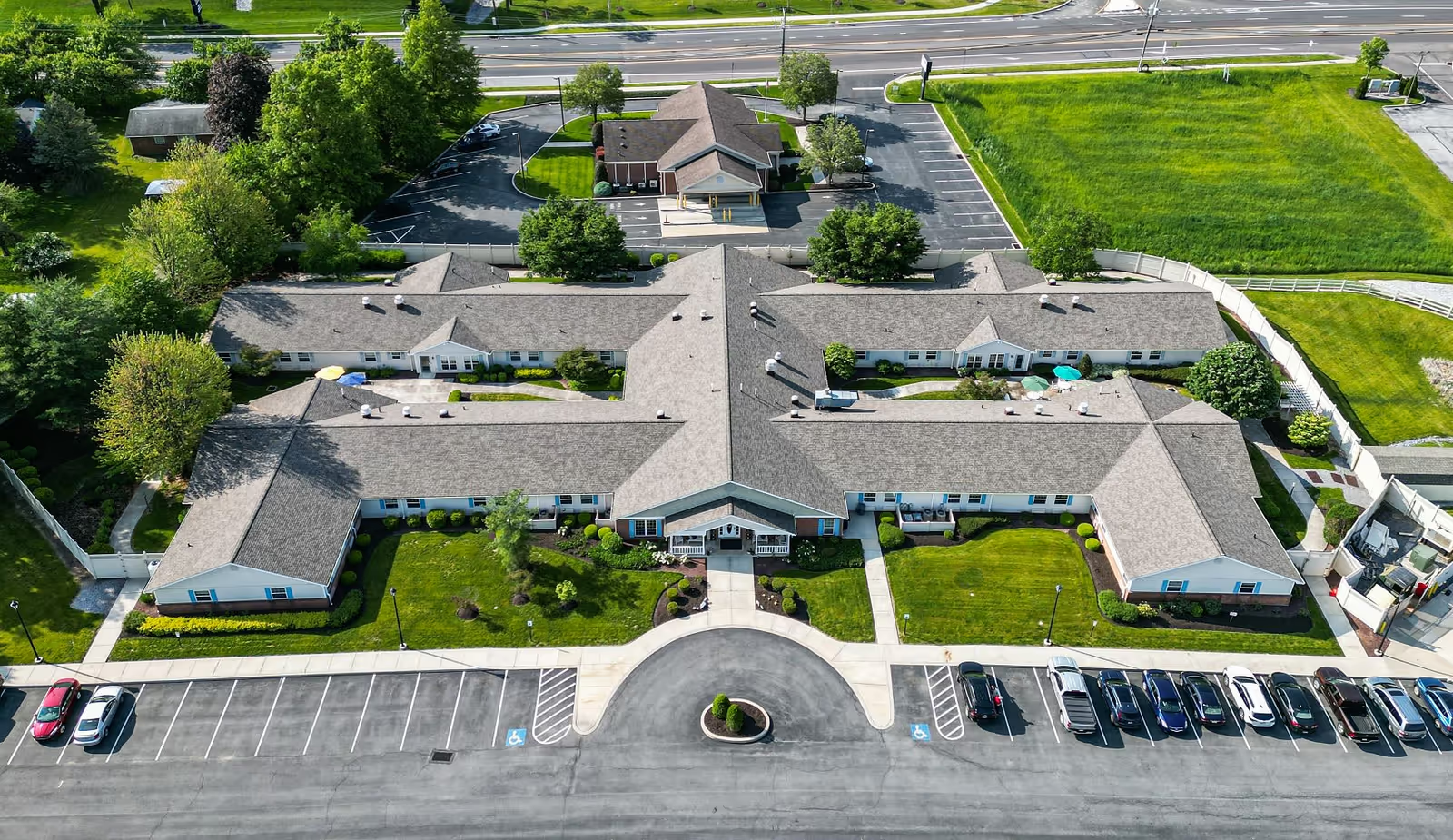
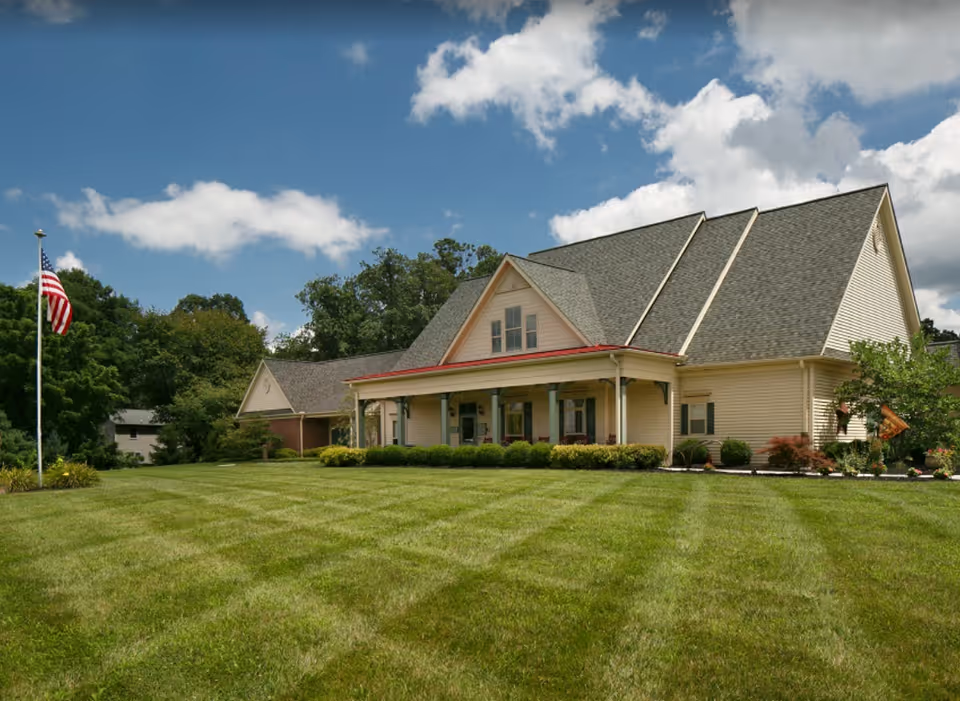
Reviews of Harmony at West Shore present a mixed but specific pattern: the community offers modern, well‑finished living spaces and many of the amenities families expect — multiple apartment sizes, hotel‑style common areas, on‑site therapy and medical resources, a robust activity schedule, and several dining options with chef-driven offerings and snack/beverage stations. Many visitors and residents praised the bright, apartment‑like units, the landscaping and memory‑care garden, therapy-animal programming, and the friendliness and helpfulness of admissions and some direct-care staff members.
Care quality and staff performance appear inconsistent. Numerous accounts describe direct-care aides and nursing staff who are compassionate, knowledgeable, and effective, providing peace of mind and good hands‑on assistance. At the same time, a recurring operational theme is staffing instability: chronic understaffing, notable turnover among leadership and caregivers, and periods where response times to call lights and care needs are delayed. In memory care, reviewers cited both engaging programming (structured activities, therapy animals, outdoor garden) and significant gaps in dementia‑specific training or staffing levels. These contrasting impressions suggest that resident experience may vary substantially depending on unit assignment and shift staffing.
Dining and activities are frequently cited as strengths when systems are running well: many families note varied menus, chef‑prepared meals, farm‑to‑table offerings, and active calendars with transportation for outings, classes, and social events. However, there are also repeated observations about inconsistent meal quality, slow service at times, and uneven activity availability in particular areas or shifts. Prospective residents should verify current menus, service patterns, and the actual frequency of trips and events that matter to them.
Facility amenities and safety show a similar split. The physical plant is newer and well regarded for finishes and public spaces, while some reviews describe practical operational concerns — broken doors or unreliable cameras, long hallway distances to elevators for mobility‑limited residents, and limited outdoor space in parts of the campus. These issues raise questions about day‑to‑day security and accessibility that warrant direct inquiry and inspection during a tour.
Management, communication, and administration emerge as important decision factors. Positive examples of attentive leadership and smooth move‑ins are counterbalanced by reports of confusing billing, lease constraints (notice periods and rent increases), disorganized onboarding, and uneven follow‑through from management. Several families highlighted notable improvements after leadership changes, suggesting responsiveness is possible, but the pattern indicates that management consistency and transparent administration are areas to probe closely.
Recommendation for prospective families: tour the specific unit you would occupy at various times of day, ask for current staffing ratios for the shifts and unit type you’re considering, request recent menus and activity calendars, and seek documentation around safety systems (door locks, cameras) and staff training for memory care. Confirm billing and lease terms in writing and ask for references from current families. The community offers strong physical amenities and programming potential, but operational variability means a careful, up‑to‑date evaluation is important before committing.