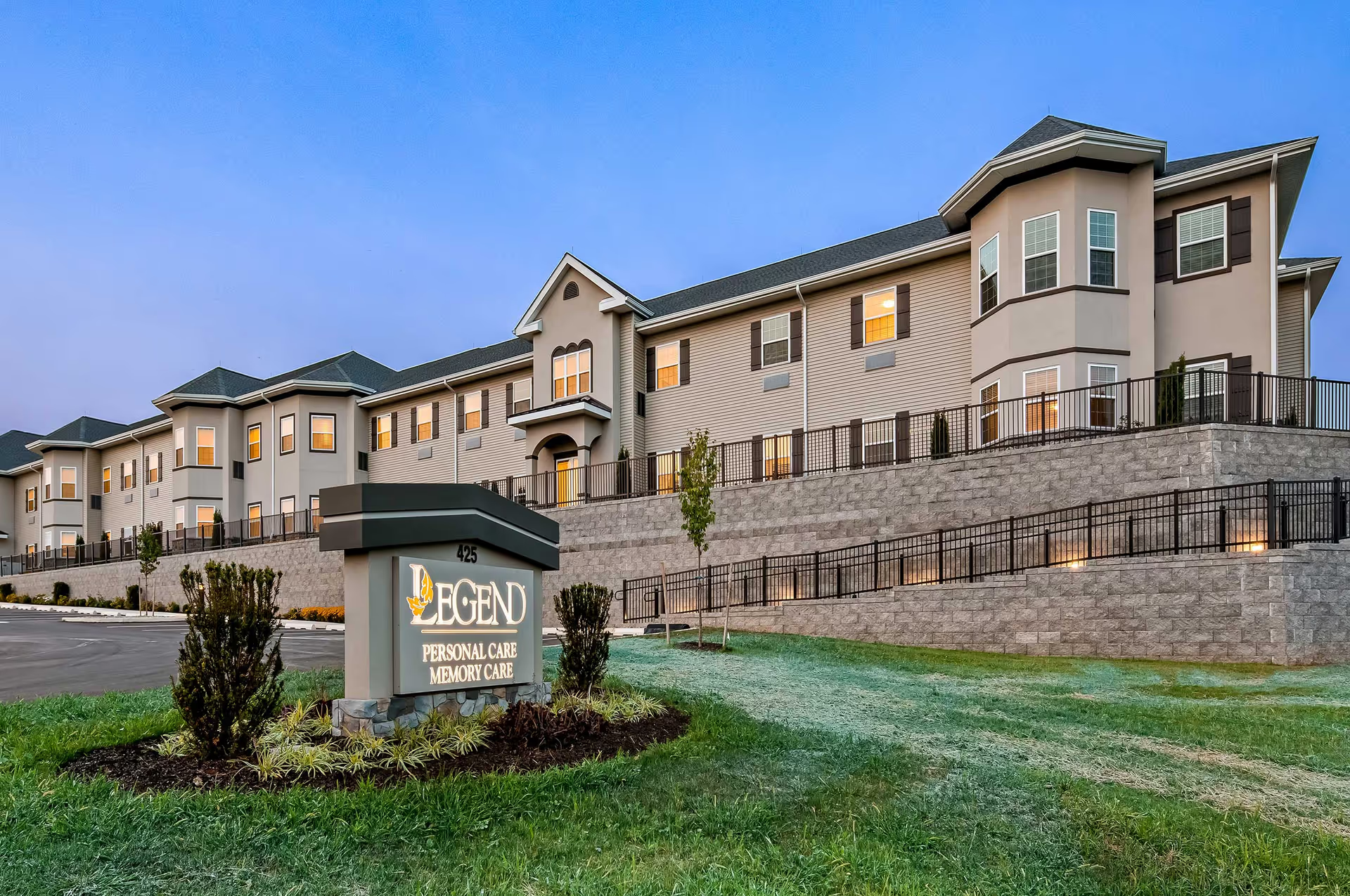
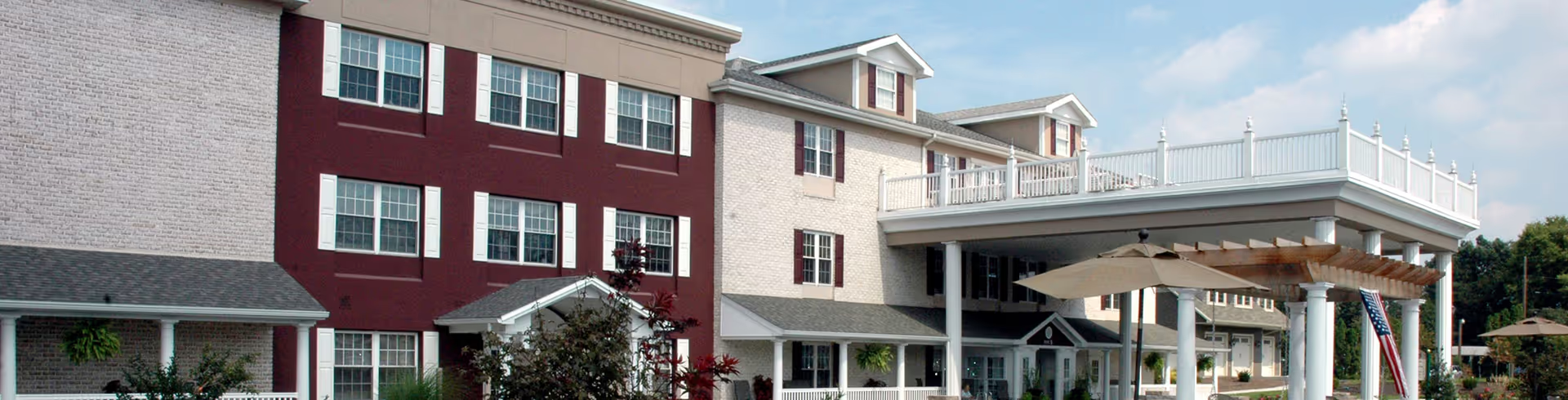
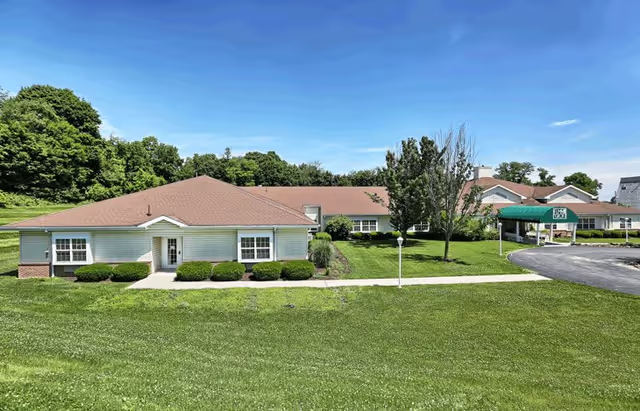
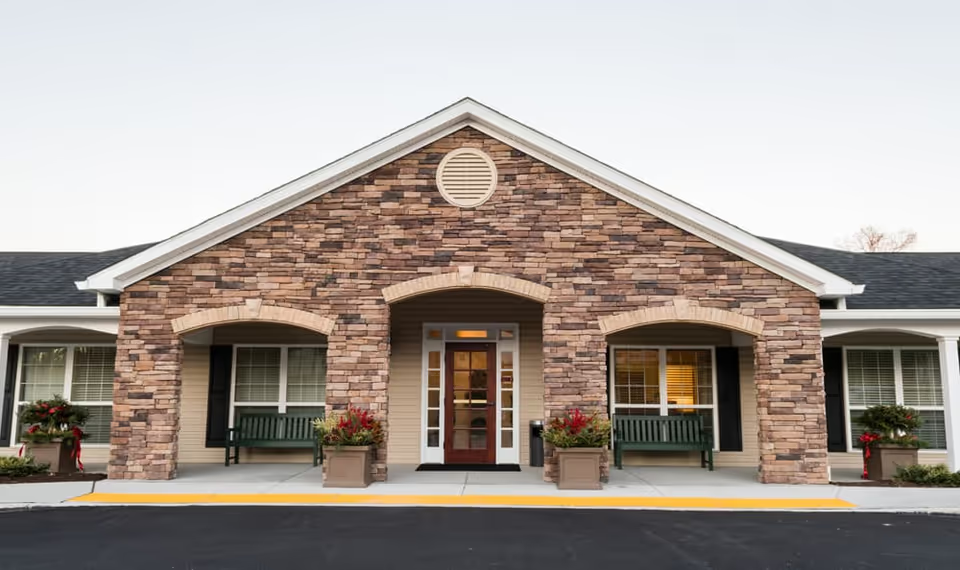
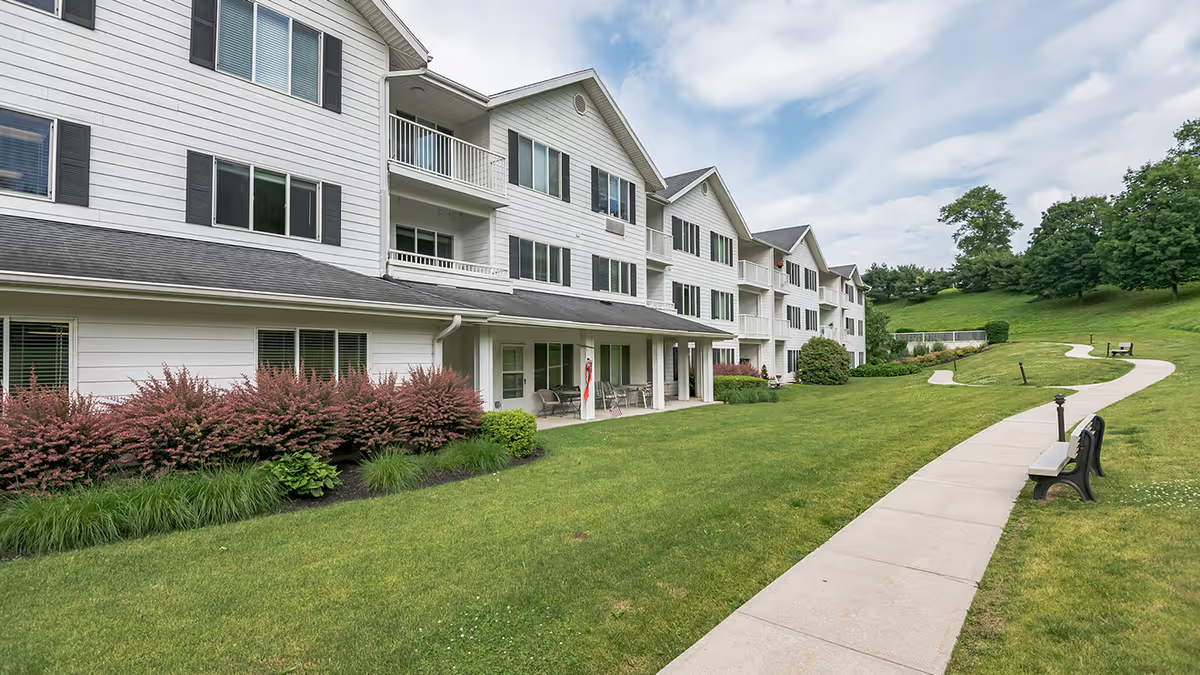
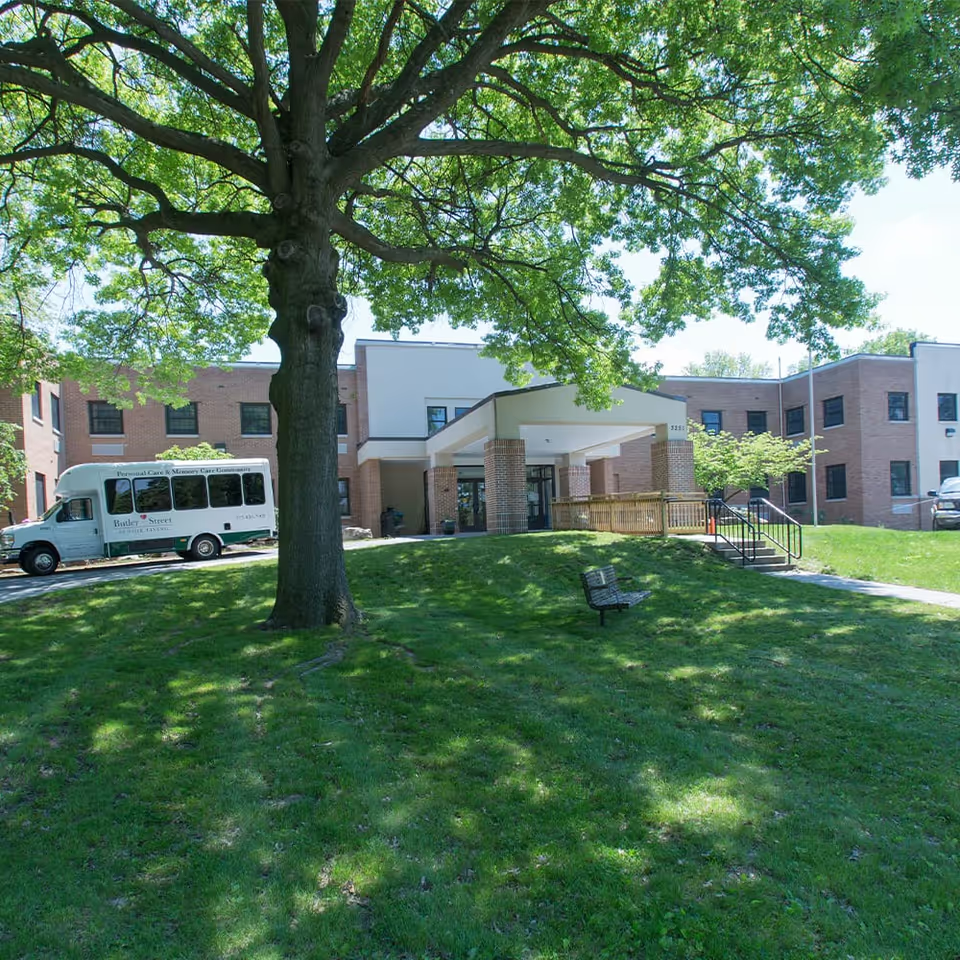
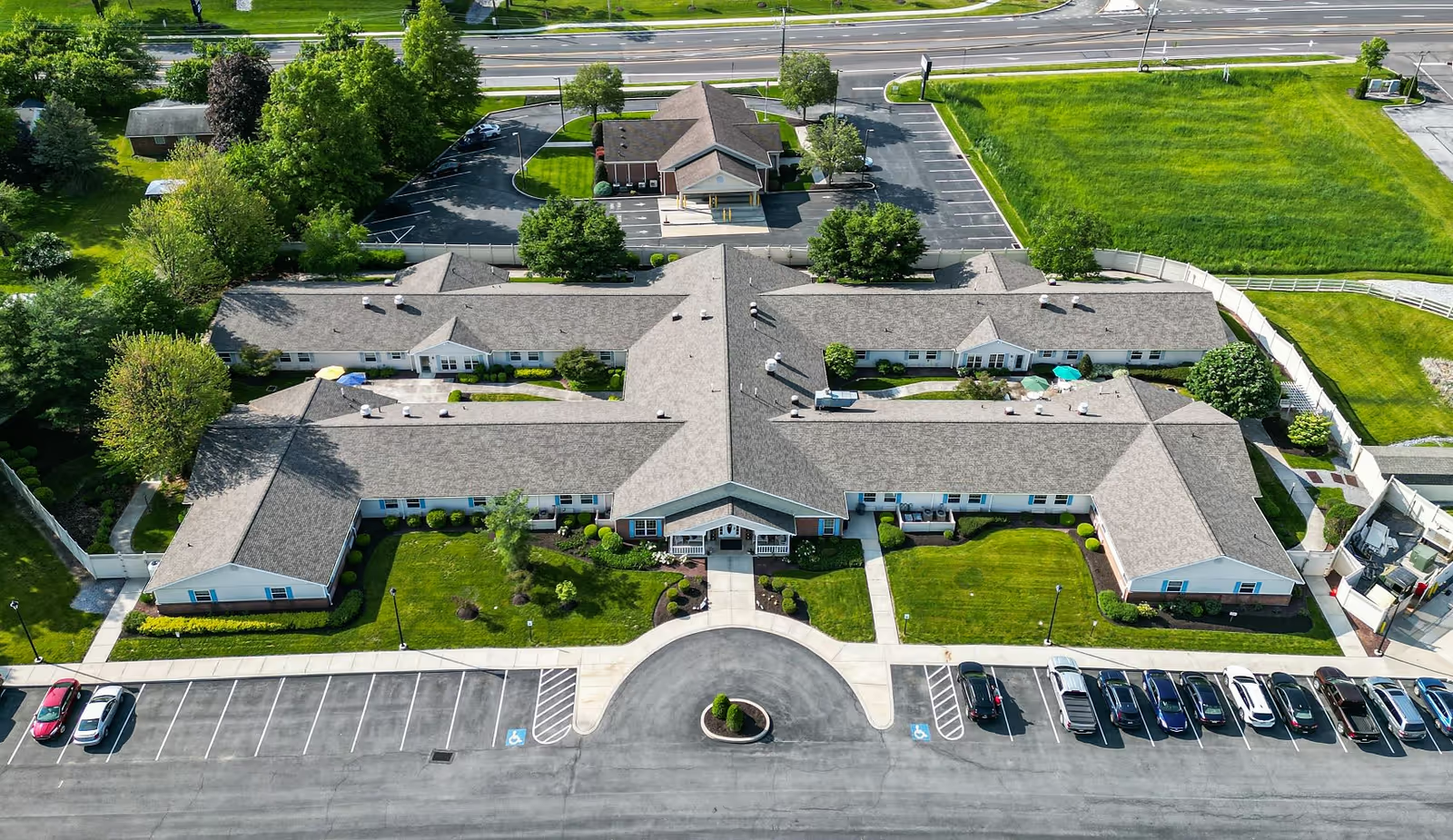
Silver Spring Personal Care Home is consistently described as a new, modern, and attractive setting with many design elements intended to foster a homelike environment: private-room options, apartment-style efficiencies in some units, bright common areas, outdoor porches, a large dining room and an on-site rehab gym. Numerous families praise the facility’s atmosphere, the variety of menu options, and a robust activities program led by an engaged Activities Director. Several accounts highlight frequent special events, therapy services, and daily engagement that contribute to resident well-being and positive transitions.
Care quality impressions are mixed. Many reviewers emphasize compassionate, attentive direct-care staff and personalized attention, and they cite visible owner- or family-led involvement in day-to-day operations. At the same time, other families raised clinical and safety concerns that cluster around staffing and oversight: reliance on agency staff, perceived short staffing on specific shifts, requests for stronger licensed nursing leadership, and difficulty accommodating residents who require higher-dependency or dementia-specific care. Related operational weaknesses include inconsistent medication-management practices and questions about transfer-safety procedures for residents needing total-assist transfers.
Housekeeping, infection control, and supplies are another area of divergence. While several reviewers describe a very clean, well-maintained interior, others described sanitation and cleaning gaps, questions about disinfection protocols, and intermittent shortages of gloves and linens. These accounts point to inconsistent housekeeping processes and unclear infection-prevention/PPE practices rather than a single, uniform condition across the facility.
Management and workplace culture appear as a notable pattern: numerous families value the visible involvement of owners and an executive director who engages with residents, yet other comments describe turnover, an unsettled leadership environment, limited manager accessibility, and staff morale challenges. Some reviewers expressed a perception that facility presentation and aesthetics receive strong attention, while clinical oversight and operational consistency—particularly staffing and safety systems—require strengthening.
For prospective residents and families, the key trade-off is between the facility’s strong environmental and programmatic features and the reported variability in clinical operations. The building, therapy offerings, dining, and activities are clear strengths; decisions should hinge on clinical needs and risk profile. Families seeking care for residents with advanced mobility or dementia needs should assess staffing levels, licensed nursing oversight, transfer procedures, and wander-prevention protocols directly with leadership. It would also be prudent to ask about current agency-staff usage, staff retention initiatives, housekeeping and infection-control protocols, and how management responds to clinical concerns so that expectations about daily care and safety align with the household’s needs.